
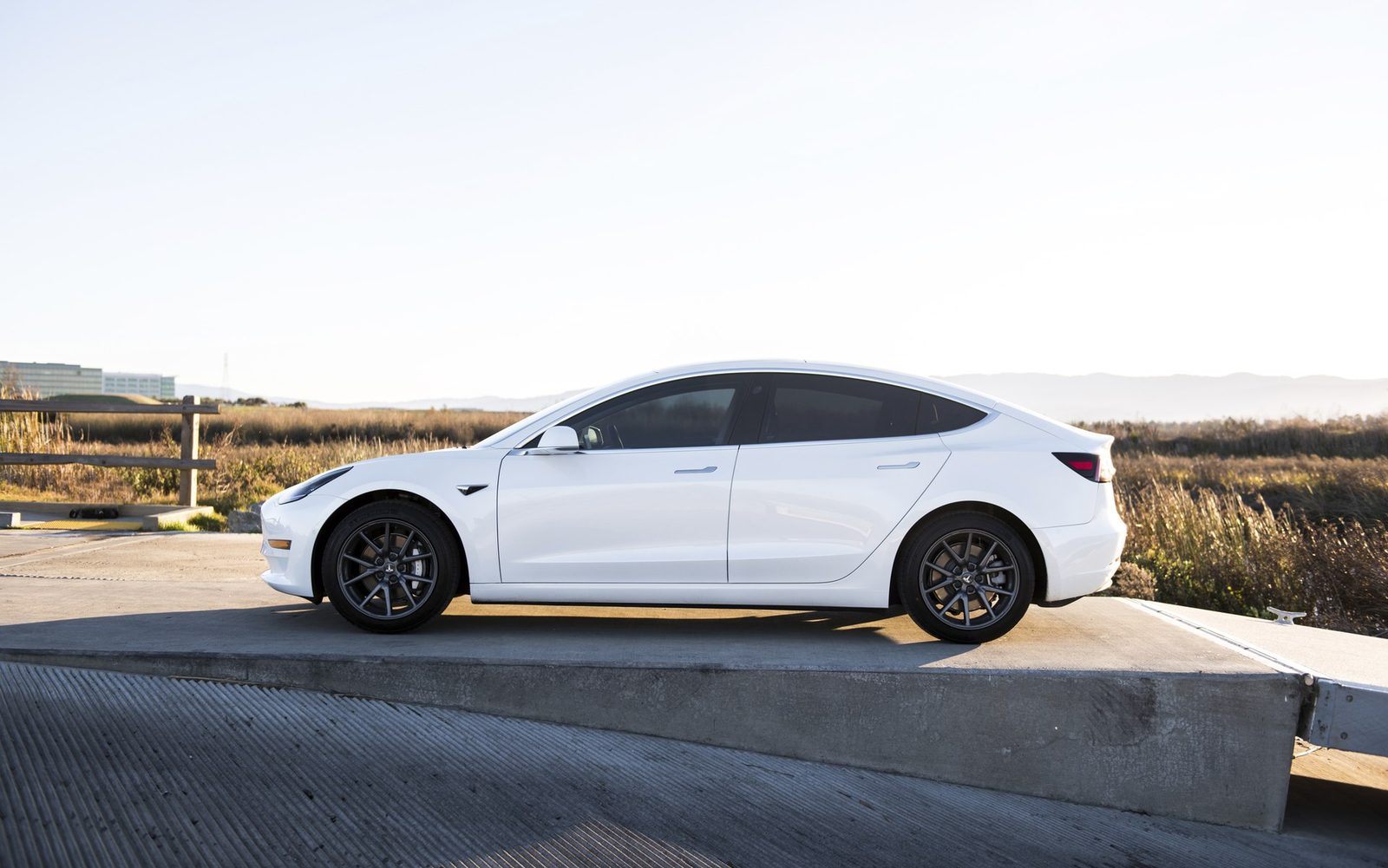
NHTSA Won't Call Tesla's Door Handles Defective. It's Writing New Rules for Every Automaker Instead.
The agency denied a petition to investigate the Model 3's manual door release as a defect, but granted a separate one to develop a federal standard requiring an emergency exit that works with no power and no hunting through a door panel — after a bill in Congress cited 15 deaths tied to similar entrapments.
The National Highway Traffic Safety Administration ruled this week that Tesla's manual door releases aren't a defect — and, in the same breath, said the broader design problem they represent is real enough that every automaker needs a new federal standard to fix it. The two decisions came out of two separate petitions filed on consecutive days in November 2025, and NHTSA landed on opposite outcomes for each.
The first petition, filed November 7, 2025 by Kevin Clouse, asked NHTSA to open a formal defect investigation into the manual door release on 179,031 model-year 2022 Tesla Model 3s, arguing it violated federal labeling and accessibility standards. NHTSA denied it. Investigators found only one complaint that actually matched the alleged defect pattern — and traced it back to Clouse's own vehicle, involved in a front-impact crash in which the power-loss disabled the electric door mechanism and he couldn't find the hidden manual release in time.
The second petition, filed November 4, 2025, asked for something broader: a new Federal Motor Vehicle Safety Standard requiring "a robust and obvious door egress system" in every vehicle sold in the US, not just Teslas. NHTSA granted that one. In its decision, the agency wrote that "a concealed or hard to locate door release could prevent an operator or occupant from exiting the vehicle in the event of an emergency, such as a crash or fire" — language that describes a gap in federal safety standards generally, not a defect specific to one automaker's design.
The proposed standard would require a mechanical release that keeps working after total power loss and can be found and operated without searching a door panel under stress — exactly the failure mode described in the petition that got denied. It follows earlier, narrower Tesla investigations: a Model Y door-handle probe opened in September 2025 after children were trapped inside vehicles, and a Model 3 emergency-release investigation opened in December 2025 following crashes in which occupants couldn't get out. A bill introduced in Congress in January 2026, the SAFE Exit Act, cited 15 deaths tied to similar entrapments in building its case for federal action.
None of this moves quickly. NHTSA itself noted that opening a rulemaking "doesn't mean new [standards] will be developed," and the agency still has to gather data and take public comment before proposing an actual rule — a process the Center for Auto Safety doesn't expect to produce a finished standard before 2030. It also does nothing for the roughly 179,031 Model 3s already on the road with the exact design the denied petition was about. China has already moved faster: its GB 48001-2026 standard, finalized this year, requires a mechanical release on both the inside and outside of every door except the trunk, with compliance due by 2027.
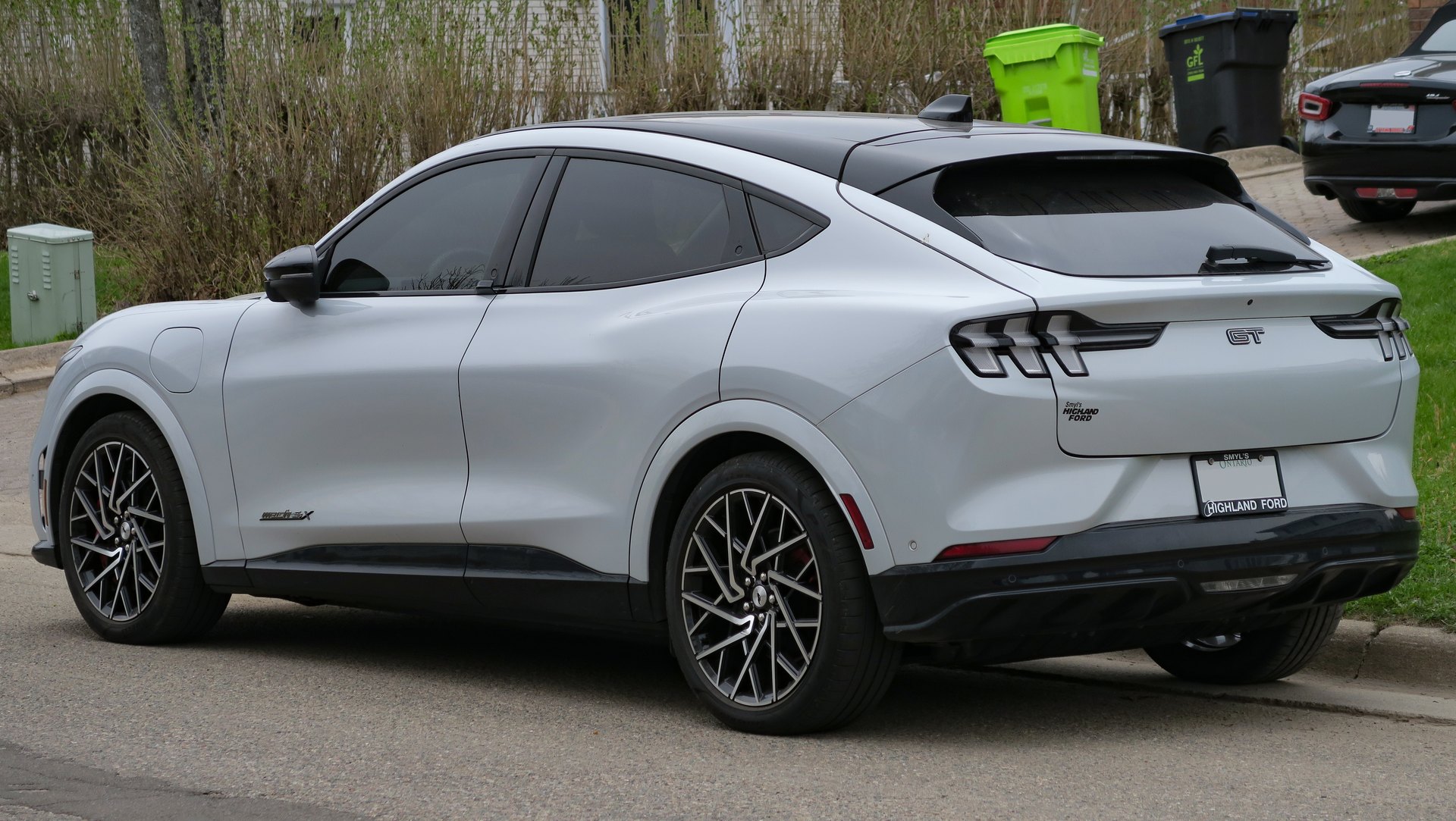
Ford Is Recalling 86,543 Mach-Es Because a Faster Jig Didn't Let the Glue Cure
The rear side quarter window trim on 2023–2025 Mustang Mach-Es can work loose and come off in traffic. Ford traced it to a supplier fixture that cut the installation time — and, with it, the primer's cure time.
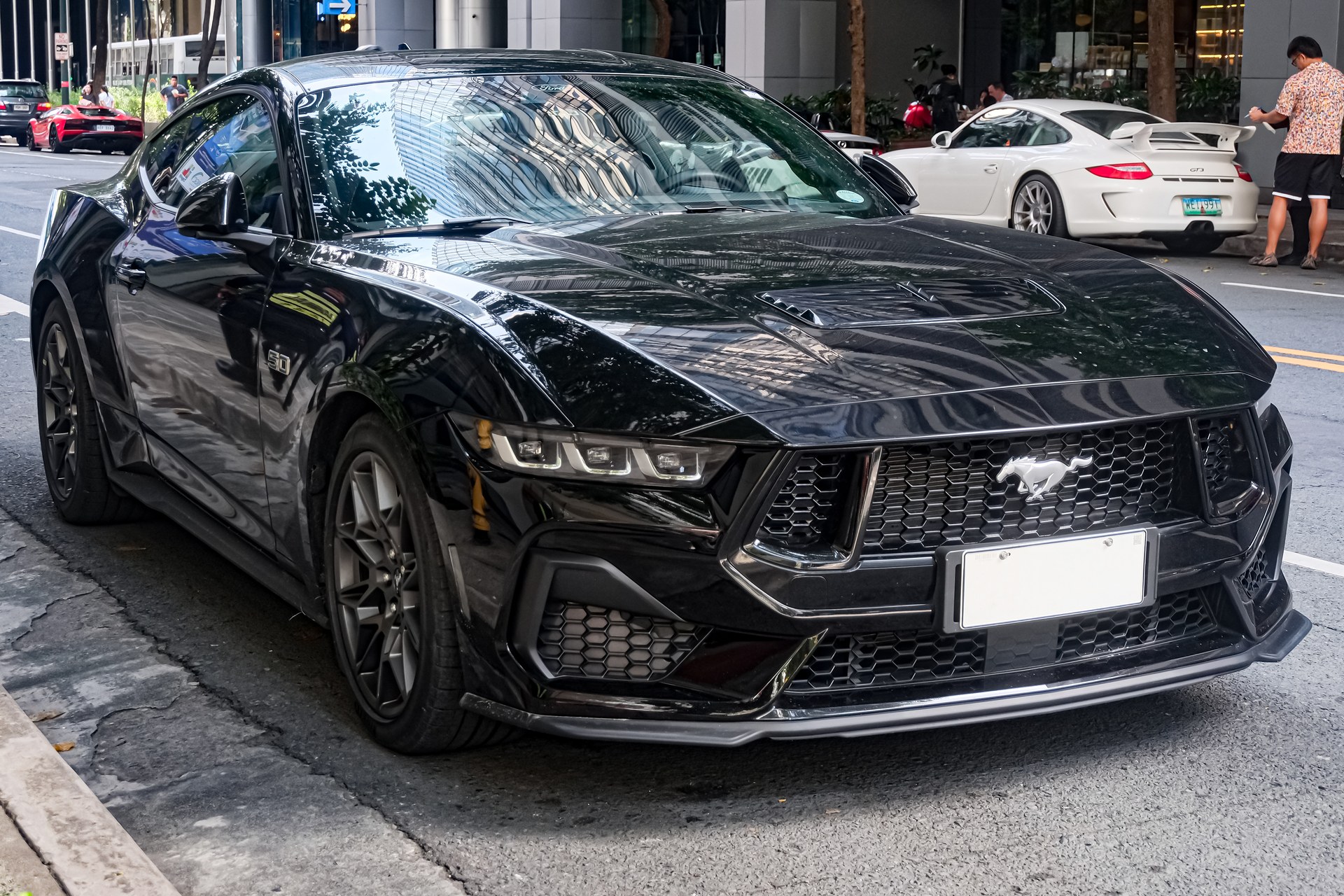
Ford Reportedly Showed Dealers a Four-Door Mustang
At a dealer meeting in Las Vegas, Ford is said to have put an image of a Mustang sedan on the screen — gas-powered, possibly hybrid, aimed at the Charger, and due before the decade is out.
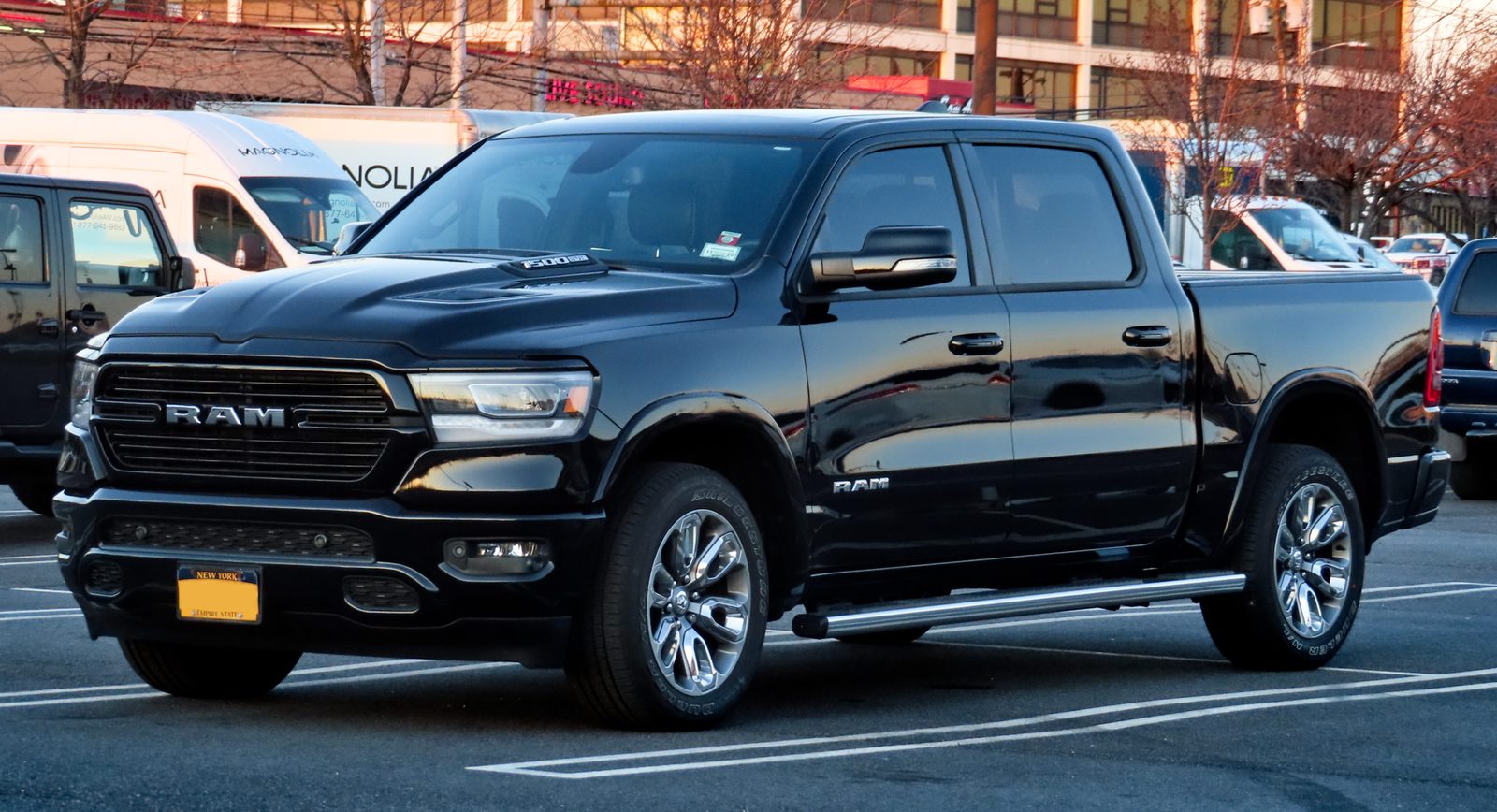
1.27 Million Ram 1500s Recalled Because the Rear Seat Belt Anchors May Never Have Been Attached
Eight model years of Ram's best-selling truck may have second-row buckle anchors that were never properly secured to the body. Until a dealer looks, Stellantis says move rear passengers to the far side.