
The World's Smallest Production Car Has No Reverse Gear — You Just Pick Up the Back End
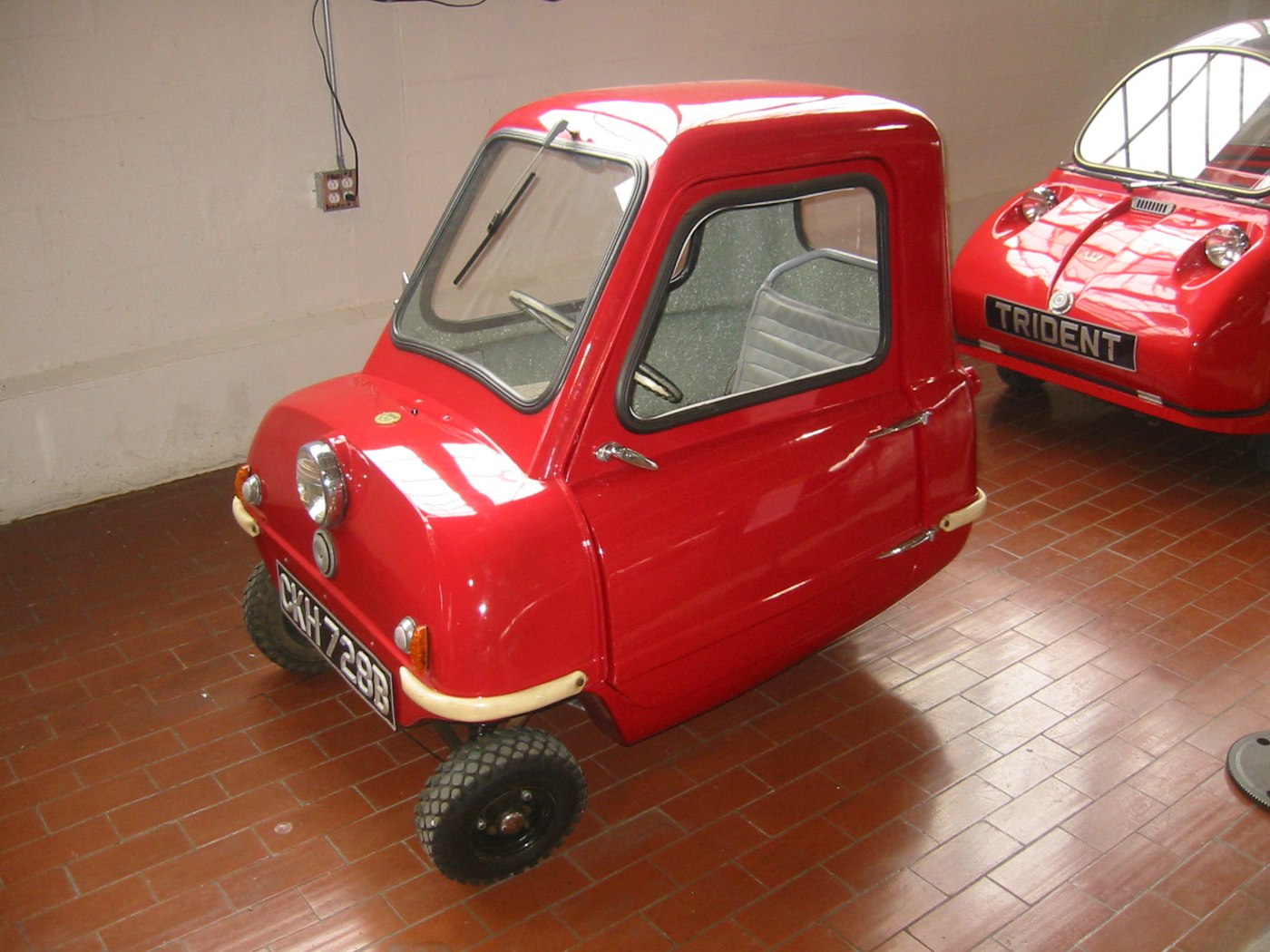
The Peel P50 weighs 130 pounds, was advertised to seat 'one adult and a shopping bag,' and is small enough that Jeremy Clarkson once drove one through the hallways of the BBC.
The Peel Engineering Company built the P50 on the Isle of Man from 1962 to 1965, and it remains, per Guinness World Records' 2010 listing, the smallest production car ever made. The numbers explain why: 54 inches long, 39 inches wide, and a curb weight of just 59 kilograms — about 130 pounds, light enough that an adult can pick up the rear end and manually pivot the car sideways to park it, which matters because the original P50 has no reverse gear at all. Peel's own period advertising leaned into the absurdity rather than hiding it, pitching the car as capable of seating "one adult and a shopping bag."
Power came from a 49.2cc DKW single-cylinder engine, good for a genuinely modest top speed of about 38 mph — plenty for the P50's intended job as a minimal city runabout, never designed for anything beyond short urban trips. Around 47 units sold at £299 each during the original 1960s production run before Peel shut it down, and the car might have stayed a footnote if not for its second life: Peel Engineering Ltd. restarted P50 production in 2011, using the original Isle of Man premises, nearly half a century after the first run ended.
Its most famous public moment came courtesy of Jeremy Clarkson, who drove a blue P50 through the actual hallways and offices of the BBC building for a 2007 Top Gear segment — Clarkson himself stands 6-foot-5, which made the size gap between driver and car almost as funny as the stunt itself. The P50 fits through office doorways and into elevators in a way no other production car ever has, which is precisely the point Clarkson's segment was built to prove.
The Guinness record has held for over a decade and a half, through a market that's produced no shortage of kei cars, bubble cars, and city-runabout concepts trying to out-small each other. Nothing that's actually reached production has beaten a 130-pound, three-wheeled car with no reverse gear built on an island with a population smaller than most American suburbs.
For the First Time, All 20 BMW Art Cars Are Under One Roof in Munich
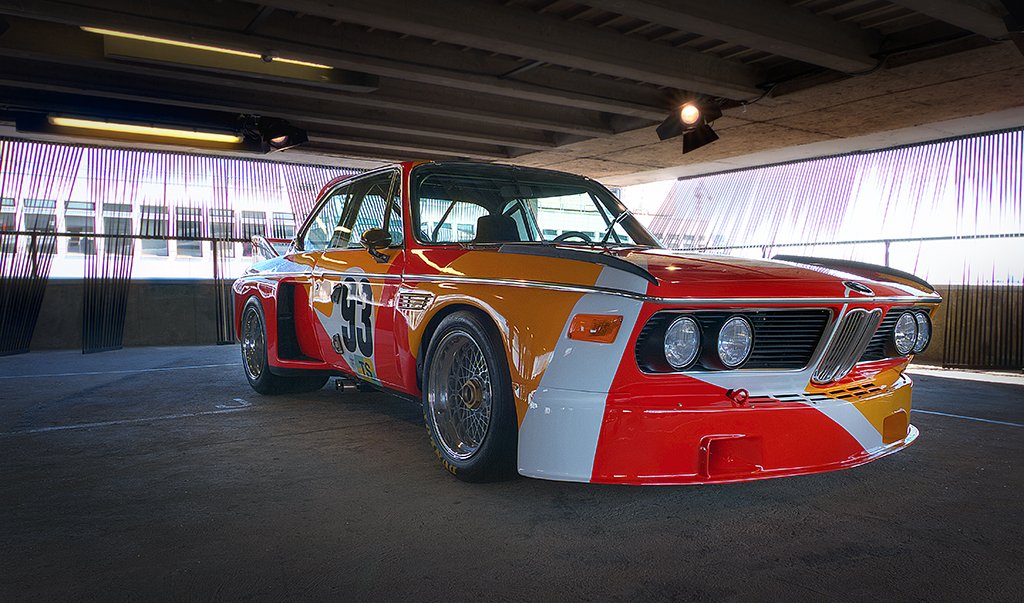
A free exhibition at BMW Welt brings together five decades of the automaker's Art Car program, from Alexander Calder's 1975 Le Mans racer to Julie Mehretu's 2024 hypercar.
RADwood Brings Its '80s and '90s Car Show Back to Tacoma, This Time Free to Spectators
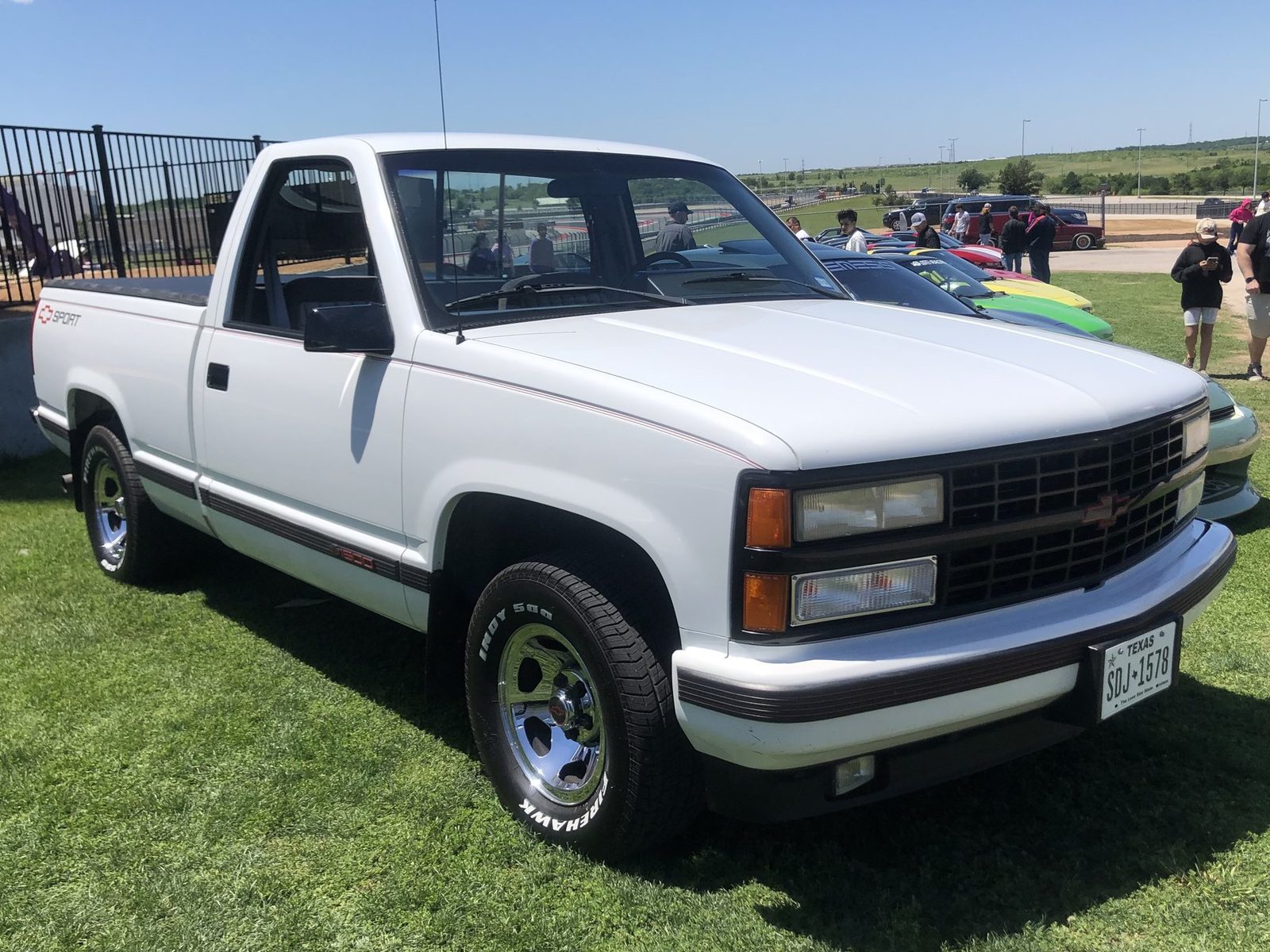
The traveling nostalgia show that turned Fox-body Mustangs and Radwood-era Japanese coupes into concours material returned to Griot's Garage in Tacoma on July 18, with Hagerty video host Jason Cammisa as the marquee guest.
Lamborghini Will Gather Over 40 Miuras on Pebble Beach's 3rd Fairway for the Car's 60th Birthday
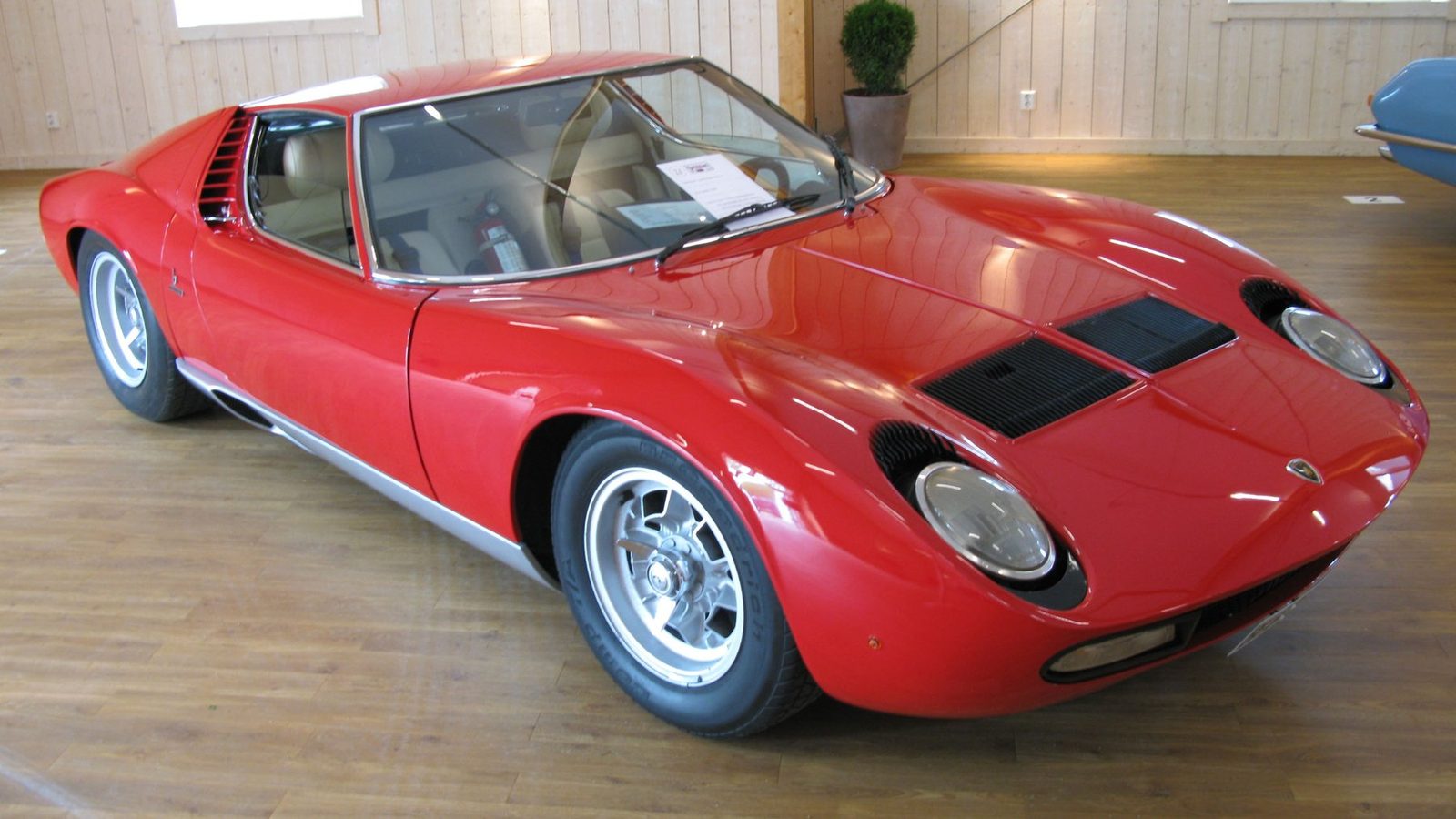
For the first time in the Concours d'Elegance's history, a fairway at Pebble Beach Golf Links will be opened to a single-marque tribute, as Lamborghini assembles what it calls the largest gathering of Miuras ever staged.