
The Real Bullitt Mustang Spent 28 Years Hidden in a New Jersey Garage
The actual hero car from the most famous chase scene in movie history was daily-driven by a schoolteacher's wife until the clutch died, then vanished from public view for nearly three decades before selling for $3.74 million.
Every serious car chase scene made after 1968 owes something to twelve minutes of footage through San Francisco's hills, and the actual car that filmed it — a Highland Green 1968 Mustang GT 390 fastback — spent decades after the film's release doing absolutely nothing cinematic at all. After filming wrapped, it was sold to a Warner Bros. employee named Robert Ross, then bought in 1970 by a New Jersey detective, Frank Marranca, before ending up with Robert Kiernan of Madison, New Jersey, for $6,000.
Kiernan's family didn't treat it as a museum piece. His wife drove it as a daily-use car for years, right up until the clutch failed at 65,000 miles in 1980. Instead of repairing it, the family simply parked it and left it there — no public appearances, no ownership announcements, nothing — for the next 28 years, sitting quietly in storage while the film's reputation only grew.
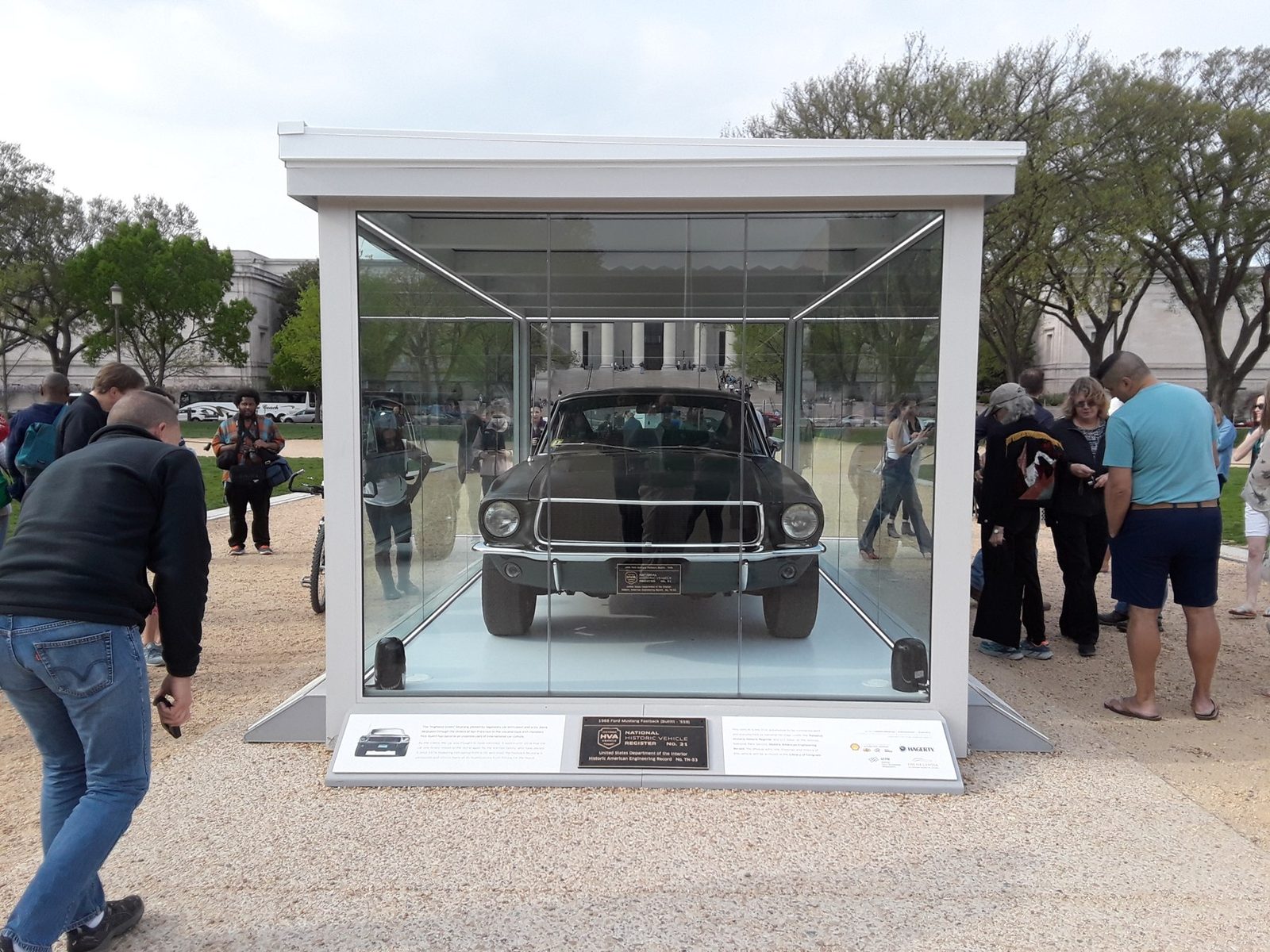
The car resurfaced publicly in 2018, when Hagerty broke the story of its rediscovery, and the reveal set off a genuine wave of attention in the collector world: the actual Bullitt hero car, verified, still largely as it had been left. It went on to a formal public unveiling on the National Mall in Washington, D.C., that April, displayed by the Historic Vehicle Association in an illuminated glass case between the National Gallery of Art and the National Air and Space Museum — the car's first extended public appearance in decades — before also showing at the Detroit Auto Show earlier that year, part of an HVA exhibition series that draws roughly 500,000 visitors to the National Mall.
It was formally inducted into the National Historic Vehicle Register and documented by the Library of Congress before finally going to auction. On January 10, 2020, at Mecum's Kissimmee sale, it sold for $3.74 million — a record for any Mustang at auction. The number is remarkable on its own, but the more interesting fact is what happened in between the movie and the sale: nothing. Twenty-eight years of a famous car being nobody's business but a New Jersey family's, right up until it wasn't.
The Rebelle Rally Bans GPS. A Bone-Stock Ranger Raptor Just Won It Outright.
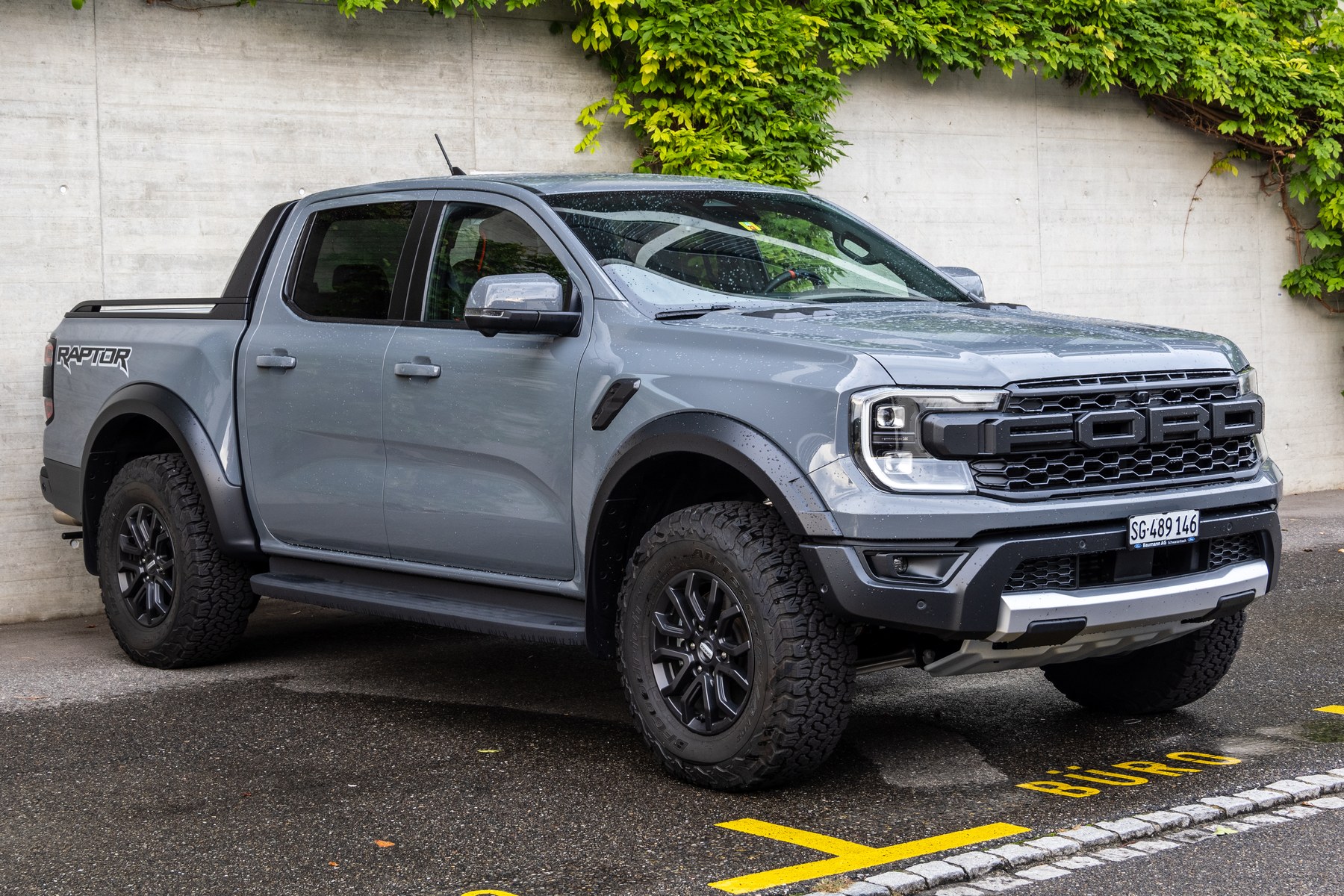
Eight days of competition, 2,620 kilometres across Nevada, Utah and California, 21 paper maps and more than 200 hidden checkpoints. Laura Wanlass and Teralin Petereit scored 91 per cent of the available points in a showroom-spec truck and handed Ford the overall win it had never had.
Mazda Built a Three-Rotor Coupe With Satellite Navigation in 1990. Japan's Economy Collapsed Two Months Later.
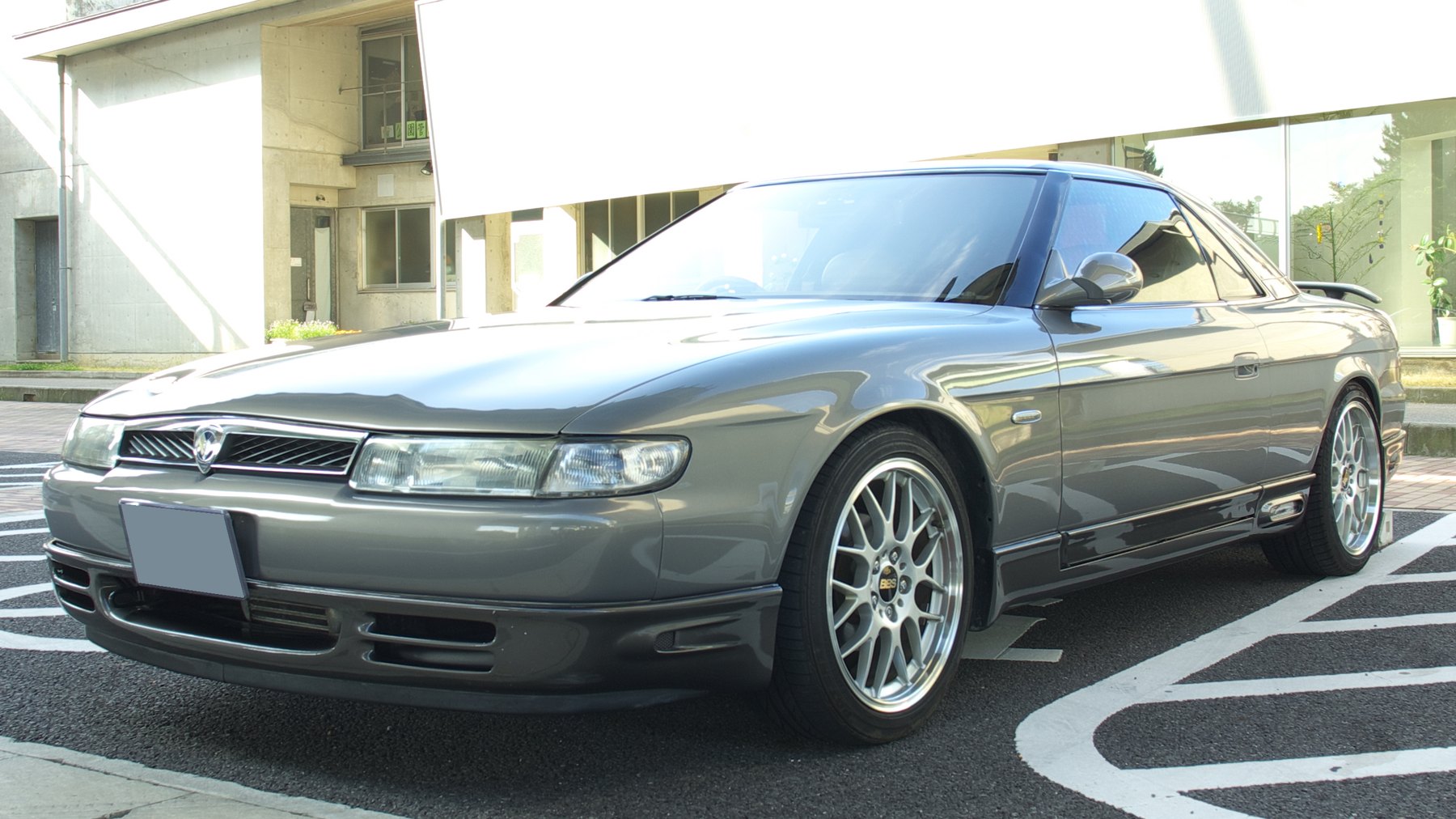
The Eunos Cosmo had the only triple-rotor engine Mazda ever sold, the first built-in GPS system in any production car, and an automatic gearbox. It was perfect, it was doomed, and almost nobody outside Japan has ever seen one.
Alfa Romeo's Cuorerosso Ends in a Flat Wall, and That Is the Cleverest Thing About It
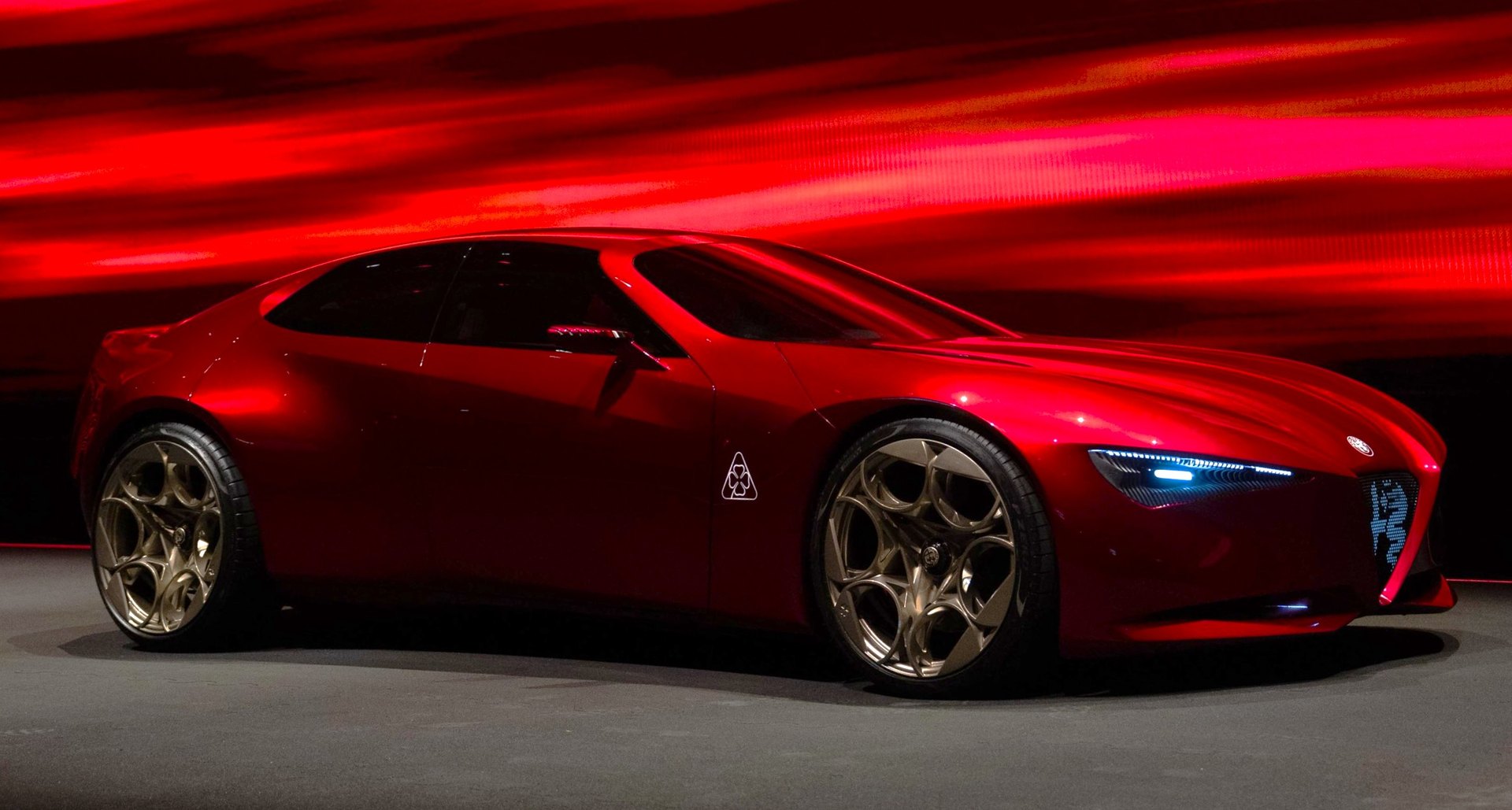
The Paris concept is 4.7 metres long, seats four, has no B-pillar and claims a 0.28 drag coefficient. The trick responsible for a good part of that number was worked out in a Stuttgart wind tunnel in 1936.