
Only 51 Tucker 48s Were Ever Built. Here's What Actually Killed the Company.
Preston Tucker's 1948 sedan had safety features decades ahead of Detroit. The company that built it collapsed within a year — and the reason isn't the industry conspiracy the movie tells you it was.
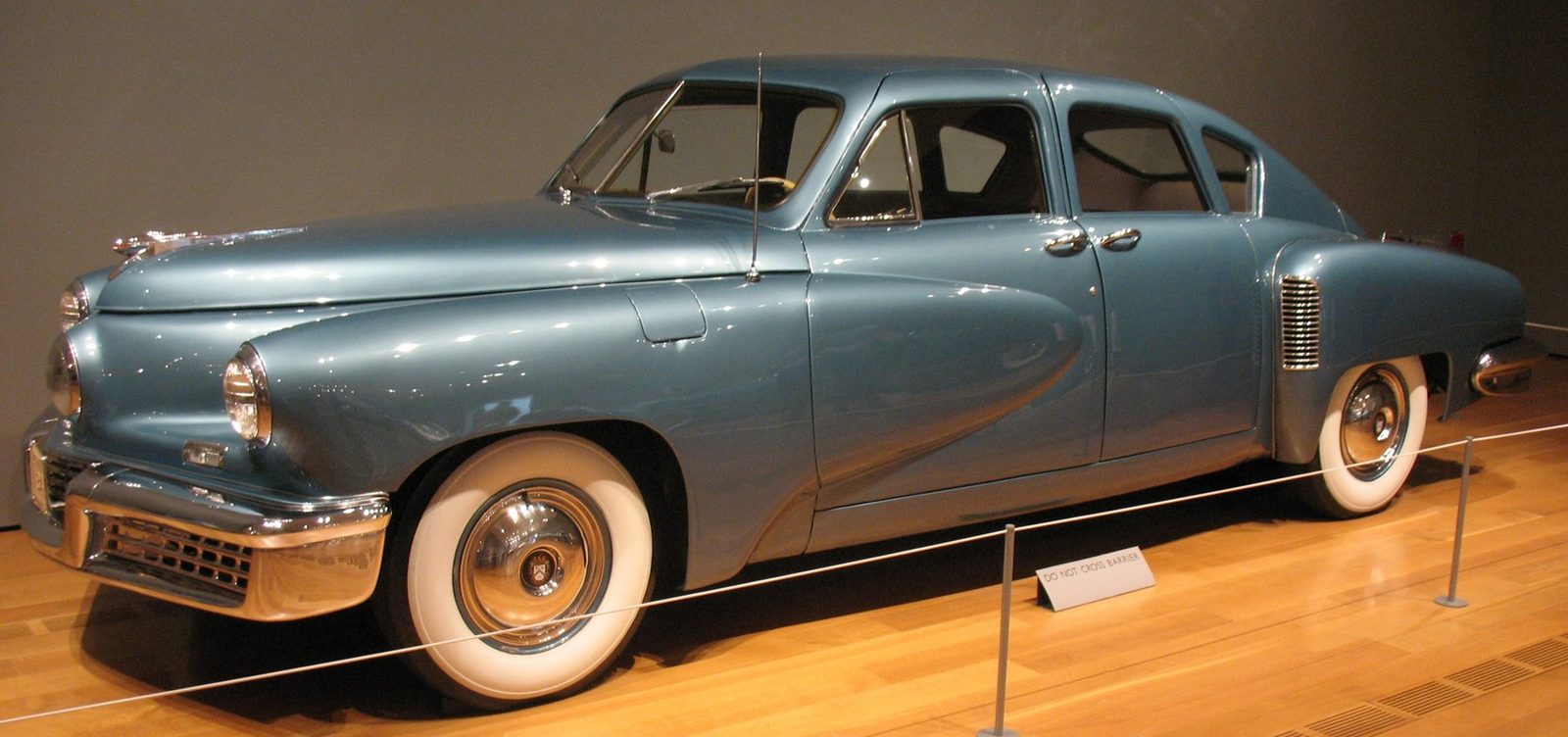
Preston Tucker's 1948 sedan, built in Ypsilanti, Michigan, packed in features that wouldn't become industry-standard for decades — a padded dashboard, a windshield designed to pop out on impact rather than shatter inward, a center-mounted headlight that turned with the steering to light up corners. Only 51 were ever built before the company collapsed, which is exactly the kind of ratio that turns a car into a legend: brilliant, genuinely ahead of its time, and gone almost before it started.
The company's funding model is where things actually went wrong. Tucker raised roughly $25 million in capital in part by pre-selling accessories and dealership rights before he had a finished production car to show for it — a financing approach the SEC determined was not just unusual but illegal. On May 28, 1948, the SEC investigation shut down production and the factory floor went silent while regulators dug through the company's books.
A grand jury indictment followed on June 10, with Tucker and seven associates facing 31 counts — 25 for mail fraud, five for SEC violations, one for conspiracy. The trial ran until January 22, 1950, when the jury found every defendant not guilty on every count. Legally, Tucker was vindicated. Commercially, it didn't matter — the company was already dead by the time the verdict came in.
The 1988 film Tucker: The Man and His Dream told the story as a conspiracy between Detroit's Big Three and the federal government, working together to crush a genuine threat before it could take root. Historians who've actually gone through the record have found no evidence of that coordination. What actually killed the company was simpler and less dramatic: no conventional bank financing, a fragile cash position built on pre-sold accessories and dealership fees rather than an actual product, and a business structure that couldn't survive the SEC's scrutiny even without any industry conspiracy pushing it over. Fifty-one surviving cars is what's left of a genuinely innovative design that ran out of runway before Detroit ever had to lift a finger.
The Impossible Race: How a Buffalo-Built Car Won a Trip Around the World in 1908
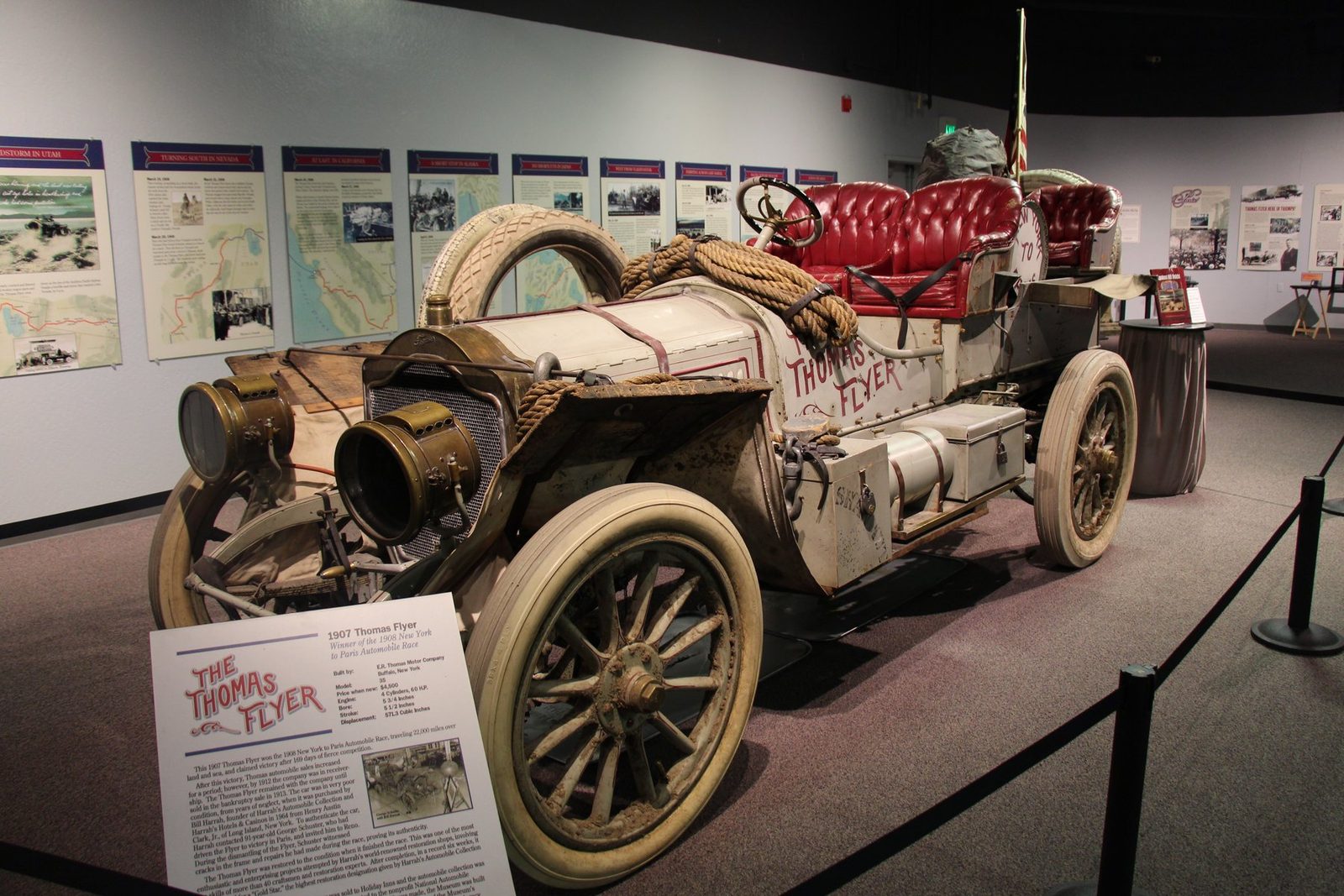
Six cars from four nations set out from Times Square to drive to Paris — the long way, through Alaska, Japan, and Siberia. Only three finished, and the winner didn't cross the line first.
Fifty Years Since Bergwerk: The Crash That Ended Formula 1's Deadliest Circuit
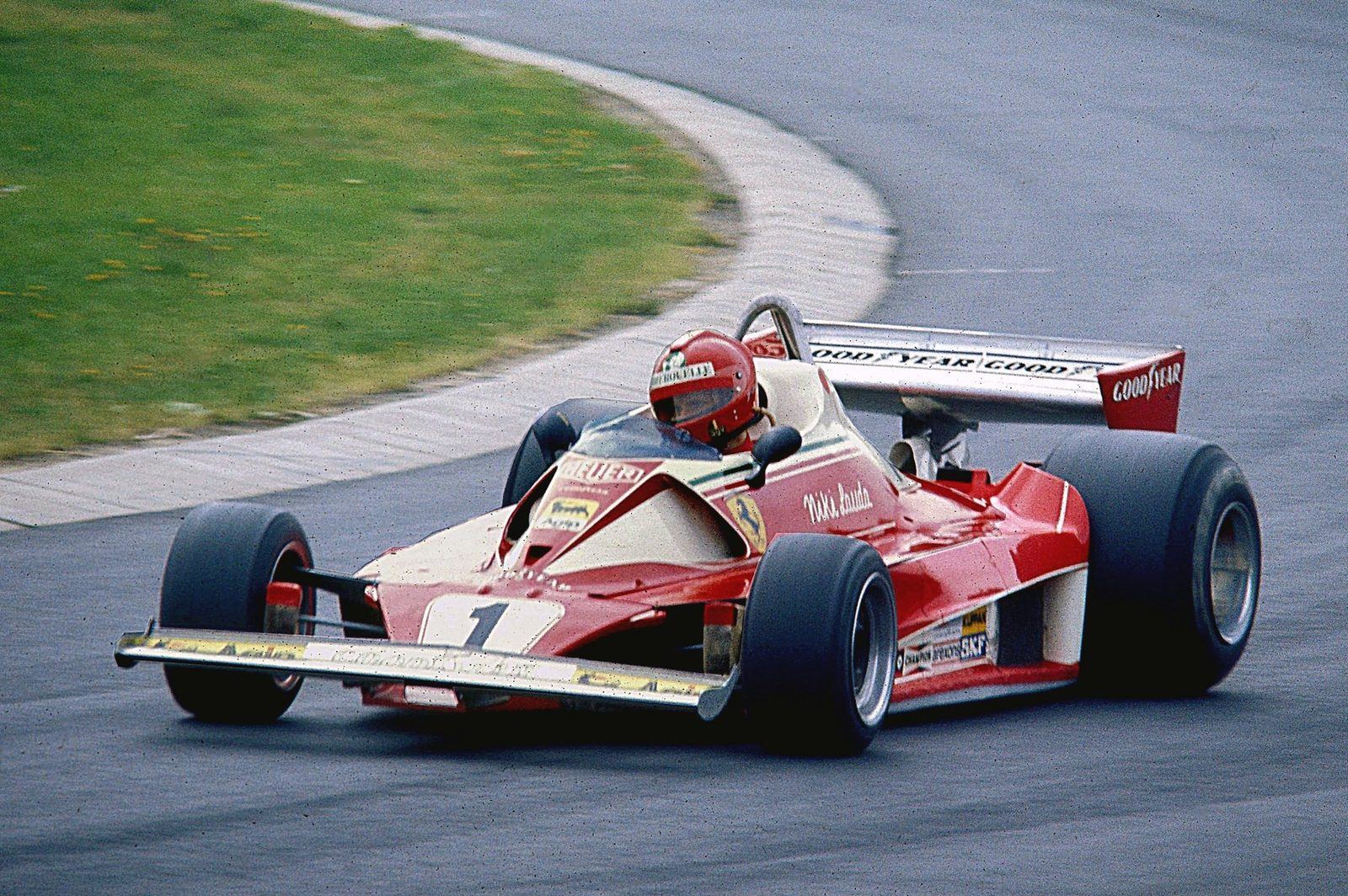
On August 1, 1976, Niki Lauda's Ferrari caught fire on the Nürburgring Nordschleife. He survived, nearly won the title anyway, and the sport never raced a championship round on the full circuit again.
The 75th Pebble Beach Concours Is Giving Japanese Le Mans History Its Own Class
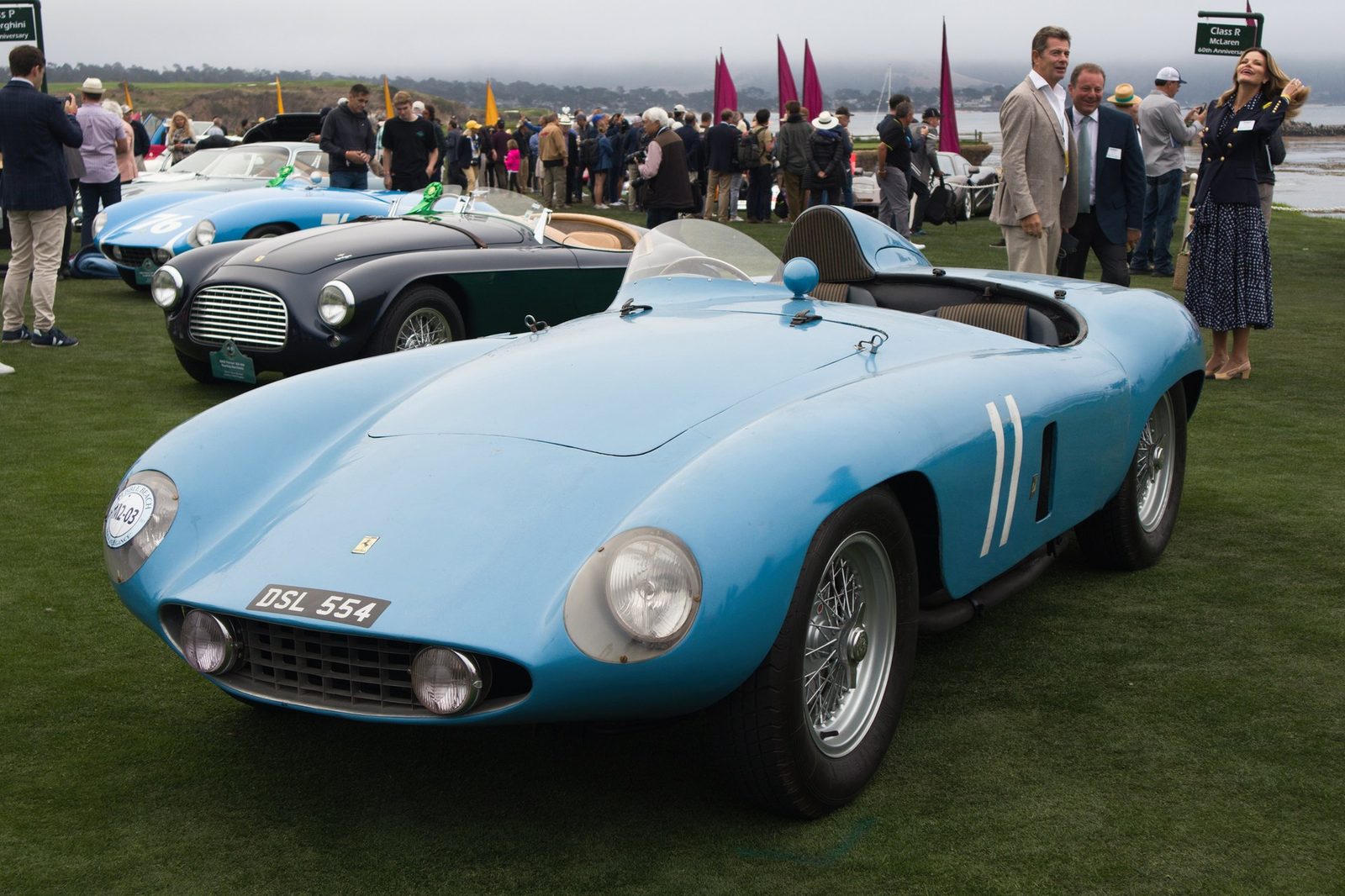
Ferrari headlines the 2026 field as the diamond-anniversary featured marque, but a new class built around Mazda, Toyota, and Nissan's Le Mans campaigns says as much about where the world's most tradition-bound car show is headed as any of the six-figure restorations parked on the 18th fairway.