
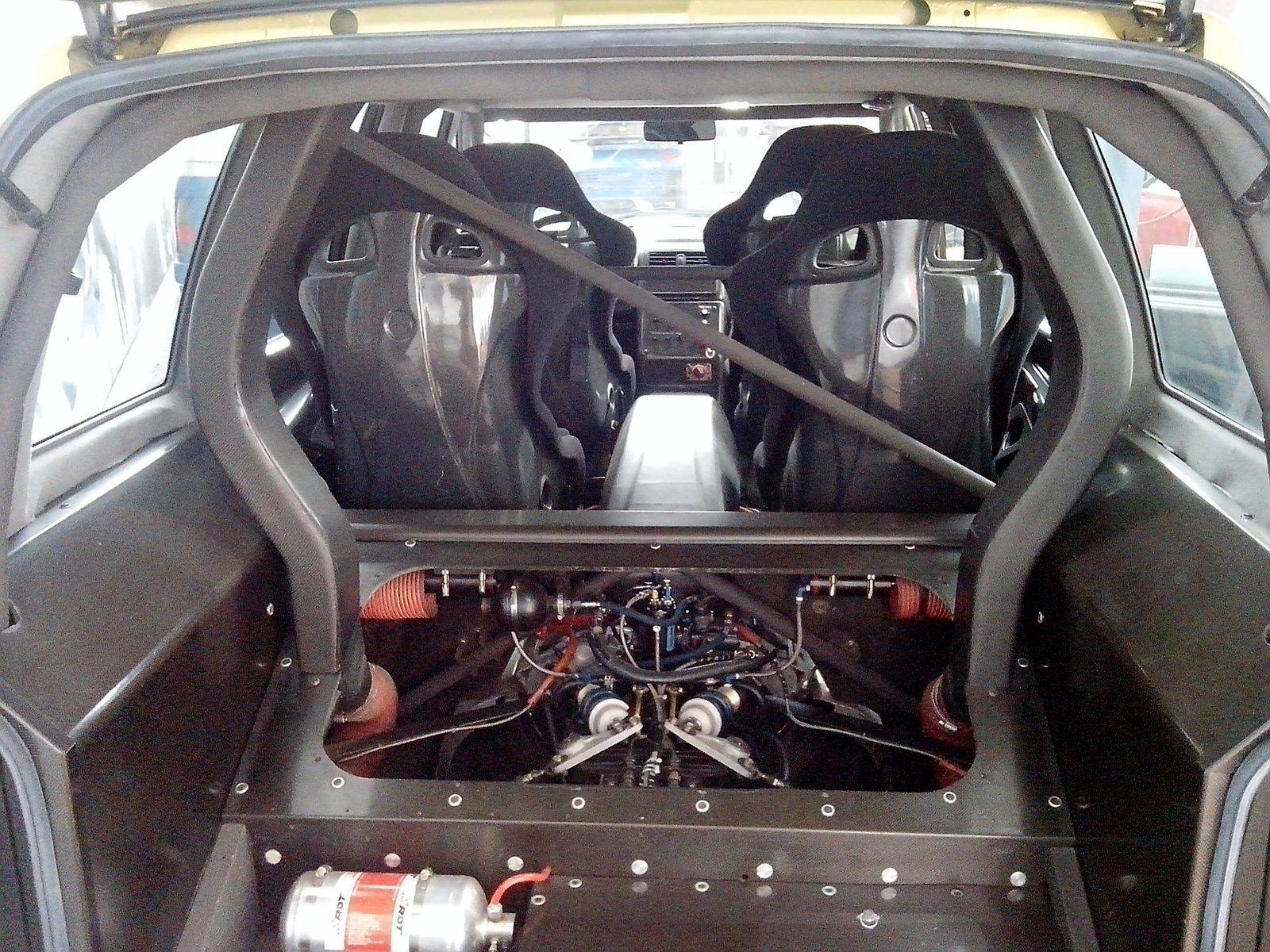
Renault Put a Championship-Winning F1 Engine in a Minivan
To celebrate the Espace's 10th anniversary, Renault and Matra built one with a genuine 820-horsepower Williams Formula 1 V10 in the back. It still exists.
For the Espace minivan's 10th anniversary in 1994, Renault and its manufacturing partner Matra decided a normal celebration wasn't interesting enough. What they built instead was the Espace F1 — a concept that shares essentially nothing structurally with an actual Espace beyond the shape, built around a genuine Formula 1 powertrain pulled directly from the car that had just won Williams back-to-back Constructors' Championships in 1992 and 1993.
The engine is a real 3.5-liter, 40-valve V10 sourced from the Williams FW15C, tuned from its original 700 horsepower up to 820 for this application, mounted longitudinally in a mid-rear position roughly where a minivan's third-row seats would normally go. Nothing from a production Espace's structure survived the build — the car sits on a purpose-built chromoly tubular chassis borrowed from competition prototype construction, wrapped in a carbon fiber body that got the whole package down to 1,300 kilograms, roughly 2,866 pounds.
The numbers that resulted are the kind that don't belong anywhere near a vehicle shaped like a family hauler: 0 to 62 mph in 2.8 seconds, a top speed of 194 mph. It's not a fast minivan in the way a tuned SUV is a fast SUV — it's a genuine F1-derived prototype wearing a minivan's silhouette as a costume, built by people with full access to a championship-winning powertrain and apparently no interest in being subtle about using it.
The Espace F1 never went anywhere near production, and it was never meant to. It exists today as a permanent piece of the Matra Museum's collection in France, one of the more spectacular "we just wanted to see if we could" concept cars any manufacturer has ever actually finished and kept.
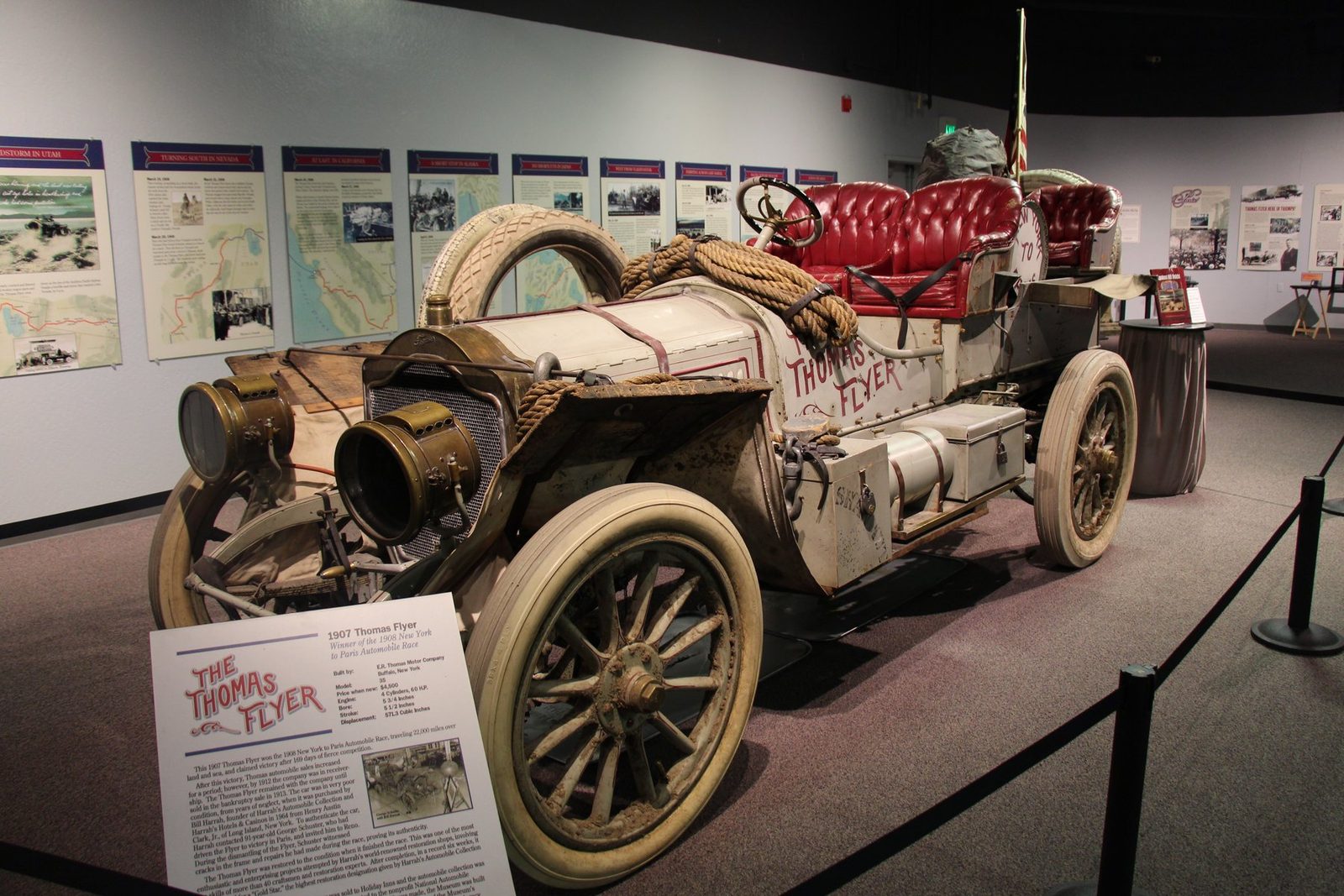
The Impossible Race: How a Buffalo-Built Car Won a Trip Around the World in 1908
Six cars from four nations set out from Times Square to drive to Paris — the long way, through Alaska, Japan, and Siberia. Only three finished, and the winner didn't cross the line first.
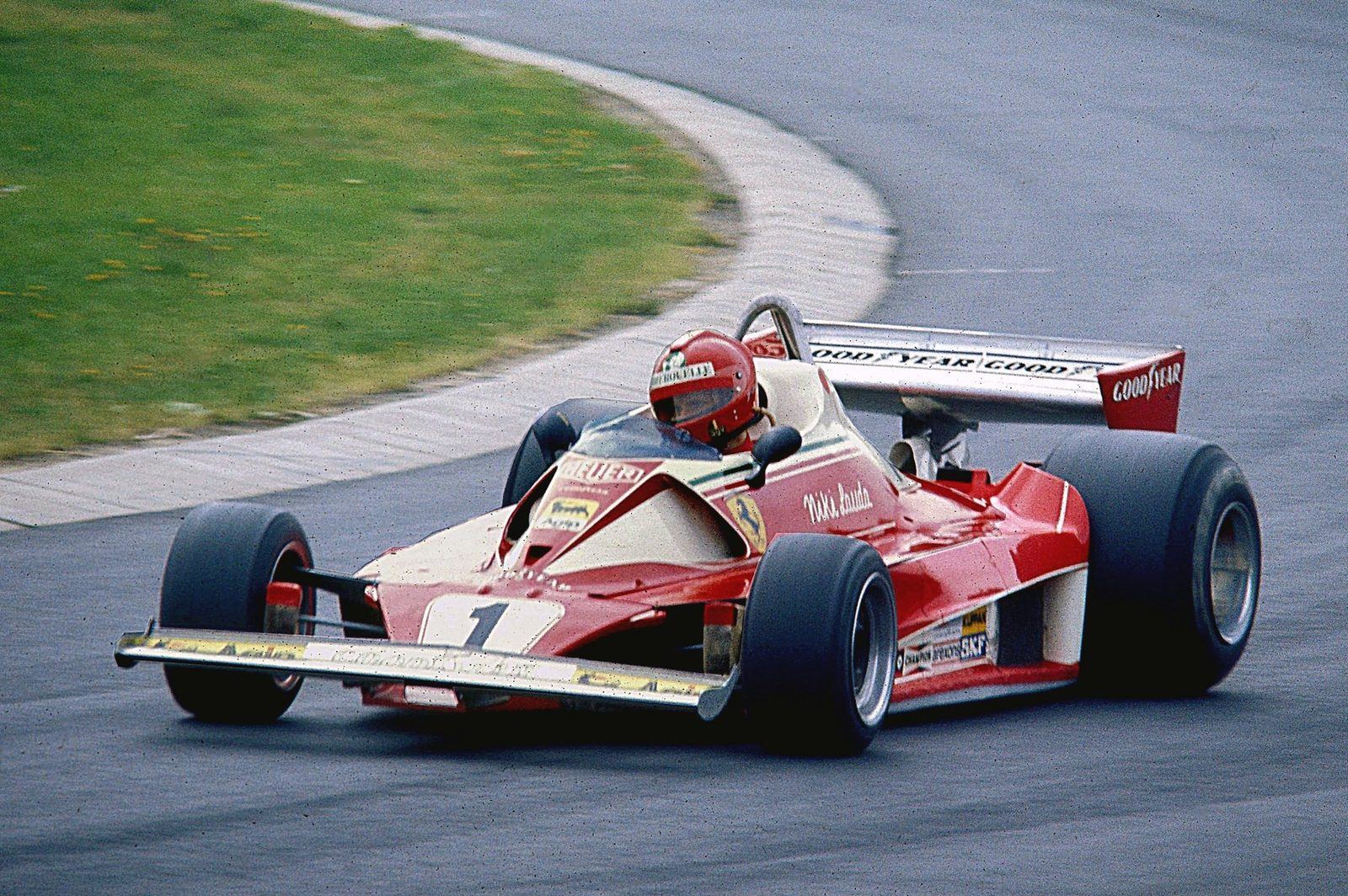
Fifty Years Since Bergwerk: The Crash That Ended Formula 1's Deadliest Circuit
On August 1, 1976, Niki Lauda's Ferrari caught fire on the Nürburgring Nordschleife. He survived, nearly won the title anyway, and the sport never raced a championship round on the full circuit again.
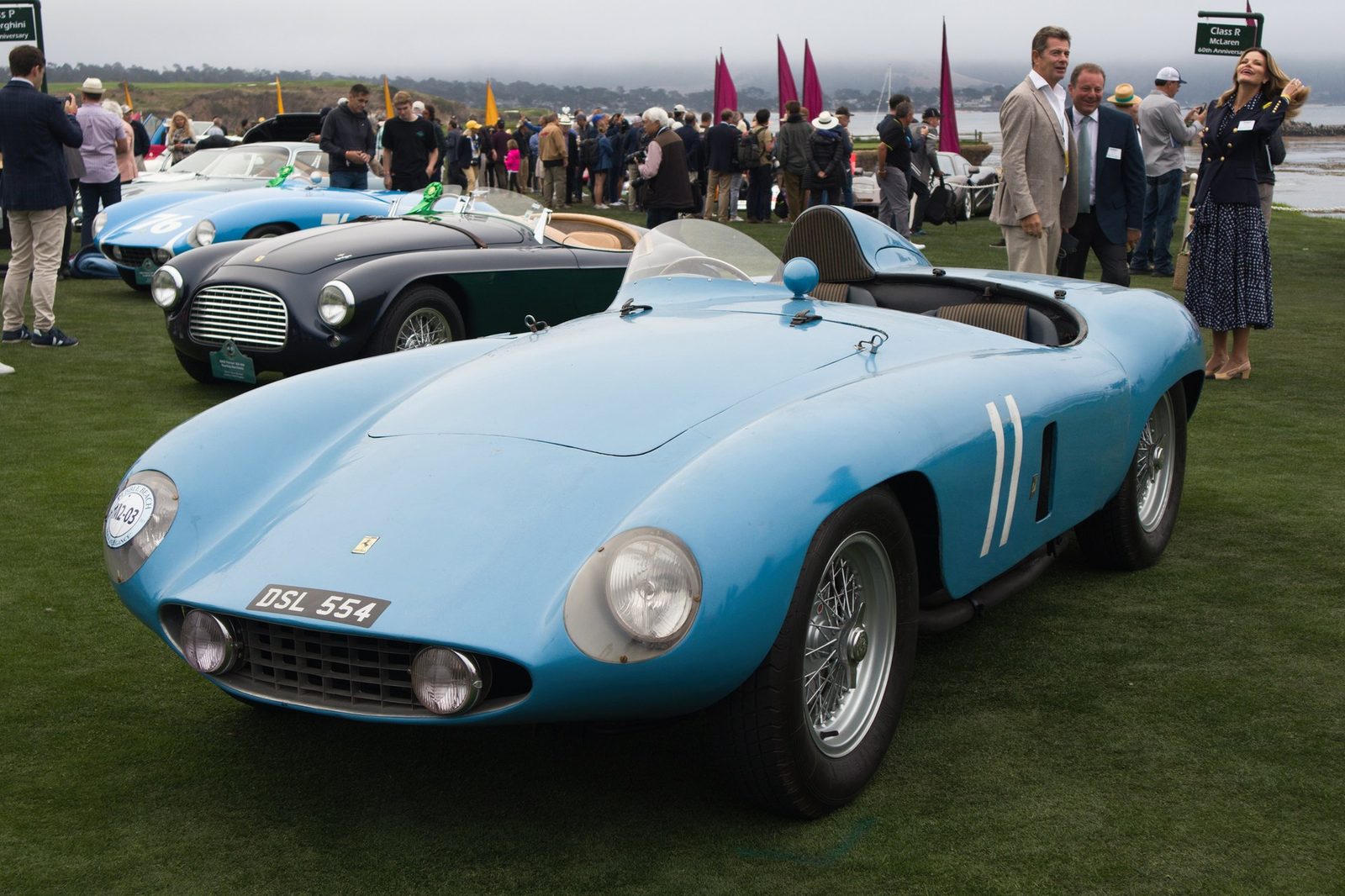
The 75th Pebble Beach Concours Is Giving Japanese Le Mans History Its Own Class
Ferrari headlines the 2026 field as the diamond-anniversary featured marque, but a new class built around Mazda, Toyota, and Nissan's Le Mans campaigns says as much about where the world's most tradition-bound car show is headed as any of the six-figure restorations parked on the 18th fairway.