
Triumph's Cheapest Bonneville Launched Today With Two Different Engines, Depending Where You Live
The Bonneville T40 and T40 Black arrive on a "400cc TR Series" single. Triumph's own British spec sheet says 398 cc and 32 PS. Its Indian spec sheet, for a bike that went on sale the same morning, says 350 cc and 29 PS.
- Engine
- Liquid-cooled, single-cylinder, 4-valve DOHC
- Global capacity
- 398 cc (89.0 x 64.0 mm)
- Global output
- 32 PS / 30 bhp (22.8 kW) @ 7,000 rpm, 36 Nm @ 5,000 rpm
- India capacity
- 350 cc (89.0 x 56.1 mm)
- India output
- 29 PS / 29.1 bhp (21.3 kW) @ 7,000 rpm, 31.2 Nm @ 5,500 rpm
- Wet weight
- 191 kg global / 195 kg India
- Seat height
- 790 mm (770 mm with accessory low seat)
- Fuel
- 14.5 litres
- India price
- ₹2,79,999 ex-showroom Delhi
- US price
- Not announced until early 2027
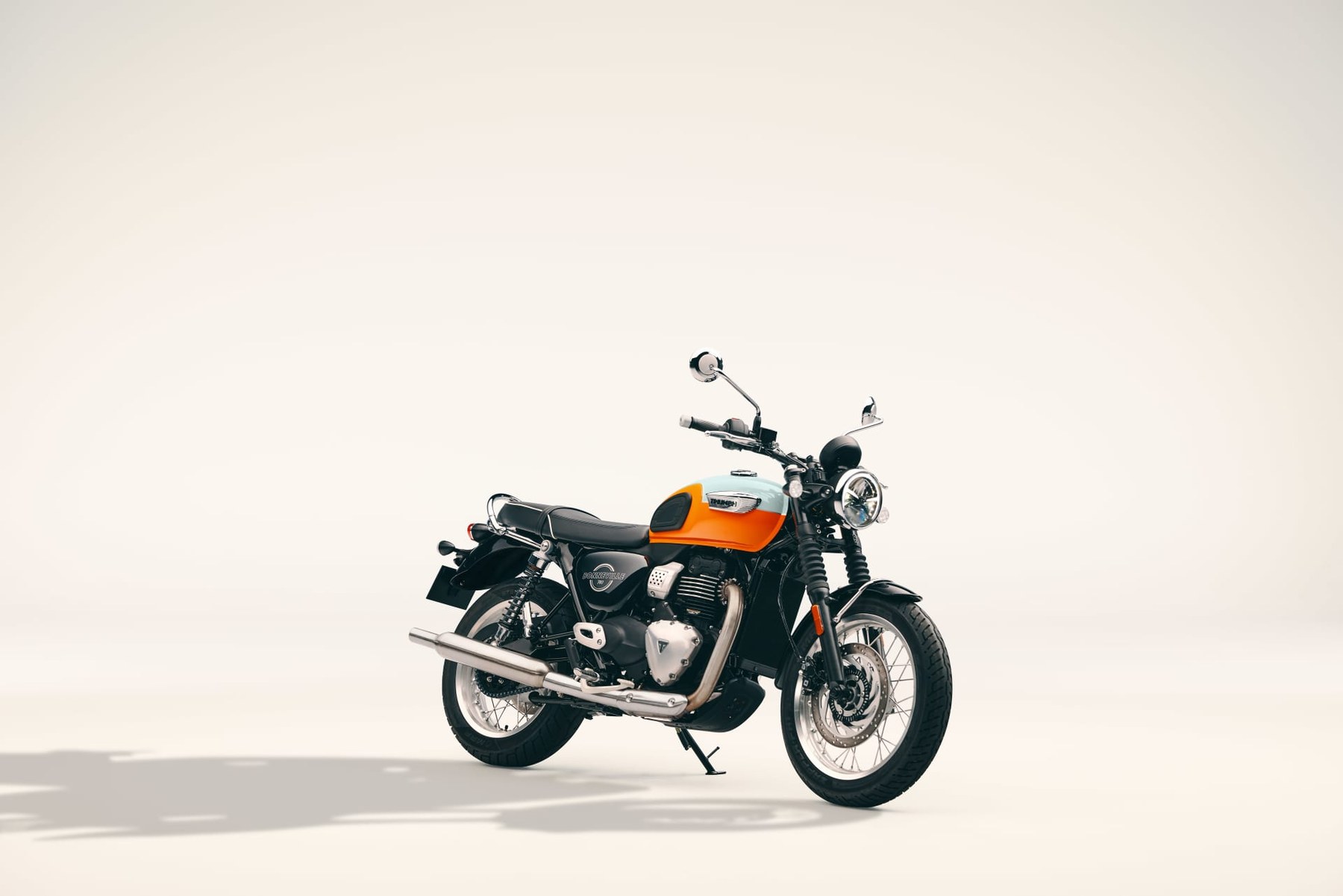
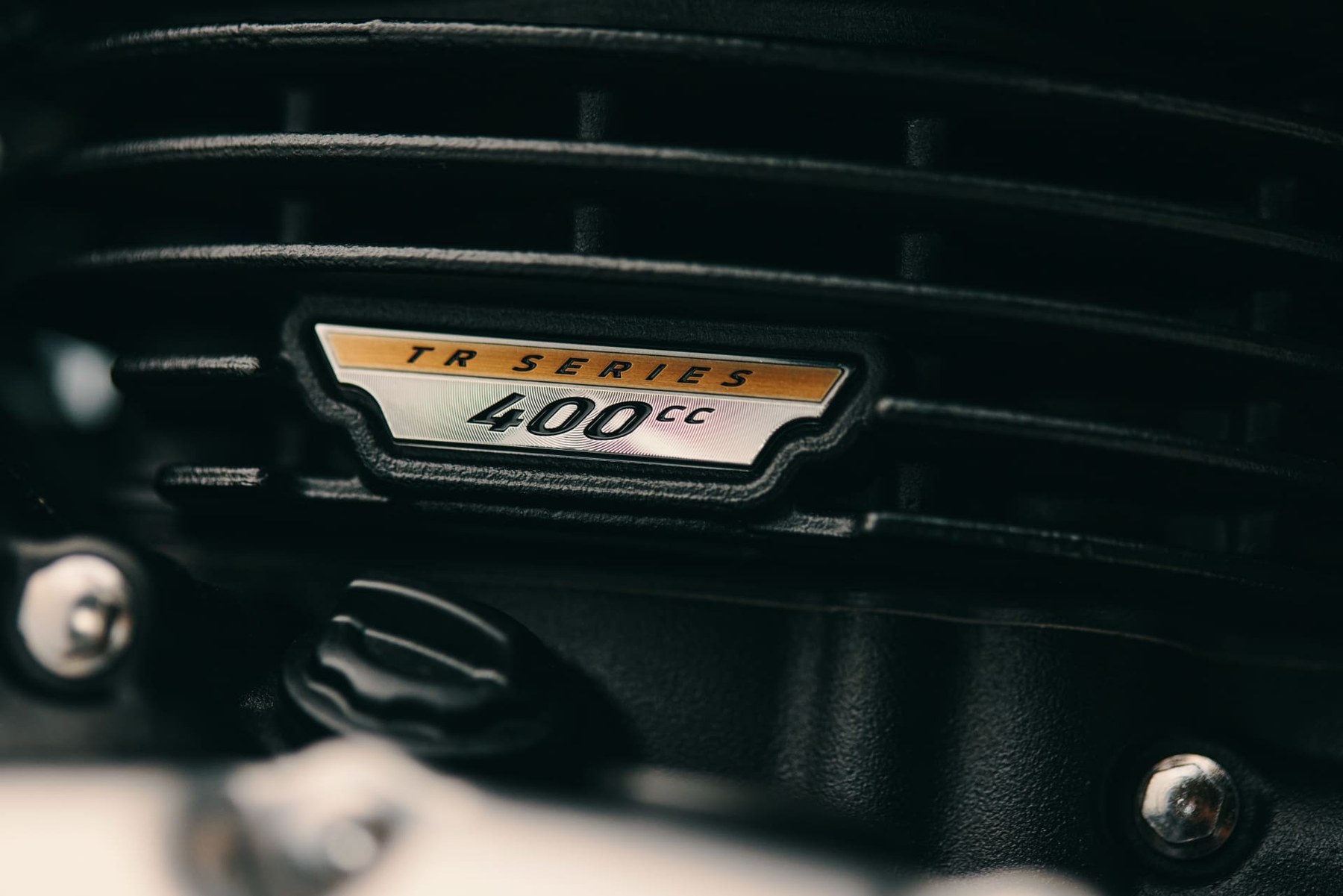
Triumph revealed the Bonneville T40 and T40 Black this morning, and the headline is simple enough: the most accessible Bonneville the company has ever built, a single-cylinder bike wearing the badge that has carried Triumph since 1959. The press release describes it as "a dedicated version of Triumph's 400cc TR Series engine" with "a unique engine tune developed exclusively for the Bonneville." The engine badge on the side of the bike, photographed for the global press pack, reads TR SERIES 400cc.
"Our ambition for the T40 and T40 Black was not simply to create a smaller Bonneville, but to create a motorcycle that delivers the style, character and ownership experience riders expect from a genuine Bonneville." — Steve Sargent, Chief Product Officer, Triumph Motorcycles
Put Triumph's two national spec sheets side by side, though, and the T40 is two different motorcycles. The British site lists 398 cc, a bore and stroke of 89.0 by 64.0 mm, 12:1 compression, 32 PS / 30 bhp (22.8 kW) at 7,000 rpm and 36 Nm at 5,000 rpm, 191 kg wet. The Indian site, for a bike that went on sale the same morning, lists 350 cc, a bore and stroke of 89.0 by 56.1 mm, 12.1:1 compression, 29 PS / 29.1 bhp (21.3 kW) at 7,000 rpm and 31.2 Nm at 5,500 rpm, 195 kg wet.
The bore is identical on both. The stroke is not: 64.0 mm in Britain, 56.1 mm in India. That is a 7.9 mm shorter stroke on a shared cylinder bore — the cheapest and most conventional way to drop an engine family into a lower displacement class without redesigning the architecture around it. Triumph is not quietly detuning the same engine for one market. It built a second crank throw and the 48 cc went with it.
Why bother is not mysterious. In India, 350 cc is not an engineering number, it is a market. Royal Enfield's Classic 350 defines the segment, Honda's CB350 range sits in it, Jawa's 350 sits in it, and the whole category carries an identity that a 398 cc bike is outside of regardless of how it rides. The T40 lands there at ₹2,79,999 ex-showroom Delhi, with the lower-specification T4 — smaller rear tyre, colour LCD rather than TFT, no cruise control, no IMU — at ₹2,54,999. Bookings open on Tuesday afternoon; first deliveries are expected in the second week of November, with the T4 following in January.
That makes the T40 the most expensive bike in its Indian class by a clear margin, which is the gamble. What Triumph is selling against Royal Enfield is not displacement and not price, but the equipment list. Both versions get a four-inch circular colour TFT display with full smartphone connectivity including navigation, phone and music control; five riding modes; cruise control; lean-sensitive Optimised Cornering ABS and Optimised Cornering Traction Control; full LED lighting. An IMU-based cornering ABS system on a retro single at this money is genuinely unusual, and Triumph says so plainly, calling it "a level of functionality and rider assistance normally associated with larger-capacity motorcycles."
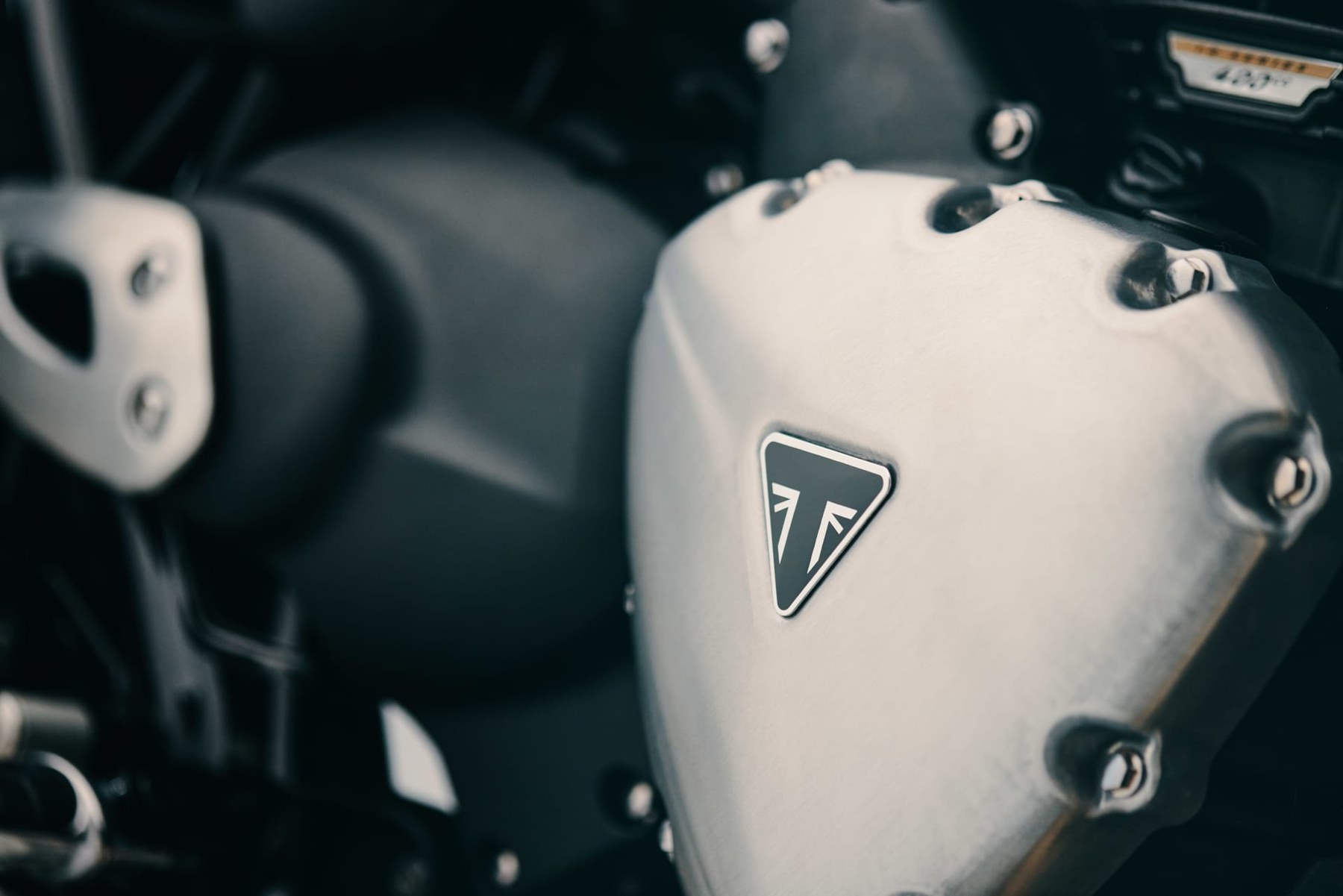
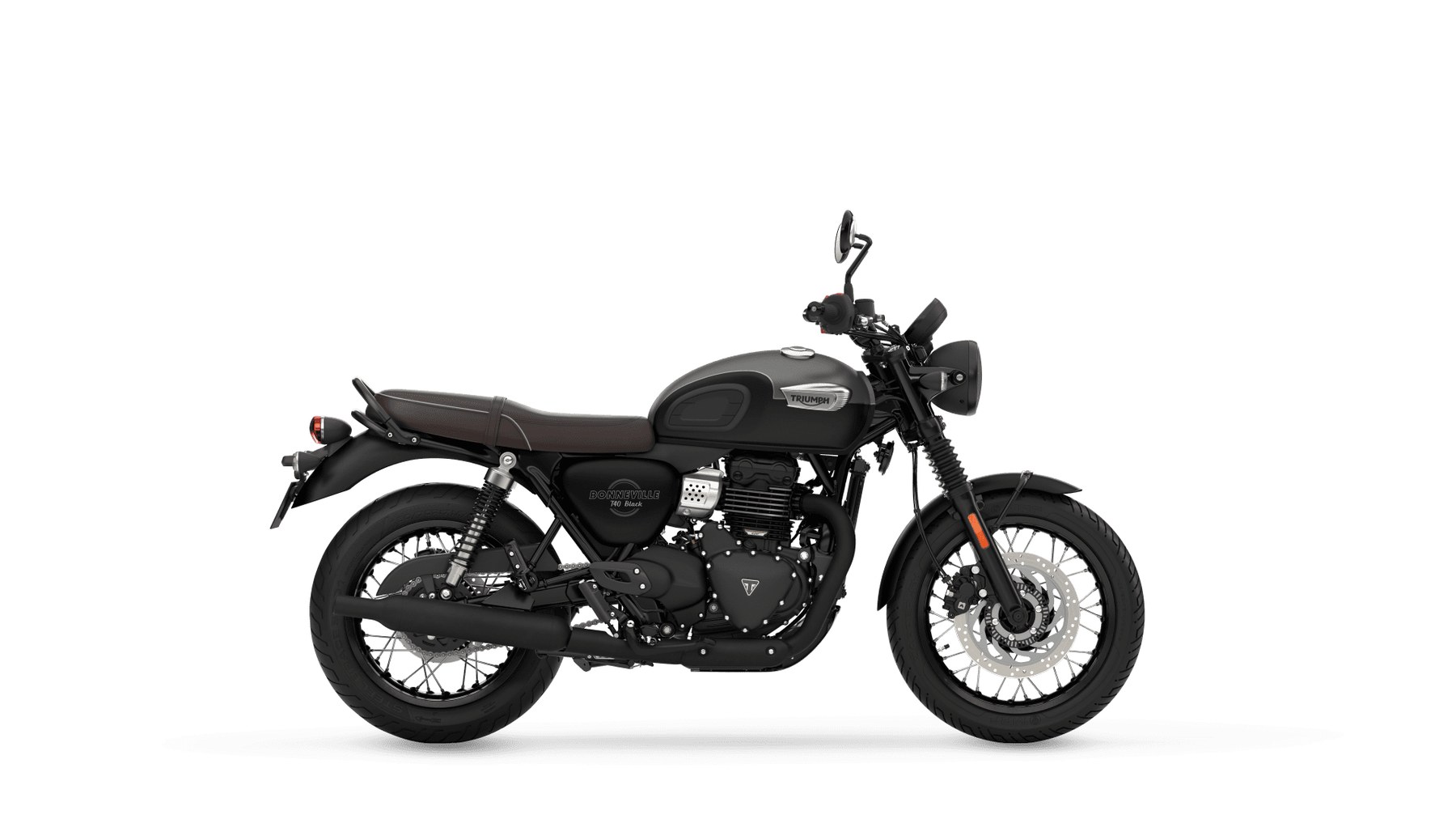
The rest is Bonneville costume, executed carefully. Teardrop tank, round headlight, twin shocks with preload adjustment, 43 mm telescopic forks, 130 mm of travel at both ends, an 18-inch spoked front and 17-inch spoked rear on aluminium rims, a 310 mm front disc with a twin-piston axial caliper and a 255 mm rear. Hand-painted coach lining on the tank. Brushed peashooter silencer. Classically shaped aluminium engine covers. Seat height is 790 mm, dropping to 770 mm with an accessory low seat, and the fuel tank holds 14.5 litres. The standard T40 comes in three two-tone schemes — Aegean Blue and Fusion White, Meriden Blue and Tangerine Orange, New England White and Jet Black — while the T40 Black is a single Matt Pewter Grey and Matt Phantom Black combination over the same hardware.
The engineering partner is the one Triumph has used since the Speed 400 arrived: Bajaj, in India, which has built the 400 cc platform from the start. Steve Sargent, Triumph's Chief Product Officer — the man who led the company's entry into the 400 cc segment with Bajaj in the first place — framed the project in the launch release as a question of obligation rather than opportunity. "The Bonneville is one of the most significant motorcycles in Triumph's history, so introducing a new model carrying that name comes with a responsibility to get it right," he said. "From the outset, our ambition for the T40 and T40 Black was not simply to create a smaller Bonneville, but to create a motorcycle that delivers the style, character and ownership experience riders expect from a genuine Bonneville. Bringing that experience to more riders is strategically important for Triumph, particularly as lower-capacity motorcycle categories continue to grow around the world."
He also named the constraint directly. "Working closely with Bajaj, we challenged ourselves to retain the details and qualities that make a Bonneville special, from the proportions and finish to traditional touches such as hand-painted coach lining, while also introducing a level of technology and rider-focused innovation not previously seen in this category."
For American buyers the practical answer is: wait. Triumph has said the T40 reaches US dealerships in late spring 2027 and that it will not publish an MSRP until early next year. The 398 cc version is the one that matters in Europe, where 32 PS sits inside the A2 licence ceiling with room to spare, and it is the version the US will get. Nobody outside India will have to think about the 350.
But the split is worth noticing anyway, because it is the shape of how this segment now works. A British brand, an Indian manufacturing partner, one engine architecture, and two displacements chosen not by what the engine wants to be but by what each country's buyers and tax tables have decided a motorcycle of this kind should measure. The badge on the crankcase says 400cc in both places. Only one of them means it.
The T40 is also the first of four. Triumph has published a reveal calendar running to the end of the year: a new Tiger 1200 on 27 October, the Street Triple 798 on 17 November, and a substantially revised Tiger 900 on 15 December.
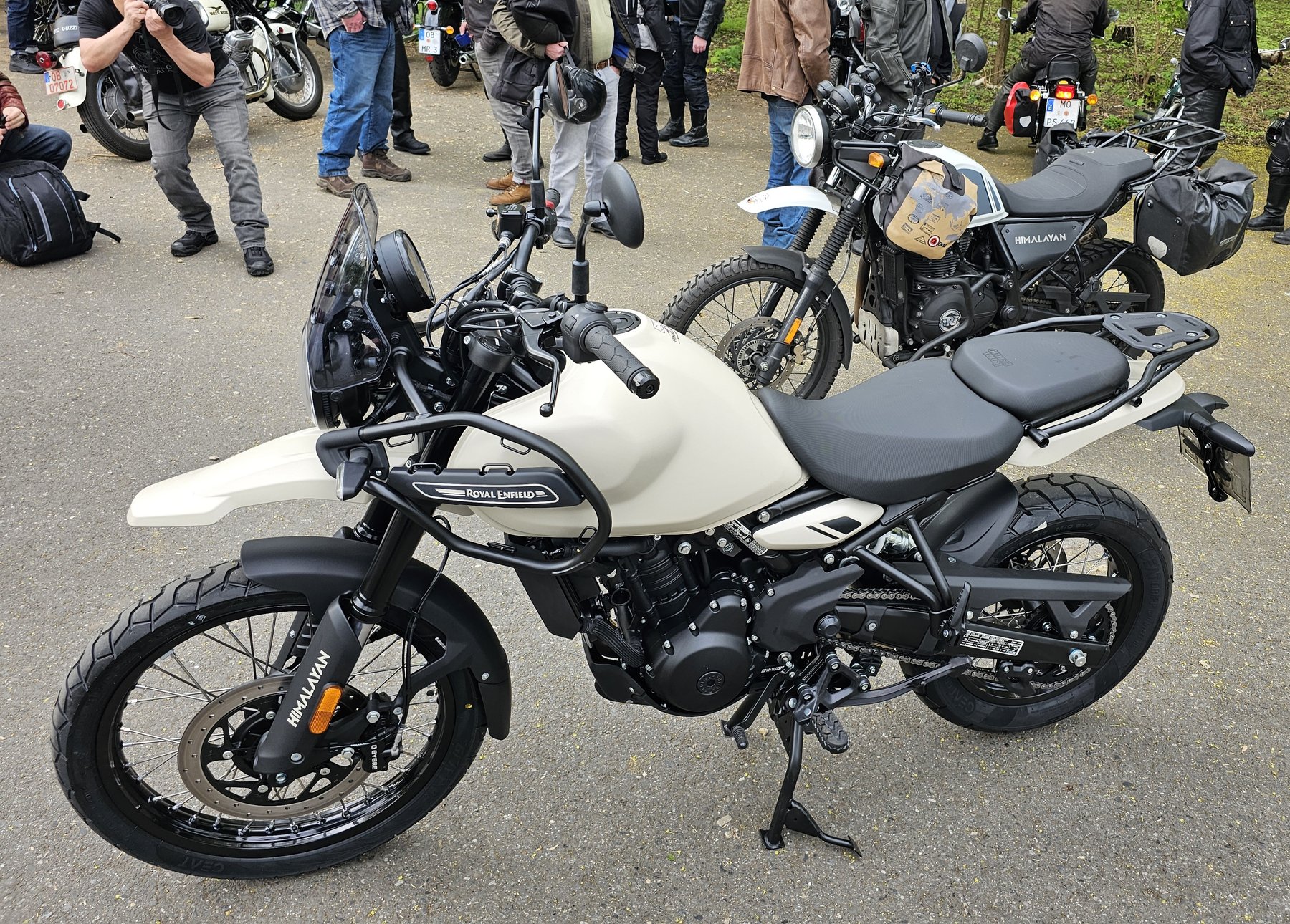
Royal Enfield's Himalayan 750: What's Actually Confirmed, and What's Still Just a Spy Shot
Undisguised bikes badged “750” have been filmed in Uttarakhand, and EICMA opens in a month. But Royal Enfield still hasn't published a single number for this motorcycle — and the 60 hp figure doing the rounds is an estimate, not a spec.
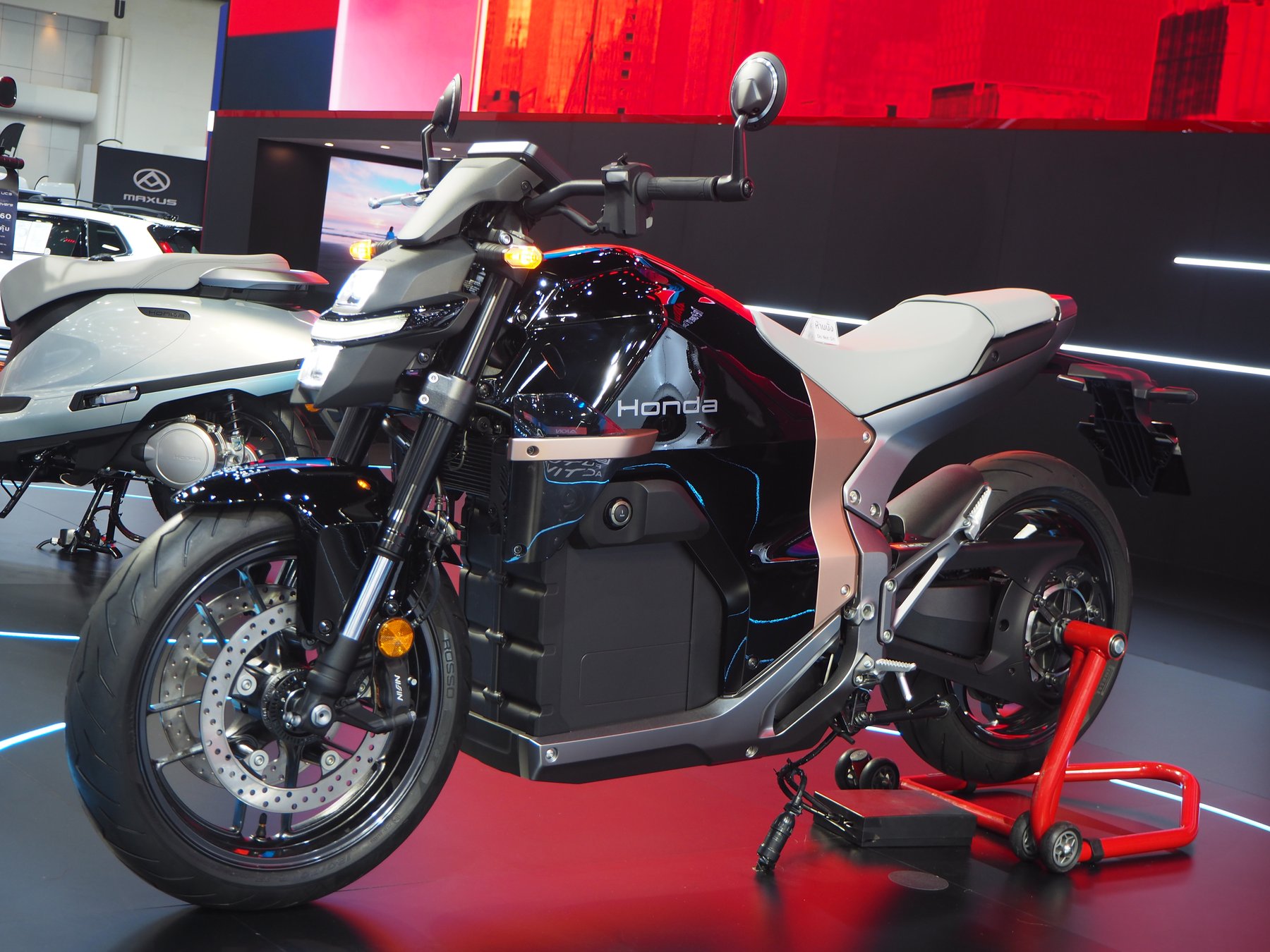
Honda's First Real Electric Motorcycle Carries 9.3 kWh. Here's What That Actually Buys You.
The WN7 is in European dealers now at £12,999, with a peak of 50 kW, a battery case that doubles as the frame, and a claimed 140 km. Honda built the bike well. The arithmetic is the hard part.
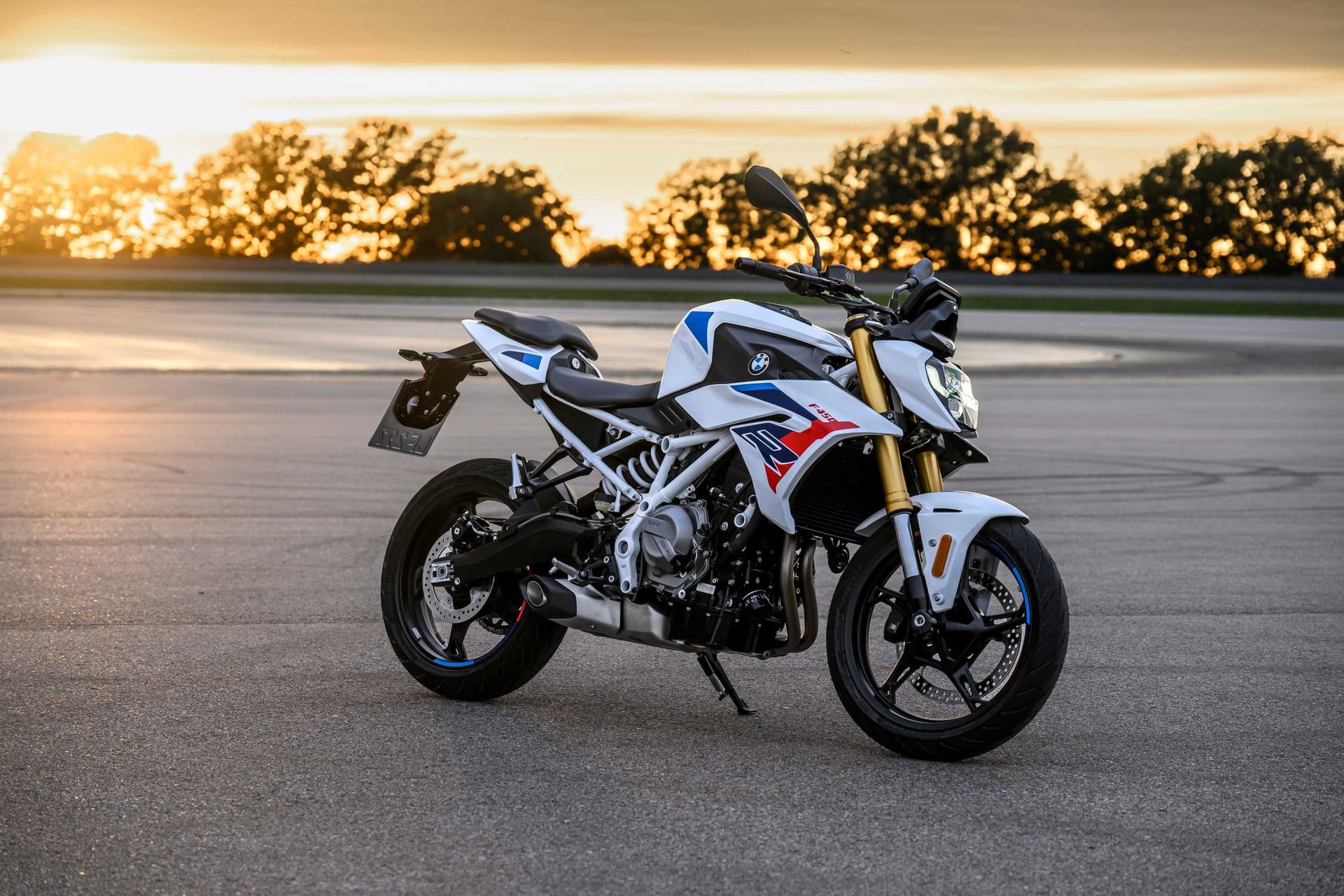
BMW Built the F 450 R Exactly to the A2 Ceiling
48 hp and 175 kg is not a coincidence. Europe's A2 licence caps power at 35 kW and power-to-weight at 0.2 kW/kg, which means a full-power A2 bike has to weigh at least 175 kg — and BMW's new naked twin lands on both numbers.