
The Impossible Race: How a Buffalo-Built Car Won a Trip Around the World in 1908
Six cars from four nations set out from Times Square to drive to Paris — the long way, through Alaska, Japan, and Siberia. Only three finished, and the winner didn't cross the line first.
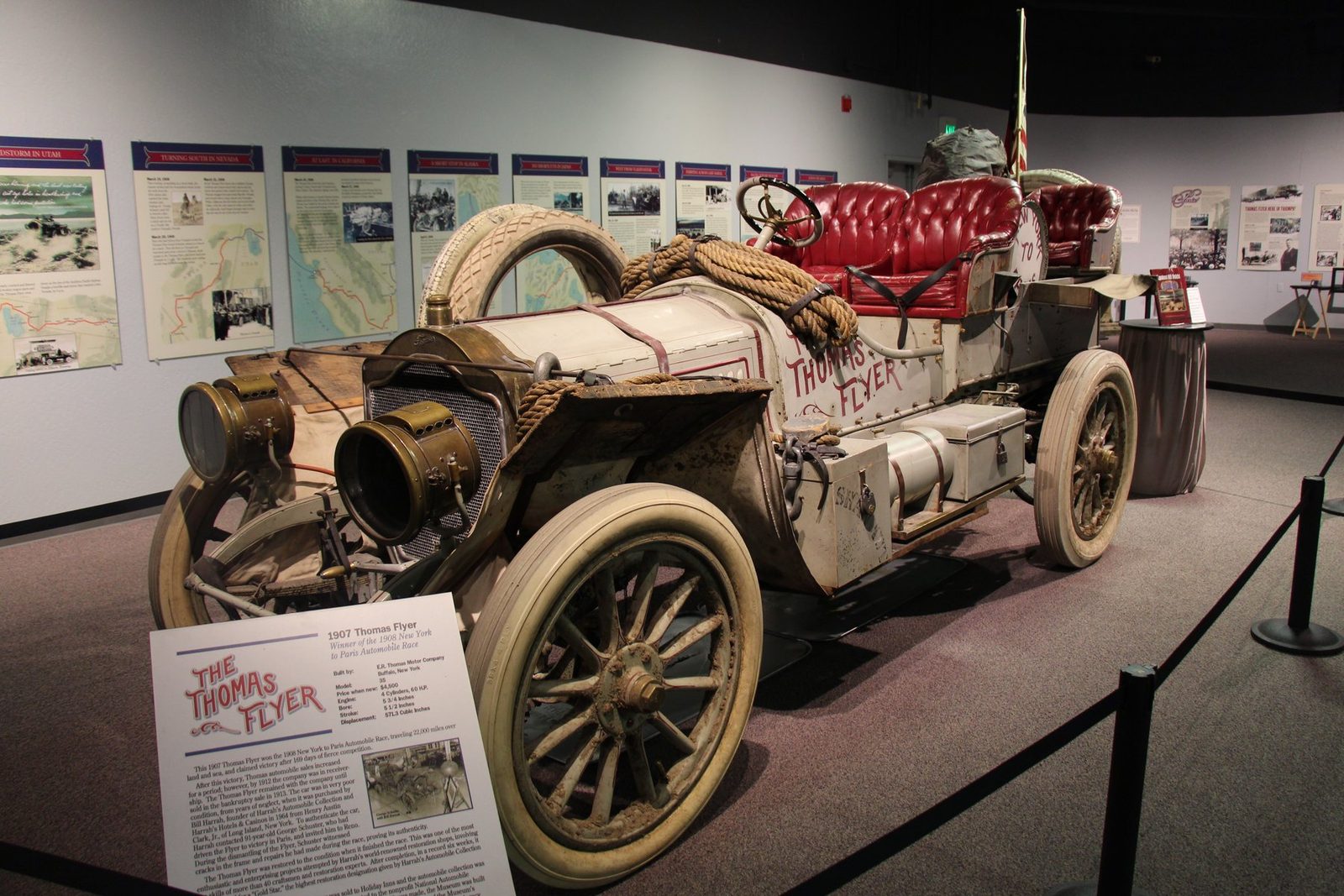
At 11:15 on the morning of February 12, 1908, a gunshot sent six automobiles rolling out of Times Square and onto a route that had no real precedent: New York to Paris, by road, ship, and whatever passed for a road in Siberia. The contest was co-sponsored by two newspapers, The New York Times in New York and Le Matin in Paris, which turned the event into a running front-page serial for the five and a half months it took to settle. Three French cars — a De Dion-Bouton, a Motobloc, and a Sizaire-Naudin — represented France, joined by Italy's Züst, Germany's Protos, and a single American entry built by the E.R. Thomas Motor Company of Buffalo, New York: the Thomas Flyer, a 1907 Model 35 with a 60-horsepower four-cylinder engine and a sticker price of $4,500.
The plan, as drawn up by race organizers, called for the cars to drive west across the United States in the dead of winter, cross into Alaska, and somehow traverse the frozen Bering Strait into Siberia before continuing overland to Paris. Antifreeze did not yet exist, so crews drained their radiators every night to keep the water from splitting the engine blocks, then refilled them each morning before setting off again. Paved roads largely ran out west of the Mississippi; teams pushed cars out of mud, snow, and washed-out trails as often as they drove them. The Thomas Flyer's crew, led by driver George Schuster, is generally credited as the first to take an automobile across the United States in winter.
The Bering Strait crossing turned out to be exactly as impossible as it sounds. After reaching San Francisco and shipping the Flyer north, the American team found Alaska impassable and the plan for an ice crossing abandoned altogether. Organizers rerouted the survivors by steamer to Japan, and from there by ship again to Vladivostok, Siberia, to begin the long overland haul across Russia toward Berlin and Paris. Only three of the original six cars — the Thomas Flyer, the German Protos, and the Italian Züst — would make it that far at all.
The finish produced the race's strangest wrinkle. The Protos actually reached Paris four days ahead of the Flyer, but the rules committee had already assessed it a combined 30-day penalty: 15 days for shipping the car partway to Vladivostok by rail rather than driving it, and another 15 days for missing roughly 1,000 miles of the prescribed U.S. route. The Flyer, by contrast, had been driven every mile by its own crew. When the penalty was applied, the American car was declared the winner by 26 days, arriving in Paris on July 30, 1908, after 169 days and roughly 22,000 miles of driving and sea crossings — a scoring decision as much as a race finish, and one that still defines how the result is remembered.
George Schuster was, by his own account, an unlikely hero. He'd joined the E.R. Thomas Motor Company in 1902 building tubular radiators and worked his way up to troubleshooter, the man who oversaw final assembly and delivered finished cars to buyers. He was the only member of the American team present for the entire run from Times Square to Paris, and he later wrote about the ordeal in a 1966 memoir, "The Longest Auto Race." In 2010, decades after the fact, the Automotive Hall of Fame formally inducted him for the drive.
Victory did little for the company that built the winning car. Thomas automobile sales bumped up briefly after the win, according to the National Automobile Museum's own account of the vehicle's history, but by 1912 the E.R. Thomas Motor Company was in receivership, and it was sold off at a bankruptcy auction the following year. The Flyer itself disappeared into private hands and years of neglect before Bill Harrah, the casino magnate and car collector, tracked it down and bought it in 1964 from a Long Island collector. To confirm the battered car in front of him was really the race winner, Harrah's team located Schuster — then 91 years old — and brought him to Reno to inspect it; Schuster identified cracks and welds in the frame from the original 1908 repairs, authenticating the car before Harrah's shop restored it.
That restored Thomas Flyer is still on public display today, at the National Automobile Museum in Reno, Nevada, which grew out of the Harrah collection. In 2016 it was entered into the Historic Vehicle Association's National Historic Vehicle Register, a documentation program that places its full engineering and historical record in a permanent federal archive at the Library of Congress — putting a 1907 Buffalo-built touring car, mud-caked lettering and all, in the same national record as the country's other landmark buildings and structures. More than a century after the fact, it remains one of the only surviving competitors from a race organizers themselves once called the most grueling test ever devised for a man and a machine.
Fifty Years Since Bergwerk: The Crash That Ended Formula 1's Deadliest Circuit
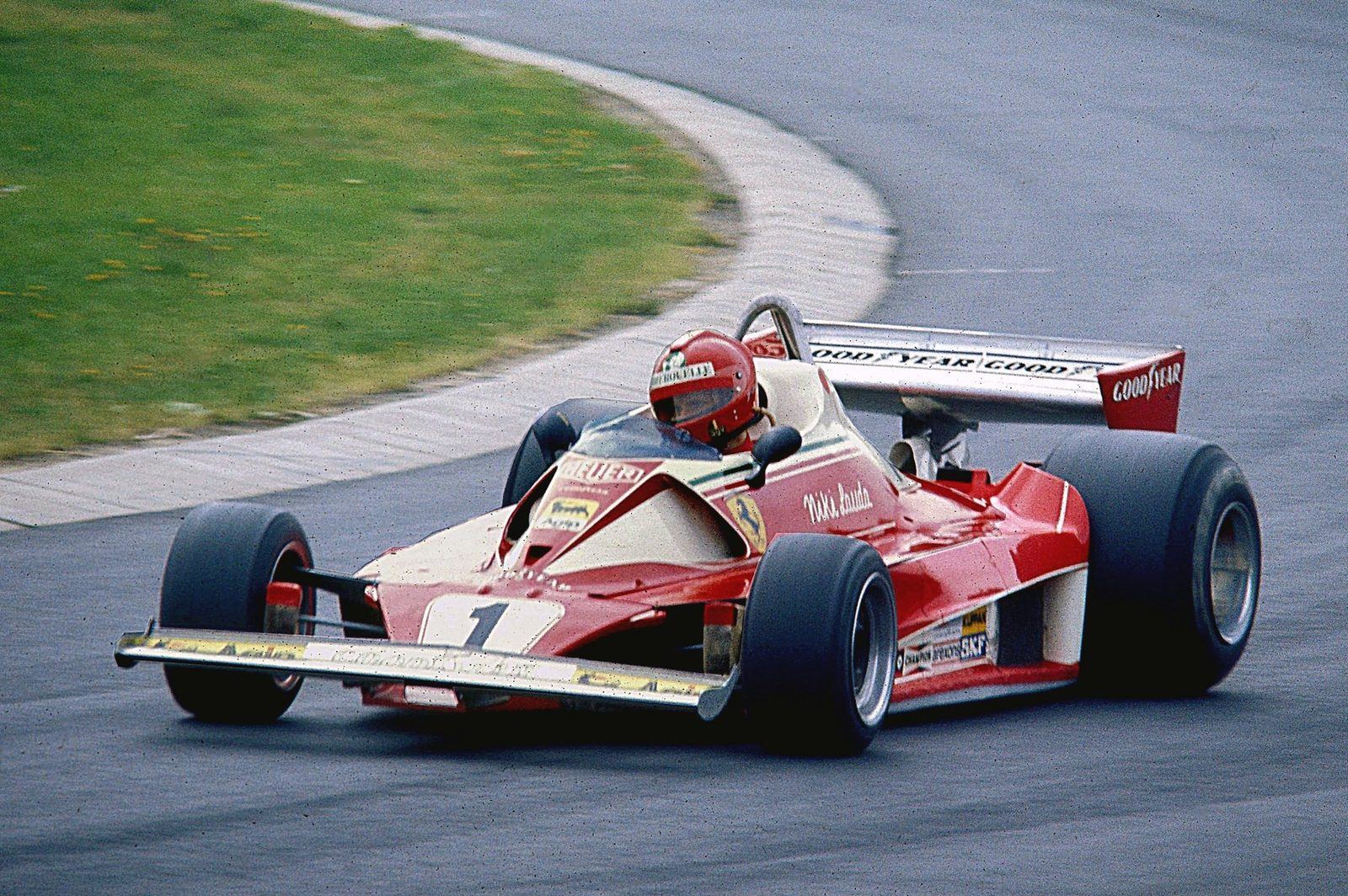
On August 1, 1976, Niki Lauda's Ferrari caught fire on the Nürburgring Nordschleife. He survived, nearly won the title anyway, and the sport never raced a championship round on the full circuit again.
The 75th Pebble Beach Concours Is Giving Japanese Le Mans History Its Own Class
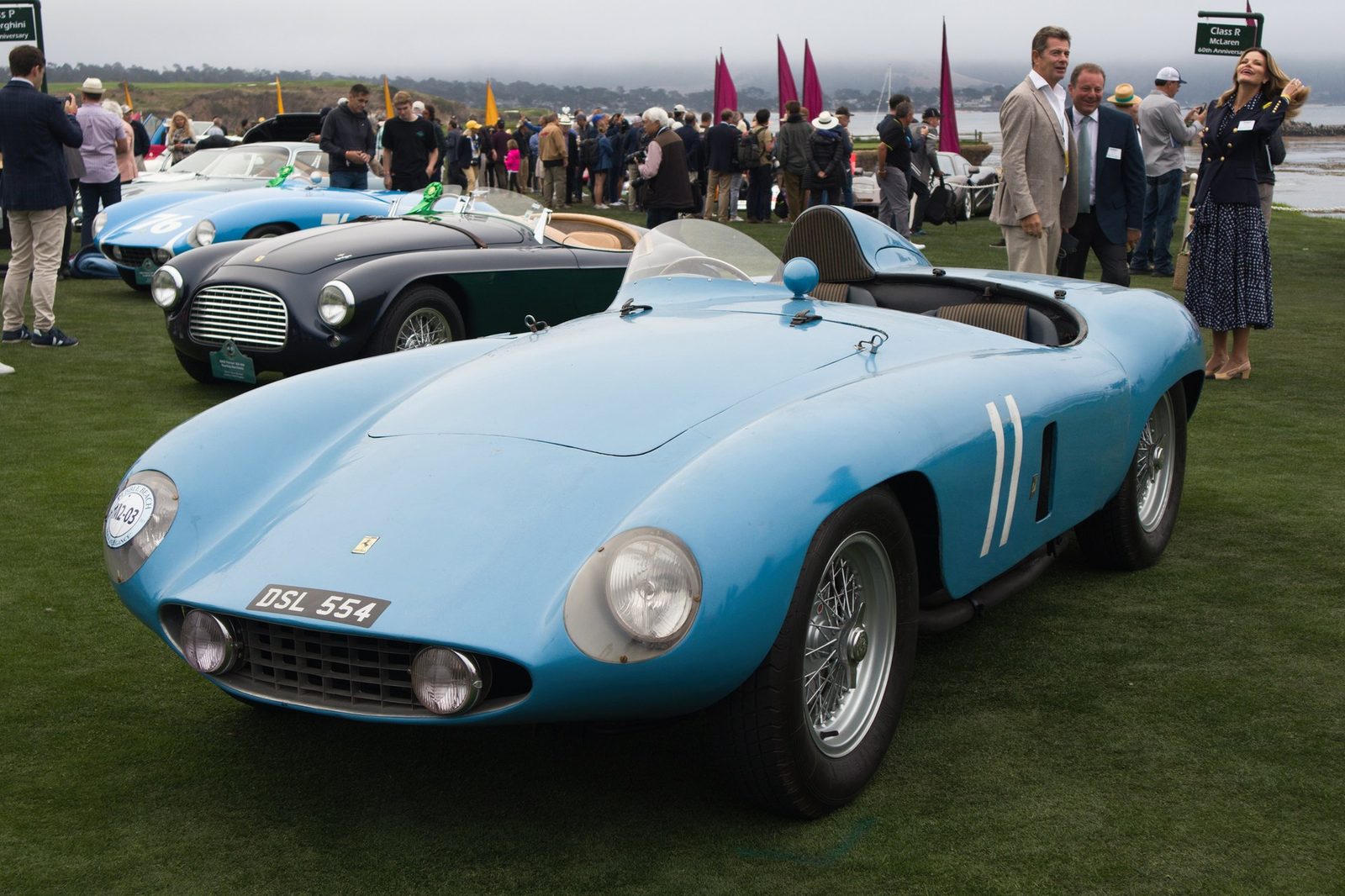
Ferrari headlines the 2026 field as the diamond-anniversary featured marque, but a new class built around Mazda, Toyota, and Nissan's Le Mans campaigns says as much about where the world's most tradition-bound car show is headed as any of the six-figure restorations parked on the 18th fairway.
Renault Put a Championship-Winning F1 Engine in a Minivan
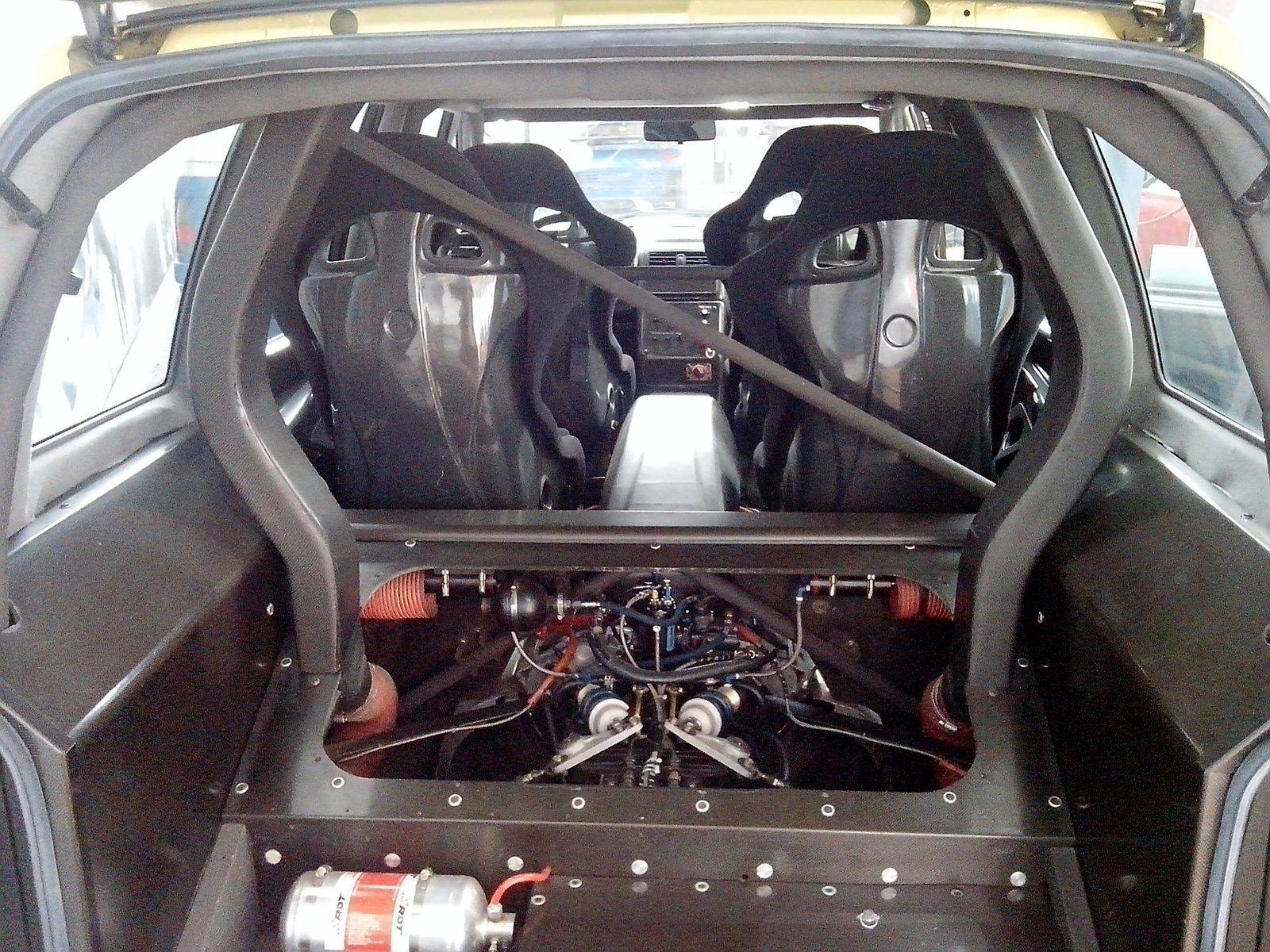
To celebrate the Espace's 10th anniversary, Renault and Matra built one with a genuine 820-horsepower Williams Formula 1 V10 in the back. It still exists.