
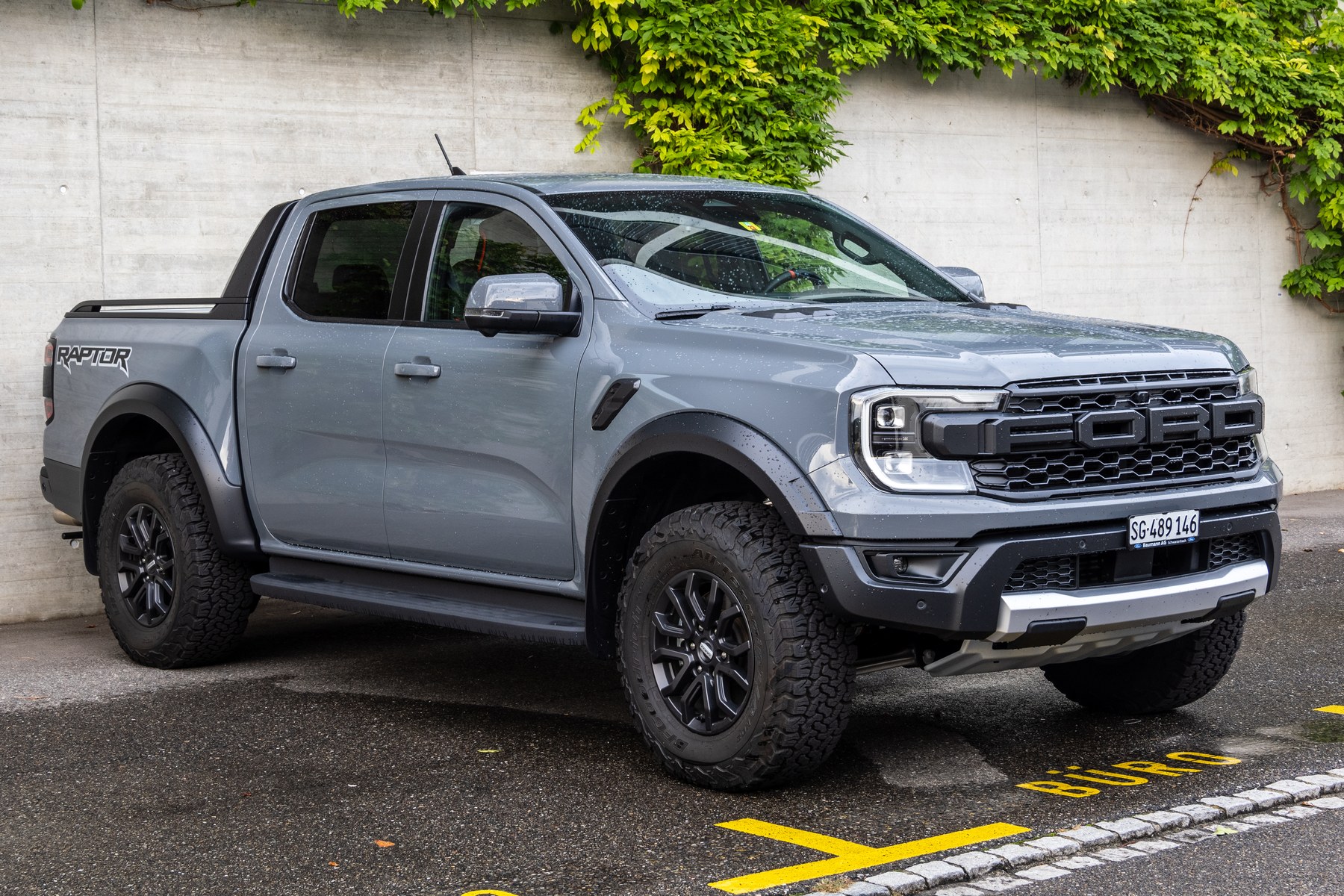
The Rebelle Rally Bans GPS. A Bone-Stock Ranger Raptor Just Won It Outright.
Eight days of competition, 2,620 kilometres across Nevada, Utah and California, 21 paper maps and more than 200 hidden checkpoints. Laura Wanlass and Teralin Petereit scored 91 per cent of the available points in a showroom-spec truck and handed Ford the overall win it had never had.
- Event
- 11th Rebelle Rally
- Dates
- 7-17 October 2026, eight competition days plus prologue
- Start
- Las Vegas Motor Speedway
- Finish
- Glamis dunes, Imperial County, California
- Distance
- 2,620 km (organisers put it at just over 1,600 miles)
- States
- Nevada, Utah, California
- Navigation
- Paper map, compass and roadbook only - no GPS
- Maps
- 21
- Checkpoints
- More than 200
- Marathon stages
- 2
- Competitors
- 90, from 114 cities, 24 states and four countries
- Teams
- 45 starters (41 in 4x4, 4 in X-Cross), 45 finishers
- 4x4 winner
- Team 188 Utah Raptors - Laura Wanlass / Teralin Petereit - 2025 Ford Ranger Raptor - 1,533 pts (91%)
- 4x4 second
- Team 131 Team Velocity - Karisa Haydon / Trista Smith - 2024 Ford Ranger Raptor - 1,506 pts
- 4x4 third
- Team 110 Team SDHQ - Serena Pruett / Heather Eich - 2023 Ford Bronco Raptor - 1,475 pts
- Bone Stock Award
- Team 188
- X-Cross winner
- Team 200 MtnSubi - Carey Lando / Andrea Shaffer - 2025 Subaru Forester Hybrid - 1,411 pts (84%)
- 4x4 Rookies of the Year
- Team 128 - Racine Warner / Diane Walsh
- Founded
- 2016, by Emily Miller
The Rebelle Rally takes your phone at the start line. That is not a gimmick attached to an off-road race; it is the entire competition. There is no GPS, no trip computer feeding you a position, no satellite anything. What you get instead is 21 paper maps, a compass, a roadbook, a ruler and eight days to find more than 200 checkpoints scattered across Nevada, Utah and California. Driving fast is not scored. Finding things is.
Nothing in this rally rewards speed. The only thing it measures is whether you can find something nobody has told you how to reach.
The eleventh edition ran from 7 to 17 October, starting at Las Vegas Motor Speedway and finishing, as it always does, in the Glamis dunes in the bottom corner of California. Ninety competitors came from 114 cities, 24 states and four countries. Forty-five teams started. Forty-five teams finished — which, given that the organisers' own summary of the weather lists a hurricane, a flash flood, a mudfest and a sandstorm, is a statistic worth pausing on.
Team 188, the Utah Raptors — Laura Wanlass driving, Teralin Petereit navigating — won the 4x4 class and the rally outright with 1,533 points, 91 per cent of everything available. Team 131, Karisa Haydon and Trista Smith, finished 27 points back on 1,506, repeating their runner-up result from 2025. Team 110, Serena Pruett and Heather Eich, took third on 1,475. Wanlass and Petereit were in a 2025 Ford Ranger Raptor, Haydon and Smith in a 2024 Ranger Raptor, Pruett and Eich in a 2023 Bronco Raptor: an all-Ford podium, and by Ford Racing's own account the company's first-ever overall and 4x4 class victory at the event.
The detail that gives the result its weight is the Bone Stock Award, which went to Team 188 for the highest score in a completely unmodified vehicle. The official standings list both the winning truck and the second-place truck in the Stock class. The rally that just produced a Ford overall win did not produce it with a prepped competition vehicle — it produced it with a Ranger Raptor you could have driven off a forecourt.
That is less surprising than it sounds, because the Rebelle does not reward the things modification usually buys. A long-travel build and a set of tyres will not help you read a map at six in the morning, and they will not stop you from walking straight past a checkpoint you are almost standing on. Suspension and power only matter in the narrow sense that the truck has to still be working on day eight. The 4x4 field this year included a 2006 Porsche Cayenne S, a 1993 Land Rover Defender 110, a 2003 Discovery II and a 2004 Toyota Tacoma — and the Tacoma finished seventh overall, ahead of several far newer and far more expensive machines.
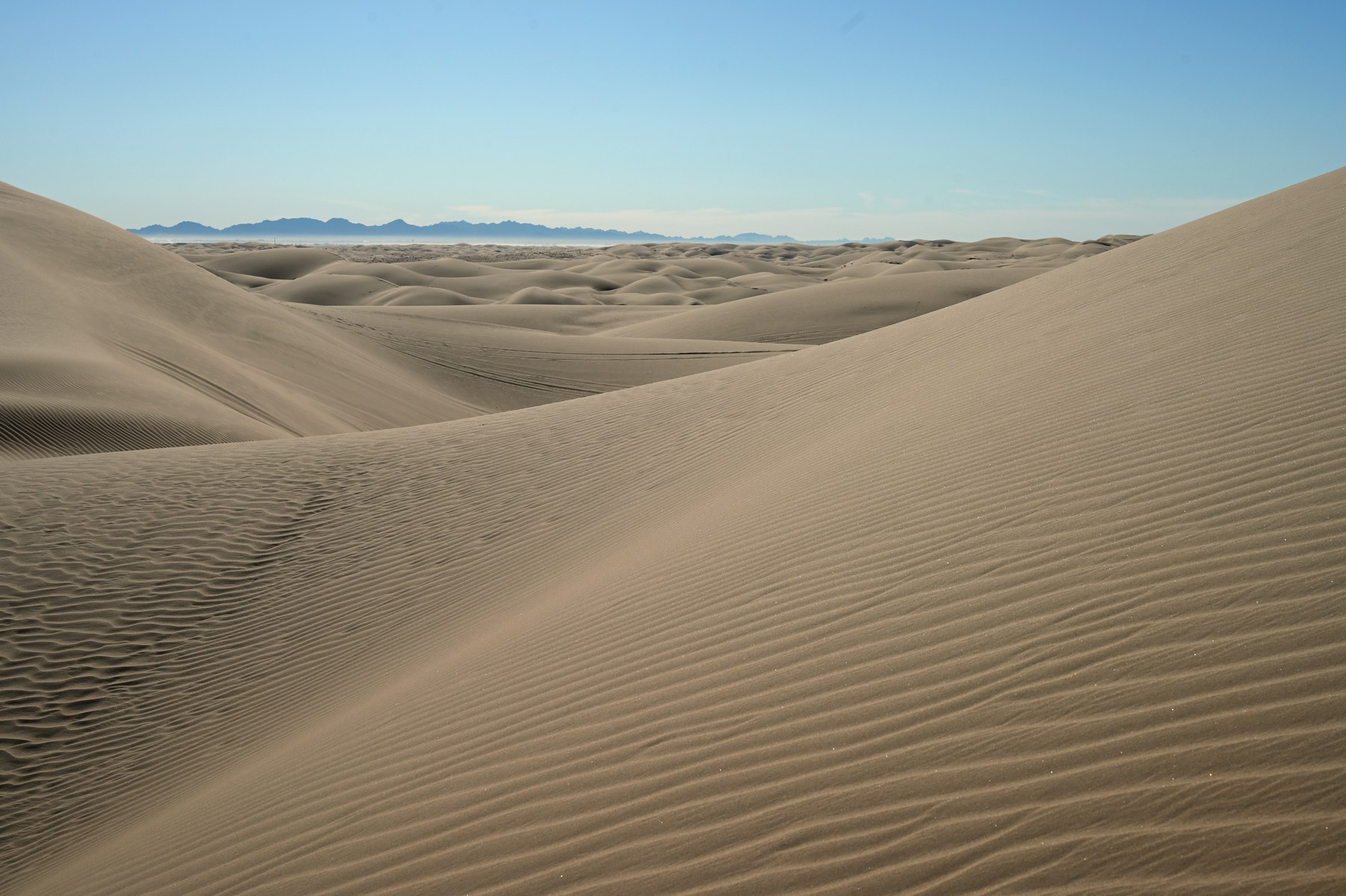
The scoring ran closer than the final margin suggests. Team 188 took the most points in class on days one, four, six, seven and eight, sharing day four with Team 155's Jenna Fribley and Liza Beres. Team 131 had day two. Team 129, Nena Barlow and Hurricane Felton, had day five. Day three produced something the organisers appear to have enjoyed reporting: a 16-way tie across both classes, with no day winner at all.
In X-Cross — the class for crossovers and soft-roaders, run on its own course and its own scoring — Carey Lando and Andrea Shaffer won for the third year running, taking 1,411 points, 84 per cent of the available total, in a 2025 Subaru Forester Hybrid. They finished 18 points clear of Kendra Miller and Tasha Krug. Felicia Killman and Erika Ferrer Lozano were third and took X-Cross Rookie of the Year, the two awards that most often go to the same crew in a class this small. In 4x4, Rookie of the Year went to Racine Warner and Diane Walsh on 1,386 points — a score that put them eighth overall in a field of 41, in their first attempt at any of it.
The event was founded in 2016 by Emily Miller, and the first edition is a useful measure of how much has changed. That year, 72 women started from Lake Tahoe, handed in their phones and GPS units, and covered about 1,200 miles across Nevada and California over seven days. Eleven runnings later the route is 2,620 kilometres — the organisers put it at just over 1,600 miles — and it has grown a second class, two marathon stages and a live scoring dashboard, without ever relaxing the one rule the whole thing is built on.
That rule is the reason this is a more interesting result than a factory press release makes it sound. Ford did not win the Rebelle Rally because the Ranger Raptor is quick. It won because two people in a standard truck spent eight days reading maps more accurately than 40 other crews, and because the truck was still running at the end of a week that included a flash flood. The manufacturer badge on the podium is real, and so is the thing it actually measures — which is not horsepower, and never has been.
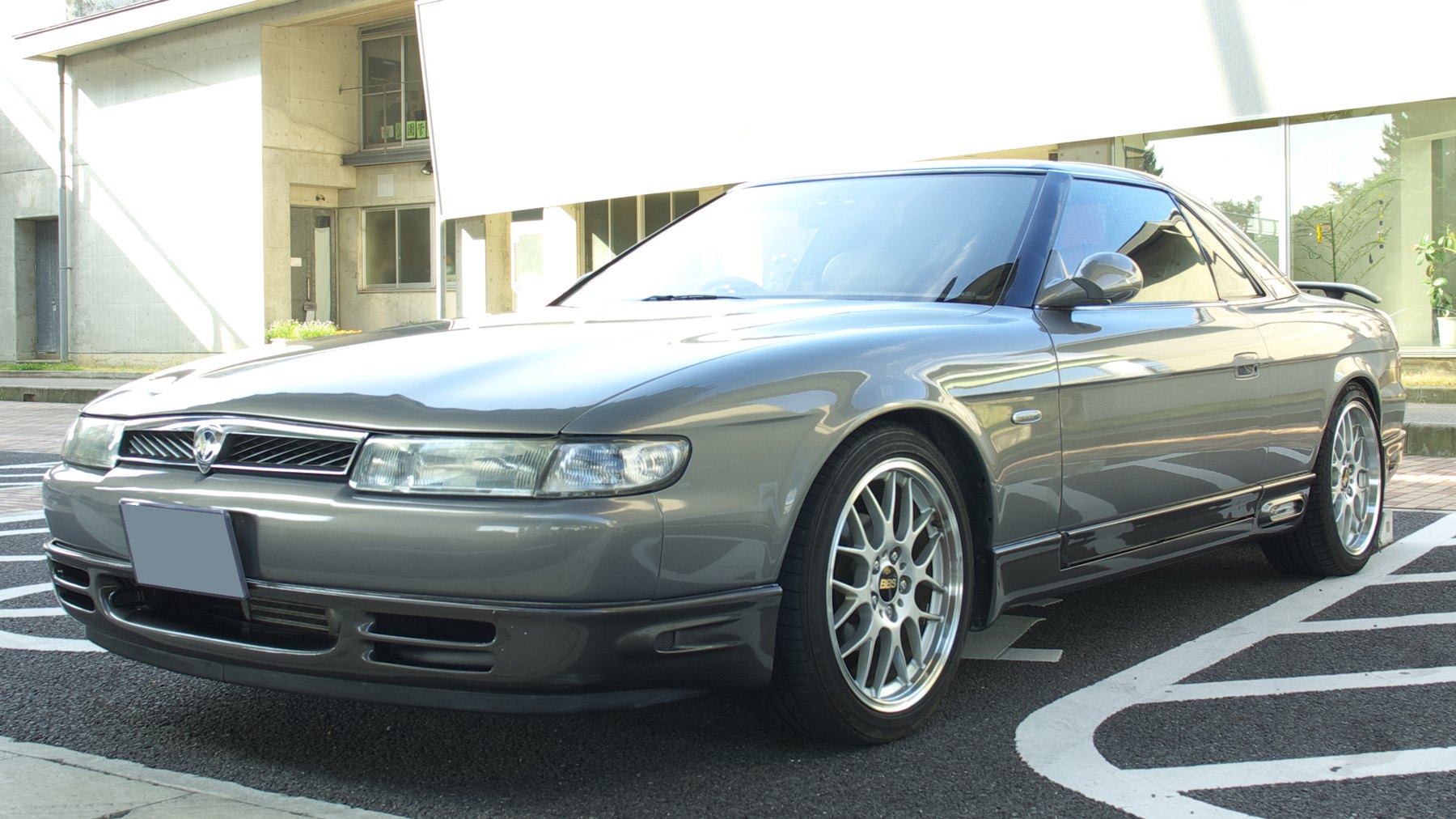
Mazda Built a Three-Rotor Coupe With Satellite Navigation in 1990. Japan's Economy Collapsed Two Months Later.
The Eunos Cosmo had the only triple-rotor engine Mazda ever sold, the first built-in GPS system in any production car, and an automatic gearbox. It was perfect, it was doomed, and almost nobody outside Japan has ever seen one.
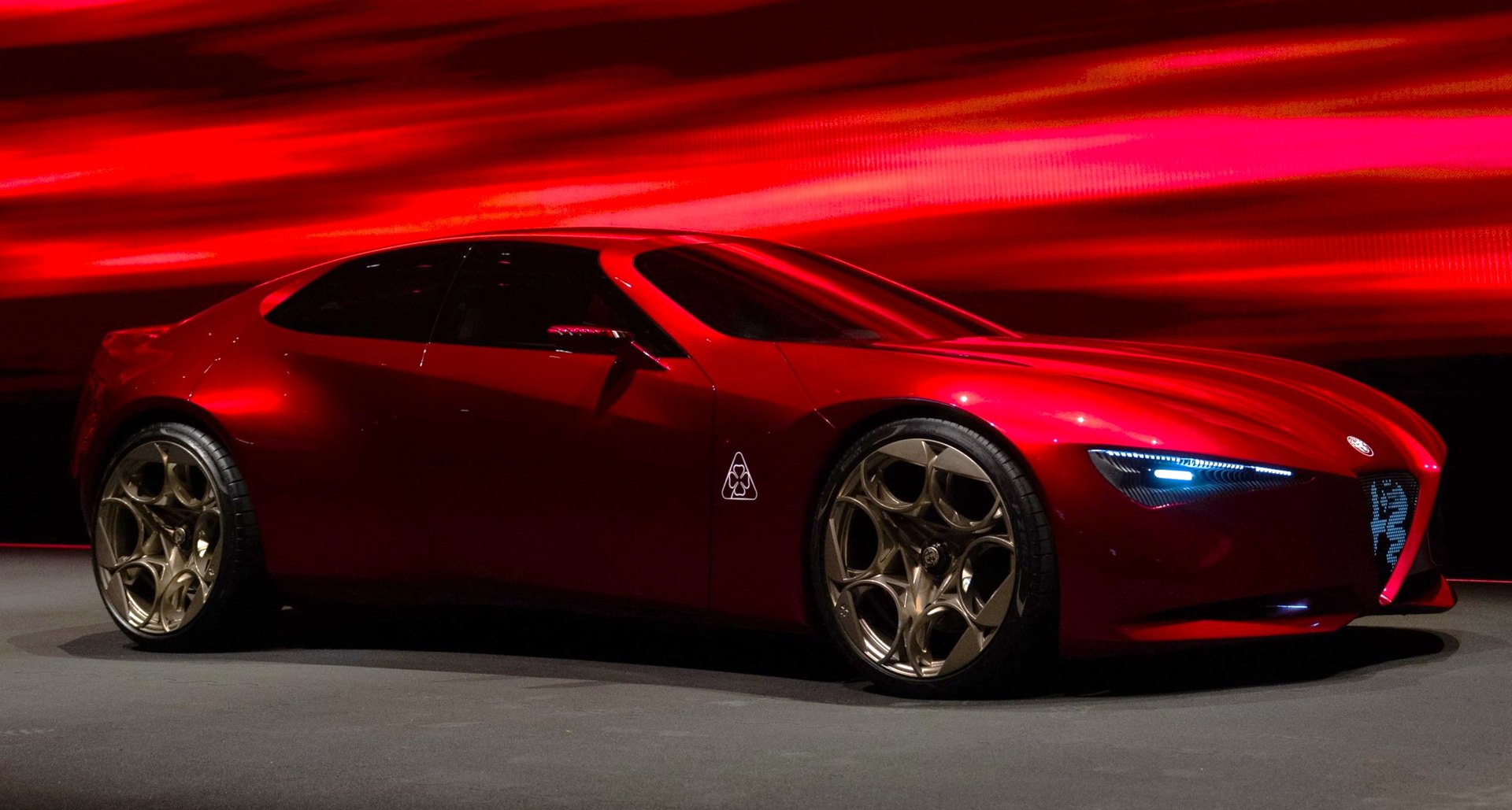
Alfa Romeo's Cuorerosso Ends in a Flat Wall, and That Is the Cleverest Thing About It
The Paris concept is 4.7 metres long, seats four, has no B-pillar and claims a 0.28 drag coefficient. The trick responsible for a good part of that number was worked out in a Stuttgart wind tunnel in 1936.
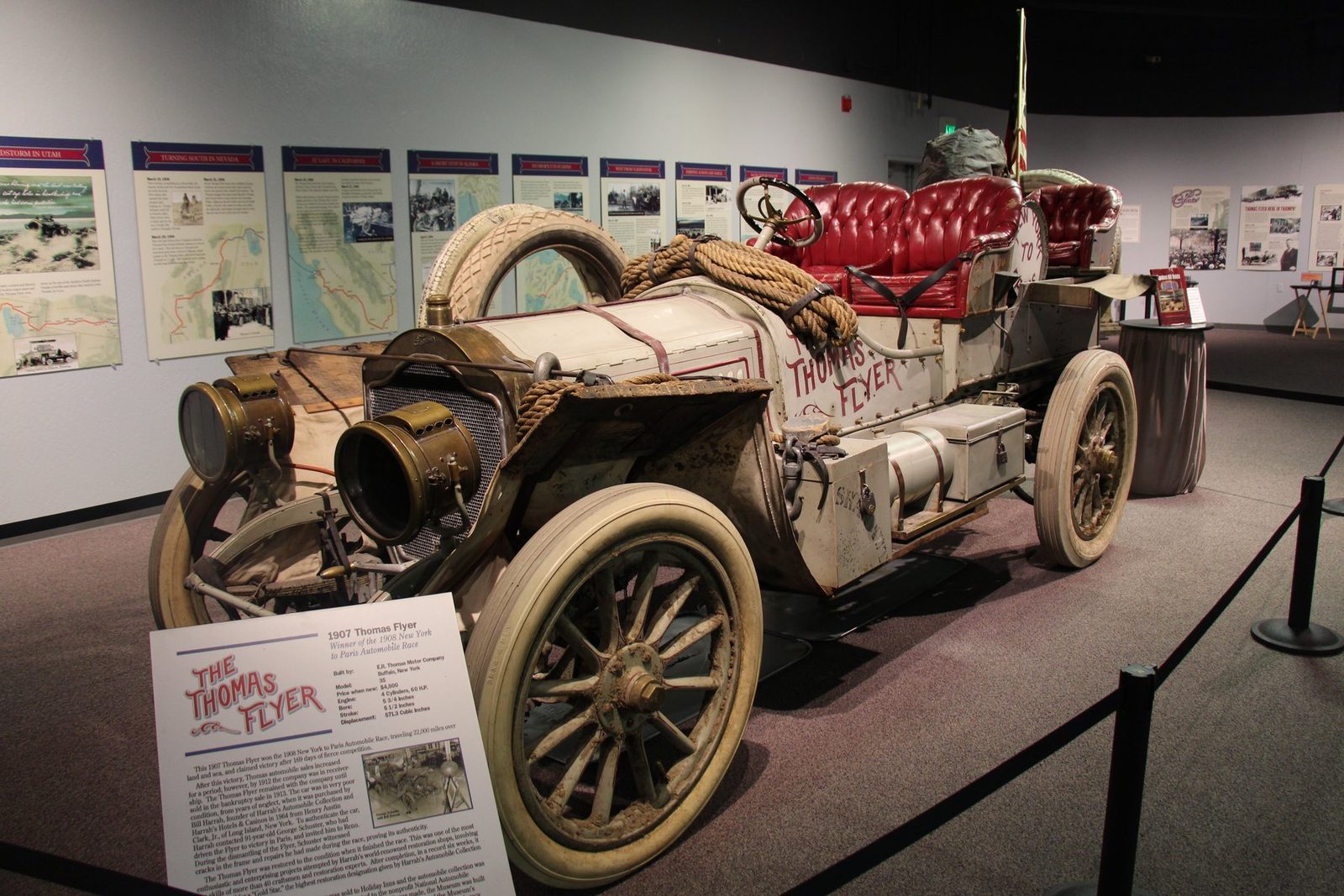
The Impossible Race: How a Buffalo-Built Car Won a Trip Around the World in 1908
Six cars from four nations set out from Times Square to drive to Paris — the long way, through Alaska, Japan, and Siberia. Only three finished, and the winner didn't cross the line first.