
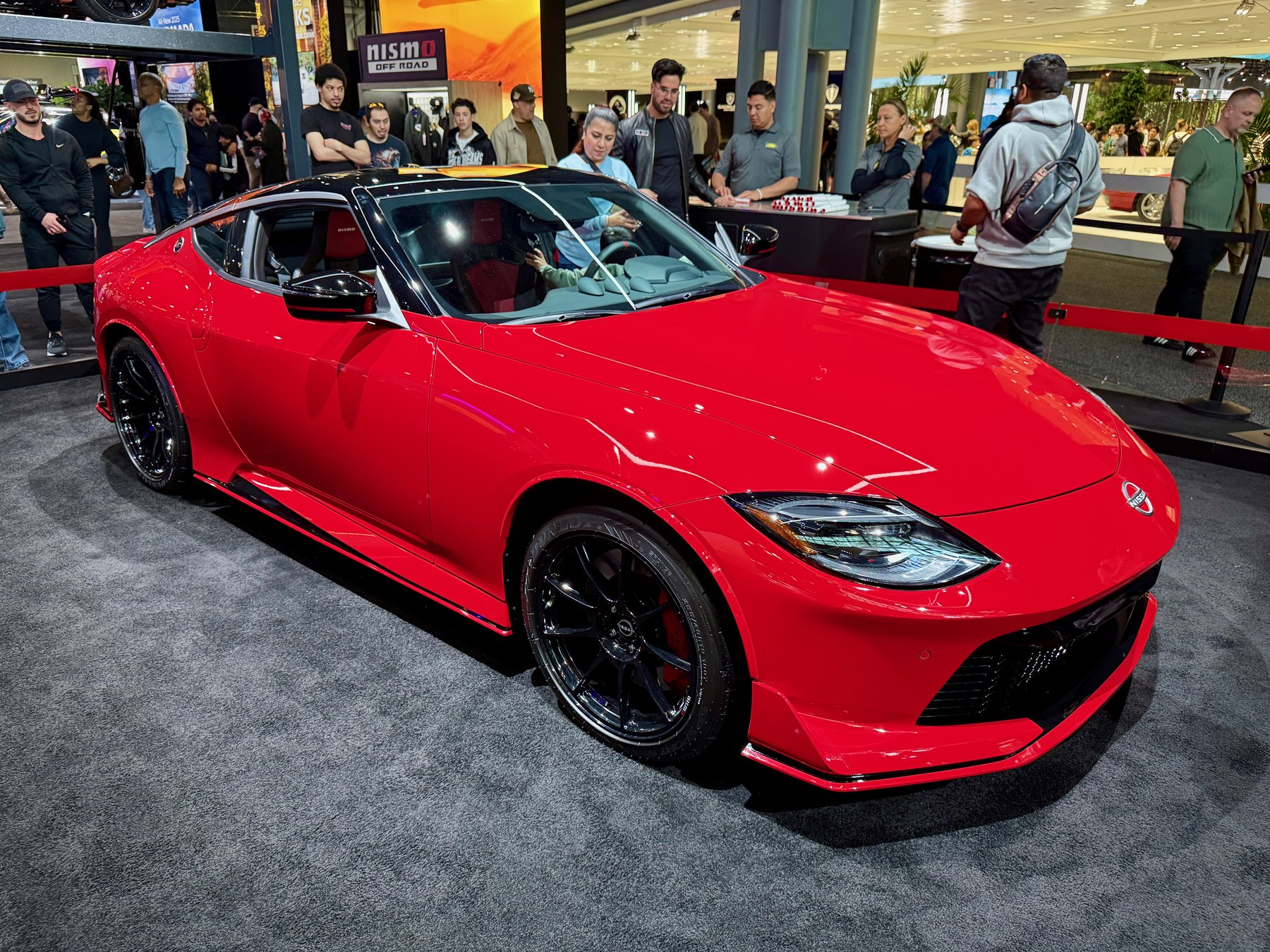
Nissan Finally Put a Third Pedal in the Z NISMO. Then It Made Sure Almost Nobody Can Buy One.
420 horsepower, GT-R brakes, seven percent shorter throws, and no price premium over the automatic. Also: a reported allocation of two or three Zs per dealer for the entire model year, and a manual NISMO build share in the single digits.
- Output
- 420 HP / 384 LB-FT
- Gearbox
- 6-Speed Manual (EXEDY Clutch)
- Weight
- 3,624 LB (53 Under The Auto)
- Price
- $67,260 ($68,505 Delivered)
There is a specific internet ritual that plays out every time a Japanese sports car arrives without a clutch pedal, and the Nissan Z NISMO got the full version of it. The NISMO launched for 2024 as nine-speed-automatic-only, which, for a 420-horsepower rear-drive coupe wearing a motorsport division's badge, went down roughly as well as you would expect. The Drive's headline on its first drive of the fixed version — "For Everyone Who Said They'd Buy One If It Had a Manual" — is doing a lot of work, and it is aimed squarely at the people who said exactly that.
"Driving the manual Nismo just felt spiritually correct. It satisfied my soul." — Collin Woodard, Jalopnik
So: Nissan did it. The question nobody seems to want to ask out loud is whether the company then made the car functionally impossible to buy, and the reporting on that is less flattering than the reviews.
Start with what actually changed, because the 2027 Z is more than a gearbox swap. Nissan detailed the lineup on 23 March 2026. The Sport and Performance trims get a restyled front bumper and grille with a body-color bar bisecting the opening and a "Z" emblem where the Nissan logo used to sit, a new Shinkai Green Pearl Metallic paint, and — on Performance — redesigned forged 19-inch wheels and larger-diameter monotube shock absorbers. Every 2027 Z gets a redesigned fuel tank meant to keep fuel delivery honest under sustained high-lateral-force cornering, which is the kind of unglamorous fix that only exists because somebody starved an engine in a long left-hander.
The NISMO is where the engineering budget went. It keeps the 3.0-liter twin-turbo VR30DDTT at 420 horsepower and 384 lb-ft, and adds a six-speed manual with an EXEDY high-performance clutch, a new shift lever ratio for a shorter stroke, manual-specific engine tuning for throttle response, retuned suspension and electric power steering, and two-piece iron-aluminum front brake rotors derived from the Nissan GT-R's — 19 pounds of unsprung weight gone, with extra cooling channels. "We've listened to everything Nissan Z fans and owners have been asking for, and we're answering the call with the most exhilarating, driver-focused version," said Marco Fioravanti, Nissan's VP of Product Planning for the U.S. and Canada. For once that sentence is defensible on the hardware list alone.
The brake detail deserves a beat of its own, because of where those rotors come from. R35 GT-R production ended on 26 August 2025 after eighteen years and roughly 48,000 cars, the last one a Midnight Purple T-spec built at Tochigi for a customer in Japan. Less than a year later Nissan is bolting that car's 15-inch two-piece front discs, with four-piston calipers, onto the Z. The Drive's Cyril Soliman reported the two-piece construction ran about 100 degrees cooler after ten laps than what it replaces. Hagerty's write-up notes the same GT-R lineage. Nissan killed its halo car and is now parting it out to the model below, and honestly? Good. That is the most useful thing a dead flagship can do.
On the gearbox itself, the measured claim is seven percent shorter throws with a notchier, more mechanical feel, and the detail that should matter most to anyone keeping score: the manual is now the standard transmission on the NISMO, with the nine-speed automatic demoted to an option. Not a no-cost alternative buried three clicks deep in the configurator — the default. SynchroRev Match comes standard and can be switched off. Soliman called the rev-matching "perfect heel-toe execution, every single time, without a thought" and said it "feels like a superpower," which is true and is also precisely why the off switch is the most important button on the car. Half the argument for a manual is the part you do badly until you don't.
The verdicts are about as close to unanimous as this job gets. Soliman scored it 8 out of 10 for The Drive and wrote that "everything tightened up by a couple of notches: the steering, the chassis, the way the car committed to a line." Jalopnik's Collin Woodard filed it as Recommended and admitted the review was less an evaluation than a confession: "Driving the manual Nismo just felt spiritually correct. It satisfied my soul." Hagerty managing editor Eddy Eckart delivered a two-word verdict — "iteration complete" — and Edmunds went all the way to calling it the best Z ever built. Four outlets, no meaningful dissent.
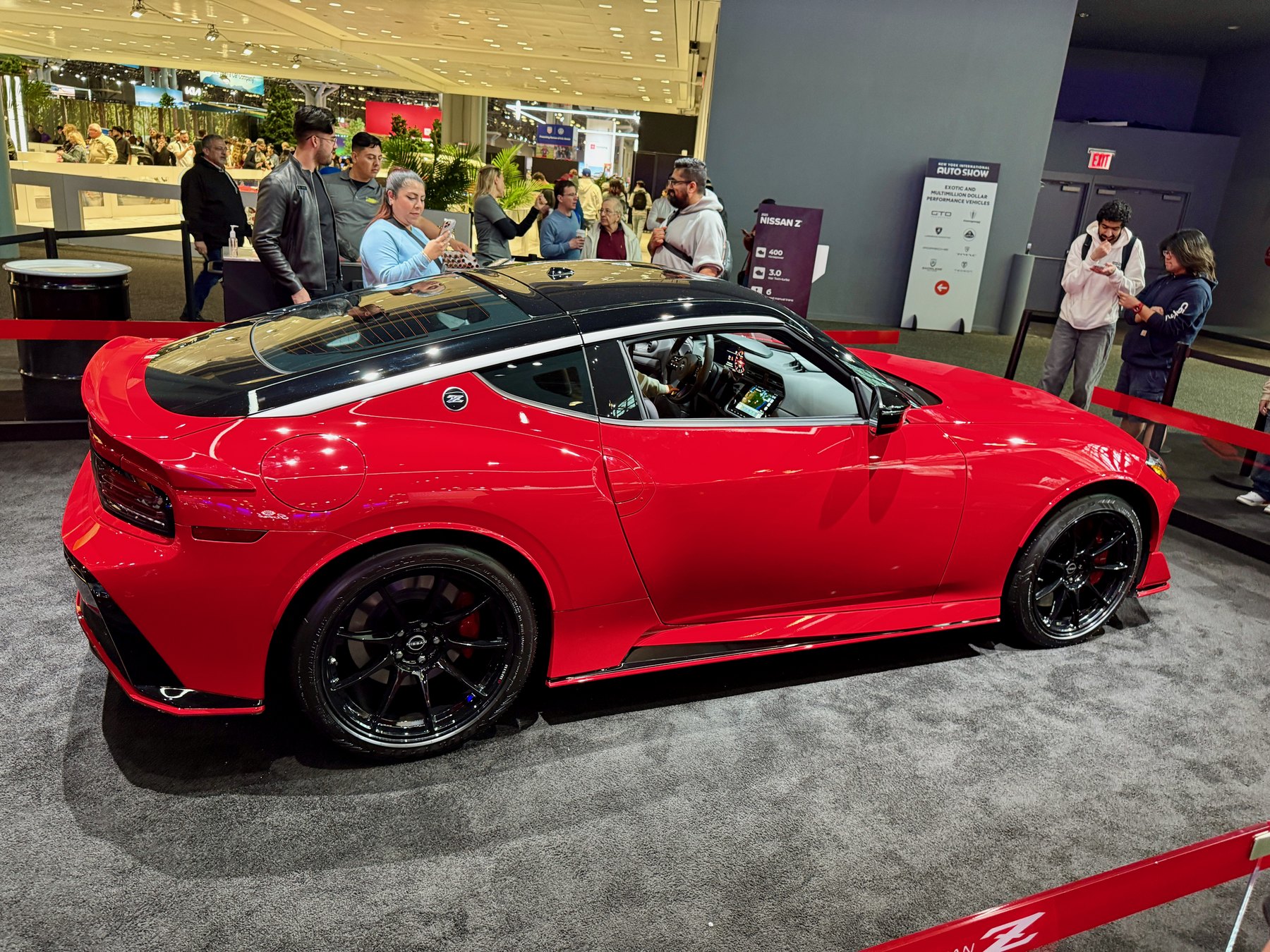
Here is the part worth flagging, though, because it is sitting in plain sight in the reviews themselves. Every one of those first drives happened in May, at Sonoma Raceway, on a track that was wet from the night before, and Woodard noted that the car handled essentially the whole lap in third gear. He was candid about what that cost him: "I didn't get to focus a lot of energy on evaluating the transmission itself." Then he dropped the line that should have been the lede somewhere — no manual NISMOs will ever make it into press fleets. So the entire public record on how this gearbox behaves in traffic, in a parking garage, on a cold morning, over a week, does not exist and is not going to. For a car whose whole pitch is the transmission, that is a genuine hole, and it is not the reviewers' fault.
There is also a joke buried in the spec sheet that nobody is laughing at. To pass drive-by sound regulations, the manual NISMO got a quieter muffler than the automatic, with the Active Sound Enhancement and Active Noise Cancellation systems retuned to compensate. Read that again. The enthusiast trim, the one with the third pedal, is the quieter car, and some of what you hear through the speakers is synthesized. A louder exhaust is expected to turn up in the NISMO catalog, which means the correct configuration of this car involves an aftermarket part Nissan will happily sell you later.
The numbers stack up well otherwise. The manual NISMO weighs 3,624 pounds against the automatic's 3,677 — 53 pounds saved, which is roughly a passenger's worth of nothing but is at least moving the right direction. Pricing landed on 21 July 2026 at $67,260 for the NISMO in either transmission, $68,505 with the $1,325 destination charge. That is $1,510 more than the 2026 NISMO's $65,750, the same increase applied to Sport ($44,480) and Performance ($54,480), and the manual itself costs exactly nothing extra on any trim. Set it against a 2027 BMW M2 at $69,500, or against the GR Supra, which charged $69,745 for its U.S. Final Edition before Toyota ended production in March 2026 and took the only other twin-turbo manual coupe in the class with it. The Z NISMO is now, improbably, the value play in a segment that is mostly a graveyard.
And then the allocation. Reporting from February 2026 — Carscoops' Stephen Rivers, working from dealer guidance — says Z production moves to a made-to-order model for 2027, with the average store allocated just two to three Zs for the entire model year, and fewer than ten percent of total Z production going to manual NISMOs. Those cars were described as already spoken for at the national level, with some dealer systems showing only Sport and Performance trims still orderable. None of that is a Nissan press release, and the company has not put numbers to it publicly. But the direction is unambiguous, and it matches the press-fleet decision exactly: Nissan is building a small number of these and is not especially interested in advertising them.
So here is the verdict, and it is split down the middle on purpose. The car is right. Nissan spent four model years being told the NISMO needed a manual, and rather than bolting in the Sport trim's gearbox and calling it done, it added an EXEDY clutch, shortened the lever ratio, retuned the engine map and the steering and the dampers around it, and raided a discontinued GT-R for the front brakes — then charged nothing for the privilege. That is a company taking the complaint seriously. The plan around the car is the problem. A two-or-three-per-dealer, single-digit-build-share, never-in-a-press-fleet halo trim is not a product so much as a goodwill gesture with a VIN, and the people who spent four years asking for it are mostly going to read about it rather than drive it.
If you want the three-pedal Z you can actually buy this year, it is the Performance 6MT at $54,480, which gets you the same 400-horsepower engine family, the new monotube dampers and roughly thirteen grand back. If you want the NISMO, start being very nice to a dealer, and understand that you are shopping for a car Nissan has quietly decided to make rare. The best Z of this generation exists. Whether it exists in any quantity that matters is a different question, and right now the answer looks like no.
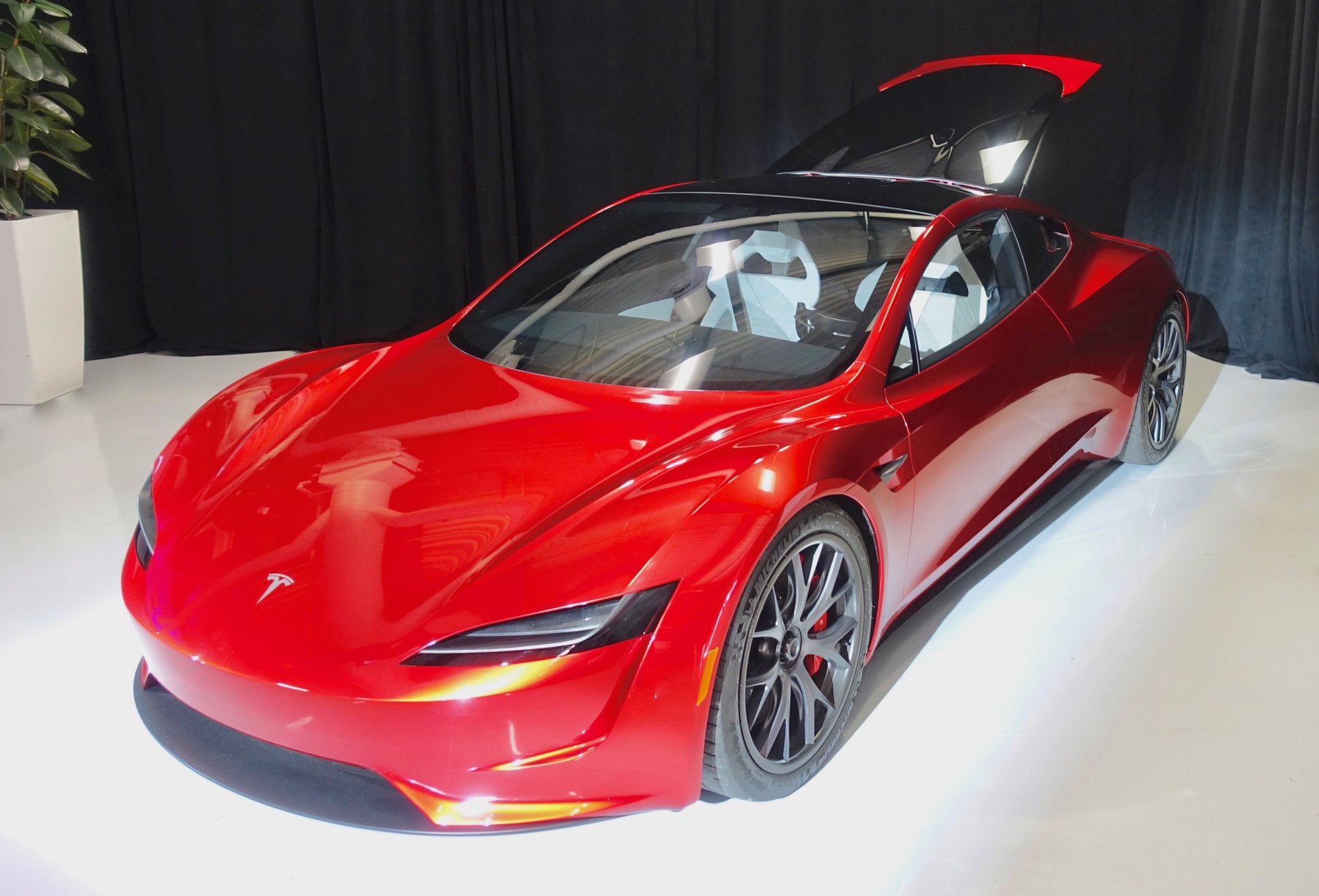
Tesla Showed a Roadster That Does Kickflips. The FAA Says It Isn't an Aircraft, and Nobody Will Say What It Is.
Nine years after taking deposits on a car promised for 2020, Tesla unveiled a four-trim Roadster that drives upside down, flips in mid-air, and carries about five seconds of compressed nitrogen. Production is now 2028. There is still no price.
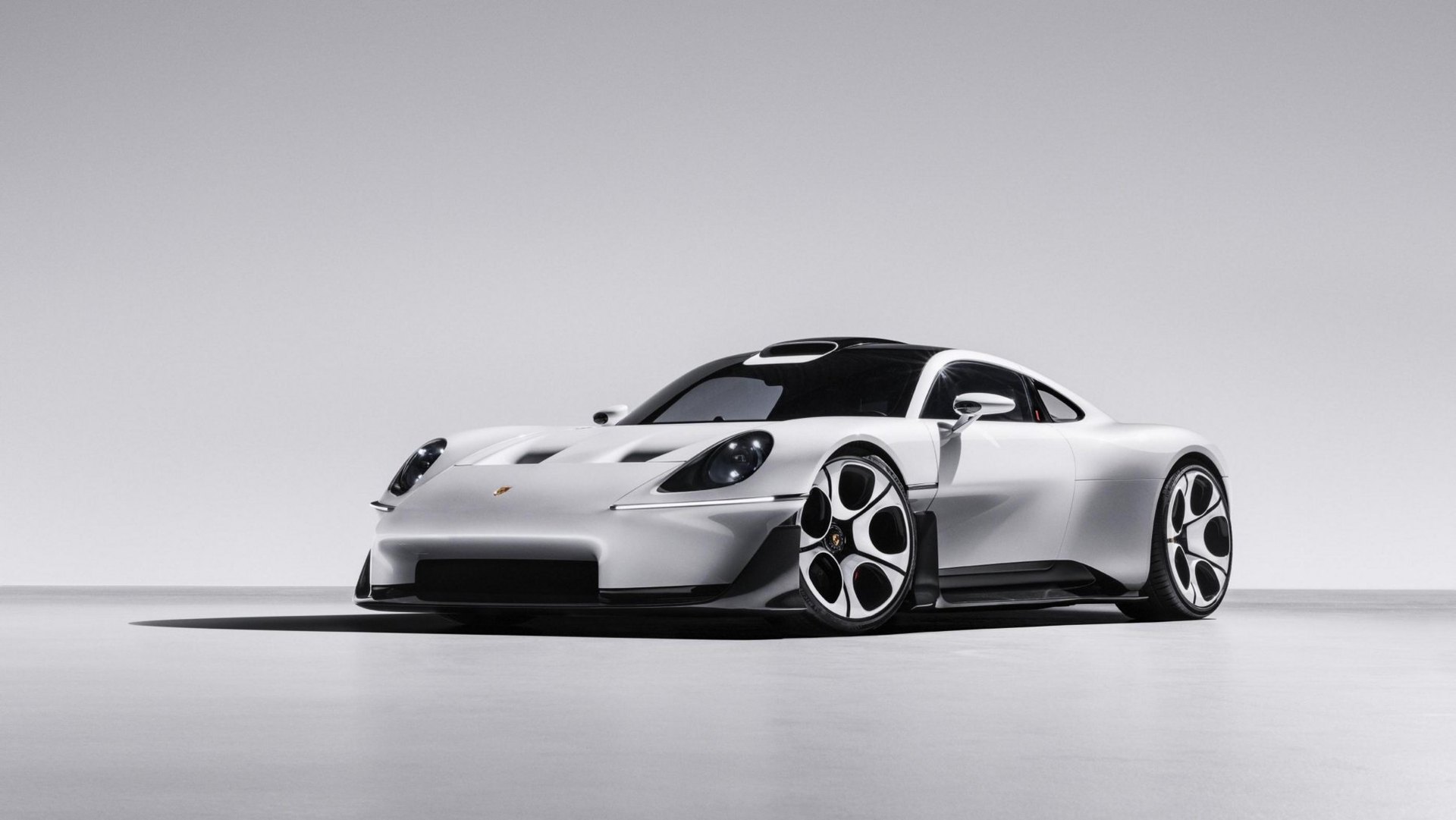
Porsche Puts a Mid-Engined Car Above the 911 — and an Analogue Rev Counter in Front of the Driver
The Mission S vision model landed on a Queens pier on Thursday with five round dials, no fixed centre screen and a confirmed platform above the 911. What Porsche carefully did not say is what sits behind the seats.
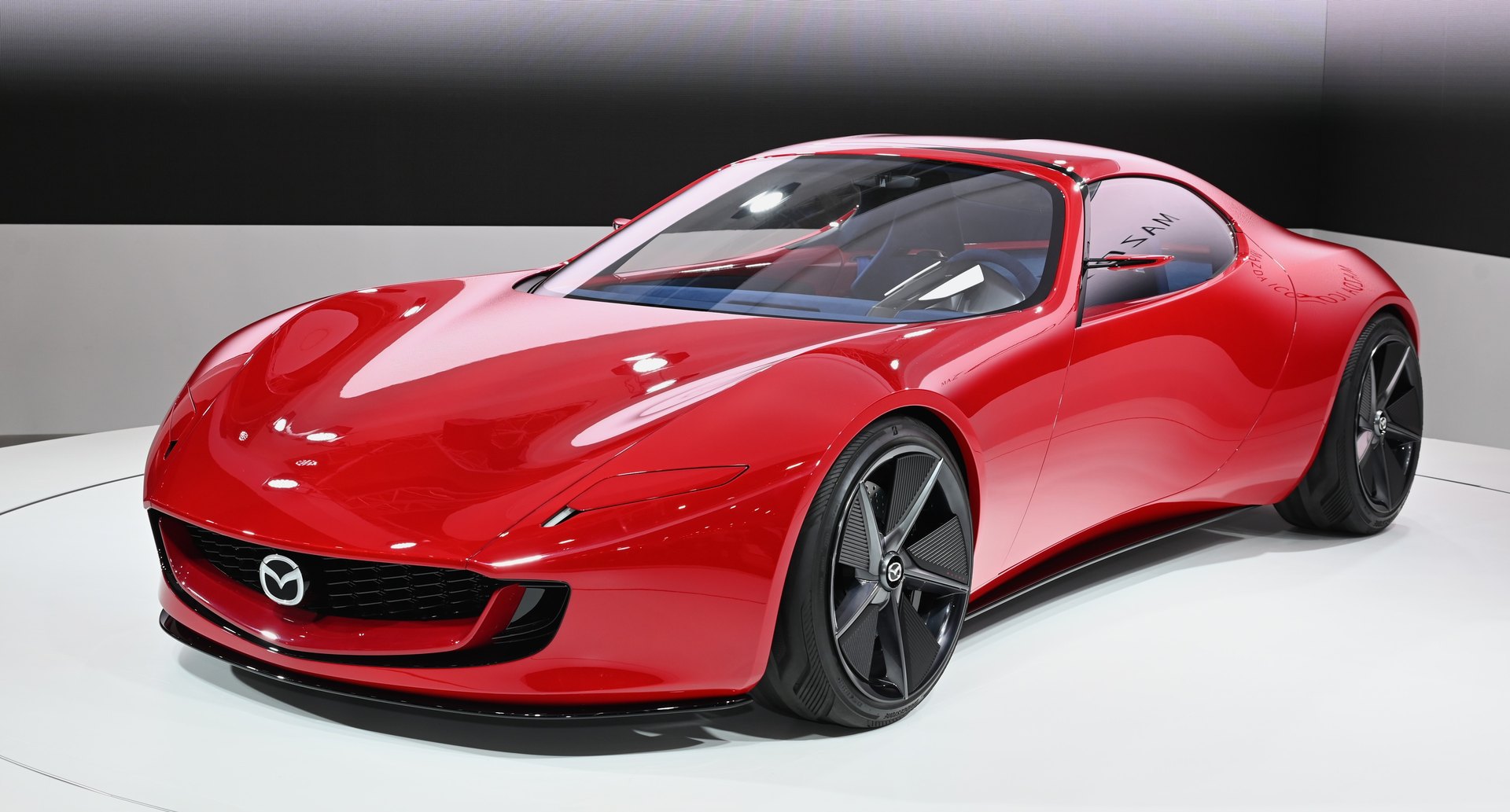
Mazda Says the Next Rotary Will Actually Turn the Wheels — and It Won't Be Bolted to a CVT
Speaking to Car Magazine, a Mazda Motor Europe product planner says the next Wankel won't sit in the nose charging a battery like the MX-30 R-EV's does. No model, no date, no output figure. The thing being promised is a character, not a car.