
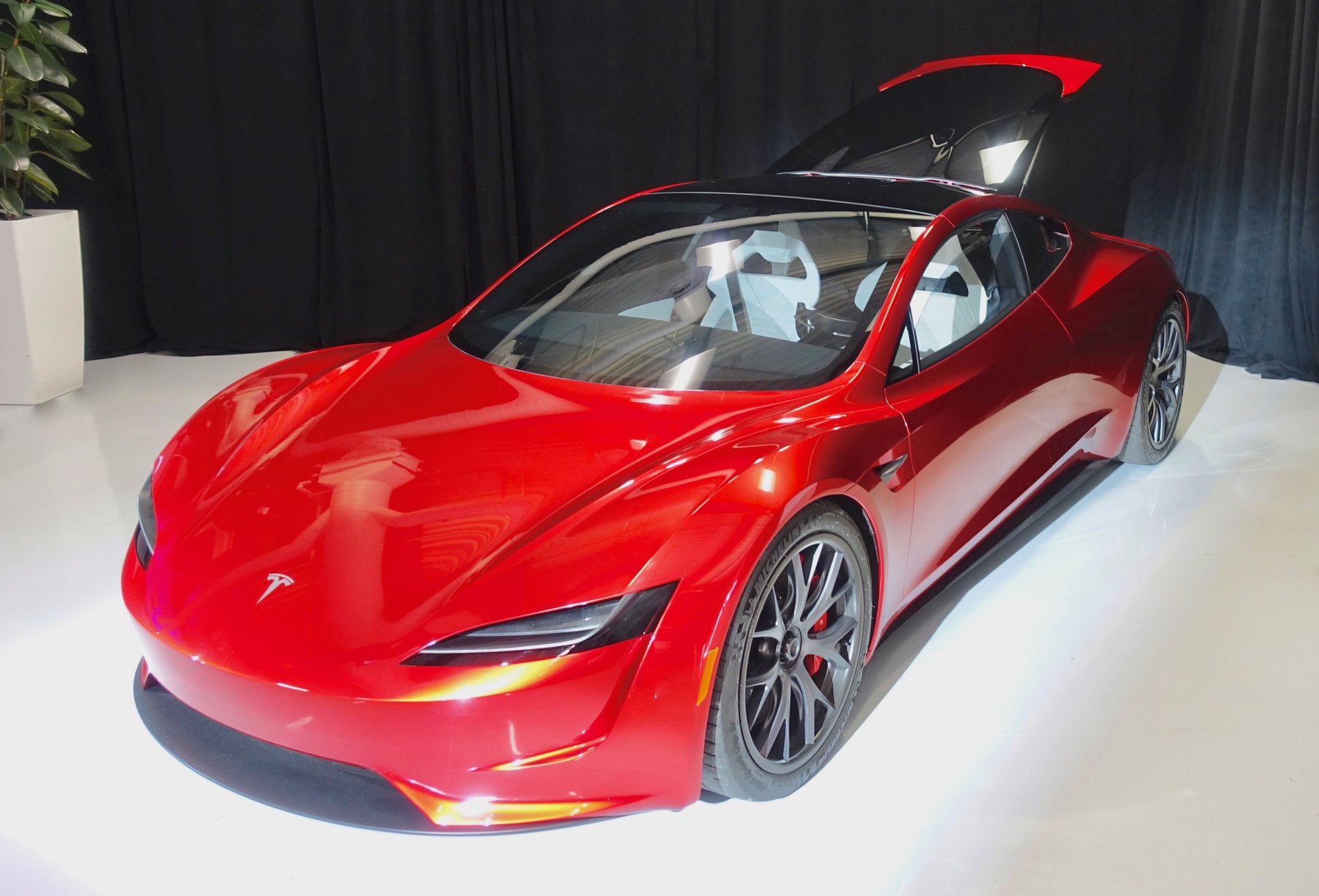
Tesla Showed a Roadster That Does Kickflips. The FAA Says It Isn't an Aircraft, and Nobody Will Say What It Is.
Nine years after taking deposits on a car promised for 2020, Tesla unveiled a four-trim Roadster that drives upside down, flips in mid-air, and carries about five seconds of compressed nitrogen. Production is now 2028. There is still no price.
- 0-60 (Rocket)
- Under 0.59 Sec (Claimed)
- Range
- 310-320 Mi (Claimed)
- Deposit
- $5,000 + $45,000 In 10 Days
- Production
- 2028 (Claimed)
On 15 October, at a SpaceX test site in McGregor, Texas, Tesla finally showed the production version of the Roadster it unveiled in November 2017. The car drove up an inverted ramp and hung there upside down on suction. It jumped a truck. It rolled 180 degrees in mid-air on cold-gas thrusters and landed on its wheels. "Flying cars are real," Elon Musk said, and for a few seconds at a time, on a closed SpaceX pad, he had a point.
Two to six hours of filling, for about five seconds of flight.
Then everyone went home and the actual questions started, and nine years of deposits are still sitting in the middle of them.
Let's do the ledger first, because it is the honest way into this. In November 2017 Tesla promised a Roadster that would do 0-60 in 1.9 seconds, travel 620 miles on a charge, top 250 mph, seat four in a 2+2, cost $200,000 ($250,000 for the Founders Series), and enter production in 2020. What was shown last week is a strict two-seater — one seat in the top trim — with a claimed 310 to 320 miles of range, no announced purchase price at all, and a production date of 2028. Musk's own phrasing on the timeline was "2028, actually," which is a thing you say when the room already knows your record.
And it is a record. Production slipped to 2021 in July 2020, then 2022 in January 2021, then 2023 that September, then 2024, then 2025, then 2025 again, and in November 2025 Musk said the production car would be revealed on 1 April 2026 with production 12 to 18 months after that. The reveal happened six and a half months after that April date, at a rocket facility, and moved production out another two years. If you put down $50,000 on a standard reservation in 2017, you have now been waiting more than twice as long as the original Roadster was in production, and Tesla has not delivered a single one.
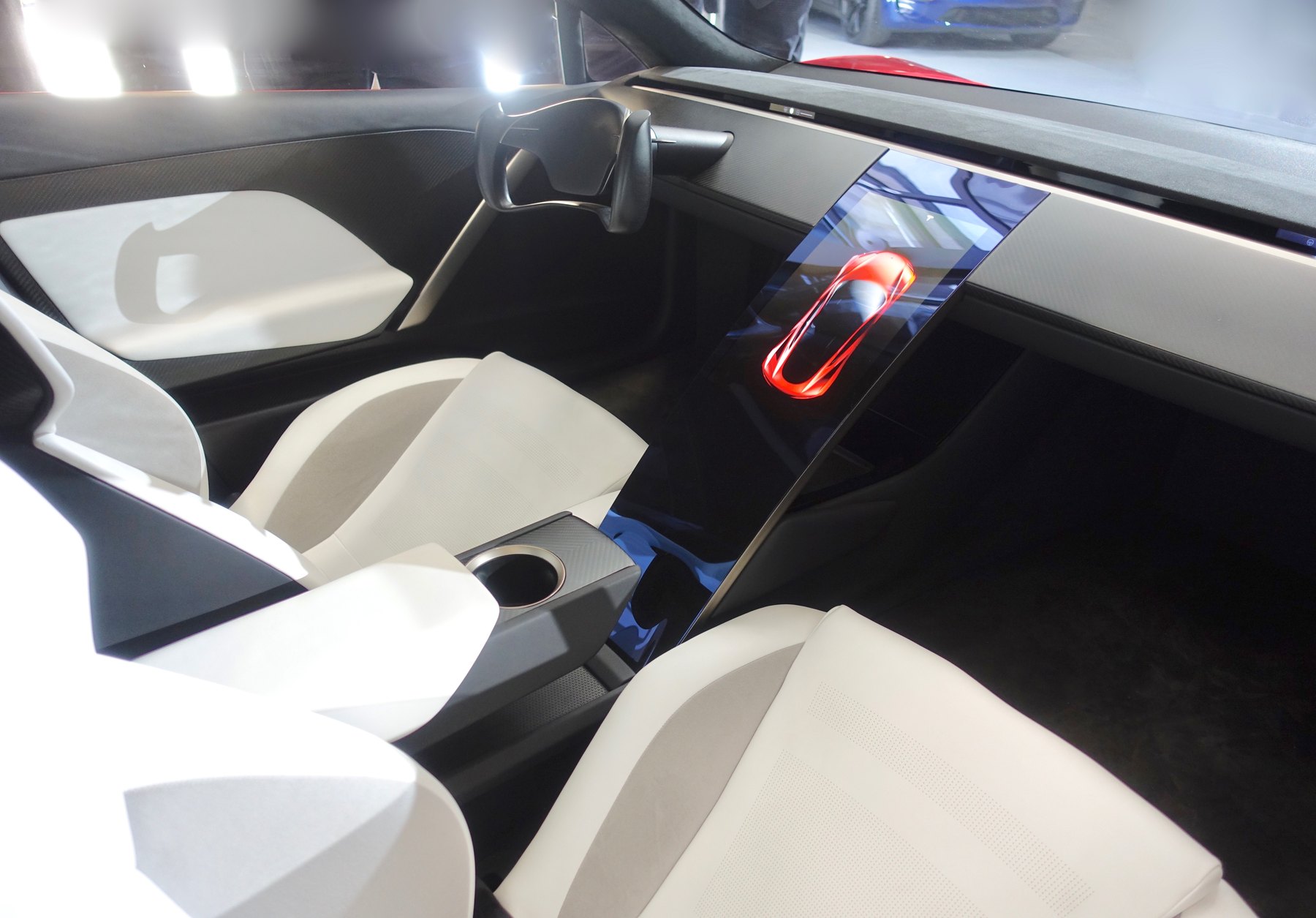
Here is what the car actually is. There are three trims above the floor. Performance is the base: rear-wheel drive, dual rear motors, more than 1,341 horsepower, 0-60 in under 1.6 seconds. Thrust adds rear-mounted cold-gas thrusters and claims 0-60 in about 0.8 seconds. Rocket is invite-only, deletes the passenger seat, ships ten thrusters around the car's perimeter, and claims under 0.59 seconds to 60 mph with a top speed north of 230 mph. The body is magnesium, titanium and carbon fibre over a target weight under 3,700 pounds, the steering is steer-by-wire through a yoke, and the active wings are moved by actuators lifted from the Optimus robot program.
The propulsion is the genuinely interesting engineering, and it deserves to be described accurately rather than as a magic trick. These are cold-gas thrusters — no combustion, no flame — developed with SpaceX and reworked to function in atmosphere instead of vacuum. Compressed gas lives in carbon-fibre overwrapped pressure vessels distributed through the car. Electrek's Fred Lambert reported the thrusters can generate four to five times the force the tyres can put down, and that fans produce downforce approaching Formula 1 levels in Track Mode. None of that is vapour. Cold-gas attitude control is real, flight-proven hardware, and bolting it to a road car is a legitimately novel thing to have done.
Now the detail that reframes the entire demo, and the one I'd put at the top if I were writing the press release honestly. The Thrust car carries roughly 200 litres of nitrogen at about 10,000 psi. Filling that takes between two and six hours. It provides approximately five seconds of thruster use. Two to six hours of filling, for about five seconds of flight. Every stunt in that livestream — the inverted ramp, the truck jump, the mid-air roll — is drawn from a budget measured in single-digit seconds, after an afternoon on a compressor. This is not a flaw in the engineering. It is simply what the physics costs, and it is the difference between a capability and a feature.
Which brings us to the part nobody at the event answered. If a car leaves the ground, what regulates it? The FAA has stated the Roadster does not meet the definition of an aircraft. NHTSA regulates motor vehicles, and a vehicle that performs a 180-degree aerial roll is not a scenario the Federal Motor Vehicle Safety Standards were drafted against. A senior Transportation Department official, per CBS News, was openly sceptical the thing will take off at all and could not say who would have oversight if it did. So the honest status of the flight system is not "approved" or "banned" — it is that no agency has claimed it, and Tesla has not explained how or whether any of it works on a public road. That is a much larger obstacle than a 2028 build date, and it got a fraction of the coverage the kickflip did.
The money is structured the way Tesla money usually is. A Performance reservation takes $5,000 immediately and another $45,000 within ten days — $50,000 total, fully refundable. Thrust reservations are quoted at $250,000. Rocket is by invitation. Hold those two numbers against 2017, when a standard reservation was $50,000 and the Founders Series was $250,000 paid in full, and the symmetry is almost too neat: nine years on, the same two figures buy you the same thing they did then, which is a place in a queue. Actual transaction prices for any configuration have not been published, which means the only firm figure attached to this car remains the size of the deposit.
Wall Street's verdict arrived faster than usual and was not kind. TSLA opened up on the reveal and closed down, finishing 16 October at $354.72, off 2.13 percent, with attention already turning to the quarter's earnings. Dan Ives, who is not generally the bear in the room, said the Roadster "will not move the volume or revenue needle" and that investors should not model it as a growth driver. The more telling reaction is what analysts chose to talk about instead: the SpaceX hardware in the car revived speculation about a Tesla-SpaceX merger, with Ives putting the odds at 80 percent by the end of 2027. When the most discussed consequence of your new car is a corporate structure question, the car is not really the product.
So here is the verdict, and it is not the cynical one. The engineering is real and some of it is excellent. Cold-gas thrusters on a street car, Optimus actuators driving active aero, 1,341 horsepower in something under 3,700 pounds — that is a serious group of engineers being given a serious budget and an absurd brief, and the demo footage is not faked. Anyone pretending otherwise is scoring points rather than watching.
But a demonstration is not a product, and this one has now been a demonstration for nine years. The thing Tesla showed in Texas cannot be priced, cannot be bought, cannot be built until 2028 on its own stated schedule, and has no regulator willing to say what it is. The 2017 car promised 620 miles and four seats and arrived at 310 and two. The honest description of last week is that Tesla held a spectacular engineering showcase and attached a refundable $50,000 queue ticket to it. If you have been holding a deposit since 2017, the kickflip was great. You are still, on the company's own numbers, at least two years from a car.
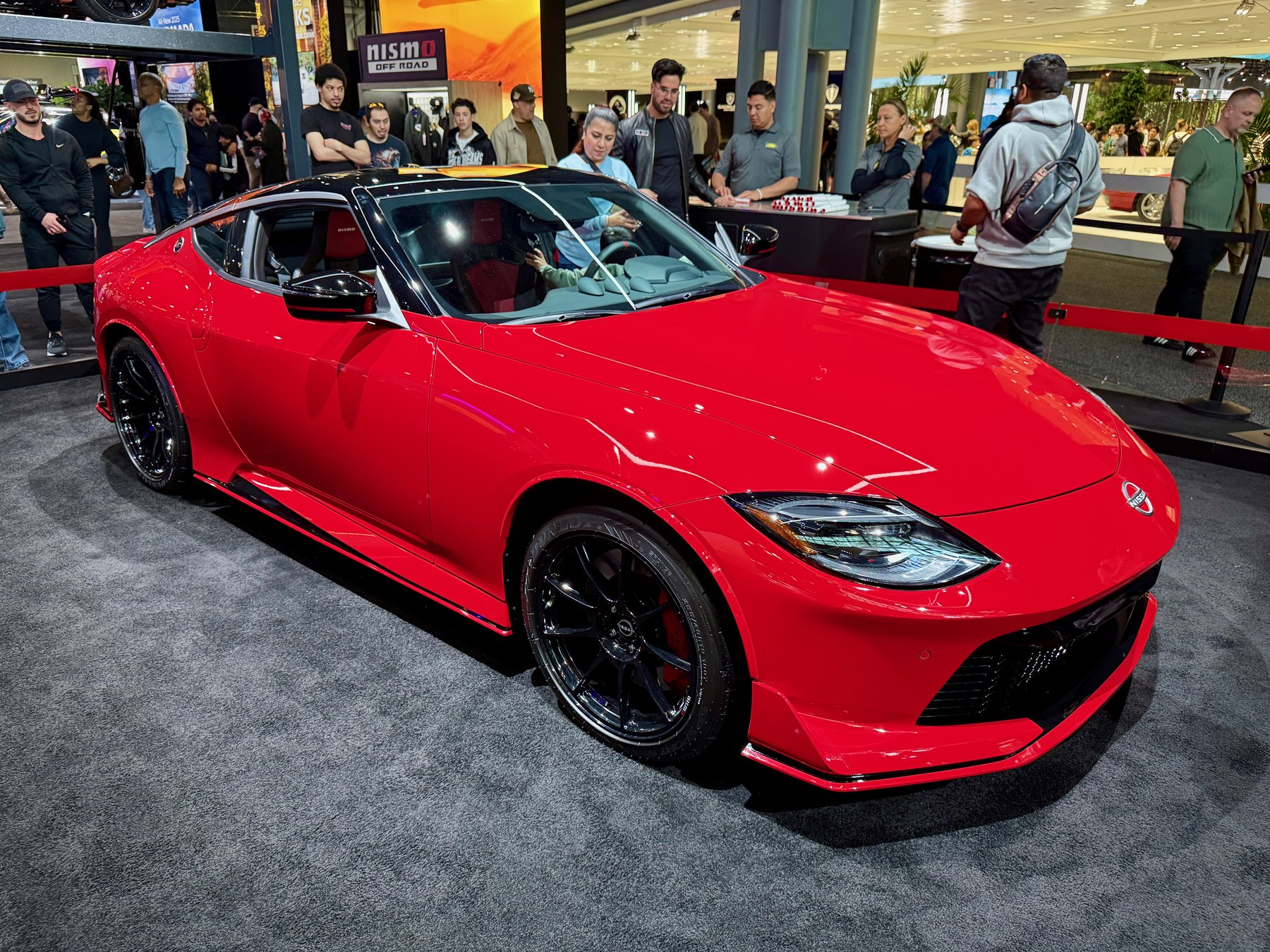
Nissan Finally Put a Third Pedal in the Z NISMO. Then It Made Sure Almost Nobody Can Buy One.
420 horsepower, GT-R brakes, seven percent shorter throws, and no price premium over the automatic. Also: a reported allocation of two or three Zs per dealer for the entire model year, and a manual NISMO build share in the single digits.
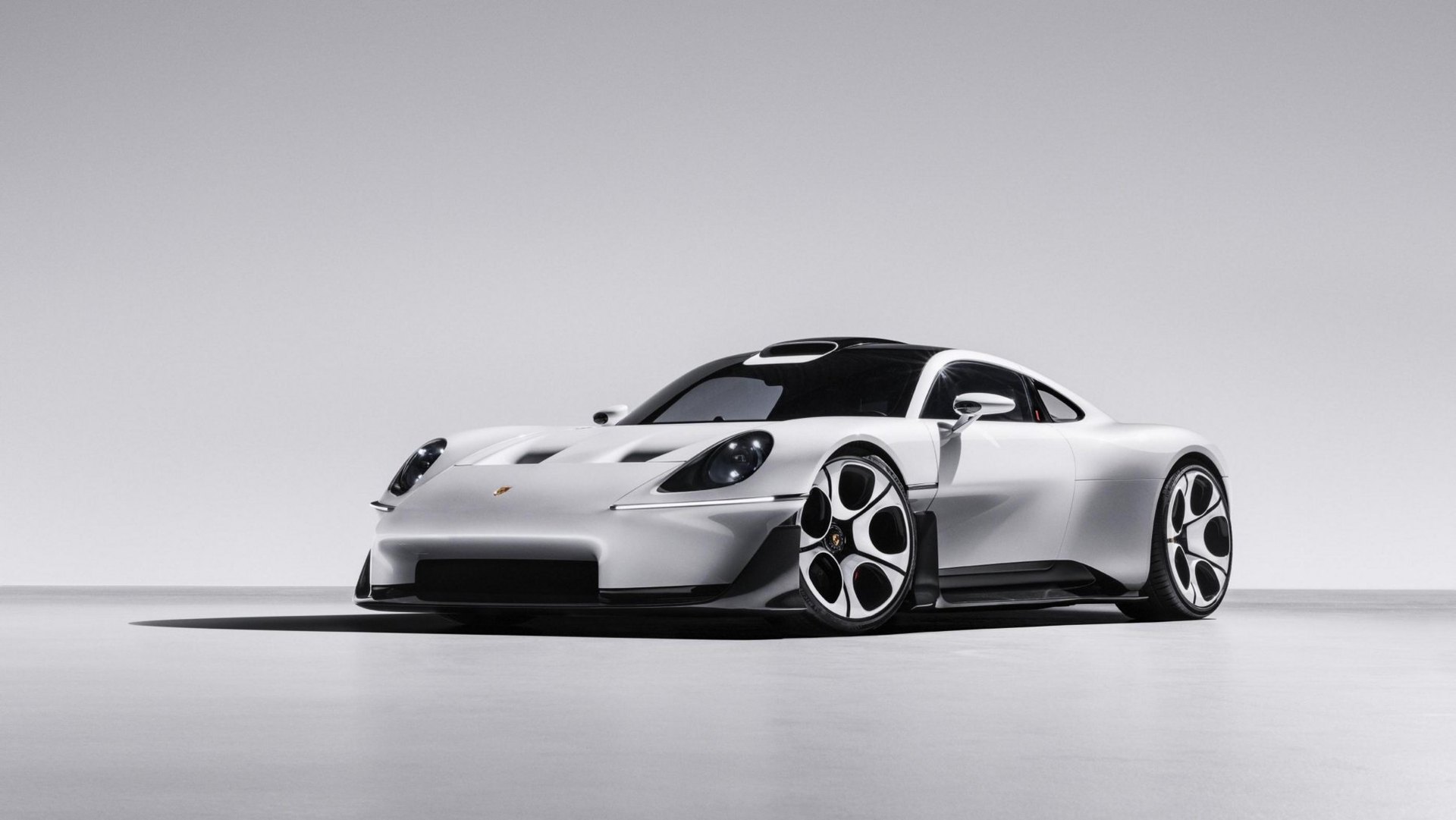
Porsche Puts a Mid-Engined Car Above the 911 — and an Analogue Rev Counter in Front of the Driver
The Mission S vision model landed on a Queens pier on Thursday with five round dials, no fixed centre screen and a confirmed platform above the 911. What Porsche carefully did not say is what sits behind the seats.
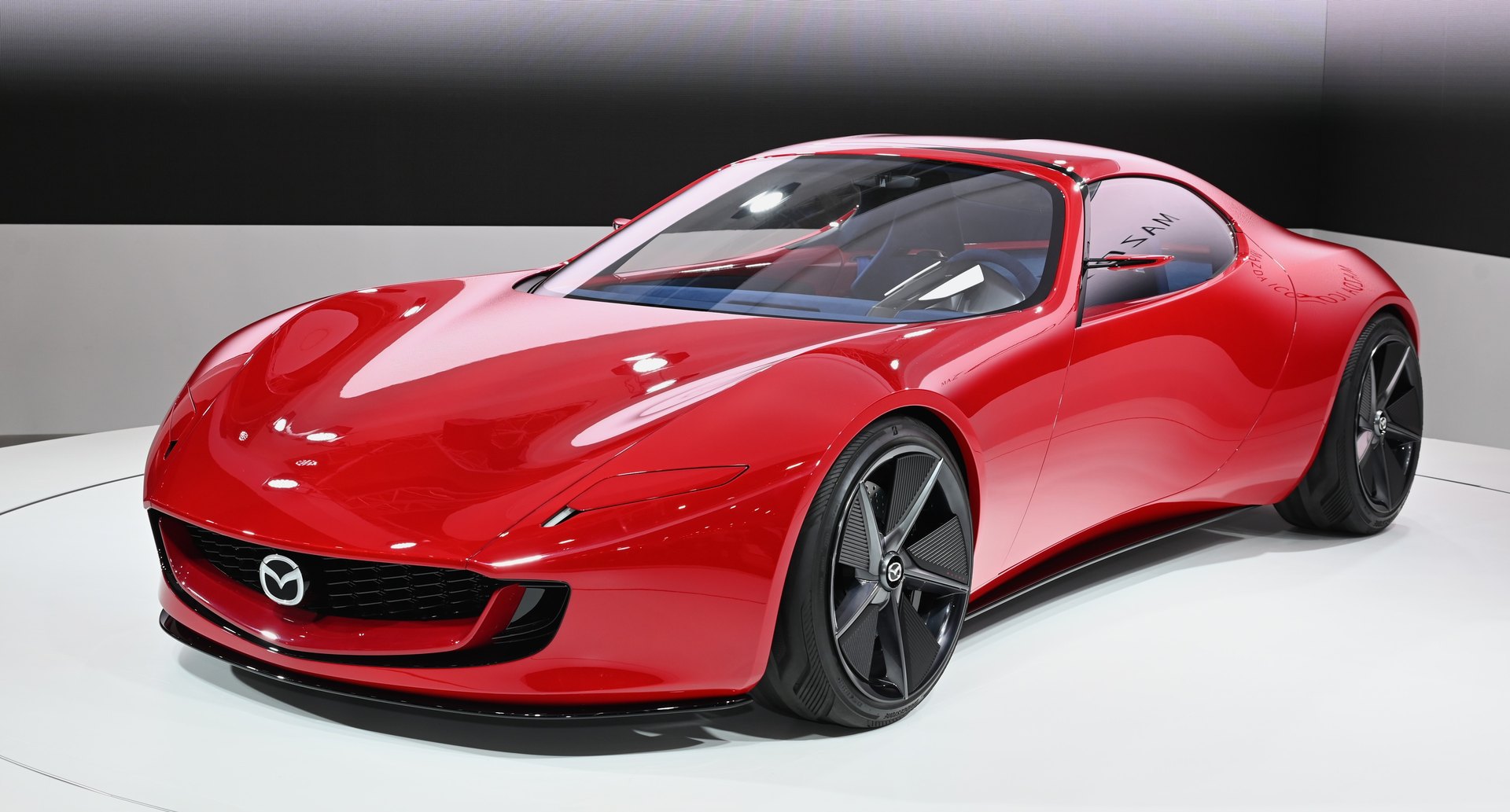
Mazda Says the Next Rotary Will Actually Turn the Wheels — and It Won't Be Bolted to a CVT
Speaking to Car Magazine, a Mazda Motor Europe product planner says the next Wankel won't sit in the nose charging a battery like the MX-30 R-EV's does. No model, no date, no output figure. The thing being promised is a character, not a car.