
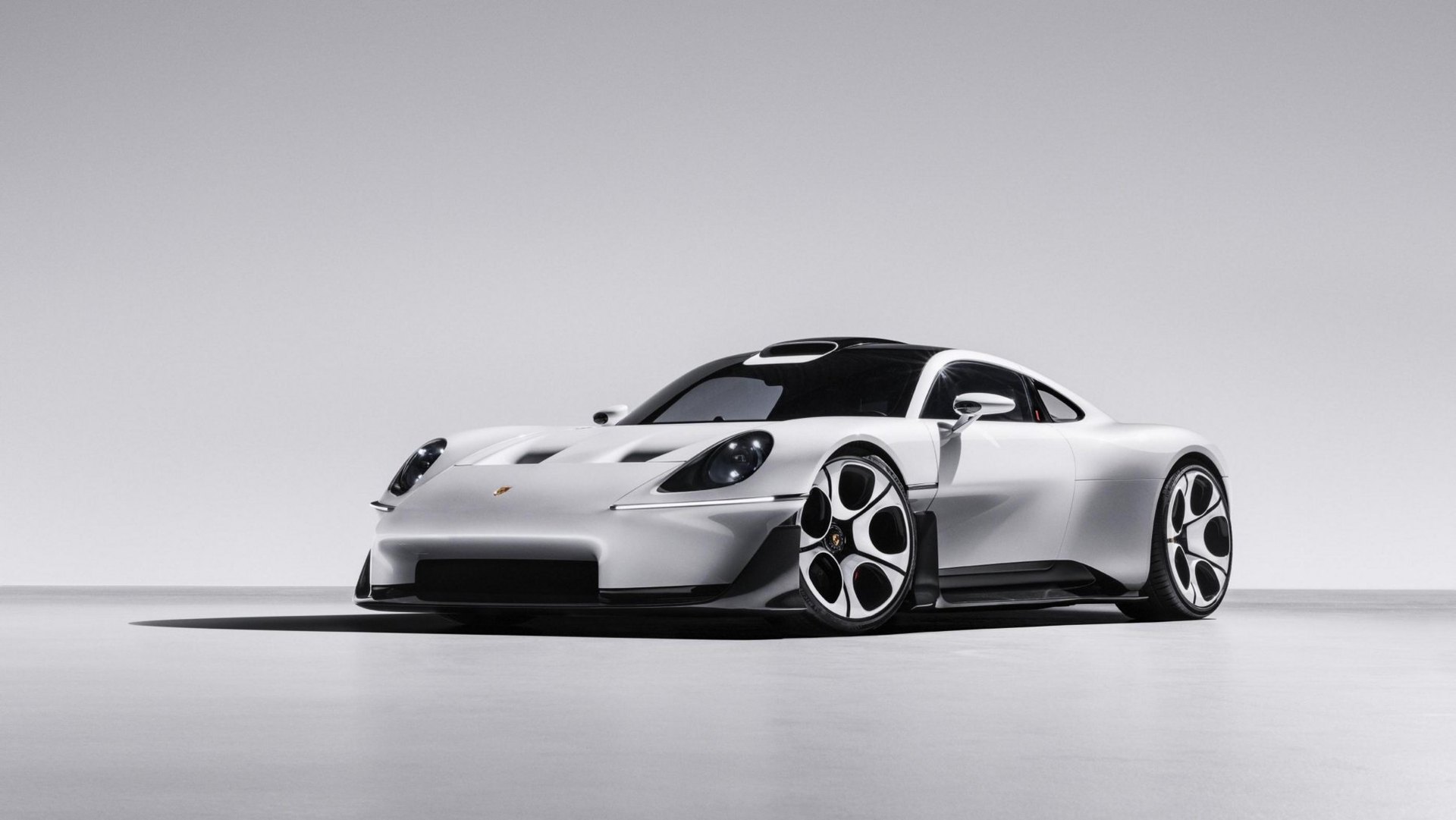
Porsche Puts a Mid-Engined Car Above the 911 — and an Analogue Rev Counter in Front of the Driver
The Mission S vision model landed on a Queens pier on Thursday with five round dials, no fixed centre screen and a confirmed platform above the 911. What Porsche carefully did not say is what sits behind the seats.
- Model
- Porsche Mission S (vision model)
- Status
- Show car, not for sale
- Revealed
- 15 October 2026, pier in Queens, New York
- Architecture
- Mid-engine
- Position in range
- Above the 911
- Exterior colour
- Firn White Metallic
- Other new colours
- Light Red Metallic, Black Chrome
- Interior colour
- Special Black
- Instruments
- Five round dials; rev counter with analogue needle and a display behind it
- Centre display
- None fitted — retractable MagSafe-compatible phone holder instead
- Rear wing
- Fully integrated, active
- Wheels
- New lightweight design based on the 928 'dial' pattern
- Cooling detail
- Styled after the 917's radiator fan
- Strategy
- Sportwagenschmiede '35
- Power / weight / dimensions
- Not disclosed
Porsche pulled the covers off the Mission S on Thursday on a pier in Queens, with the Manhattan skyline sitting behind it in every photograph. The car itself is a vision model — a show car, no price, no on-sale date, no specification sheet. Attached to it, though, is the most concrete product commitment Porsche has made in some time: there will be a mid-engined super sports car platform positioned above the 911, and it is meant to stay.
Porsche calls the platform "not as a one-off hypercar, but as a permanent and versatile addition" — the word doing the work there is permanent.
Dr Michael Leiters, chairman of the executive board at Porsche AG, framed it in the press release as a platform offered "not as a one-off hypercar, but as a permanent and versatile addition" to the range. That is the sentence worth keeping. Porsche has built mid-engined halo cars before and then stopped building them — the Carrera GT ran from 2003 to 2006 and 1,270 were made; the 918 Spyder ran for 21 months across 2013 to 2015 and exactly 918 were made. A permanent platform above the 911 is a different proposition from either.
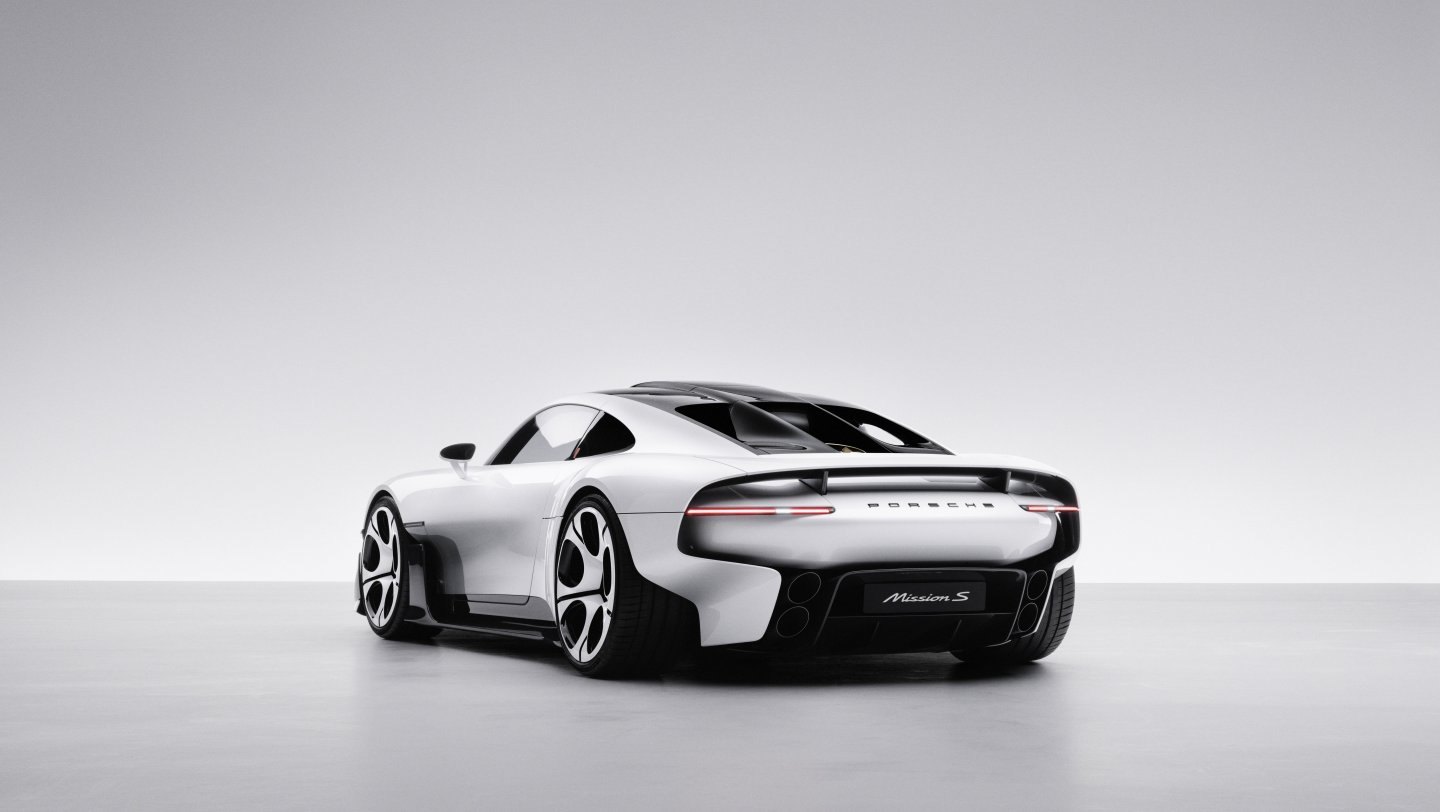
The design is a catalogue of references, and Porsche lists them itself rather than leaving anyone to guess. The torpedo fenders and round headlamps point at the 911. The shut lines that run into the light graphics are a nod to the G model. The flat front is lifted from the GT1, as is the car-in-car treatment at the rear. The roofline running beneath the rear wing is the 959. The cooling arrangement is styled after the 917's radiator fan, and the wheels are a new lightweight design worked up from the dial pattern of the 928. A single wraparound line connects the front and rear light signatures, with muscular surfacing above it and visible technical function below.
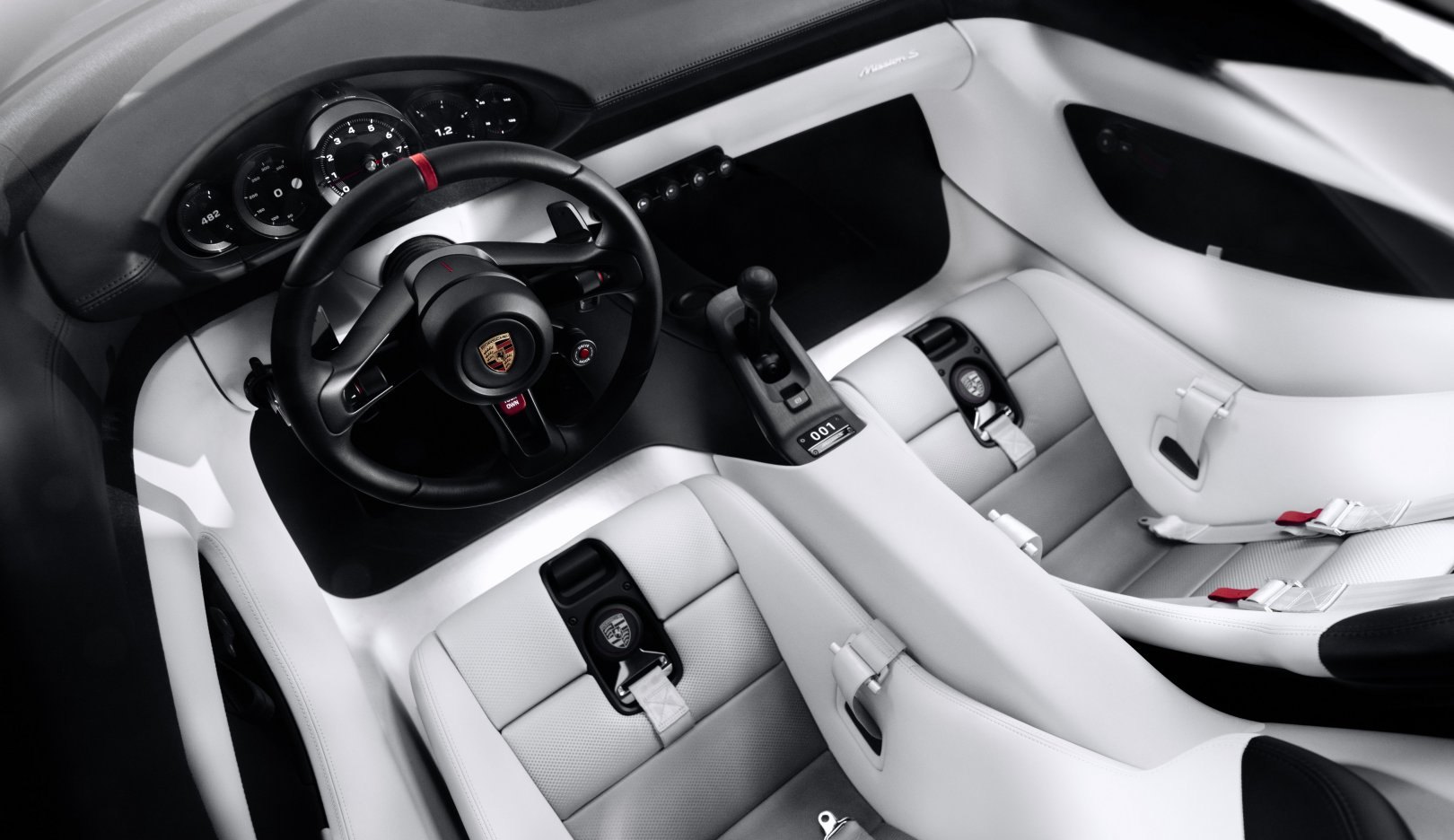
Inside is where the show car says something less predictable. There are five round instruments behind the wheel, with the rev counter at the centre carrying an analogue needle and a display sitting behind it. In some drive modes the rev counter physically moves closer to the driver; the arrangement of the dials rearranges too, sitting side by side or stacked behind one another depending on the mode selected. The key has a holder to the left of the steering wheel, where Porsche has always put it. The dashboard controls have a push-pull action. The Sport Chrono element has been redrawn to keep an analogue character.
And there is no permanently fitted centre display, and no passenger display either. In their place is a retractable smartphone holder, MagSafe-compatible, which the driver can deploy if they want navigation and leave stowed if they do not. A pared-back My Porsche app handles the rest and also lets the owner load historically-themed graphics onto the circular instruments. After a decade of the industry fitting ever-wider glass across the dashboard, a German manufacturer has built a show car whose headline interior feature is the screen it left out.
What Porsche has not published is almost everything a specification-minded reader would want. No engine, no cylinder count, no power, no weight, no dimensions, no date. The press release describes a mid-engined platform and nothing about what fills it. The car itself is slightly less discreet: there is an analogue rev counter in front of the driver and four exhaust outlets at the back, which is not how you decorate an electric vehicle. It is a pointed contrast with the Mission X of June 2023, which Porsche was happy to describe at the time as an electric hypercar study with a 900-volt architecture.
The context arrived eight days earlier. At its Capital Markets Day on 7 October, Porsche set out a strategy it calls Sportwagenschmiede '35, which keeps a three-pronged powertrain approach and specifically commits investment to what it terms brand-defining combustion and plug-in hybrid drivetrains alongside the next generation of battery technology. The same document promises all-electric 718 Boxster and Cayman models in 2028, a new B-segment SUV offered with combustion and plug-in hybrid power, at least one brand-defining new product every year through 2030, and a push into the higher-margin D and E segments. The mid-engined platform above the 911 was listed there too, as a line item. The Mission S is that line item given a body.
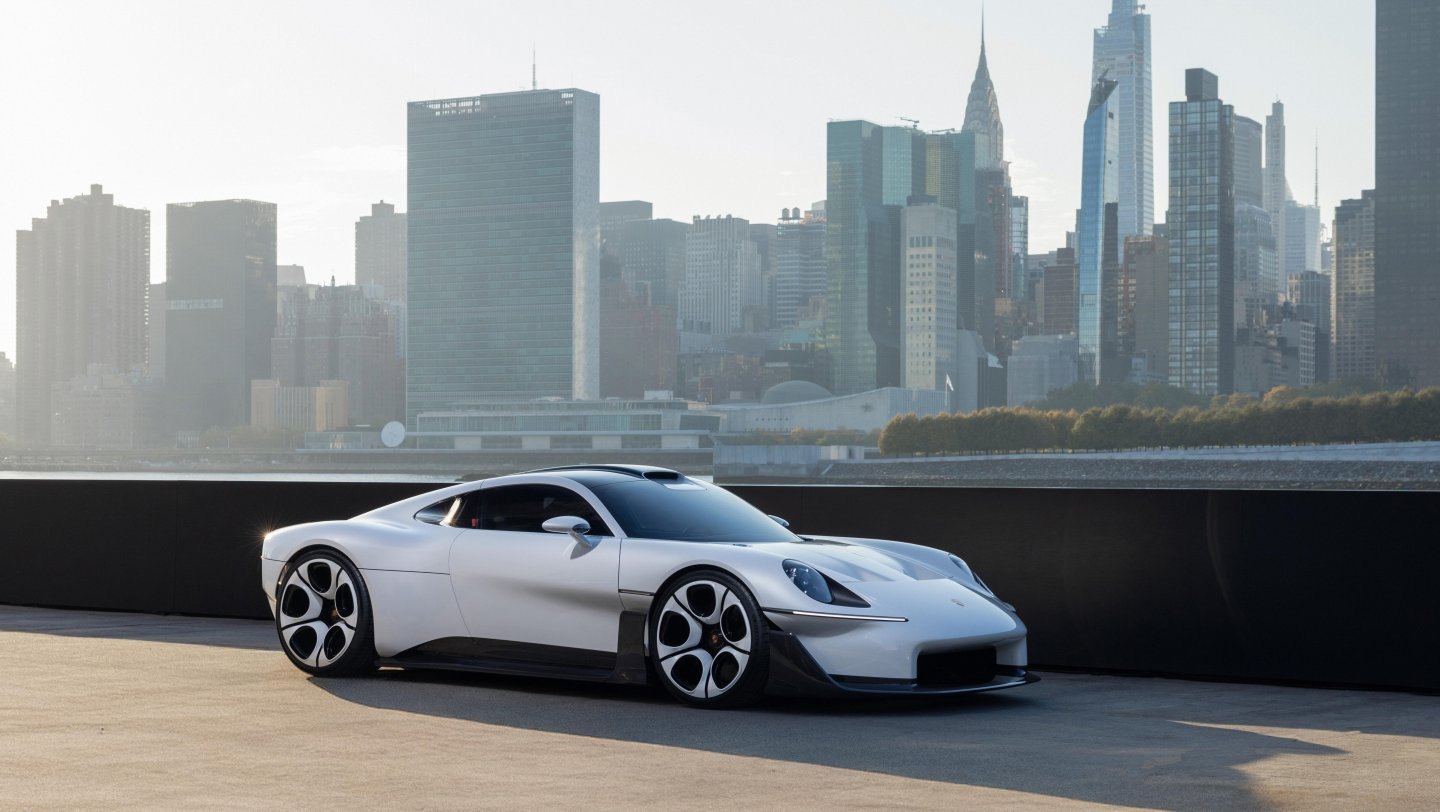
The venue was not an accident either. Porsche's own account is that the first photographs of the mid-engined 550 Spyder — the car that established the company's competition identity and a good deal of its early American following — were taken on this same Queens pier in 1953. Putting a mid-engined vision model on the same concrete is the sort of gesture that reads as heavy-handed when a manufacturer does it badly and lands cleanly when the car on the pier is actually good-looking. This one is.
None of which tells you what the production car will be. Show cars exist to establish a design language and buy a few news cycles, and this one will do both. The part to hold Porsche to is not the wheel design or the missing screen. It is that word in Leiters's statement: permanent. Two previous attempts at a mid-engined Porsche above the 911 were sold out before most people saw one in traffic.
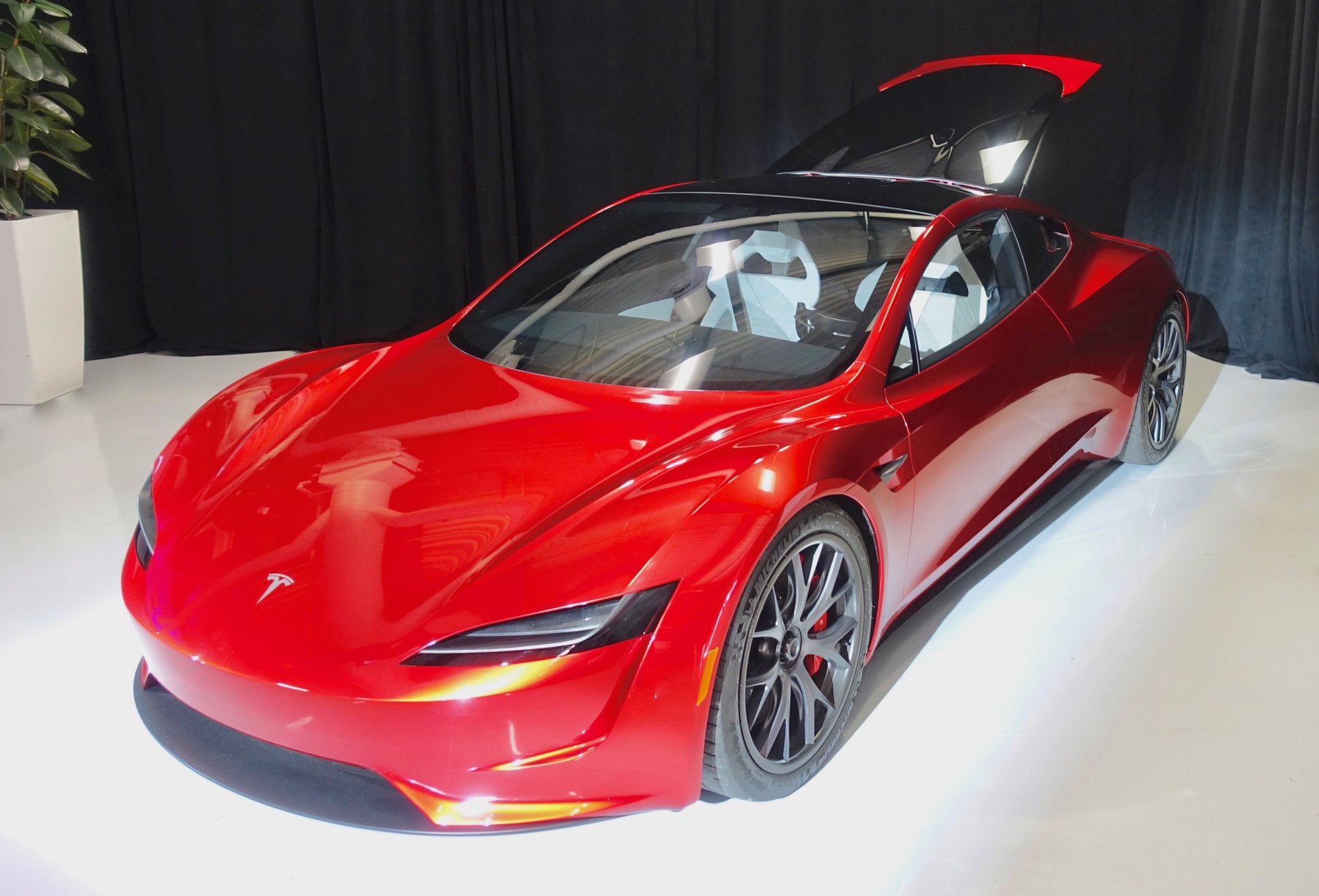
Tesla Showed a Roadster That Does Kickflips. The FAA Says It Isn't an Aircraft, and Nobody Will Say What It Is.
Nine years after taking deposits on a car promised for 2020, Tesla unveiled a four-trim Roadster that drives upside down, flips in mid-air, and carries about five seconds of compressed nitrogen. Production is now 2028. There is still no price.
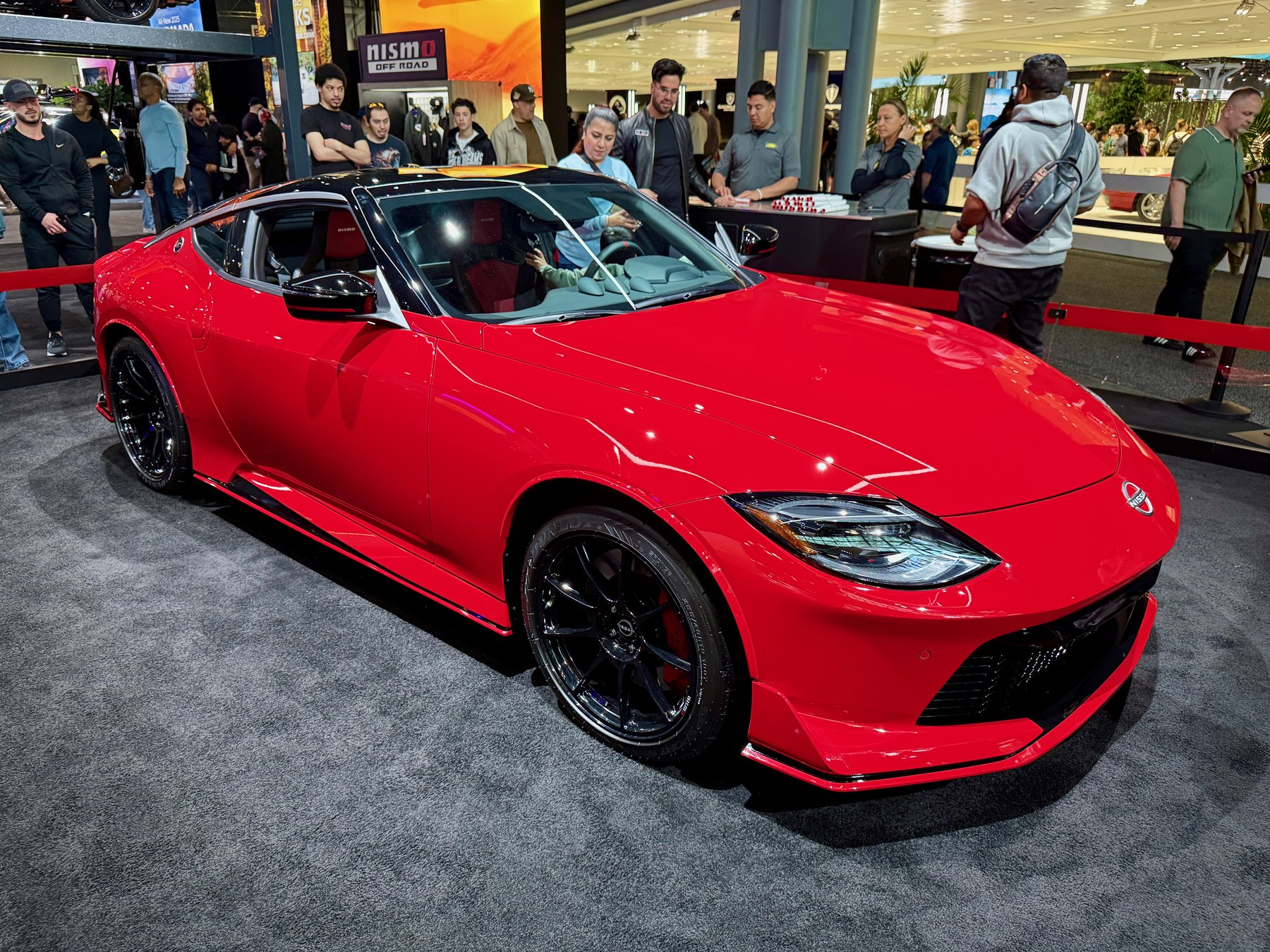
Nissan Finally Put a Third Pedal in the Z NISMO. Then It Made Sure Almost Nobody Can Buy One.
420 horsepower, GT-R brakes, seven percent shorter throws, and no price premium over the automatic. Also: a reported allocation of two or three Zs per dealer for the entire model year, and a manual NISMO build share in the single digits.
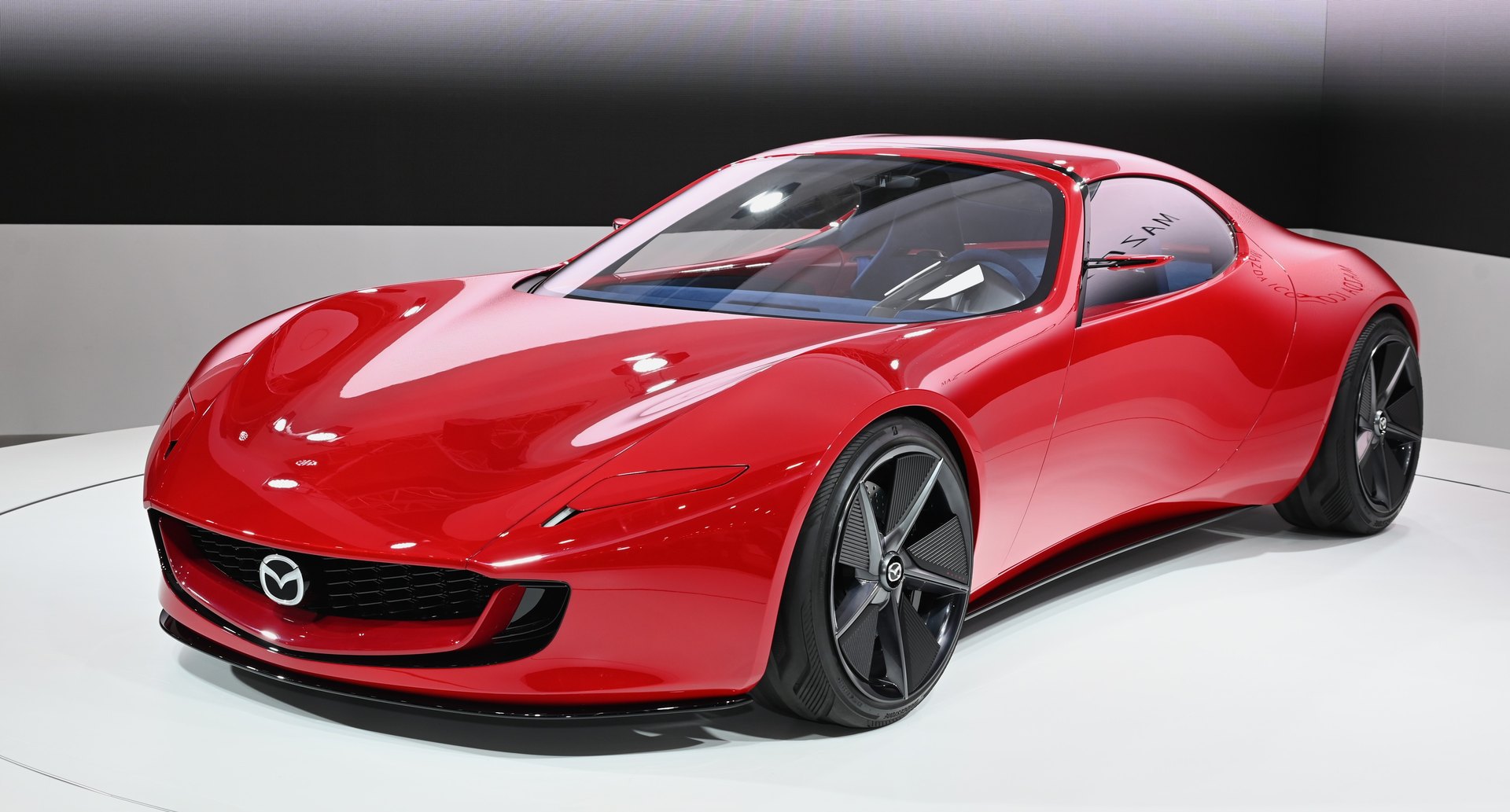
Mazda Says the Next Rotary Will Actually Turn the Wheels — and It Won't Be Bolted to a CVT
Speaking to Car Magazine, a Mazda Motor Europe product planner says the next Wankel won't sit in the nose charging a battery like the MX-30 R-EV's does. No model, no date, no output figure. The thing being promised is a character, not a car.