
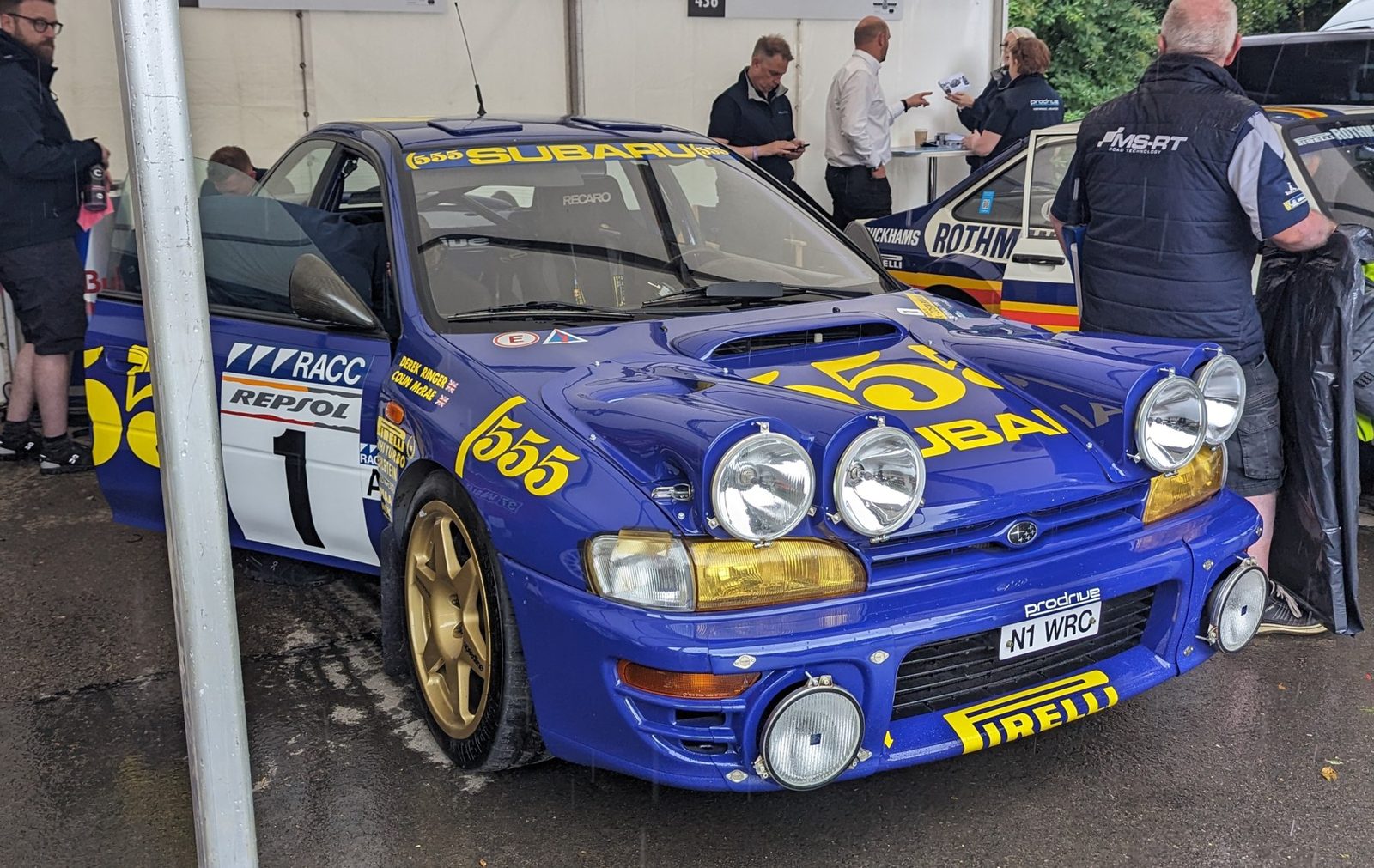
Why Rally Cars Pop, Bang, and Spit Flame Between Gears
Anti-lag isn't a sound effect. It's a deliberate, destructive trick to keep a turbo spinning at full speed with the throttle closed — and it's been burning through rally turbochargers on purpose since Formula 1 first tried it in the 1980s.
The pops and flame-spitting overrun sound that made 1990s and 2000s rally cars instantly recognizable isn't a byproduct of anything — it's the sound of an engine being deliberately, expensively abused so that a turbocharger never has to spin back down. The problem it solves is turbo lag: lift off the throttle for a gearshift or a braking zone, and exhaust flow drops immediately, the turbine slows, and when the driver gets back on the gas a moment later, there's a real, measurable delay before boost returns. On a rally stage measured in tenths of a second between corners, that delay is the whole race. Anti-lag exists to make it disappear entirely, by keeping the turbine spinning at or near full speed even while the throttle is closed.
One of the earliest documented systems came from Ferrari's Formula 1 team in the 1980s, using an intake bypass approach — pressurized air that would normally go to the engine is instead routed directly into the exhaust manifold when the throttle closes, where it mixes with hot exhaust gas and keeps the turbine loaded and spinning. Rally teams adapted and refined the idea through the 1990s, with production-based World Rally Championship cars like the Toyota Celica GT-Four (ST205) and Mitsubishi Lancer Evolution III running versions of it in period. The more common rally implementation — the one responsible for the loud, violent bangs fans actually associate with anti-lag — works differently: instead of rerouting air, it retards ignition timing dramatically, firing the spark as late as 35 to 45 degrees after top dead center, while richening the fuel mixture. Combustion that should have happened in the cylinder instead happens partway down the exhaust pipe, in a controlled explosion that keeps exhaust pressure and turbine speed up even with the throttle shut.
It's effective and it's also genuinely hard on the hardware. Igniting fuel in the exhaust manifold instead of the combustion chamber exposes the turbine, manifold, and exhaust valves to heat and pressure spikes they weren't designed around, and WRC-level anti-lag use is a real contributor to how often top-level rally turbochargers get rebuilt or replaced. Teams accept the wear because the alternative — a turbo that has to spin back up from idle out of every single corner — costs more time than the hardware damage costs money at that level of competition.
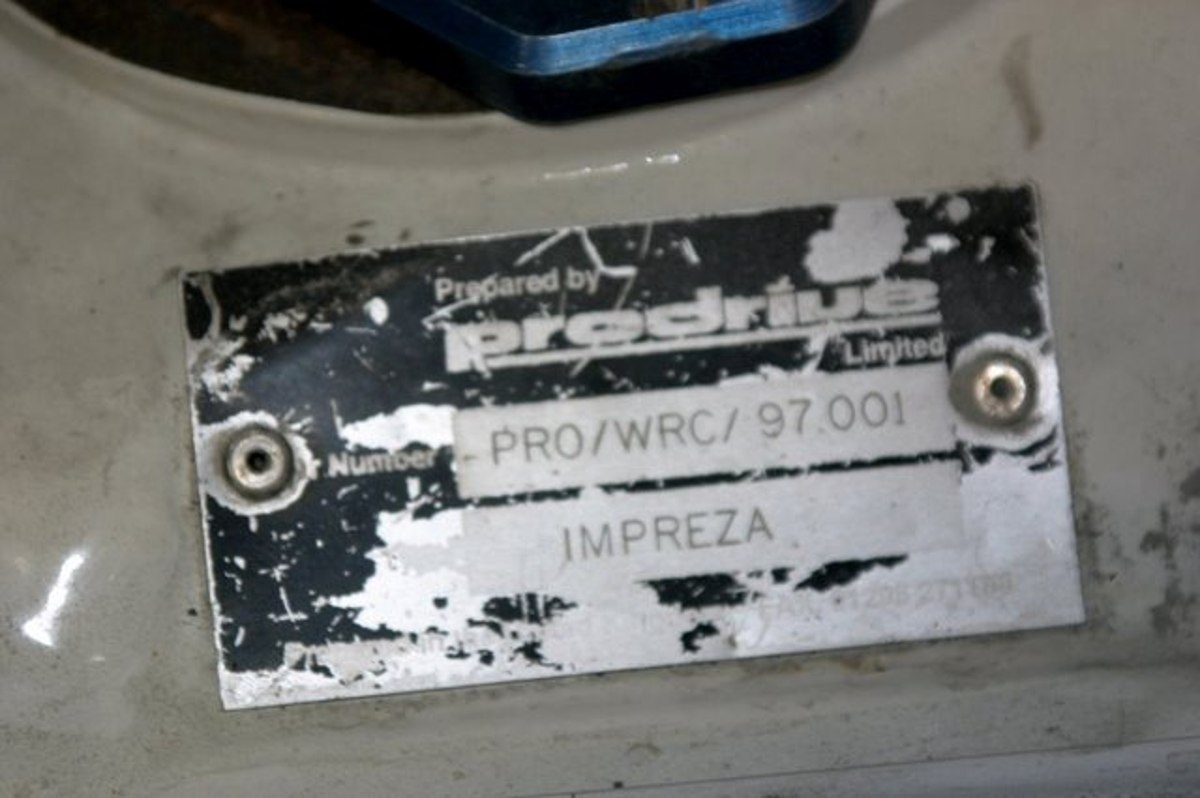
Prodrive, the team behind Subaru's factory WRC program through the Colin McRae and Richard Burns era, built one of the most famous versions of this system, nicknamed "Rocket" by the crews who ran it — loud enough and aggressive enough that it became part of the car's identity as much as the blue-and-gold 555 livery. More recent factory systems have moved toward cleaner versions of the original Ferrari approach: Toyota's Fresh Air Anti-Lag routes genuinely fresh intake air into the exhaust rather than relying on retarded, unburned fuel, producing less stress on the hardware and finer ECU control, at the cost of the theatrical flames that made the older systems famous. The engineering goal hasn't changed since the 1980s — never let the turbo spin down — only how much collateral damage teams are willing to accept to get there.
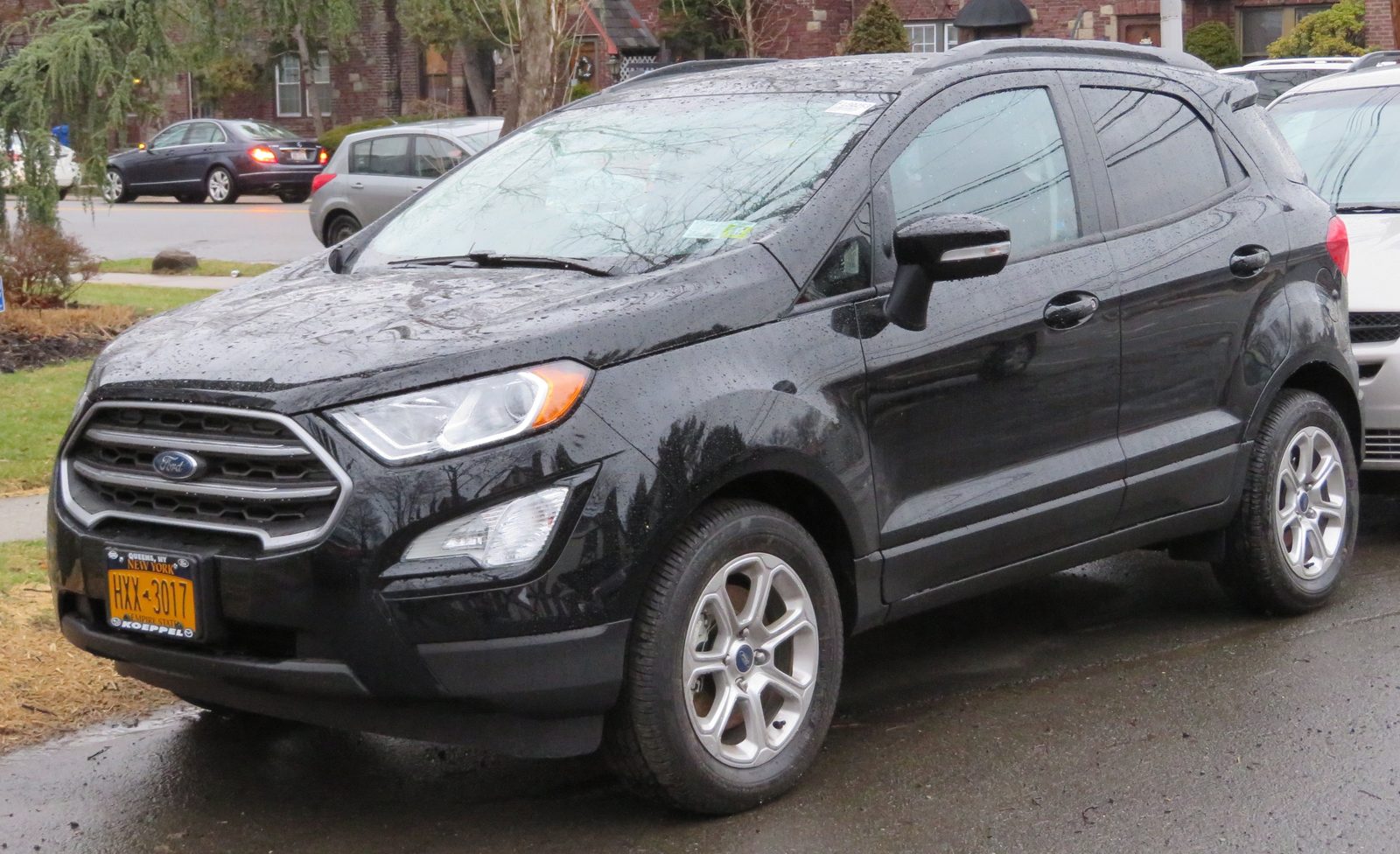
Ford Ran the Timing Belt Through the Oil. Federal Investigators Say the Belt Is Now Starving the Engine.
A belt-in-oil drive is quieter and lower-friction than a chain. NHTSA's new engineering analysis says the 1.0-liter EcoBoost's belt sheds material that clogs the oil pump pickup — and that screen can't be cleaned without pulling the engine.
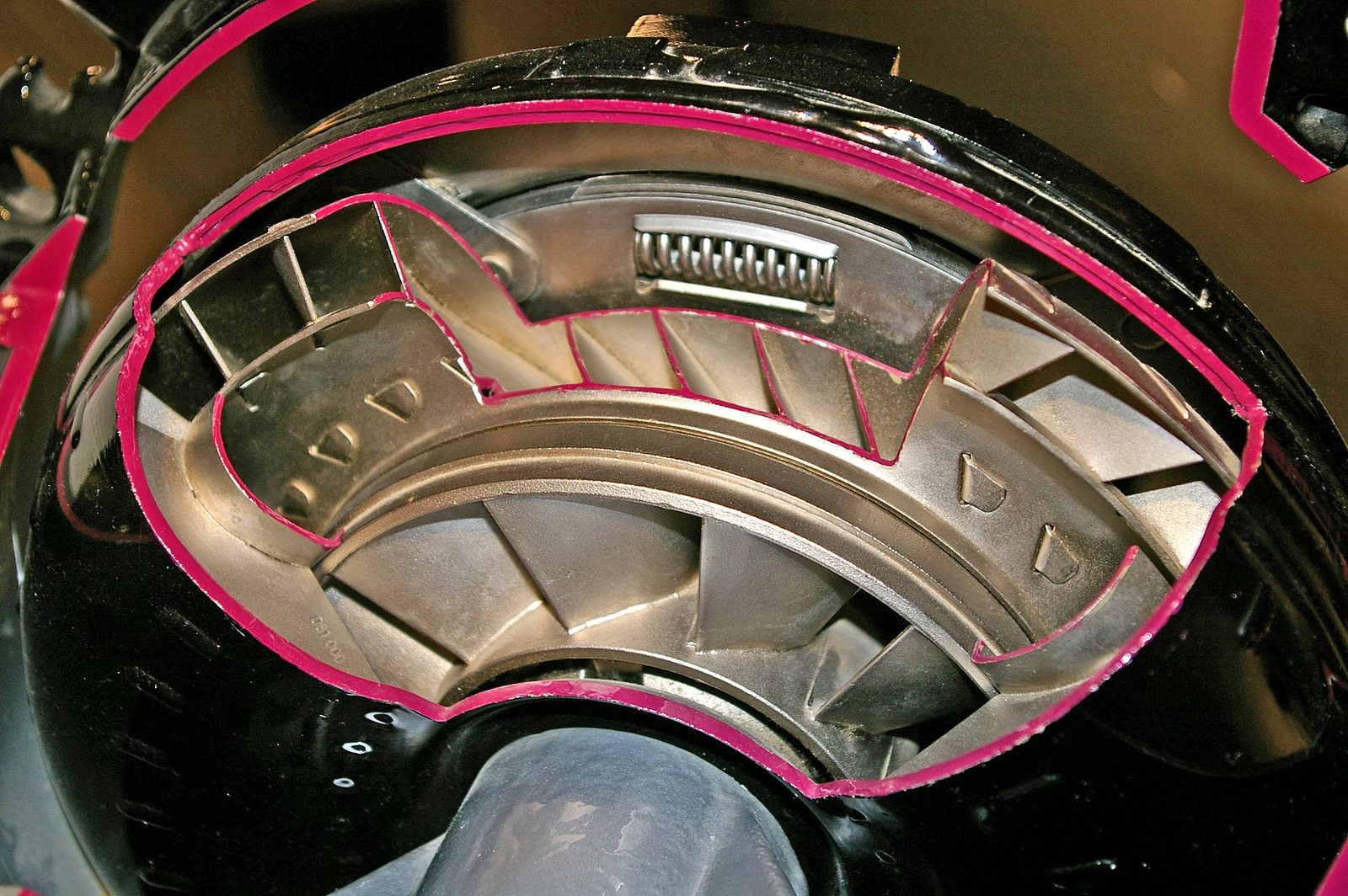
The Automatic's Oldest Trick: How a Torque Converter Multiplies Torque With No Gears
It has no gear teeth and nothing that meshes, yet a torque converter can roughly double engine torque off the line. The part doing the work is the one bolted to nothing at all.
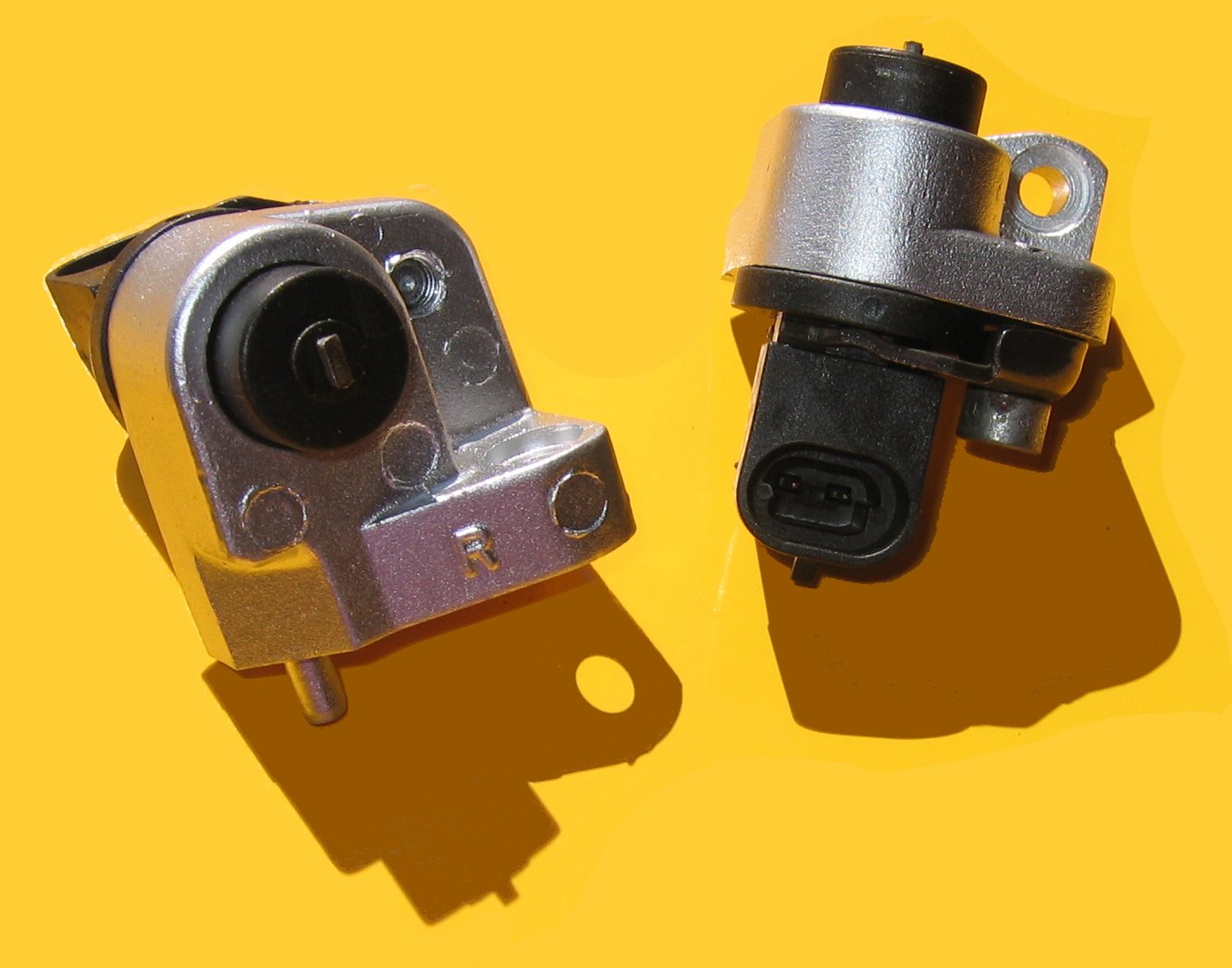
How Electronic Stability Control Reads a Slide and Corrects It Before the Driver Even Feels It
A network of wheel-speed, steering-angle, and yaw sensors checks the car's actual path against the driver's intended one many times a second — and brakes a single wheel to pull it back if the two disagree.