
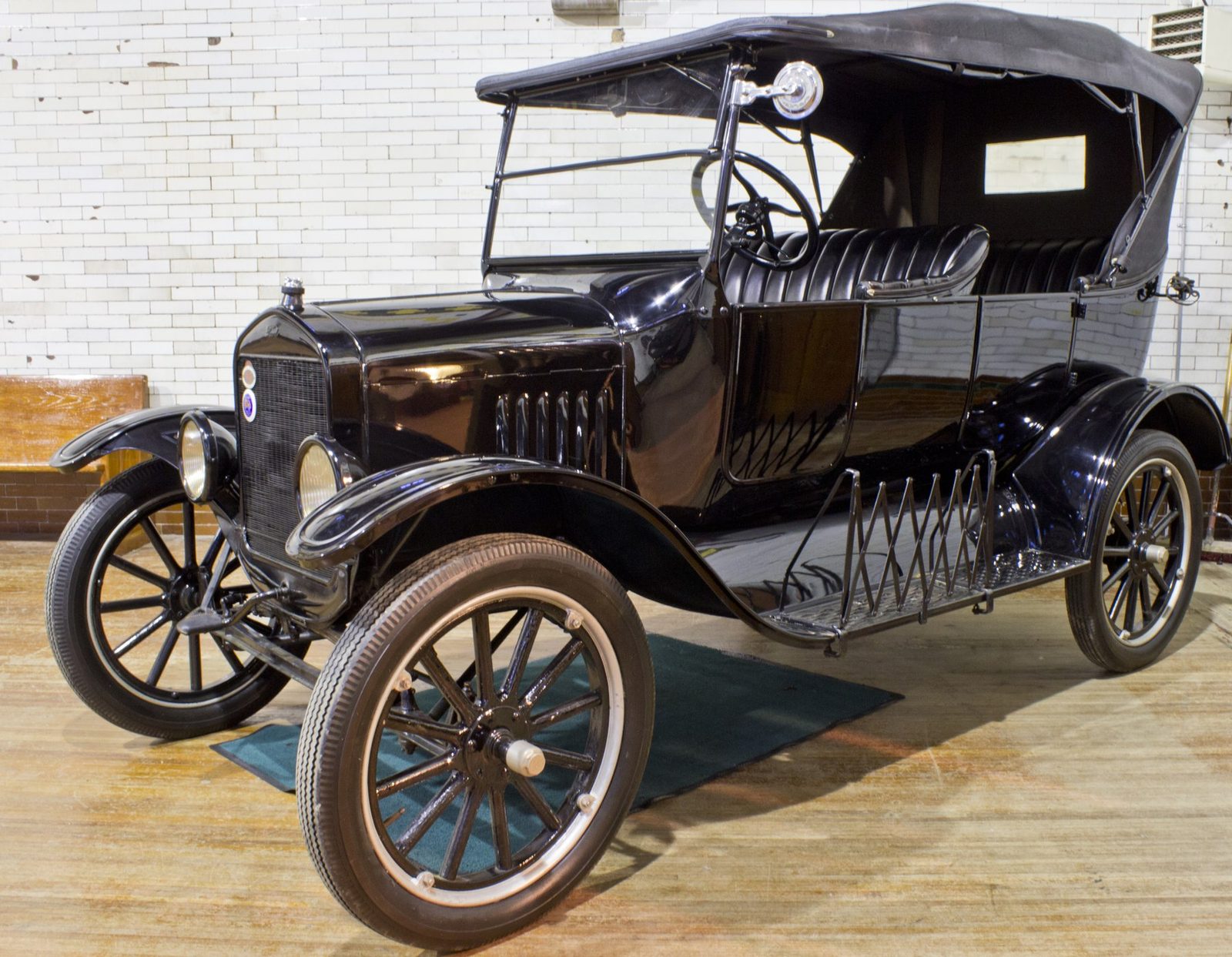
"Any Color So Long As It's Black" Was a Chemistry Problem, Not a Preference
Henry Ford's black paint wasn't a style choice — it was the only finish that dried fast enough to keep an assembly line moving. Everything since has been chemistry catching up to what car buyers actually wanted.
Henry Ford's line about the Model T — customers could have any color "so long as it is black" — gets repeated as evidence of one man's stubbornness. It wasn't stubbornness. It was the only finish that could keep up with the assembly line he'd just invented. Ford's black japan enamel, an asphalt base dissolved in naphtha or turpentine with linseed oil and drying agents mixed in, got baked onto bare metal at around 200°C for up to an hour. Ford actually ran two coats — an F-101 base layer bonded to the metal, then an F-102 finish coat — and the asphalt-based formula (built around a specific asphalt called Gilsonite) was chosen because it stayed flexible enough to survive vibration and heat without cracking. It was durable, it was cheap, and critically, it was fast enough not to bottleneck the line. Every other paint available in the 1910s took weeks to cure. That's the whole reason the Model T was black: it was an engineering constraint wearing a style choice's clothes.
The constraint broke in December 1923, at the New York Automobile Show, when the Oakland Motor Car Company — a GM division — unveiled a line of 1924 touring cars finished in a new two-tone blue with red or orange accent striping, marketed as "True Blue." The finish was DuPont's Duco, a nitrocellulose lacquer originally developed for coloring pencils, adapted for auto bodies. Unlike Ford's baked enamel, Duco dried through solvent evaporation alone — about two hours, versus weeks for the old oil-and-varnish paints — while opening up genuine color range for the first time. Demand for Oakland's blue cars was immediate enough that GM leadership pushed Duco across its entire lineup within months. Japan black, the finish that had defined the automobile as an object for nearly two decades, was functionally obsolete by the end of the 1920s.
The next real jump wasn't about color at all — it was about rust. In 1957, Ford chemist Dr. George Brewer developed anodic electrocoating, a process that runs an electric current through a paint bath to deposit a uniform primer layer across every surface of a car body, including the seams and cavities a spray gun physically can't reach. PPG Industries improved on it in 1973 with cathodic e-coat, which bonds even more effectively and is still the industry-standard priming method today. It's not a visible layer and nobody buys a car because of it, but it's arguably done more for how long a car actually lasts than any topcoat innovation before or since.
Color and gloss caught up through the rest of the century in stages: acrylic lacquers and enamels through the 1950s-70s improved durability and, critically, gave metallic paints something to bind to correctly. Basecoat/clearcoat systems arrived in the 1980s — a thin layer carrying color and metallic flake, protected by a separate, thicker clear layer on top — which is why modern metallic and pearl finishes have depth that 1970s paint never had. Waterborne basecoats followed in the 1990s, driven by environmental regulation rather than aesthetics, cutting the solvent content of automotive paint dramatically without giving up the color range Duco had first unlocked seventy years earlier.
None of this reads as dramatic compared to an engine or a chassis, but the paint on a car is doing real structural work: it's the actual barrier between a steel body and the rust that would otherwise end it in a decade. Every stage of that history — Ford's baked asphalt, DuPont's lacquer, Brewer's electrocoat bath, basecoat/clearcoat, waterborne basecoats — was solving a real engineering problem first and a styling problem second, even when the styling result is the only part anyone remembers.
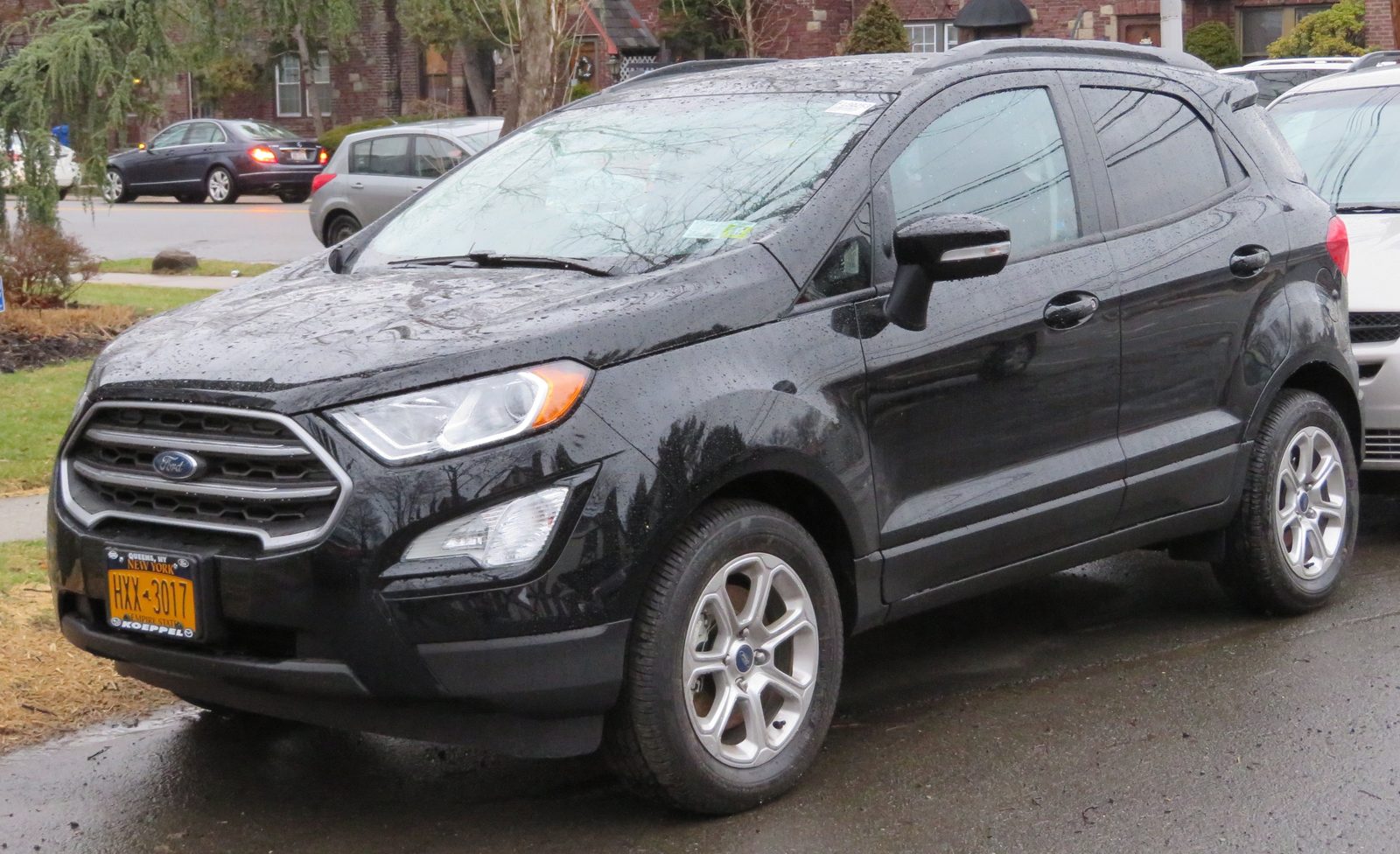
Ford Ran the Timing Belt Through the Oil. Federal Investigators Say the Belt Is Now Starving the Engine.
A belt-in-oil drive is quieter and lower-friction than a chain. NHTSA's new engineering analysis says the 1.0-liter EcoBoost's belt sheds material that clogs the oil pump pickup — and that screen can't be cleaned without pulling the engine.
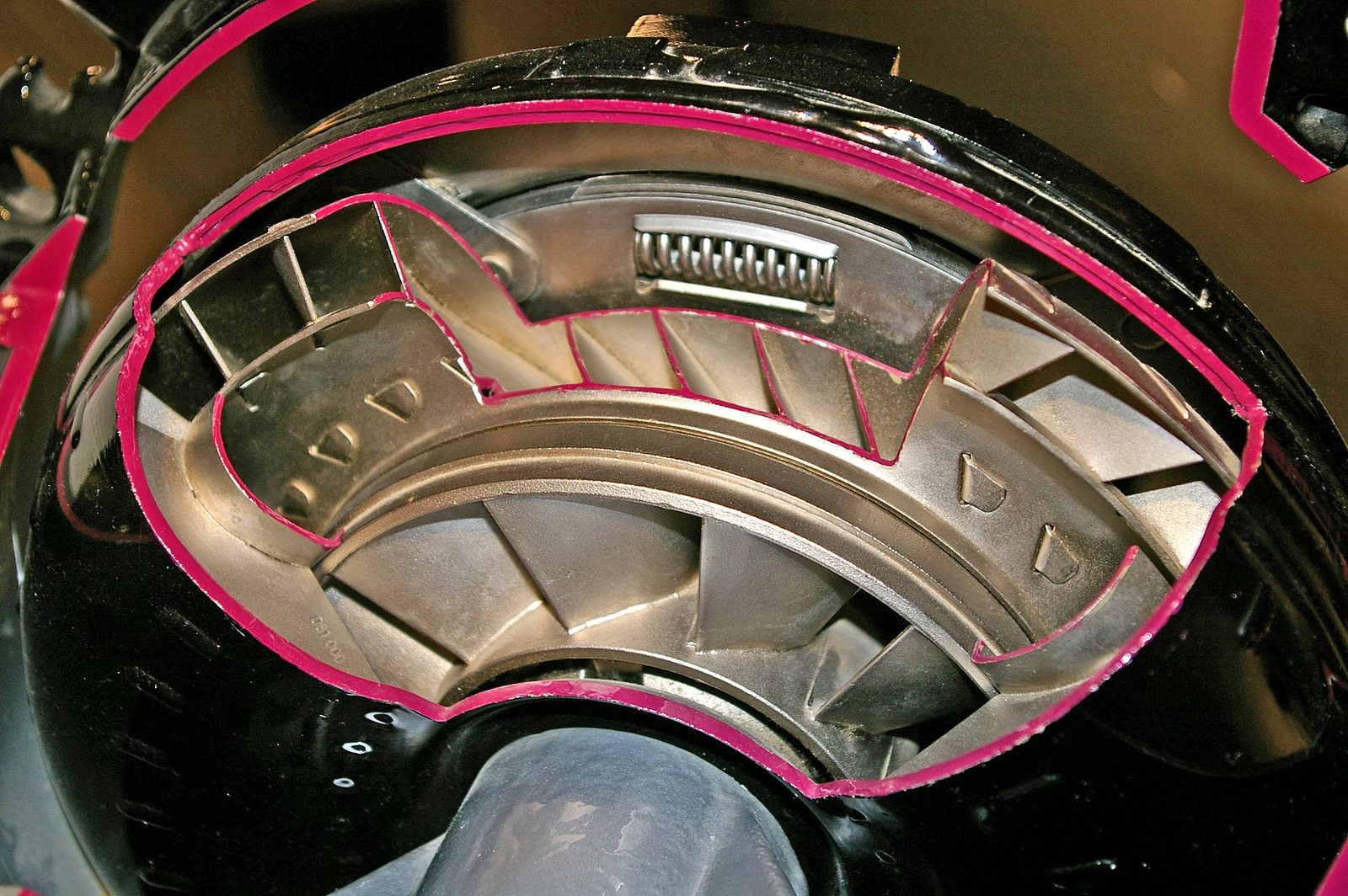
The Automatic's Oldest Trick: How a Torque Converter Multiplies Torque With No Gears
It has no gear teeth and nothing that meshes, yet a torque converter can roughly double engine torque off the line. The part doing the work is the one bolted to nothing at all.
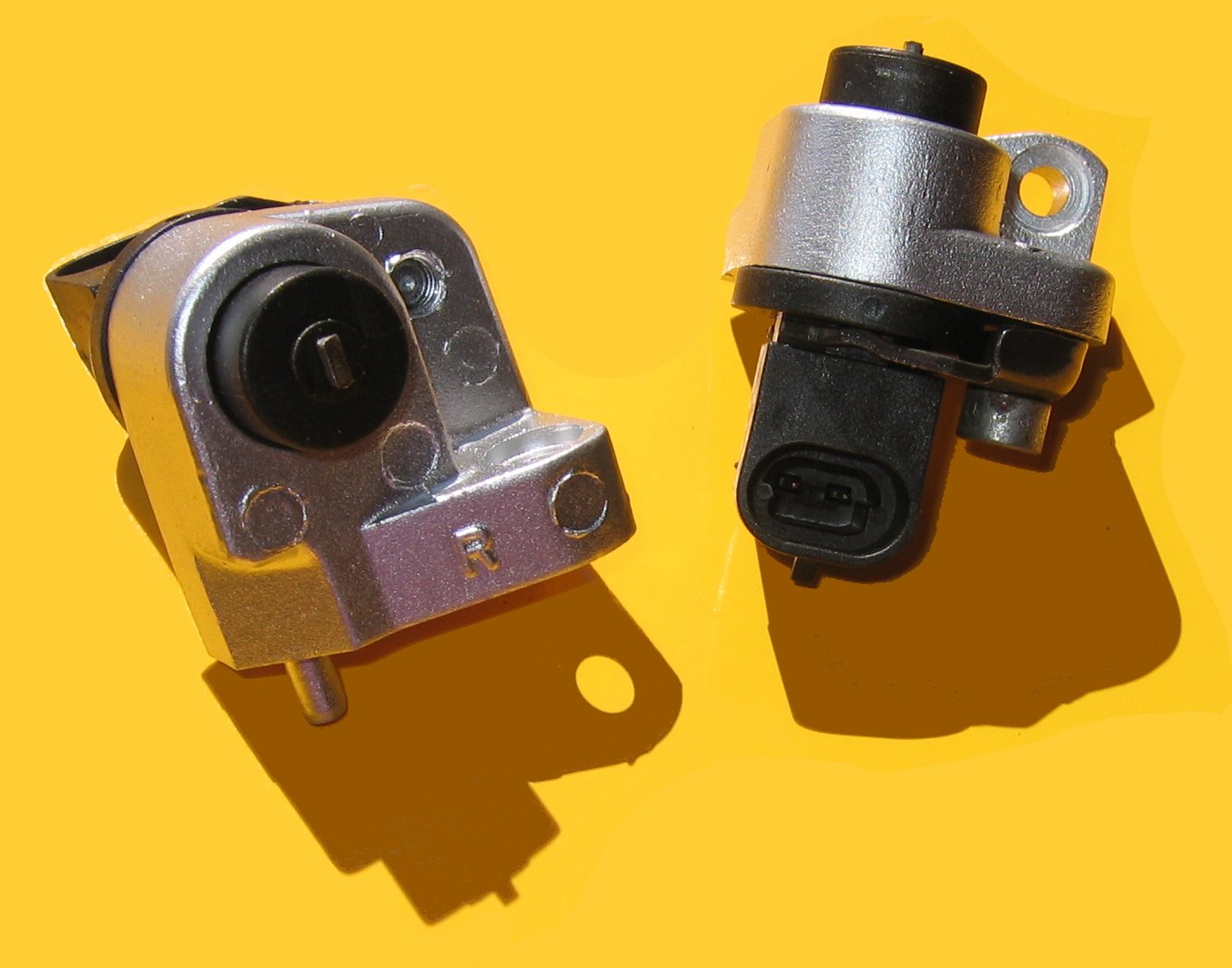
How Electronic Stability Control Reads a Slide and Corrects It Before the Driver Even Feels It
A network of wheel-speed, steering-angle, and yaw sensors checks the car's actual path against the driver's intended one many times a second — and brakes a single wheel to pull it back if the two disagree.