

Coilovers vs. Lowering Springs: What You're Actually Buying
Both drop your car's ride height. Only one of them is actually built to handle the spring rate it's running — the difference comes down to what's happening inside the damper.
"Lower my car" can mean two very different jobs under the sheet metal, and the two most common ways to do it get lumped together far more often than they should be. Lowering springs and coilovers both shrink the gap between fender and tire. Only one of them is actually engineered as a matched system to do it.
A lowering spring is the simpler of the two: a replacement coil spring, shorter and usually stiffer than the factory part, that bolts into the car's existing strut or shock assembly. It drops ride height by anywhere from about half an inch to two inches, depending on the spring, at a fraction of the cost of a full suspension setup. The catch is what it bolts onto. The factory shock was valved — meaning its internal piston and oil-flow passages were tuned — around the factory spring's rate. Swap in a noticeably stiffer spring and the stock damper is now controlling more force than it was designed for, which is the mechanical reason lowering-spring cars can develop a harsher, less controlled ride, and why worn-out stock shocks are a common complaint on cars running springs alone.
A coilover sidesteps that mismatch by replacing the spring and the damper together, as a single engineered unit — the name comes from "coil over shock." Because the spring and damper ship as a set, the damper's valving is built around the spring rate it's actually going to see. Ride height on a coilover is typically adjusted one of two ways: a threaded spring perch that changes preload on the spring, or, on the better units, a separate threaded sleeve on the damper body itself, which changes ride height without disturbing how much the spring is preloaded or how much bump travel is left before the suspension tops out. Many coilovers add external damping adjustment on top of that — a knob that restricts or opens the oil passages inside the shock, giving separate control over how the suspension reacts to a sharp bump (compression) versus how quickly it settles back afterward (rebound).
None of that makes lowering springs a bad product — for a car that just needs to sit noticeably lower without a four-figure suspension budget, they do exactly what they're built to do. But the springs-versus-coilovers question isn't really about how low a car sits. It's about whether the part controlling the spring was ever designed to control that spring in the first place.

Ford Ran the Timing Belt Through the Oil. Federal Investigators Say the Belt Is Now Starving the Engine.
A belt-in-oil drive is quieter and lower-friction than a chain. NHTSA's new engineering analysis says the 1.0-liter EcoBoost's belt sheds material that clogs the oil pump pickup — and that screen can't be cleaned without pulling the engine.
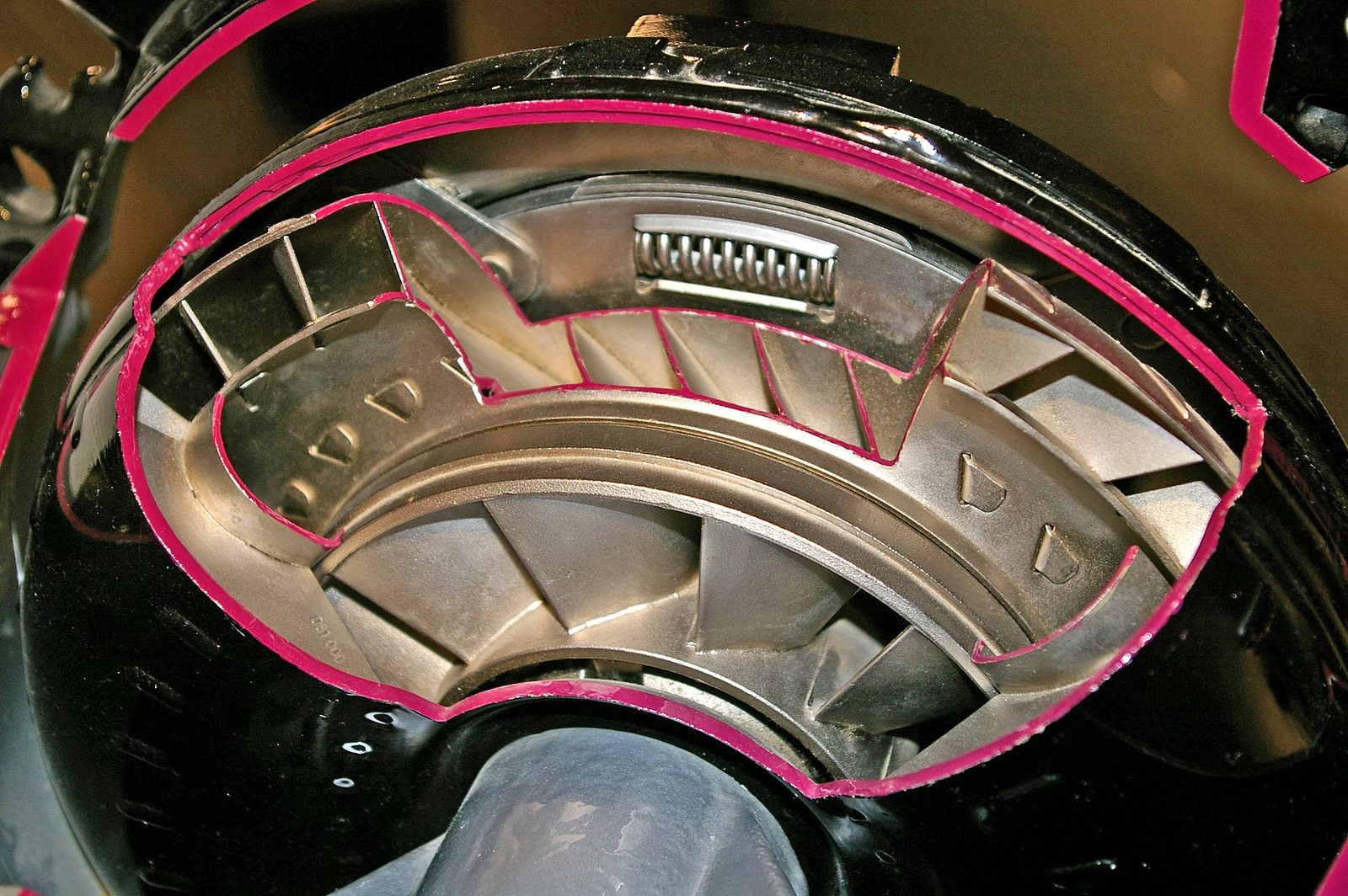
The Automatic's Oldest Trick: How a Torque Converter Multiplies Torque With No Gears
It has no gear teeth and nothing that meshes, yet a torque converter can roughly double engine torque off the line. The part doing the work is the one bolted to nothing at all.
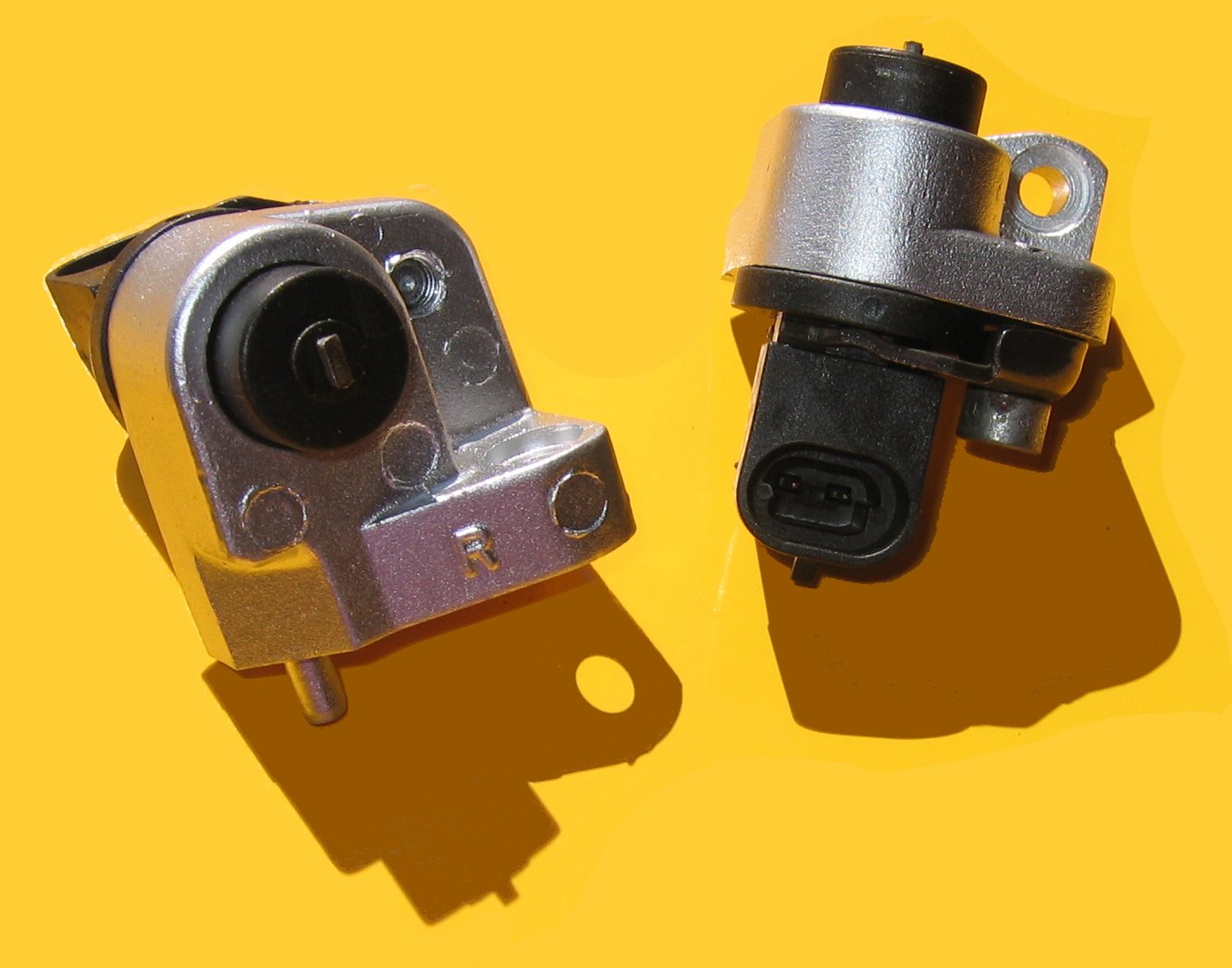
How Electronic Stability Control Reads a Slide and Corrects It Before the Driver Even Feels It
A network of wheel-speed, steering-angle, and yaw sensors checks the car's actual path against the driver's intended one many times a second — and brakes a single wheel to pull it back if the two disagree.