
Ford Ran the Timing Belt Through the Oil. Federal Investigators Say the Belt Is Now Starving the Engine.
A belt-in-oil drive is quieter and lower-friction than a chain. NHTSA's new engineering analysis says the 1.0-liter EcoBoost's belt sheds material that clogs the oil pump pickup — and that screen can't be cleaned without pulling the engine.
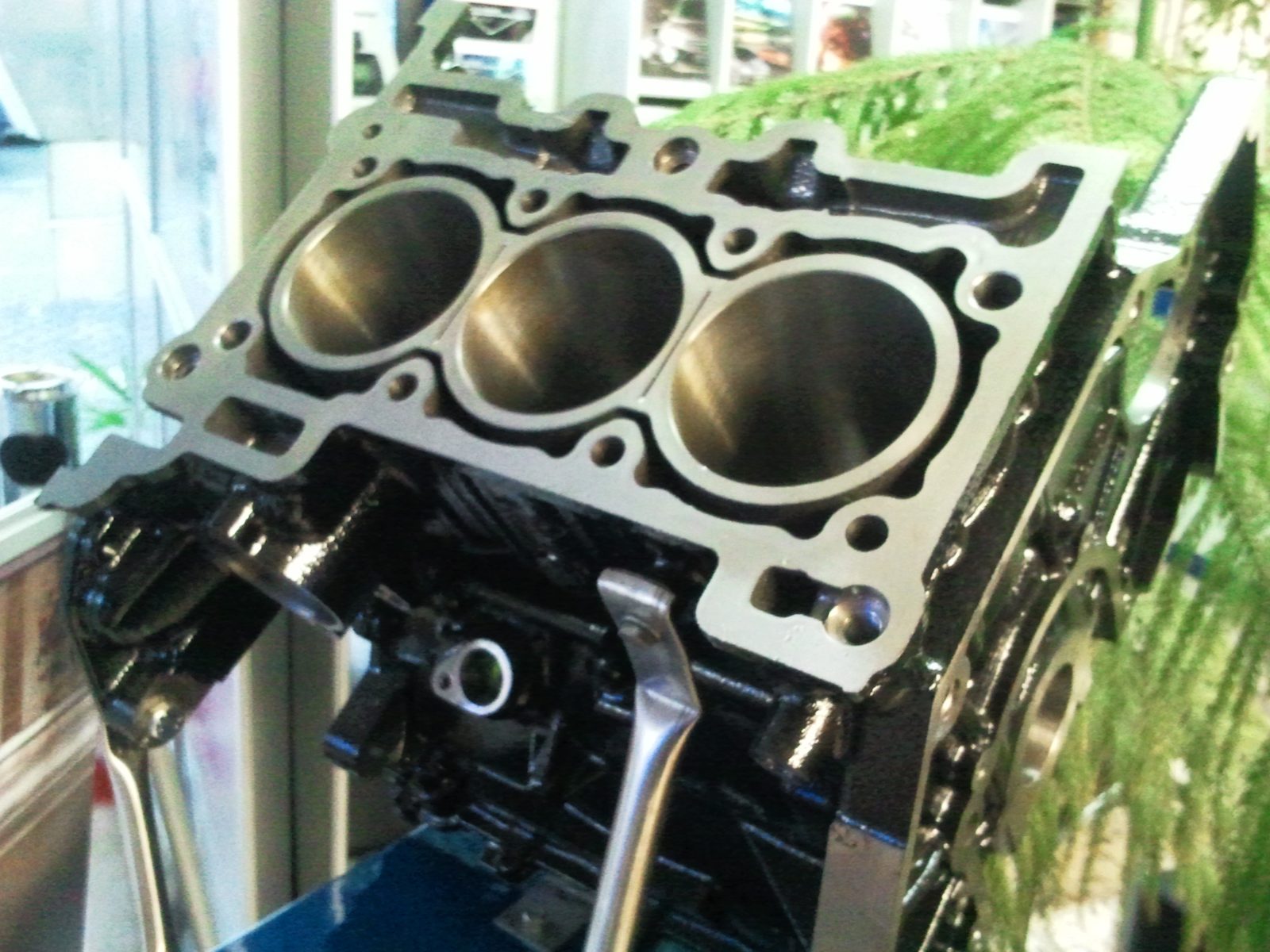
A conventional timing belt lives on the outside of the engine, behind a plastic cover, in the dry. A wet belt does not. It runs inside the crankcase, submerged in the same oil that feeds the bearings, doing the same job a timing chain would do in the same space. Ford's 1.0-liter three-cylinder EcoBoost is built that way, and the engineering case for it is straightforward: a toothed belt is lighter and quieter than a chain, running it in oil cuts frictional losses, and the noise question matters more than usual on a three-cylinder, which is inherently less balanced than a four.
The trade is equally straightforward, and it is the reason this design keeps ending up in front of regulators. A belt is a wear item. Put a wear item inside the lubrication circuit and everything it sheds goes into the oil rather than onto the outside of the block.
On July 31, 2026, NHTSA's Office of Defects Investigation opened EA26004, upgrading an existing inquiry into exactly that failure. The earlier investigation, PE25020, had been opened on December 18, 2025. An Engineering Analysis is the final procedural stage before the agency can press a manufacturer for a recall.
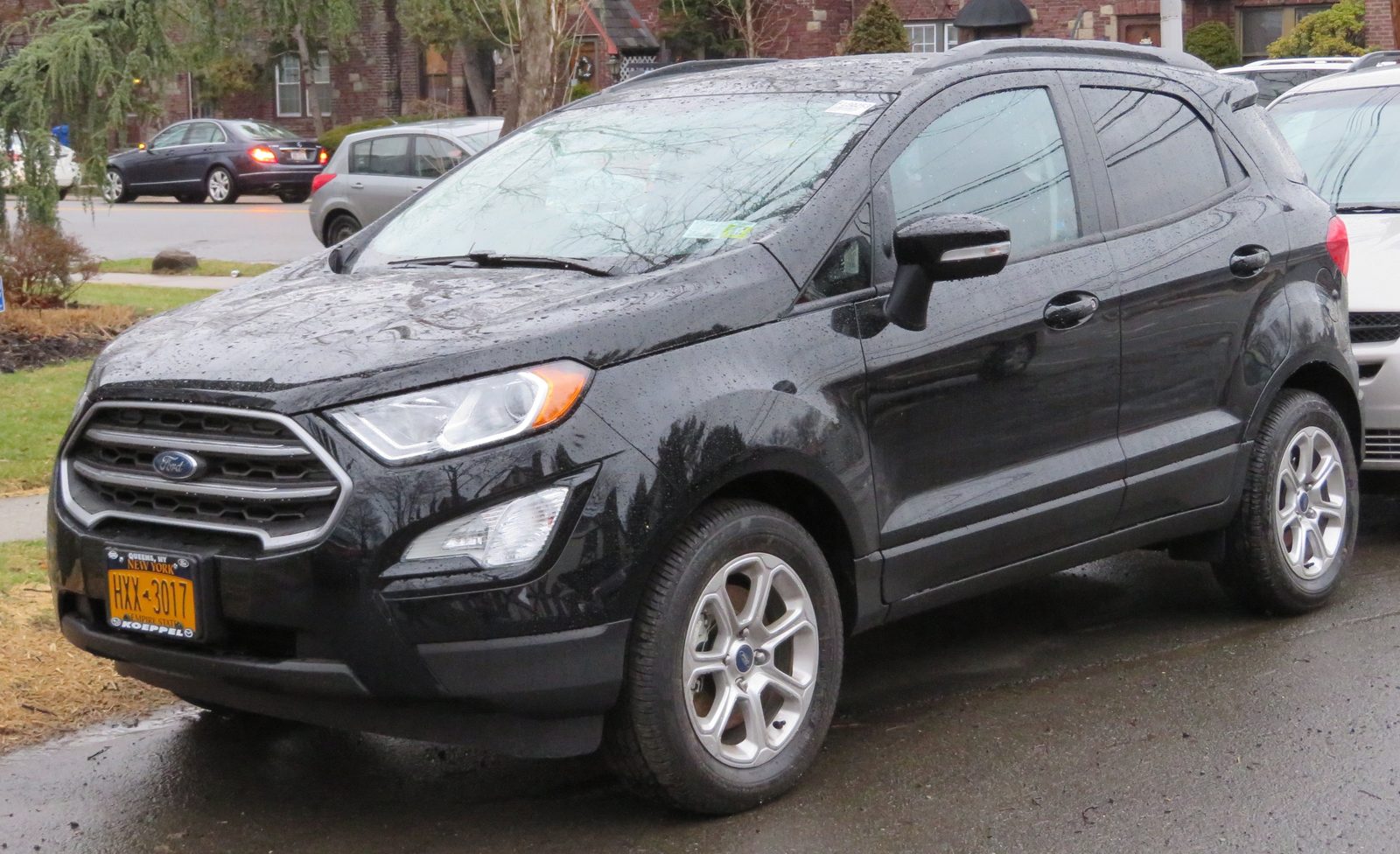
The population is 135,551 vehicles. The subject cars are model-year 2014–2017 Ford Fiestas and 2015–2018 Focuses with the 1.0-liter engine and a manual transmission. ODI also pulled in model-year 2018–2021 EcoSports and 2016–2018 Focuses with the 1.0-liter and an automatic as peer vehicles, on the grounds that they use a wet timing belt made of similar material even though they generated fewer complaints. All three nameplates have since been discontinued in the United States.
The mechanism ODI describes is specific. The belt material degrades and creates debris. That debris clogs the mesh screen on the oil pump pickup, which reduces oil pressure in the engine. As more debris accumulates on the screen, the engine loses lubrication, and the result is a loss of motive power while the car is moving.
What makes it a safety case rather than a durability case is how little warning the driver gets. Complaints commonly describe a low engine oil pressure warning lamp coming on immediately before a complete loss or reduction of power, with the car still in traffic. Some describe seizure with no warning at all. In the agency's words, "ODI's analysis supports that this failure can occur without sufficient and advanced warning to the driver that a loss of motive power/engine seizure is imminent."
ODI counted 355 incidents after removing duplicates, with no crashes, fires, injuries, or fatalities recorded in the file. The failure data Ford supplied showed an average failure mileage of roughly 70,000 miles, and that 98 percent of failures happened before the 150,000-mile timing belt replacement interval in the vehicles' own maintenance schedule. Consumer surveys and an engine teardown indicated the failures occurred despite evidence of proper, routine oil maintenance — which undercuts the obvious defense that owners were skipping services.
There is one more detail in the filing that explains why this is expensive rather than merely annoying: the oil pump pickup screen is not serviceable. Debris on it cannot be inspected or cleaned out without removing the engine from the car. By the time low oil pressure shows up on the dash, the part that caused it is behind a full engine-out job.
Ford has moved, though not with a recall. On June 2, 2026, it told ODI about a non-safety customer satisfaction program covering global vehicles with what the filing calls the 1.0-liter Fox Classic Timing Belt. That program notifies customers of a revised maintenance interval, cutting the belt's original 150,000-mile figure to 100,000 miles or six years, and offers reimbursement to eligible customers who already paid to have an engine repaired or replaced because of a timing-belt-related failure.
NHTSA was not satisfied that shortening the interval closes the gap. Citing its analysis of the data, the failure rates, Ford's own information, a preliminary engine teardown, and precedent recalls involving loss of oil pressure with driver-facing warnings, ODI wrote that it "believes there is an unreasonable risk to motor vehicle safety." The Engineering Analysis exists to run component-level and vehicle testing and settle the question.
The underlying lesson is not that belts belong outside engines. It is that a wet belt only works if the material it sheds over its service life stays below what the oil system can tolerate — and the failure mileage in this file sits at less than half the interval the belt was originally sold as being good for.
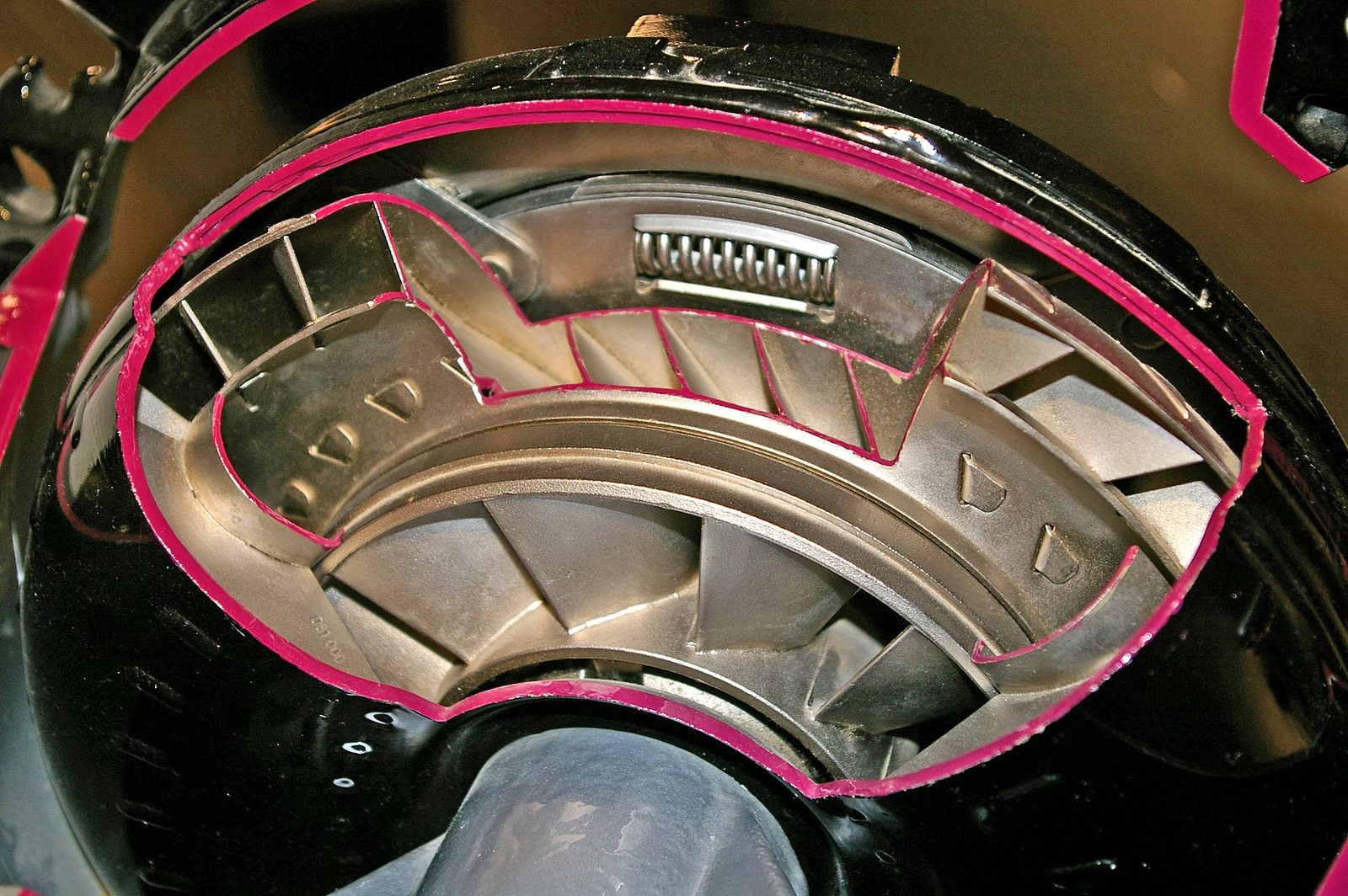
The Automatic's Oldest Trick: How a Torque Converter Multiplies Torque With No Gears
It has no gear teeth and nothing that meshes, yet a torque converter can roughly double engine torque off the line. The part doing the work is the one bolted to nothing at all.
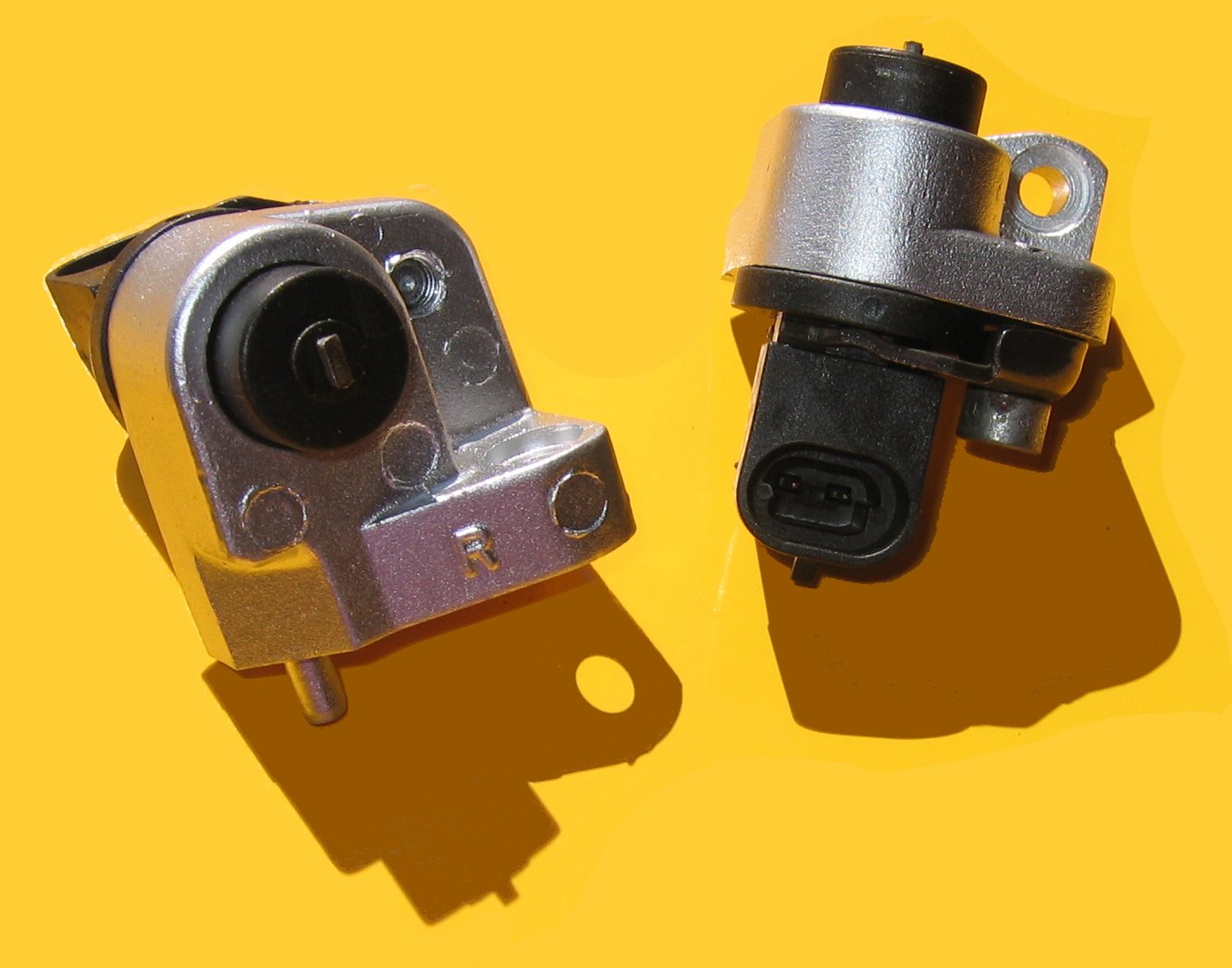
How Electronic Stability Control Reads a Slide and Corrects It Before the Driver Even Feels It
A network of wheel-speed, steering-angle, and yaw sensors checks the car's actual path against the driver's intended one many times a second — and brakes a single wheel to pull it back if the two disagree.
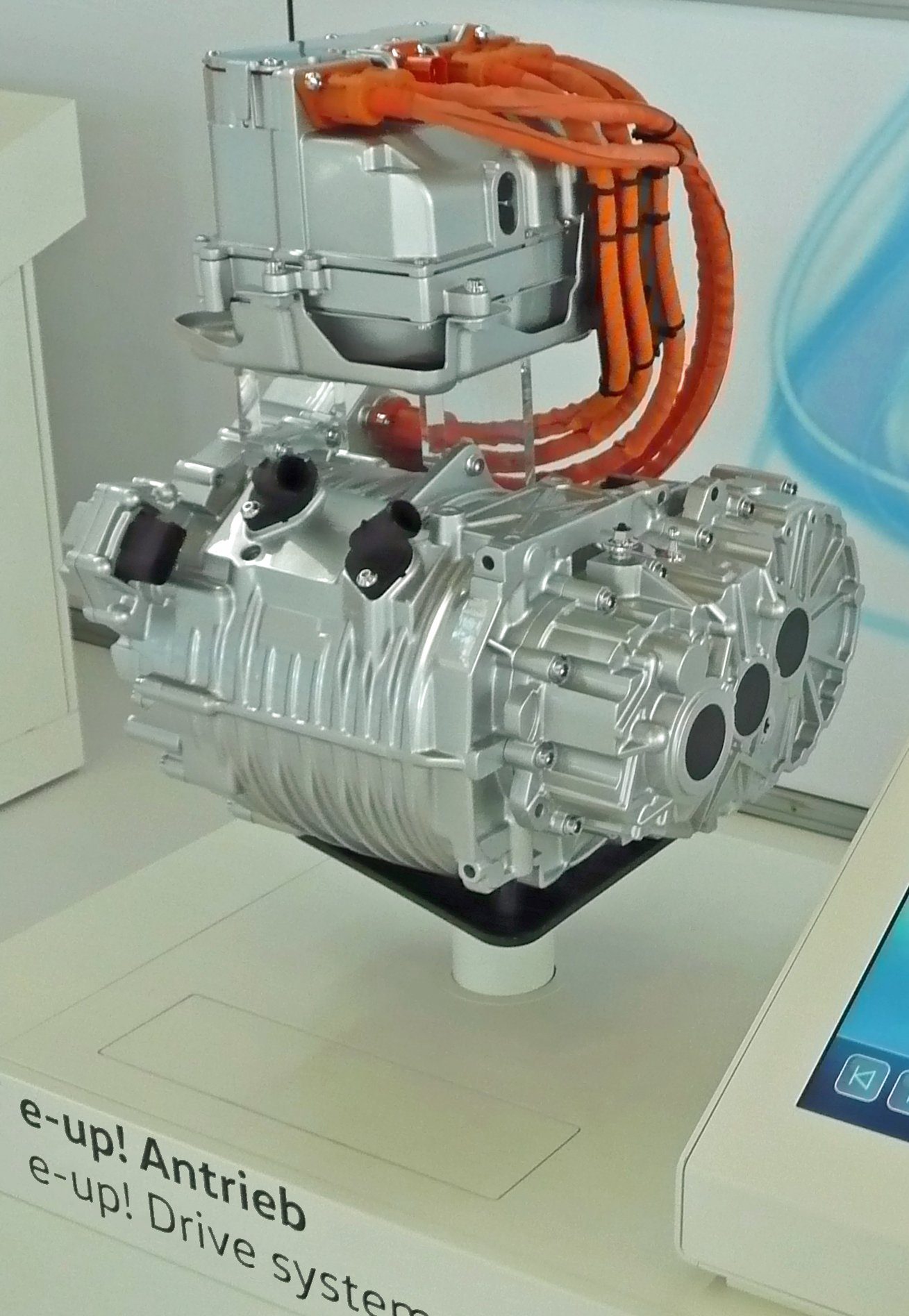
How Regenerative Braking Turns a Drive Motor Into a Generator — And Why It Still Needs Friction Brakes
Lifting off the accelerator in an EV or hybrid doesn't apply a "brake" in the traditional sense — it reverses the motor's job. Here's the mechanism behind that trick, how it's blended with hydraulic brakes to keep the pedal feeling normal, and why one-pedal driving isn't quite what it appears to be.