
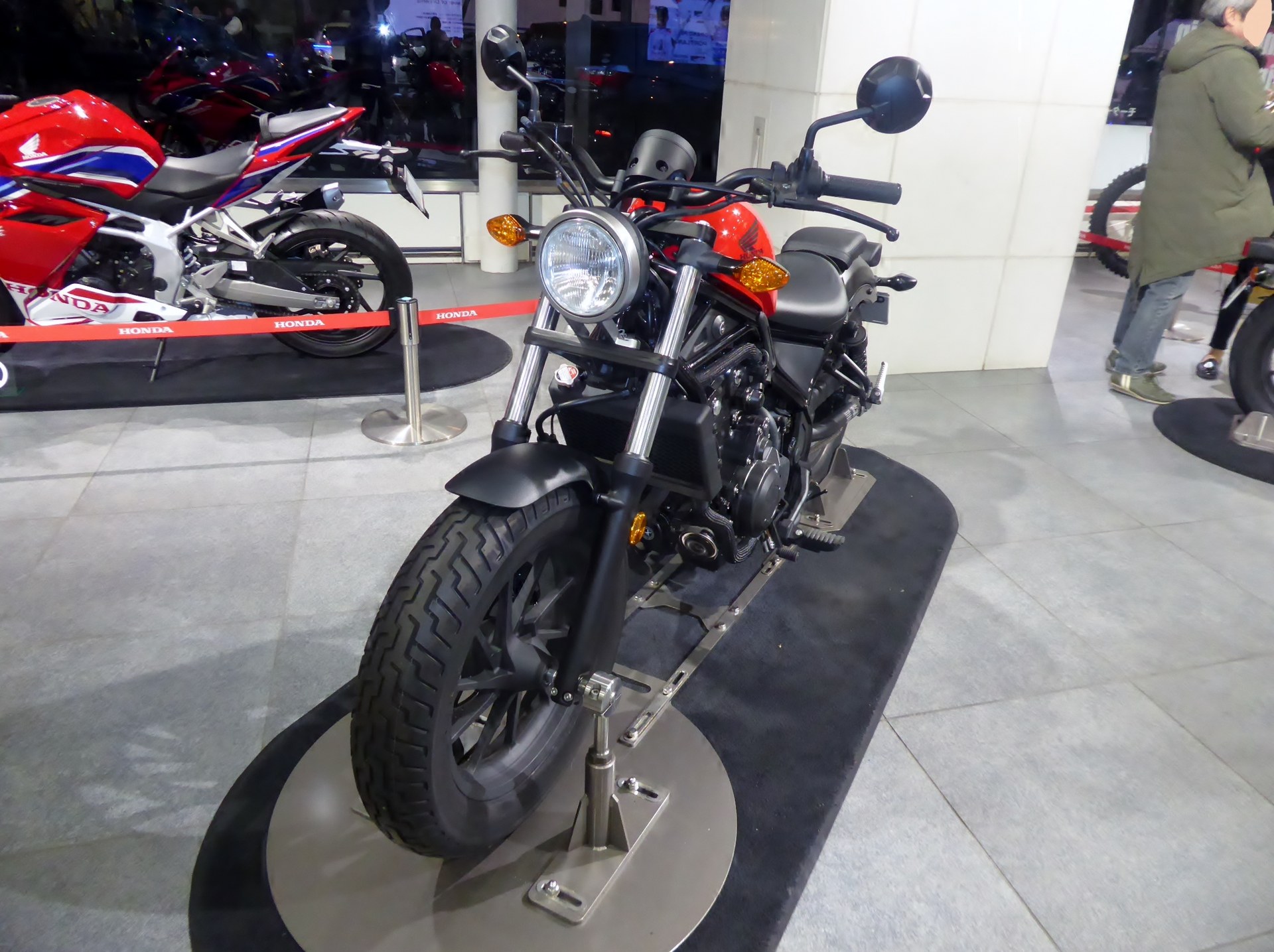
One Screw, 43,913 Motorcycles: Honda's Rebel Handlebar Recall More Than Doubles
A handlebar lock screw that can back out and drop into the steering head first put 19,406 bikes under recall in March. The expanded campaign reaches back to 2017 — and the final fix isn't ready yet.
American Honda has expanded a recall over a single handlebar fastener to 43,913 motorcycles in the United States, more than doubling a campaign that covered 19,406 machines when it was filed in March. The new action was filed with federal regulators on July 30 as NHTSA campaign 26V500000, and it carries the same internal Honda recall code as the first one: KUO.
The defect is the handlebar lock screw. In NHTSA's own wording, it "may loosen and detach" — and the consequence is what makes this a safety recall rather than a squeak-and-rattle complaint. A screw that comes out does not simply fall to the ground. The agency says it "may lodge between the frame and stem, interfering with steering and increasing the risk of a crash or injury." On a motorcycle, a steering input that suddenly meets resistance, or bars that will not return to center coming out of a corner, is a very short path to being on the floor.
The reason the population grew so much is that the original recall was drawn narrowly. Campaign 26V146000, filed on March 12, covered 2023–2025 CMX300, CMX500 and CL500 models. The expansion reaches back six more model years. It now covers 2017–2023 and 2025 CMX500 machines — sold in the U.S. as the Rebel 500 — along with 2017–2023 and 2025–2026 CMX300 Rebel 300s, and the 2025 SCL500.
That is close to the entire modern life of the Rebel 300 and 500. Honda introduced both in 2017 as the entry point to its street lineup, and they have been among the most consistently recommended first big-bike purchases in the U.S. market since. The recall population is a rough proxy for how many of them are out there.
The remedy is the same trivial-sounding fix it was in March: dealers replace the lock screw and apply thread lock, free of charge. What has changed is the timing. Owners covered by the original campaign already had their notification letters mailed on June 15. Owners newly swept into the expanded one are getting an interim letter instead, expected to go out on or about September 21, which notifies them of the safety risk without fixing anything. A second letter follows once the final remedy is available, which Honda anticipates in winter 2026.
In practical terms, that means a large share of the affected riders will spend a full riding season knowing about the defect before their dealer can act on it. VINs for the expanded campaign became searchable on NHTSA's site on August 4, so owners of any 2017-onward Rebel 300 or 500, or a 2025 SCL500, can check where their bike stands at nhtsa.gov/recalls or through American Honda's customer service line at 1-866-784-1870, rather than waiting on the mail.
There is a broader pattern worth noting here. Recalls that begin as a narrow build-window problem and then expand by an order of magnitude usually indicate the manufacturer traced the cause to something upstream of one batch — a torque procedure or an assembly instruction rather than a bad box of parts. Honda has not published a public breakdown of how many of the 43,913 bikes actually have a loose screw, and on an assembly-process defect there is no symptom a rider can reliably check from the saddle. That is what the free inspection-and-replace is for, whenever the parts arrive.
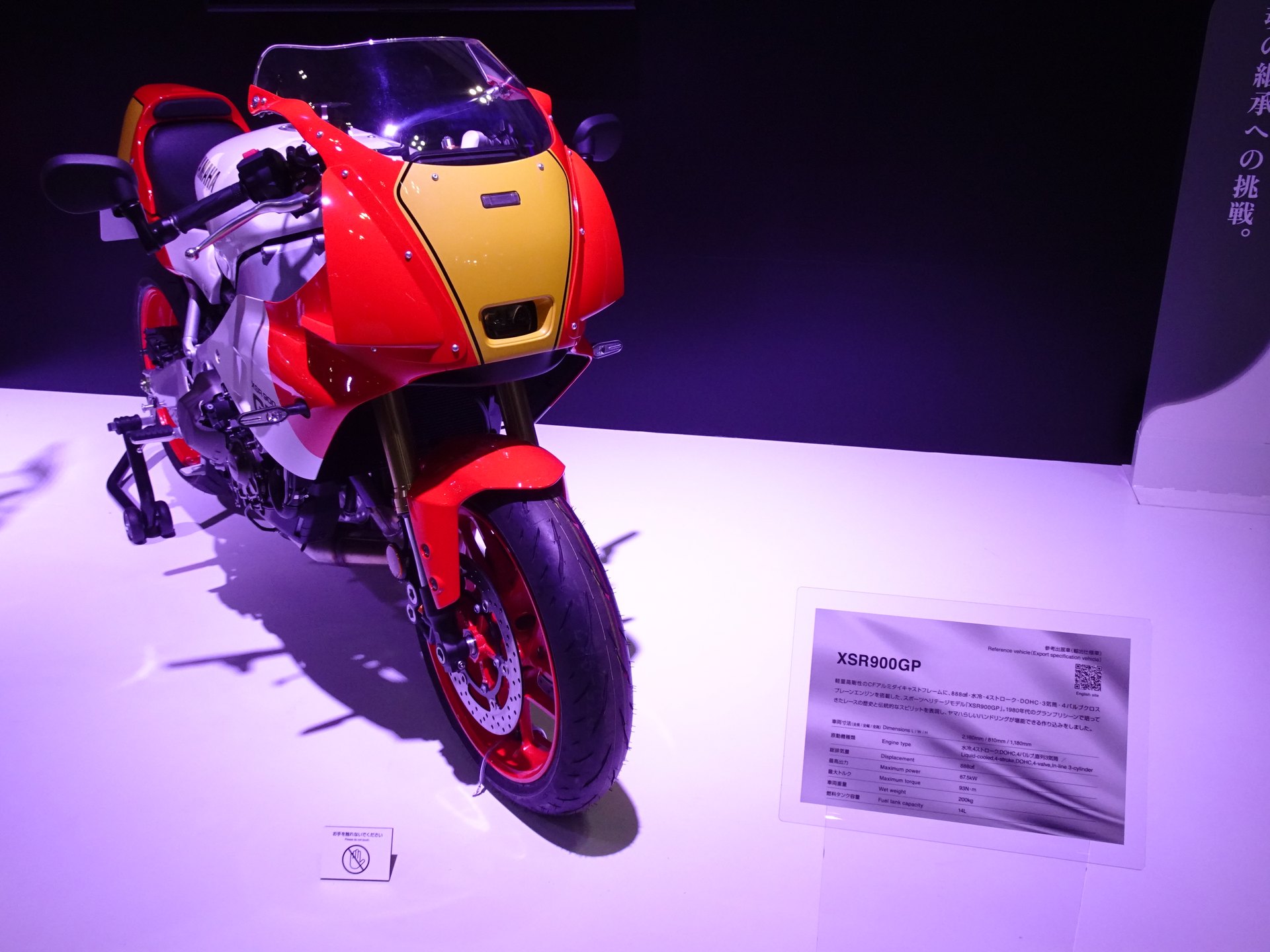
The XSR900 GP Is Finally Coming to America, and a Smog Filing Gave It Away
A California Air Resources Board executive order dated August 3 certifies Yamaha's half-faired, clip-on-barred 890cc triple as a 2027 model — two years after Europe got it and with no announcement from Yamaha yet.
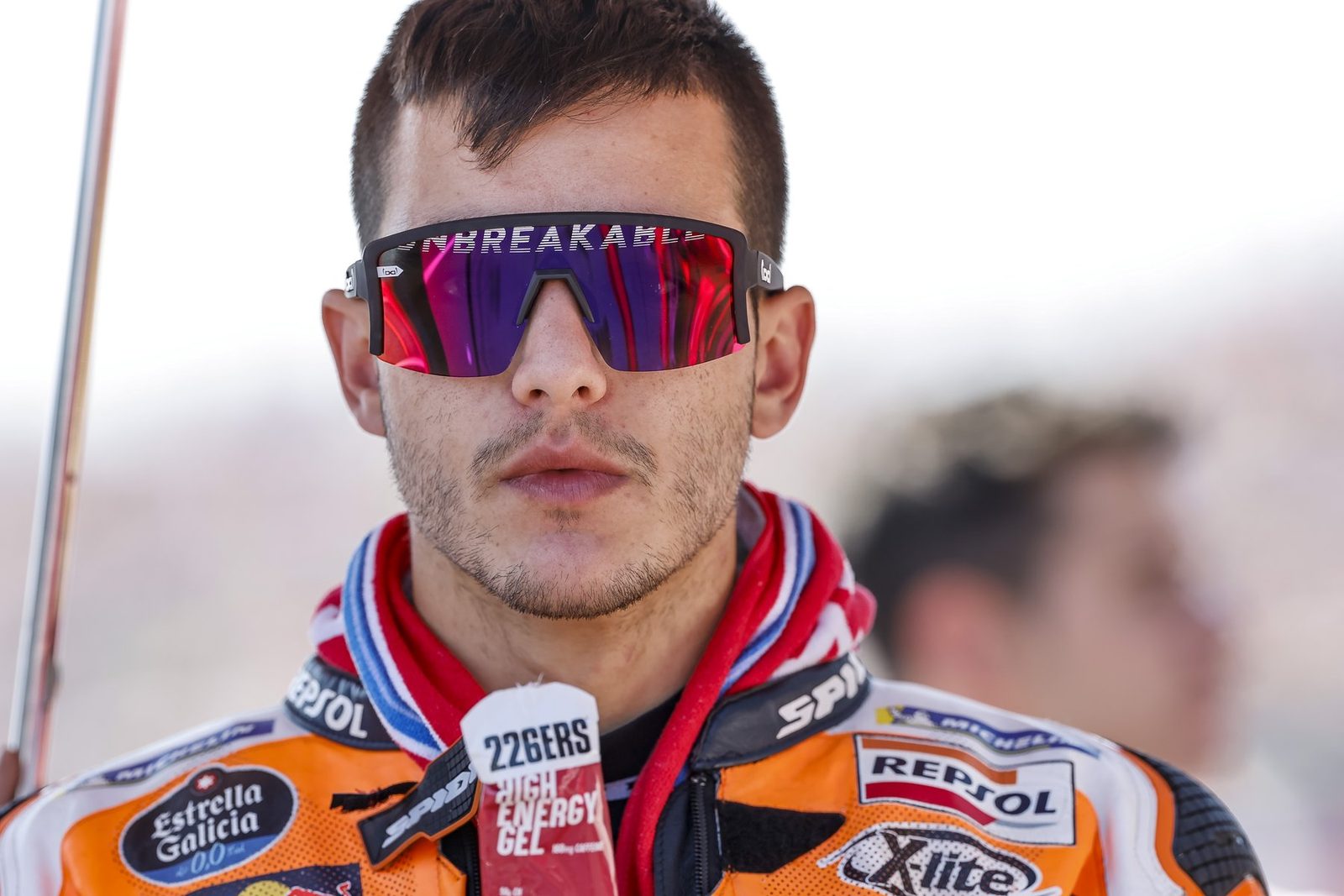
Iker Lecuona Breaks Bulega's 25-Race Win Streak With Maiden WorldSBK Victory at Donington
The Aruba.it Racing Ducati rider held off teammate Nicolò Bulega by 0.165 seconds in Race 1 of the UK Round, ending a decade-long wait for his first world championship win — before Bulega bounced back to sweep the rest of the weekend.
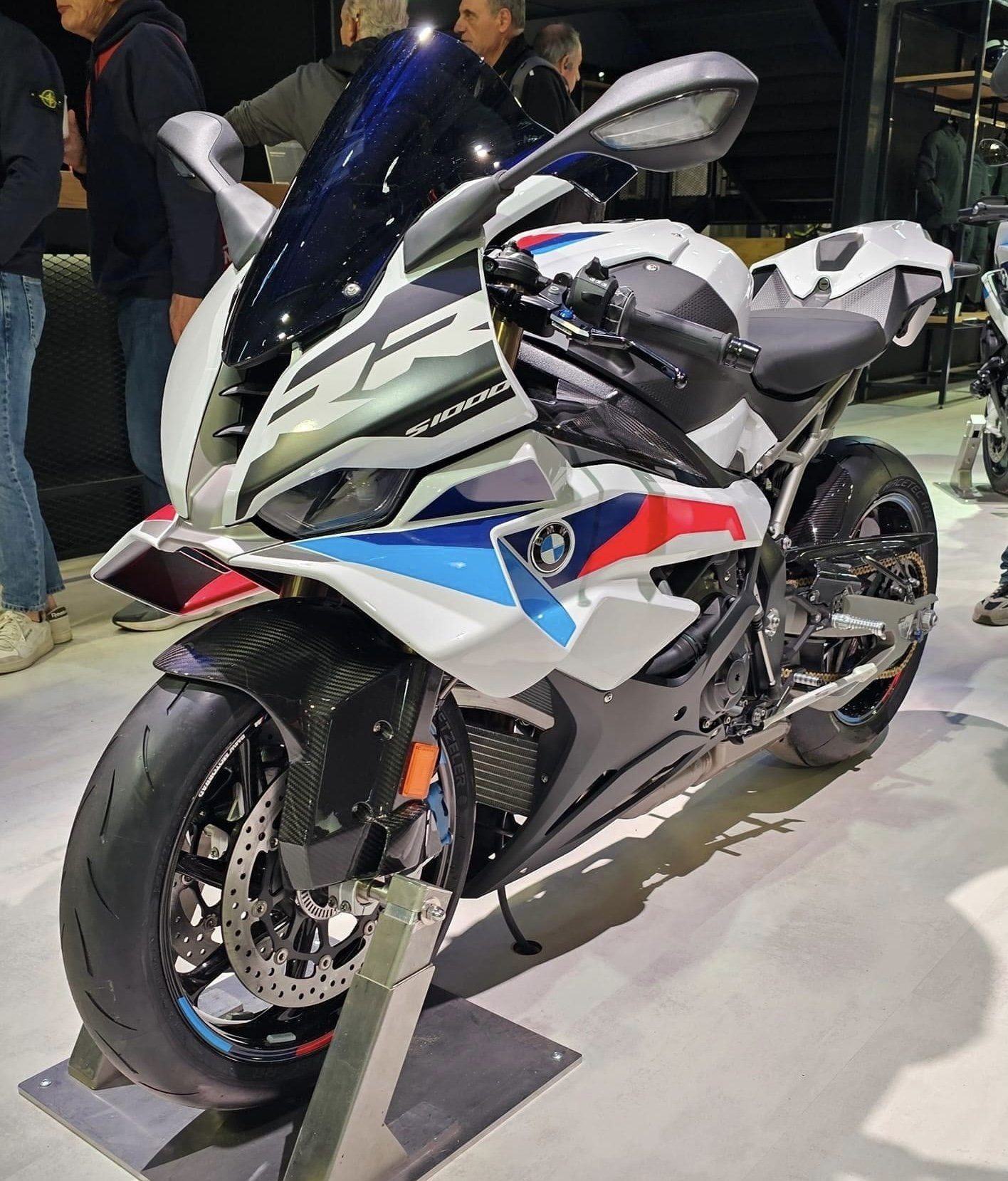
BMW Recalls Nearly 17,000 S 1000 RR Superbikes Over Ignition Lock Failures
Vibration-induced wear inside the ignition lock can cut power mid-ride, killing the dash, lighting, and rider-aid electronics; BMW says a permanent fix is still weeks away.