
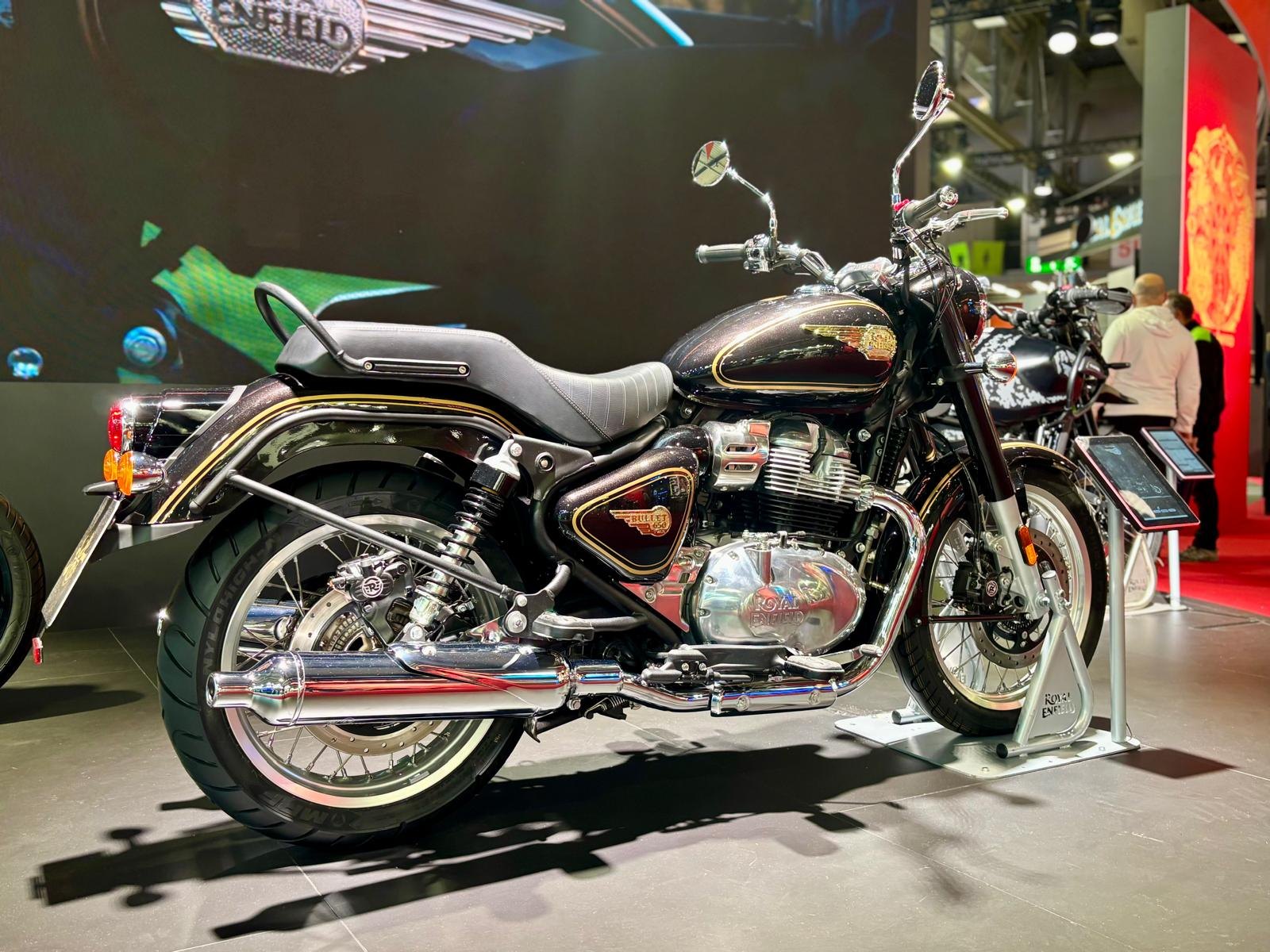
The Oldest Name in Motorcycling Now Has an Engine It Has Never Had Before
The Bullet has been built under that name since 1932, almost always as a thumping single. Royal Enfield has just put the 648cc parallel twin in it and sent it to North American dealers at $7,799.
- Model
- 2026 Royal Enfield Bullet 650
- US MSRP
- $7,799
- Colour
- Cannon Black only in North America and Europe (a blue is offered elsewhere)
- Engine
- 647.95cc air-oil-cooled parallel twin, SOHC, four-stroke
- Power
- 34.6 kW (46.4 hp) at 7,250 rpm
- Torque
- 52.3 Nm (38.6 lb-ft) at 5,650 rpm
- Gearbox
- Six-speed, wet multiplate slipper clutch
- Frame
- Tubular steel spine
- Front suspension
- 43mm Showa telescopic fork, 120mm travel
- Rear suspension
- Twin shocks, 90mm travel
- Front brake
- 320mm disc
- Rear brake
- 300mm disc
- ABS
- Dual-channel
- Wheels / tyres
- 100/90-19 front, 140/70-18 rear
- Kerb weight
- 243 kg (536 lb) at 90 per cent fuel and oil
- Seat height
- 800mm (31.5 in)
- Wheelbase
- 58.27 in
- Fuel tank
- 3.91 US gal
- Exhausts
- Twin chrome peashooters
- Nameplate first used
- 1932
Royal Enfield has put the Bullet 650 on sale in North America at $7,799, and the interesting part is not the price. It is that the Bullet — a name the company has used continuously since 1932, and almost always on a single-cylinder motorcycle — now comes with two cylinders.
The Bullet has survived by being the cheapest serious motorcycle in the room for ninety years. The twin is the first time it has been asked to be something else.
The engine is the familiar 647.95cc air-oil-cooled parallel twin, the same architecture that underpins the rest of Royal Enfield's 650 range. In this state of tune it makes 34.6 kW — 46.4 horsepower — at 7,250 rpm and 52.3 Nm, about 38.6 lb-ft, at 5,650 rpm, through a six-speed gearbox with a wet multiplate slipper clutch. Those are not startling numbers and they are not supposed to be. The torque peak sits under 6,000 rpm, which is the figure that actually describes how the bike will feel.
The chassis around it is deliberately old-fashioned. A tubular steel spine frame, a 43mm Showa fork with 120mm of travel, twin rear shocks with 90mm, a 19-inch front wire wheel and an 18-inch rear, a 320mm front disc and a 300mm rear with dual-channel ABS. Kerb weight is 243 kg — 536 lb with 90 per cent fuel and oil, which is Royal Enfield's own measuring convention and an honest one. The seat sits at 800mm, just under 31.5 inches, and there are two chrome peashooter exhausts, because on a Bullet there were always going to be.
North America and Europe get one colour: Cannon Black, with gold lining and a three-dimensional tank badge. Other markets get a blue option. Nathan Kolbe, head of marketing for Royal Enfield's Americas region, called the Bullet 650 'a real crown jewel in the Royal Enfield product range' when the company showed it at Audrain's Newport Concours and Motor Week in Rhode Island earlier this month. It is now at dealers, and Royal Enfield says it is in the demo fleets.
The claim attached to the bike in every press release — the world's oldest motorcycle in continuous production — deserves its asterisk, and it is a more interesting asterisk than a correction. The Bullet name first appeared in 1932, on four-stroke singles offered in 350 and 500 forms with inclined cylinders, exposed valve gear and, on some versions, four valves per cylinder. Those were British bikes, built in Redditch. British production of the Bullet stopped in 1962 and the Redditch works closed in 1967.
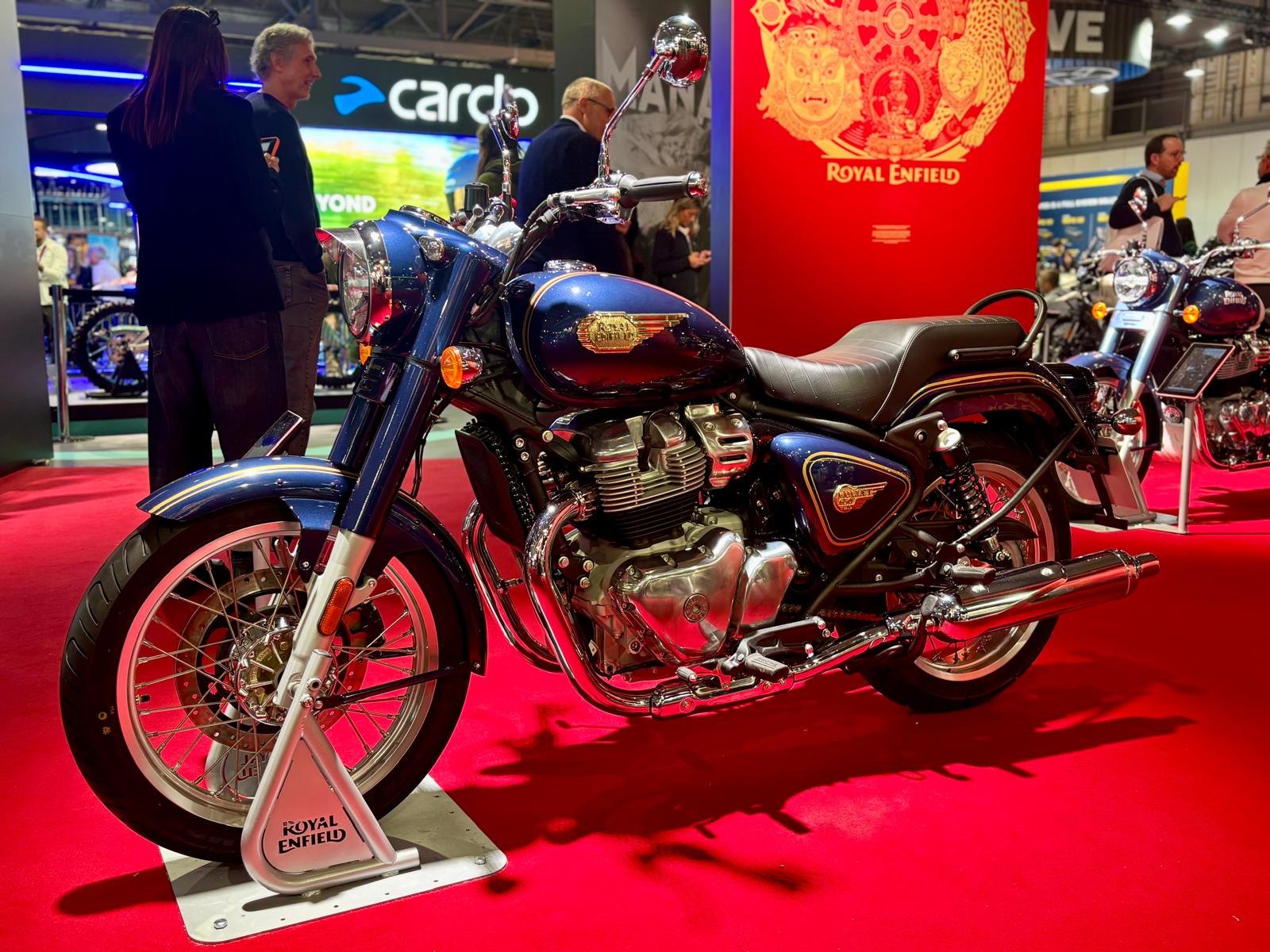
What kept the line unbroken was India. The Indian Army ordered Bullets in 1949; a Madras factory followed; by 1955 bikes were being assembled there from Redditch kits, and before long the kits stopped coming and the factory simply carried on. The Bullet has been built without interruption ever since — as a cast-iron pushrod single, then a lean-burn version, then an alloy AVL engine, then the unit-construction fuel-injected single that is still sold today. The nameplate is continuous. The company behind it, the country it is built in and almost every component have not been.
That history is why the twin is a genuine departure rather than a trim level. For ninety years the Bullet's identity has been one big slow-turning cylinder, and the bike's appeal has rested on being the cheapest serious motorcycle in whatever room it was parked in. A 46-horsepower parallel twin at $7,799 is still cheap — it undercuts most of what a new rider would cross-shop — but it is asking the name to mean something slightly different: not the last of the old singles, but an entry point to a modern range that happens to look like 1955.
Whether that trade lands is a question for people who ride one. The Bullet 350 single continues alongside it, which suggests Royal Enfield knows exactly what it would be giving up if it did not. But as a piece of product strategy it is unusually clear-eyed: take the oldest name you own, the one with the most goodwill and the least horsepower, and give it the engine that made the rest of the line-up work.
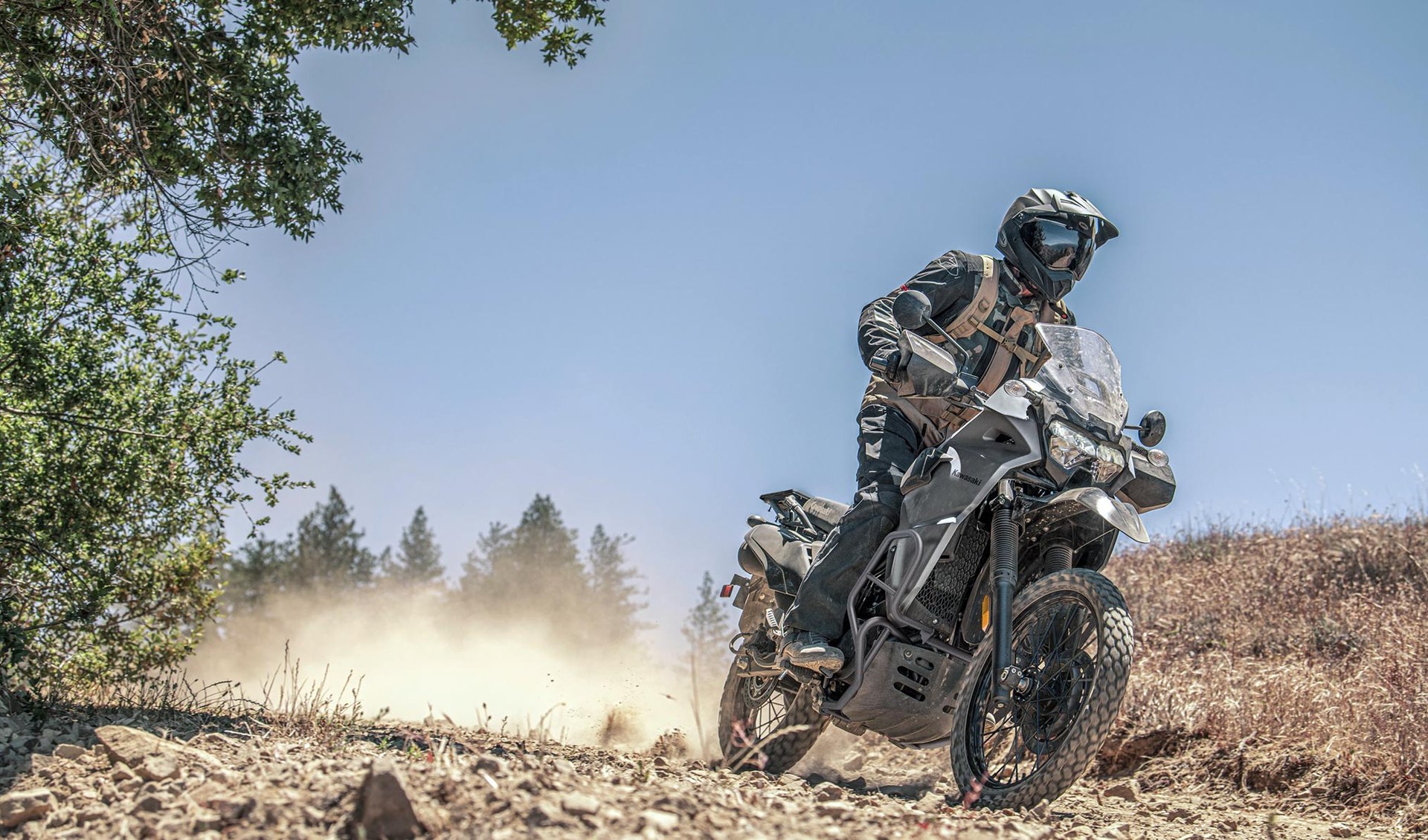
Kawasaki's New KLR650 Trim Is $400 of Crash Bars, Hand Guards and a Rack
The 2027 KLR650 DF ABS lands at $7,699 in early December with frame sliders fitted as standard. The engine, the frame and the suspension are the ones Kawasaki has been selling since 2022 — which is rather the point.
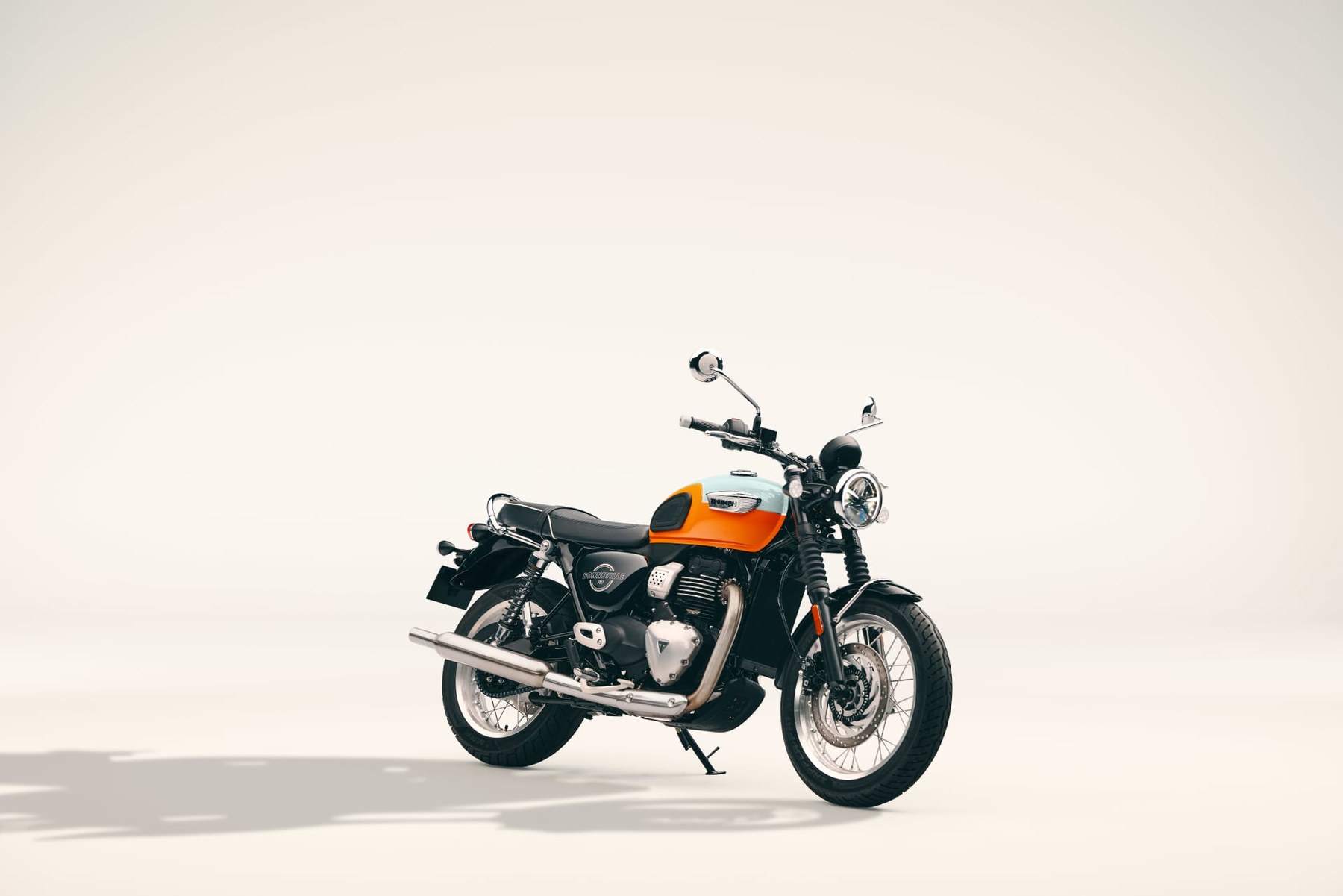
Triumph's Cheapest Bonneville Launched Today With Two Different Engines, Depending Where You Live
The Bonneville T40 and T40 Black arrive on a "400cc TR Series" single. Triumph's own British spec sheet says 398 cc and 32 PS. Its Indian spec sheet, for a bike that went on sale the same morning, says 350 cc and 29 PS.
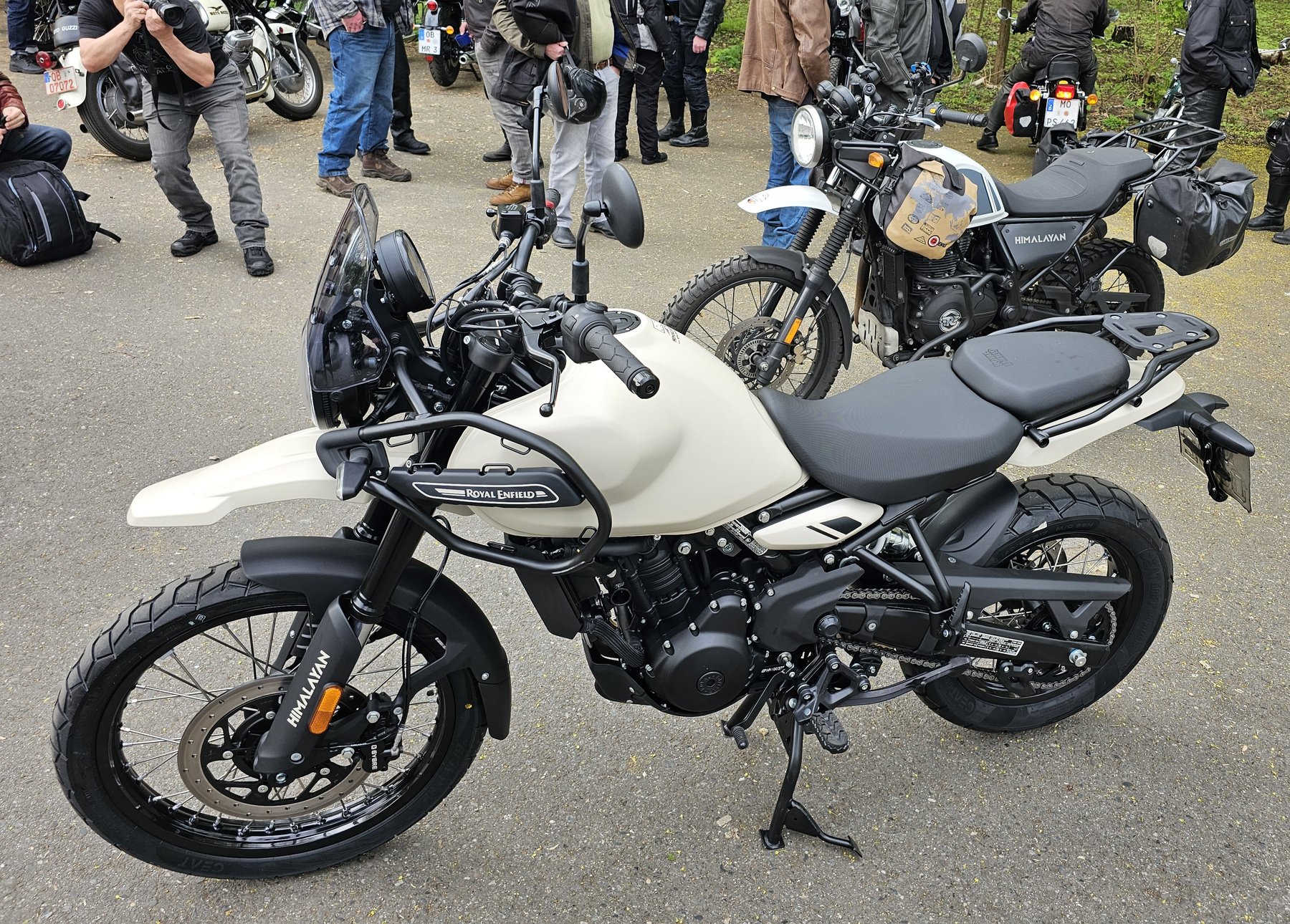
Royal Enfield's Himalayan 750: What's Actually Confirmed, and What's Still Just a Spy Shot
Undisguised bikes badged “750” have been filmed in Uttarakhand, and EICMA opens in a month. But Royal Enfield still hasn't published a single number for this motorcycle — and the 60 hp figure doing the rounds is an estimate, not a spec.