
A Car With ABS Can Steer While Braking Hard. One Without It Usually Can't.
The whole system comes down to a speed sensor at each wheel and a valve block that pulses brake pressure on and off dozens of times a second — the same basic architecture Mercedes-Benz and Bosch put into a production car for the first time in 1978.
Stomp the brake pedal hard enough on a car with no anti-lock system and the wheels stop turning well before the car stops moving. A locked, skidding tire doesn't just take longer to stop the car than a rolling one — it also can't generate any sideways grip, which is why a car in a hard, wheels-locked skid won't respond to steering input at all. A tire actually produces more stopping friction with a small amount of slip, rotating slightly slower than the car's true speed, than it does fully locked. ABS exists entirely to hold each wheel in that narrow window — braking as hard as possible without ever fully locking up — automatically, many times a second, faster than a driver could manage by feathering the pedal.
The system needs only two kinds of parts to do it. A speed sensor at each wheel — typically a toothed reluctor ring spinning past a fixed sensor — sends the control module a continuous readout of how fast that specific wheel is rotating. The control module compares all four readings many times per second, and the instant one wheel's rotational speed drops off faster than physics allows for actual deceleration, it knows that wheel is heading toward lockup rather than genuinely slowing the car.
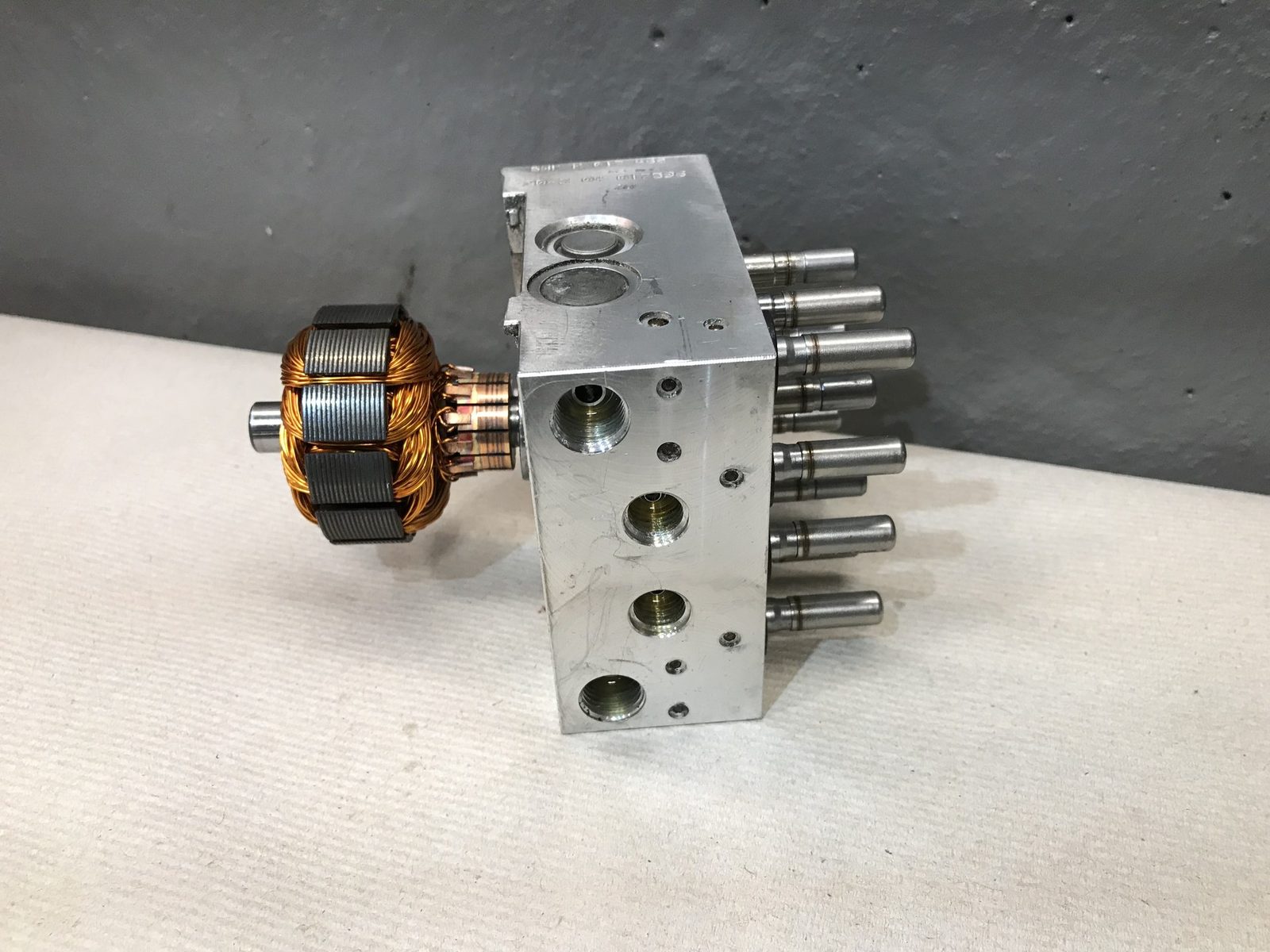
The other half is the hydraulic modulator, a valve block plumbed in between the brake master cylinder and the individual wheel calipers. During ordinary braking it does nothing — fluid pressure passes straight through it to the calipers, same as a car with no ABS at all. The moment the control module flags a wheel as about to lock, the modulator's solenoid valve for that wheel closes, holding pressure steady, then briefly releases it to let the wheel spin back up, then reapplies it — a hold-release-reapply cycle that repeats several times per second for as long as the driver keeps the pedal pinned. That rapid pressure cycling is what a driver feels as pulsing through the brake pedal during hard ABS braking; it isn't a malfunction, it's the system working exactly as designed.
Mercedes-Benz and Bosch built the version of this that stuck. Working together, they got the first production-ready, four-wheel, multi-channel digital ABS — a sensor and control valve at every wheel, managed by an onboard computer — running and publicly demonstrated on a test track in Untertürkheim, Germany, from August 22 to 25, 1978. It reached showrooms that same year as a roughly DM 2,217.60 option on the Mercedes-Benz S-Class (W116). Every expansion of that basic hardware since — traction control, electronic stability control, electronic brakeforce distribution — reuses the same wheel-speed sensors and hydraulic modulator ABS introduced, adding more control logic on top rather than replacing the core mechanism.
Ford Ran the Timing Belt Through the Oil. Federal Investigators Say the Belt Is Now Starving the Engine.
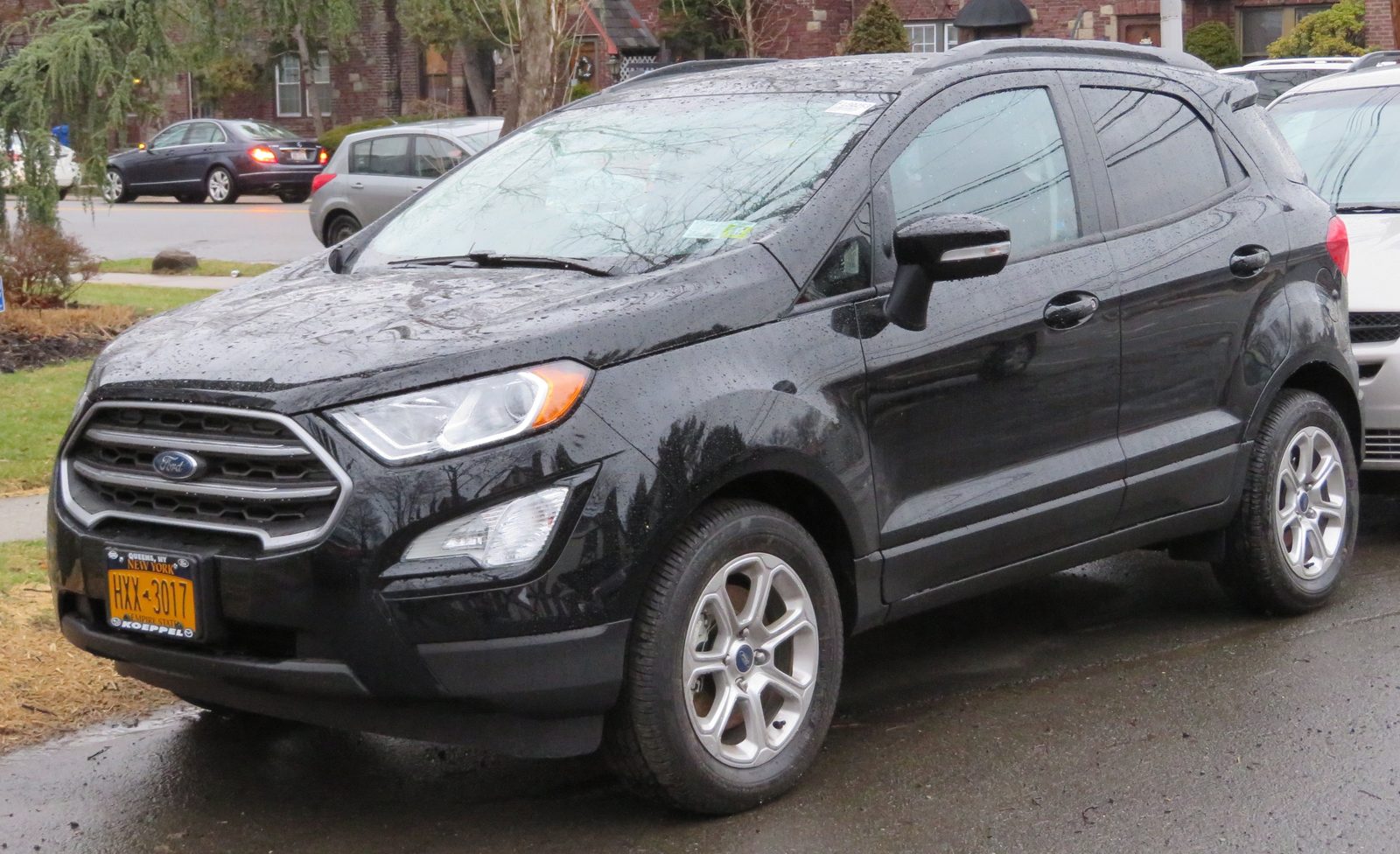
A belt-in-oil drive is quieter and lower-friction than a chain. NHTSA's new engineering analysis says the 1.0-liter EcoBoost's belt sheds material that clogs the oil pump pickup — and that screen can't be cleaned without pulling the engine.
The Automatic's Oldest Trick: How a Torque Converter Multiplies Torque With No Gears
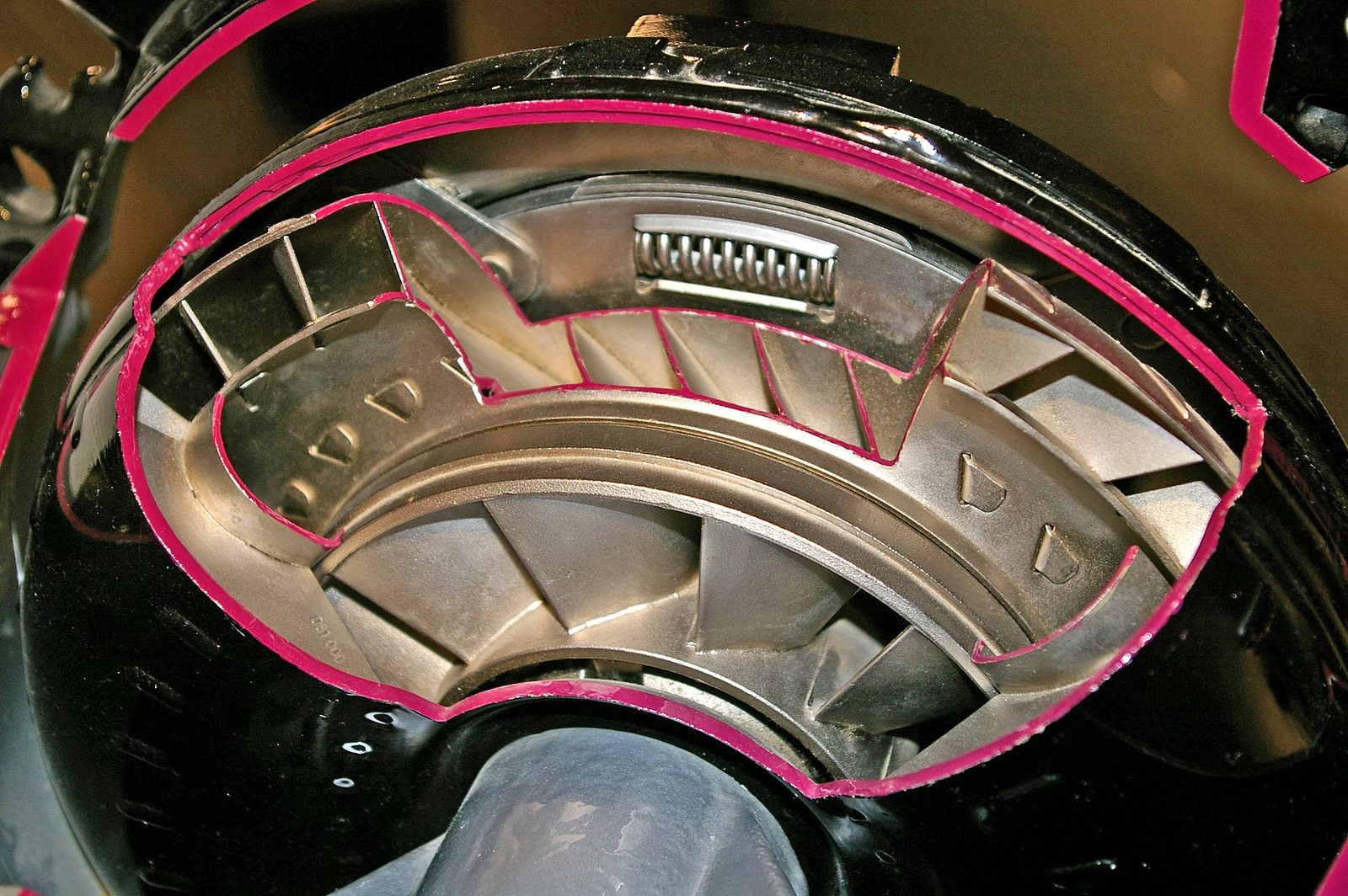
It has no gear teeth and nothing that meshes, yet a torque converter can roughly double engine torque off the line. The part doing the work is the one bolted to nothing at all.
How Electronic Stability Control Reads a Slide and Corrects It Before the Driver Even Feels It
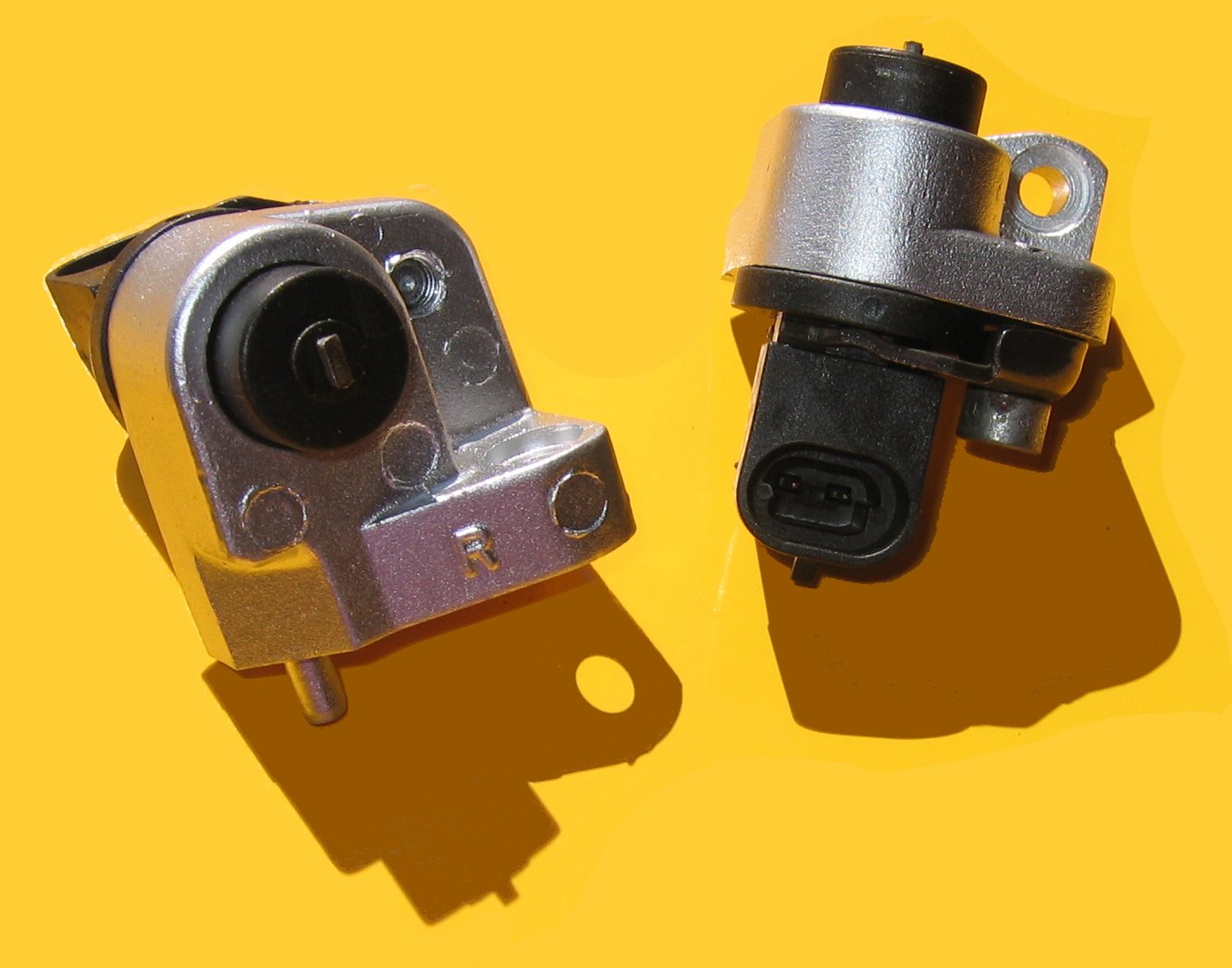
A network of wheel-speed, steering-angle, and yaw sensors checks the car's actual path against the driver's intended one many times a second — and brakes a single wheel to pull it back if the two disagree.