
A Dual-Clutch Gearbox Has Two Transmissions Inside One Case, Each Waiting on the Other
A manual has one clutch and a pause between gears. A torque-converter automatic hides that pause in fluid. A dual-clutch transmission skips it entirely by pre-selecting the next gear on a second clutch before the first one lets go — a trick Porsche raced at Le Mans years before Volkswagen ever put it in a Golf.
A conventional manual transmission has one clutch, and every gear change means fully disengaging it, sliding to the next gear, and re-engaging — a brief but real interruption in the power reaching the wheels. A dual-clutch transmission, or DCT, is built to erase that gap. Inside the case are two separate clutches, each driving its own concentric shaft: one hollow shaft carries the even-numbered gears, and a solid shaft running through its center carries the odd-numbered gears (plus reverse). While the car is accelerating in third gear on one clutch, the transmission's electronics have already selected fourth or second on the other shaft and are holding that clutch open, primed and waiting. The shift itself is just one clutch opening as the other closes — no neutral, no gap, and in the fastest implementations, a handoff measured in single-digit milliseconds. There's no clutch pedal for the driver to operate any of this; both clutches are actuated hydraulically or electronically by the transmission's own control unit.
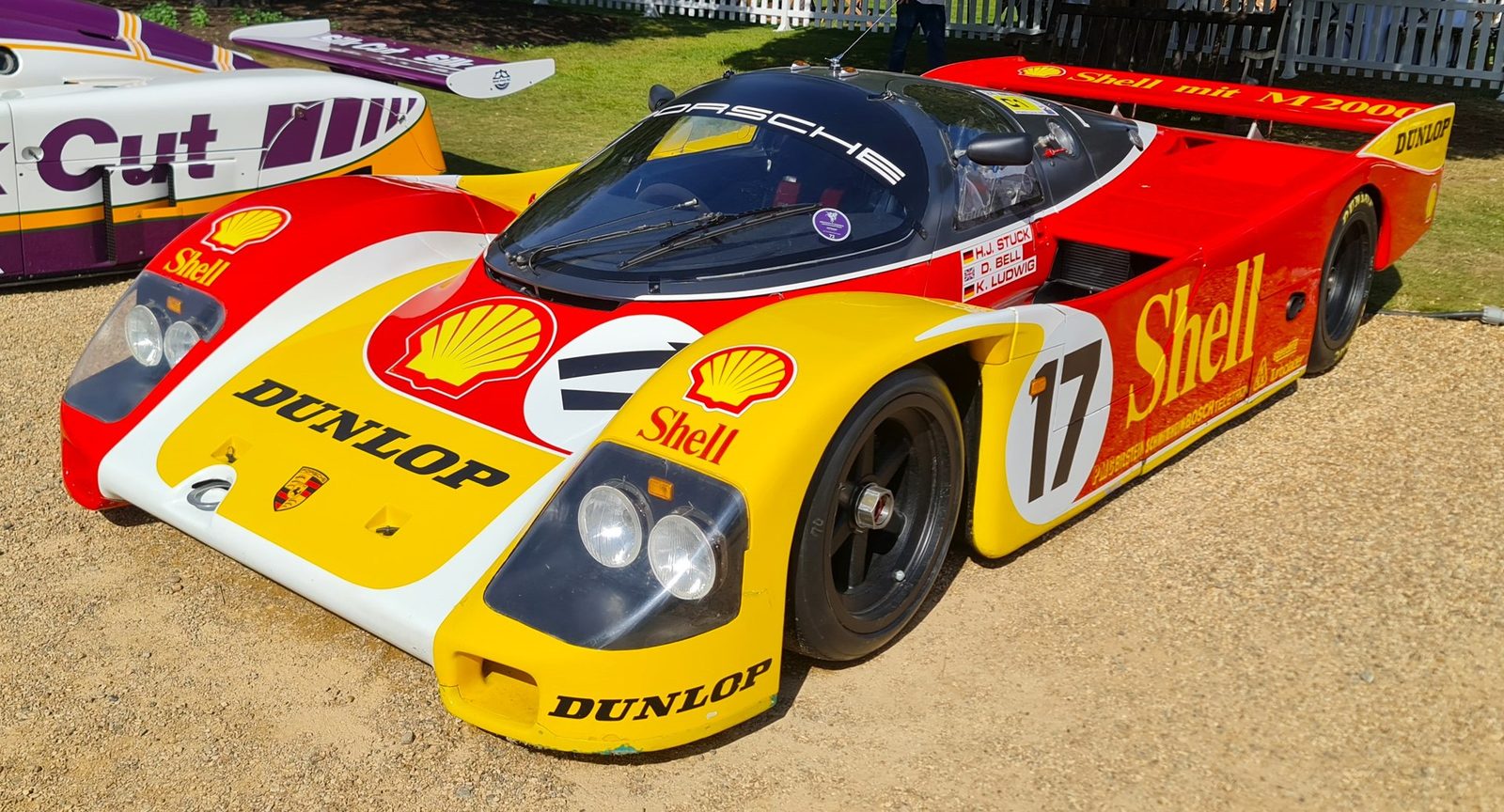
The concept traces back further than most people expect. Porsche had researched power-shift, dual-clutch gearbox principles as early as the mid-1960s, and by 1979 the company was designing dedicated dual-clutch prototypes. That work became the Porsche Doppelkupplungsgetriebe — PDK — which Porsche first tested in a 956 race car at Kyalami in late 1983. The technology's breakthrough race win came in the spring of 1986, when Hans-Joachim Stuck and Derek Bell drove a Rothmans-backed 962C to victory at Monza in the opening round of the World Sports Prototype Championship, using PDK to let the car change gear without lifting off the throttle — a meaningful edge in a discipline where every interruption in power costs time. Volkswagen brought the same basic principle to a production road car for the first time in mid-2003, offering a DSG dual-clutch gearbox in the European-market Golf R32 (US-spec R32 buyers got a manual instead). PDK itself didn't reach a Porsche production car until years later, arriving as an option on the 911 in 2008 — a quarter-century after its racetrack debut.
The tradeoff for that speed is complexity and heat. Two clutch packs, two input shafts, and the electro-hydraulic hardware to control both cost more to manufacture than either a simple manual or a torque-converter automatic, and the clutches themselves have to manage the same heat and wear a manual driver's clutch pedal deals with — just automated and, under repeated hard launches, doing it faster and more often. That's part of why a manufacturer's most performance-focused models are so often exactly where DCTs show up first: a gearbox that can execute a shift in the time it takes to blink isn't chasing fuel economy or low cost, it's chasing lap time, and a Le Mans-winning Porsche prototype was always the more natural home for the idea than a commuter hatchback.
Ford Ran the Timing Belt Through the Oil. Federal Investigators Say the Belt Is Now Starving the Engine.
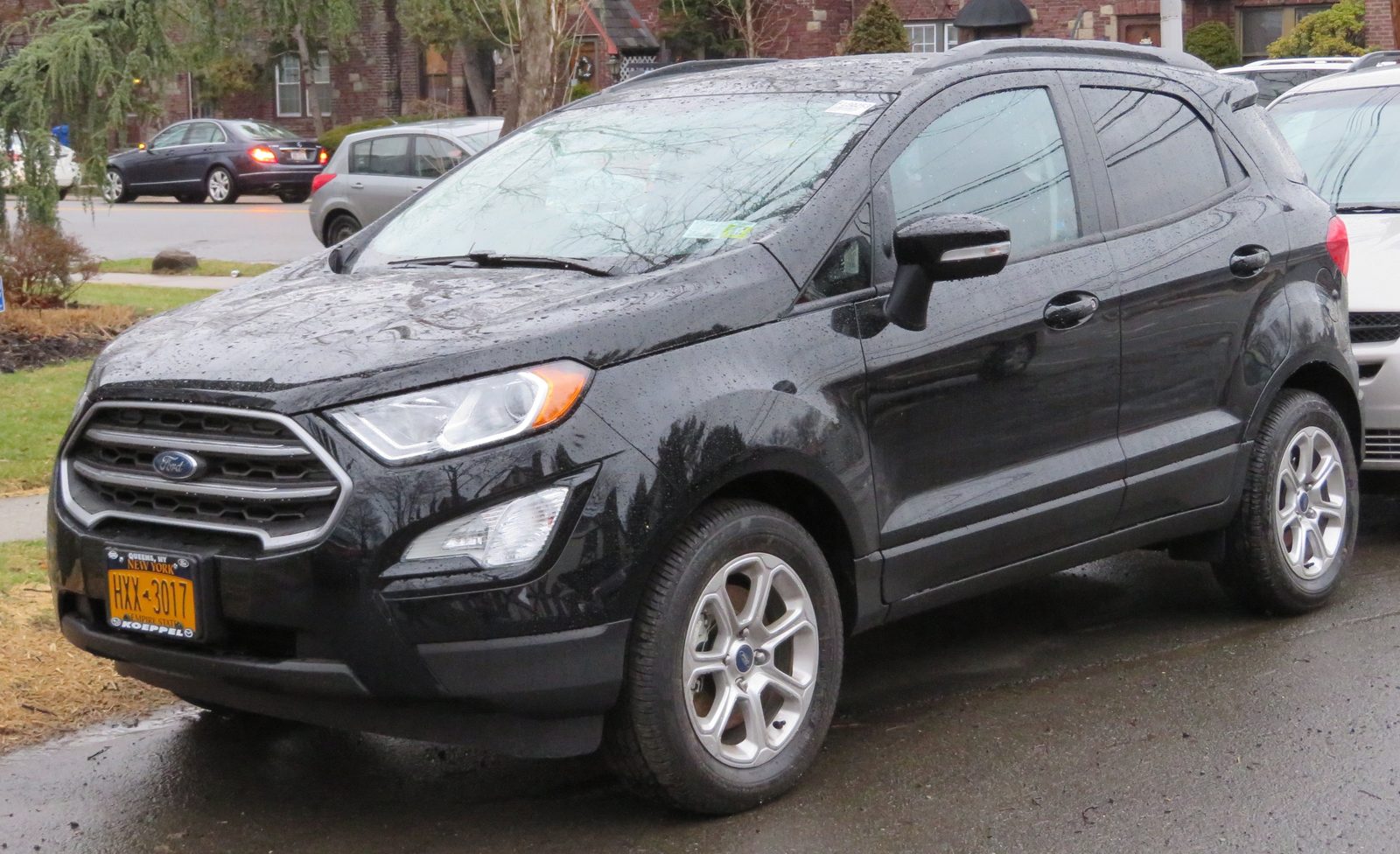
A belt-in-oil drive is quieter and lower-friction than a chain. NHTSA's new engineering analysis says the 1.0-liter EcoBoost's belt sheds material that clogs the oil pump pickup — and that screen can't be cleaned without pulling the engine.
The Automatic's Oldest Trick: How a Torque Converter Multiplies Torque With No Gears
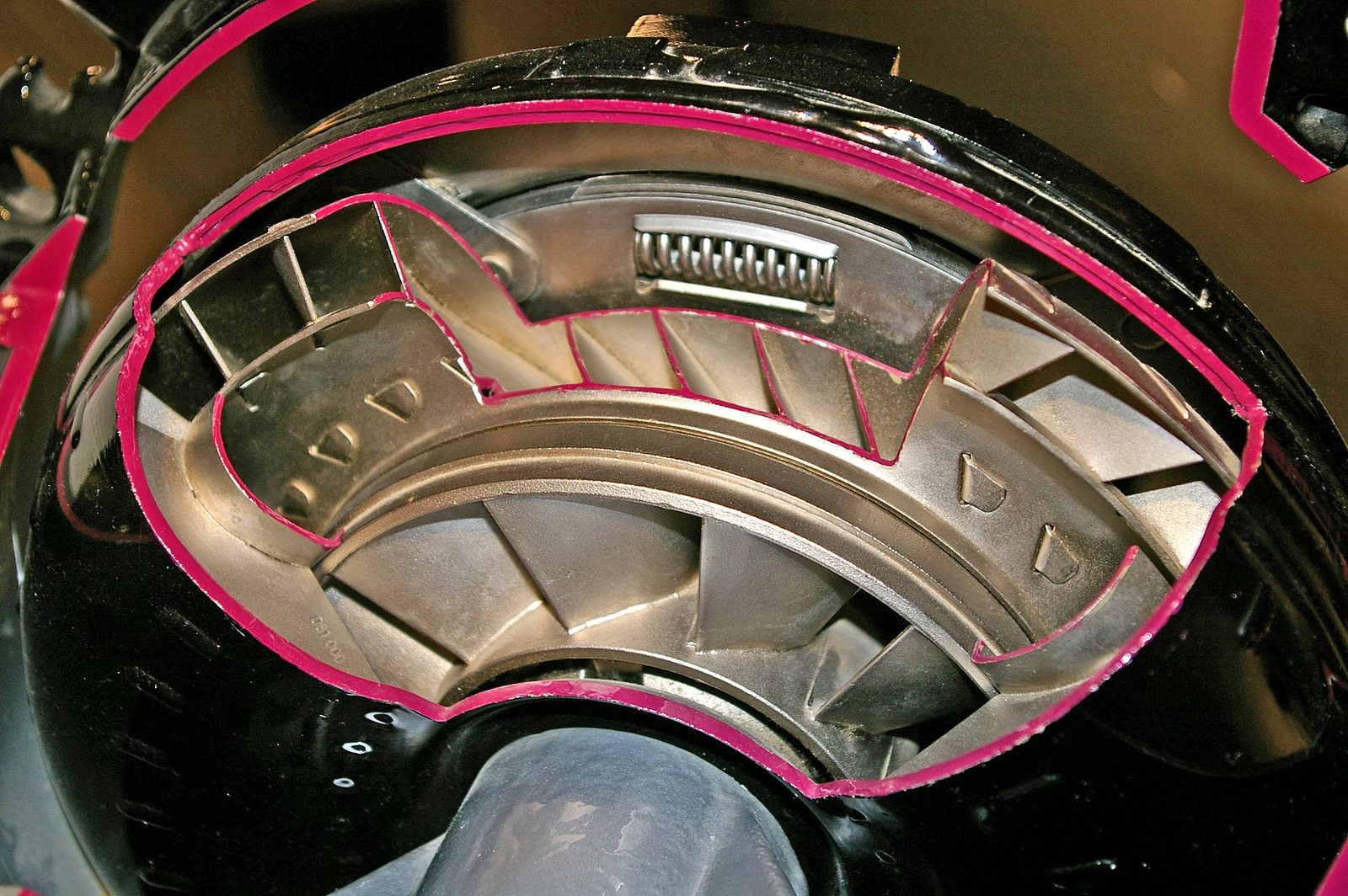
It has no gear teeth and nothing that meshes, yet a torque converter can roughly double engine torque off the line. The part doing the work is the one bolted to nothing at all.
How Electronic Stability Control Reads a Slide and Corrects It Before the Driver Even Feels It
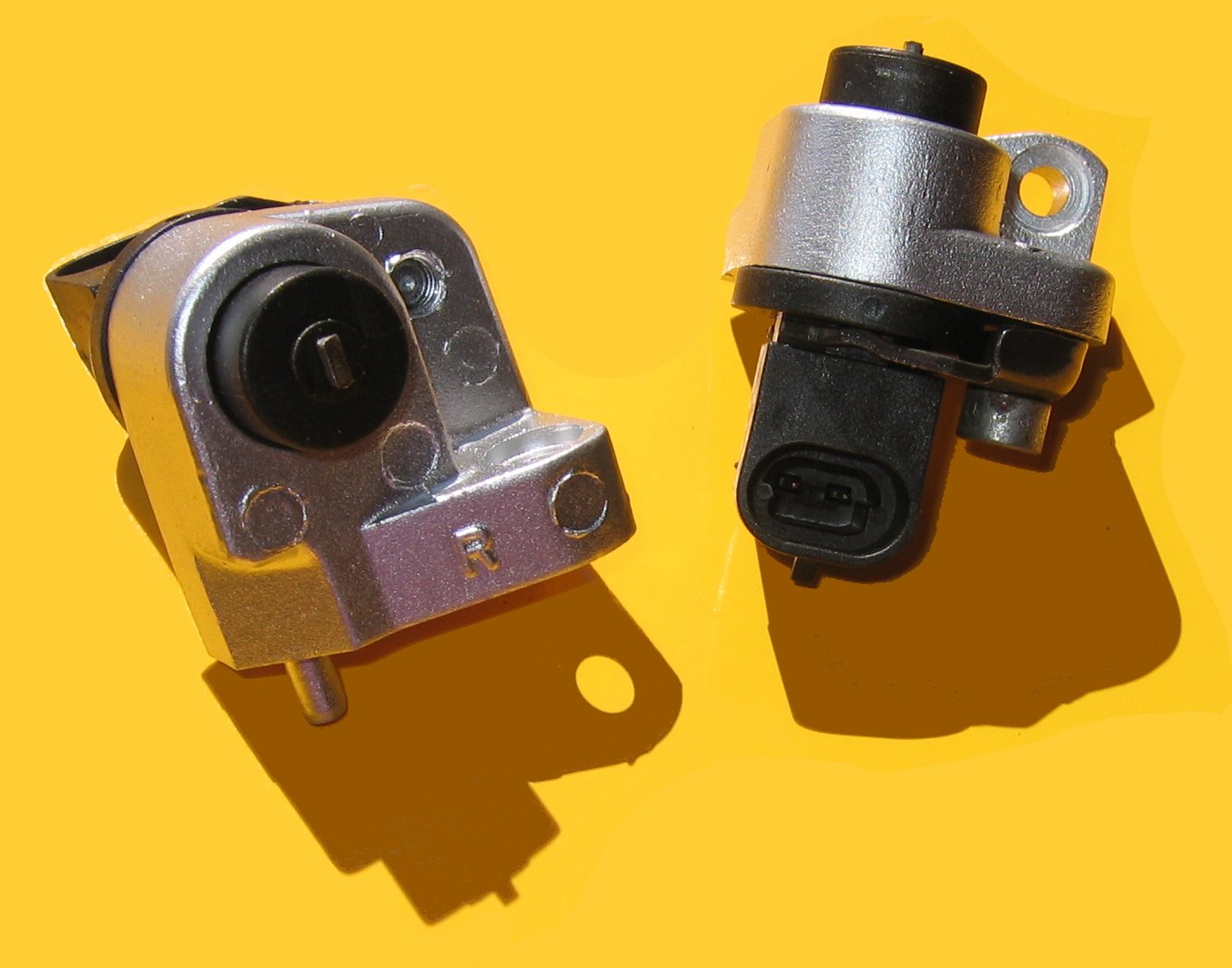
A network of wheel-speed, steering-angle, and yaw sensors checks the car's actual path against the driver's intended one many times a second — and brakes a single wheel to pull it back if the two disagree.