
How Electronic Stability Control Reads a Slide and Corrects It Before the Driver Even Feels It
A network of wheel-speed, steering-angle, and yaw sensors checks the car's actual path against the driver's intended one many times a second — and brakes a single wheel to pull it back if the two disagree.
Electronic stability control works by constantly comparing what the driver is asking the car to do against what the car is actually doing, and stepping in the instant the two disagree. According to Wikipedia's technical overview of the system, ESC is a computerized function that detects loss of traction and, when it finds it, automatically brakes individual wheels to help steer the car back toward the path the driver intended. The system doesn't wait for the driver to catch the slide — it reacts to and corrects it "much faster and more effectively than the typical human driver, often before the driver is even aware of any imminent loss of control," per the same source.
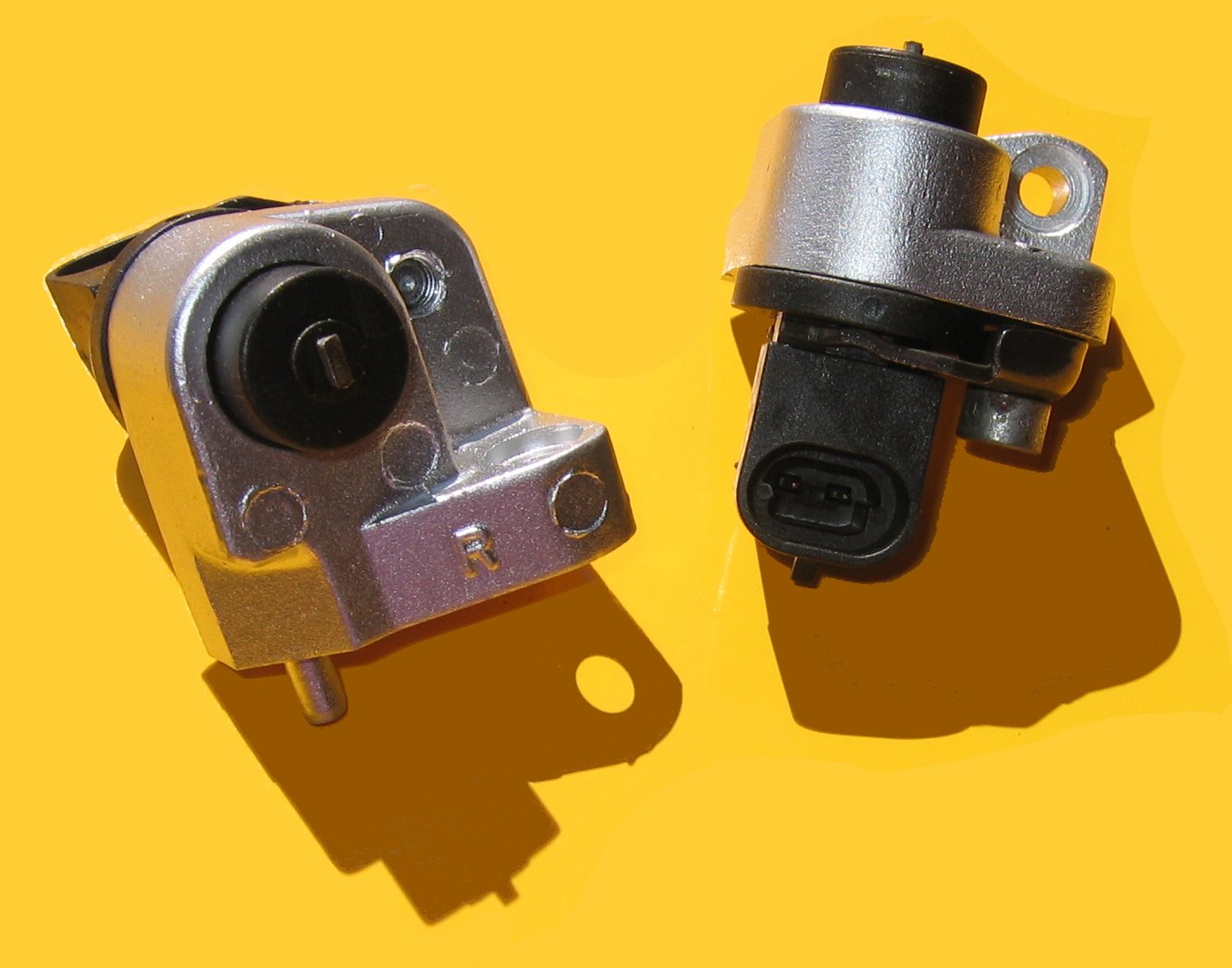
That comparison runs on four sensors working together. A steering wheel angle sensor establishes intent — where the driver wants the front wheels pointed. A yaw-rate sensor, essentially a small gyroscope mounted in the car, measures the vehicle's actual rotation around its vertical axis. Depending on the design, that sensor either uses a piezoelectric tuning-fork element that generates a voltage proportional to rotation speed, or a micromechanical (MEMS) capacitive sensor that measures Coriolis acceleration on an oscillating mass — both approaches are documented on Wikipedia's yaw-rate sensor page. A lateral-acceleration sensor, essentially an accelerometer, measures how hard the car is being pushed sideways in a corner. Together, yaw rate and lateral acceleration describe how the car is actually moving, which the control module then checks against what the steering angle says it should be doing.
The fourth input, wheel-speed sensors at each corner, is borrowed directly from anti-lock braking systems and does double duty for ESC. Per Wikipedia's ABS entry, these sensors use either a Hall-effect element or a variable-reluctance coil paired with a toothed tone ring on the wheel hub or axle; as the ring spins past the sensor it induces a fluctuating voltage the control unit reads as wheel speed. In an ABS role, the module watches for a wheel decelerating much faster than the others — a sign it's about to lock. For ESC, the same four speed readings feed into the broader slip calculation, letting the system tell whether an individual wheel has less grip than its counterparts, information the yaw and lateral-acceleration sensors alone can't provide.
When the control module concludes the car is sliding more than the steering input calls for, it intervenes with brake pressure at one specific wheel rather than all four. Wikipedia's summary of the correction logic describes the pattern: to counter oversteer, where the rear end is swinging wide, the system brakes the outer front wheel, which yaws the nose back into the intended line; to counter understeer, where the front end is plowing straight instead of turning in, it brakes the inner rear wheel. The same intervention can pull engine power back at the same time, cutting torque so the drive wheels have less power to fight the correction with. All of this runs through the existing ABS hydraulic hardware, so no extra brake actuators are needed — ESC is largely a software and sensor layer added on top of anti-lock brakes.
The technology traces to a joint development between Mercedes-Benz and Bosch, which brought the first production system to market in 1995 on the Mercedes-Benz S 600 Coupé, according to Wikipedia. It took a very public failure to turn ESP from a luxury option into an industry standard: in 1997 the new Mercedes-Benz A-Class rolled over during a "moose test" — an emergency lane-change maneuver — run by the Swedish outlet Teknikens Värld. Mercedes recalled all 2,600 A-Class cars sold at that point, halted sales for three months, and added ESP as standard equipment along with suspension changes, on top of a reported DM 300 million in fix costs after DM 2.5 billion already spent developing the car, per Wikipedia's account of the incident. The episode became the industry's reference case for why stability control mattered on ordinary cars, not just performance models.
Regulators eventually made that judgment mandatory. Wikipedia's summary of ESC's regulatory history notes that Canada required the system on new vehicles starting September 1, 2011, the United States followed with a requirement covering all new passenger vehicles for the 2012 model year, and the European Union made ESC mandatory on all newly registered cars from November 1, 2014. What started as a Mercedes-Bosch option on one flagship coupe became, within two decades, baseline equipment across nearly every new car sold in North America and Europe — a rare case of a safety system moving from optional to universal almost entirely on the strength of how much faster it reacts than the person behind the wheel.
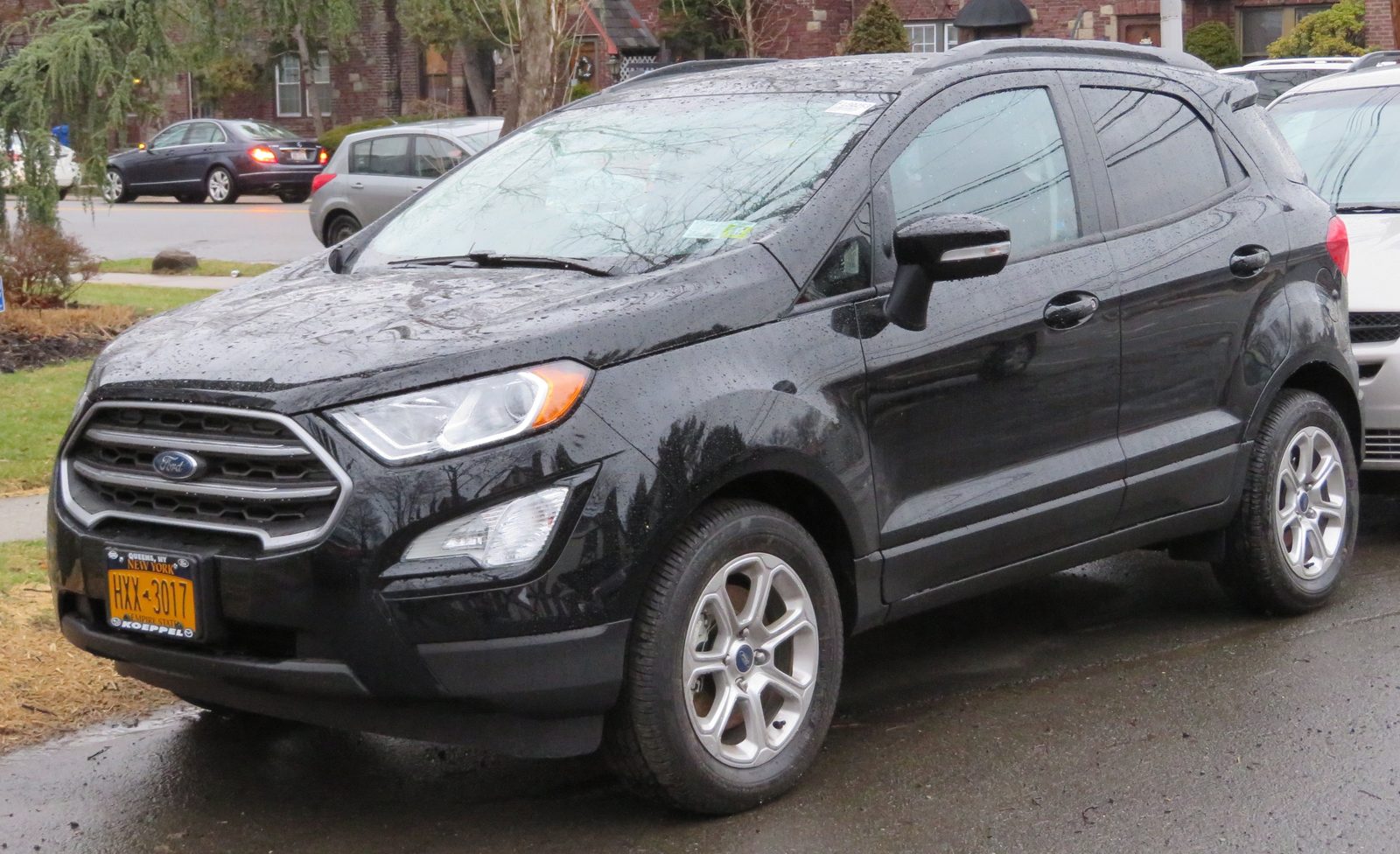
Ford Ran the Timing Belt Through the Oil. Federal Investigators Say the Belt Is Now Starving the Engine.
A belt-in-oil drive is quieter and lower-friction than a chain. NHTSA's new engineering analysis says the 1.0-liter EcoBoost's belt sheds material that clogs the oil pump pickup — and that screen can't be cleaned without pulling the engine.
The Automatic's Oldest Trick: How a Torque Converter Multiplies Torque With No Gears
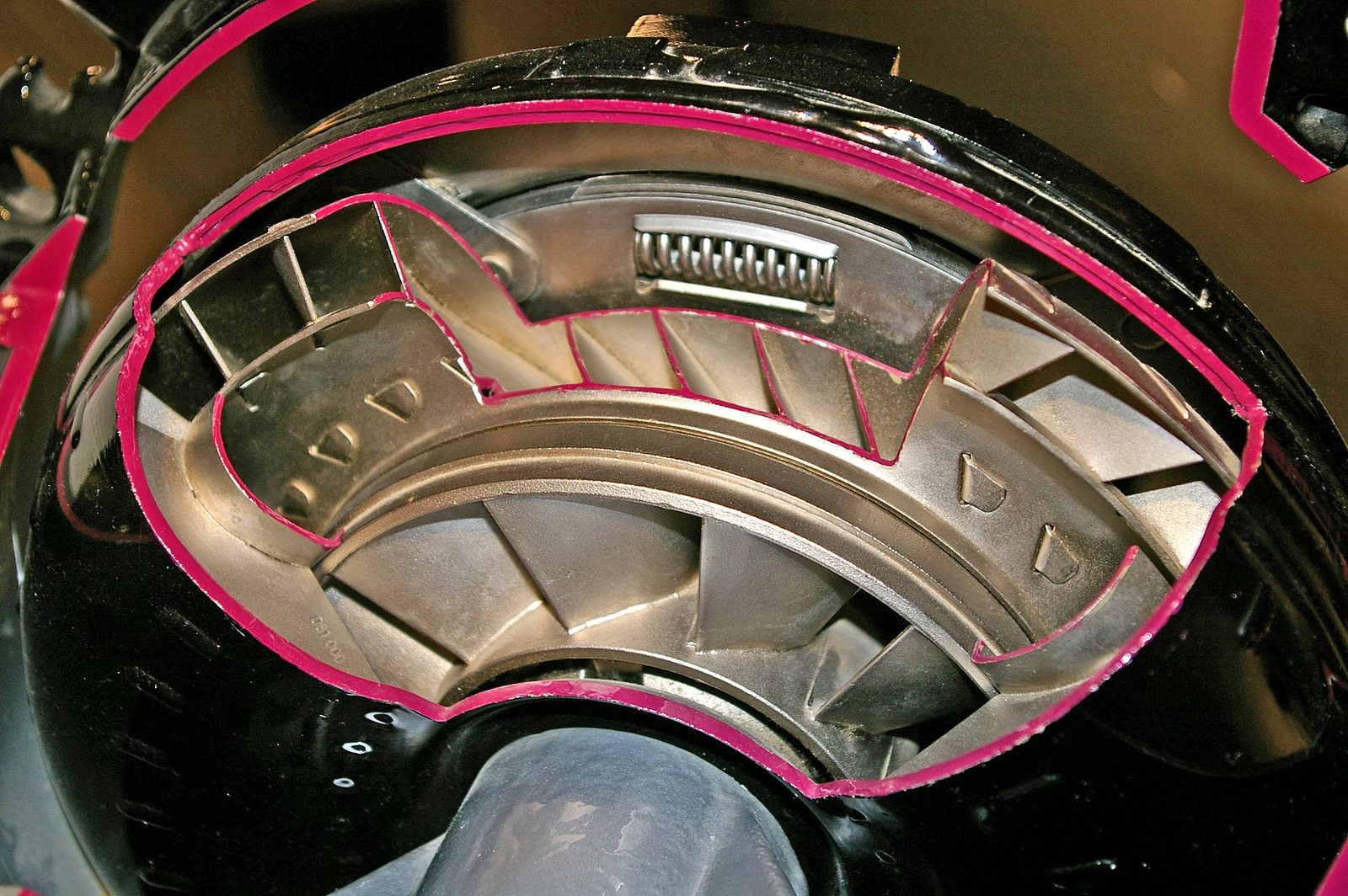
It has no gear teeth and nothing that meshes, yet a torque converter can roughly double engine torque off the line. The part doing the work is the one bolted to nothing at all.
How Regenerative Braking Turns a Drive Motor Into a Generator — And Why It Still Needs Friction Brakes
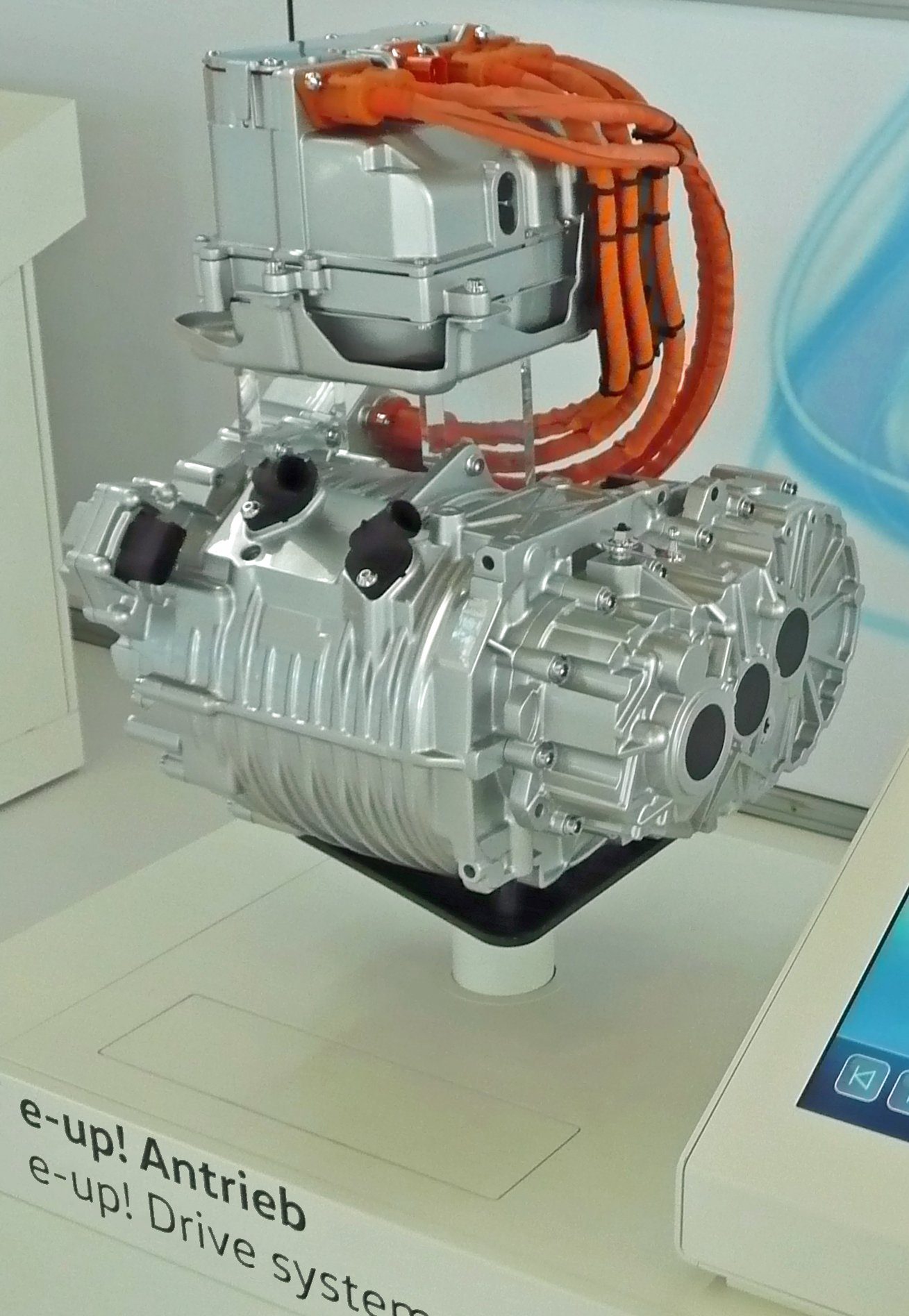
Lifting off the accelerator in an EV or hybrid doesn't apply a "brake" in the traditional sense — it reverses the motor's job. Here's the mechanism behind that trick, how it's blended with hydraulic brakes to keep the pedal feeling normal, and why one-pedal driving isn't quite what it appears to be.