
An Open Differential Sends Power to Whichever Wheel Needs It Least. Here's What Fixes That.
Clutch packs, viscous fluid, or helical gears — three different ways of solving the same problem: keeping torque going to the tire that can actually use it.
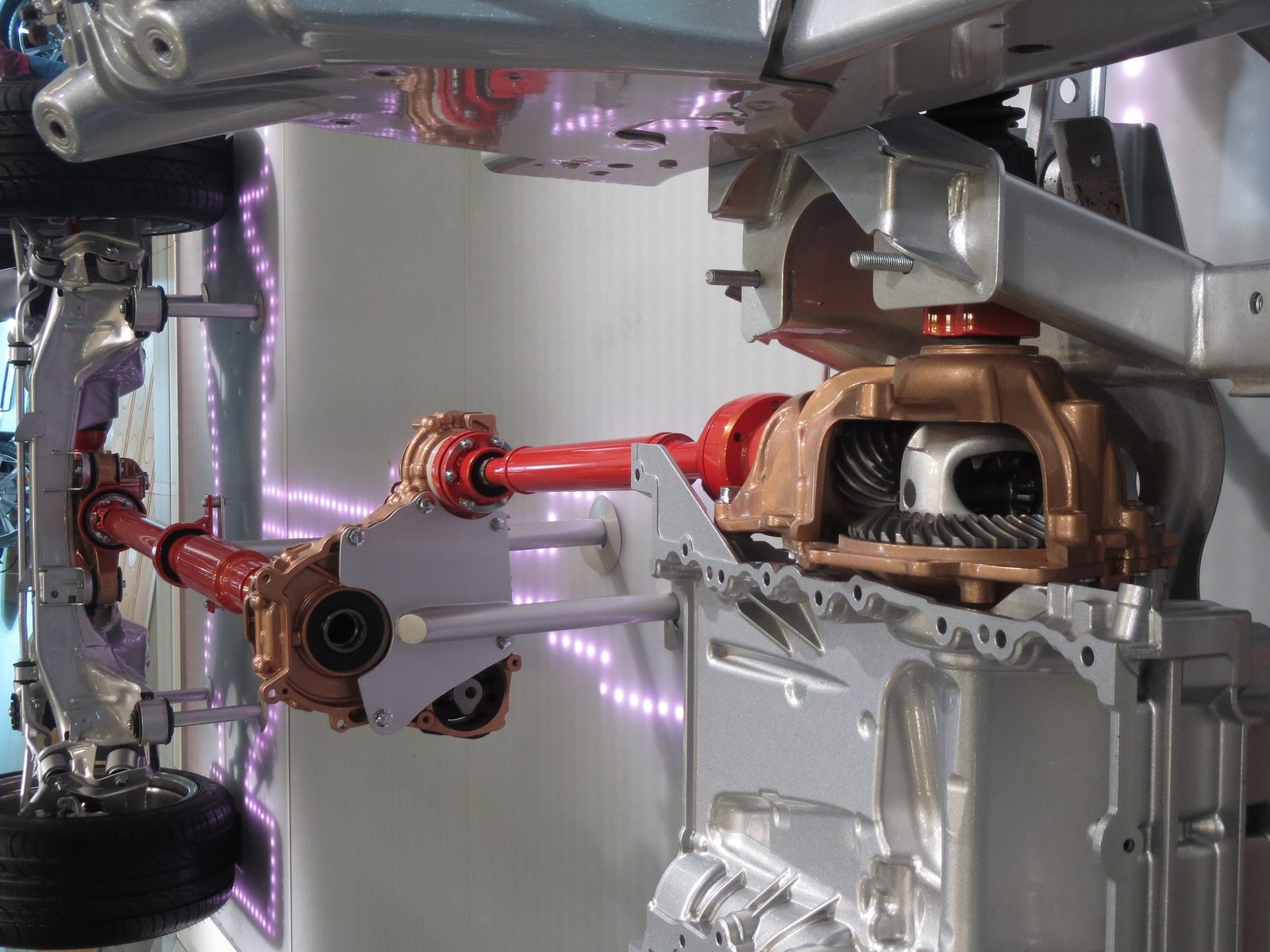
Every differential exists to solve one problem: the two wheels on an axle travel different distances in a turn, the outside wheel tracing a wider arc than the inside one, so they need to spin at different speeds. An open differential handles that by design — it always splits torque roughly evenly between both output shafts while letting them rotate independently. The catch is that an open diff doesn't just allow a speed difference, it actively follows the path of least resistance: if one wheel loses traction entirely, on ice or with a wheel lifted off the ground, that wheel will happily spin at high speed while the wheel that still has grip gets almost no power at all. The car doesn't move, because the differential is doing exactly what it's built to do.
A limited-slip differential (LSD) is any design that overrides that behavior once wheel speeds diverge too far, forcing torque back toward the wheel that can actually use it — without simply locking the two wheels together and losing the ability to turn normally. There are three common ways to do it, and they get there through completely different mechanisms.
Clutch-type LSDs are the most mechanically direct. Stacked clutch discs sit inside the differential, splined alternately to one output shaft and to the gear carrier itself. Preload springs keep those discs lightly compressed at all times, and internal ramps squeeze them harder under engine torque — so the more power going through the diff, the more the clutch packs bind the two sides together. It's a simple, tunable approach (stiffer springs mean more locking force), but the clutch material wears over time and needs periodic rebuilding.
Viscous LSDs skip clutches entirely. Alternating perforated discs, splined to each output shaft in turn, sit inside a sealed chamber filled with a silicone-based fluid whose viscosity increases sharply as it's sheared at speed. When one wheel starts spinning faster than the other, the discs try to move through the fluid at different rates, and the fluid's resistance to that shearing transfers torque back to the slower-turning, better-gripped wheel. It's smooth and low-maintenance, but the fluid heats up under sustained hard use and gradually loses effectiveness — one reason viscous units are more common on street cars than on dedicated track or rally cars.
Gear-type LSDs, best known through Torsen's trademarked design, use no clutches or fluid at all — just helical or worm gearing. Under load, the geometry of those gears generates thrust forces that push them against the differential housing, and the resulting friction is what resists relative motion between the two output shafts. The amount of imbalance a given unit can handle before it effectively locks up is expressed as its torque bias ratio: a 3:1 TBR means one wheel can carry up to three times the torque of the other before the diff can no longer keep power going to both. The tradeoff is that a Torsen-style unit relies on both wheels having at least some traction to generate that gear friction in the first place — lift one wheel fully off the ground, with genuinely zero resistance on that side, and it behaves like an open differential again, sending no meaningful torque to the wheel still on the pavement.
The Torsen name traces back to a 1958 patent for a "Dual-Drive Differential" from Vernon Gleasman, an American inventor who first sold it as a low-volume aftermarket accessory for Land Cruisers, pickups, and Blazers through the 1970s. It didn't reach mass production until 1982, when Gleasman partnered with the Gleason Corporation of Rochester, New York — a company that already specialized in precision gear manufacturing — to solve the tooling problem of building that helical gearing reliably at automotive volumes. Different mechanism, same goal as the clutch-type and viscous designs that came before and after it: keep the open differential's convenience in a turn, without its habit of feeding all the power to whichever wheel is spinning uselessly.
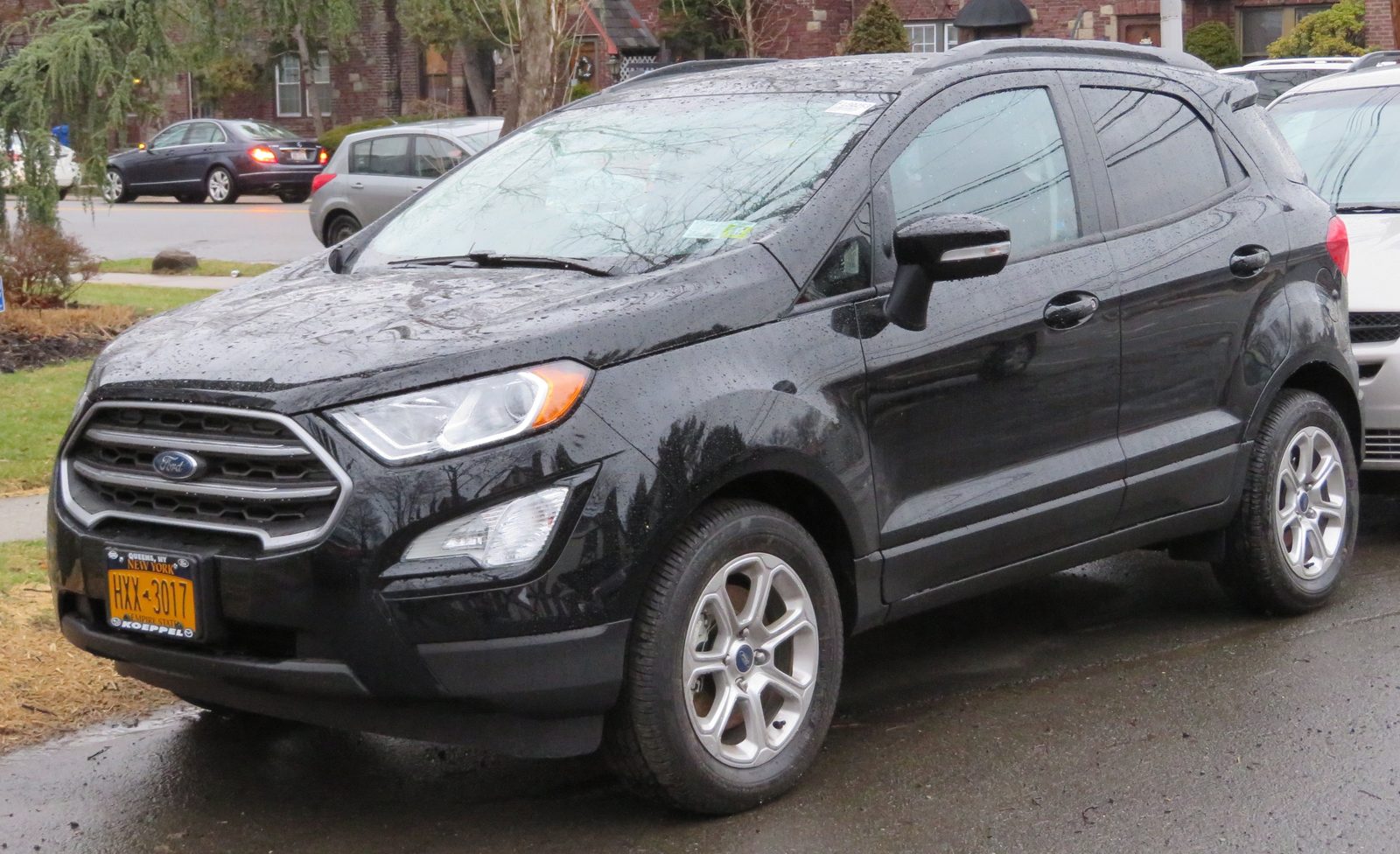
Ford Ran the Timing Belt Through the Oil. Federal Investigators Say the Belt Is Now Starving the Engine.
A belt-in-oil drive is quieter and lower-friction than a chain. NHTSA's new engineering analysis says the 1.0-liter EcoBoost's belt sheds material that clogs the oil pump pickup — and that screen can't be cleaned without pulling the engine.
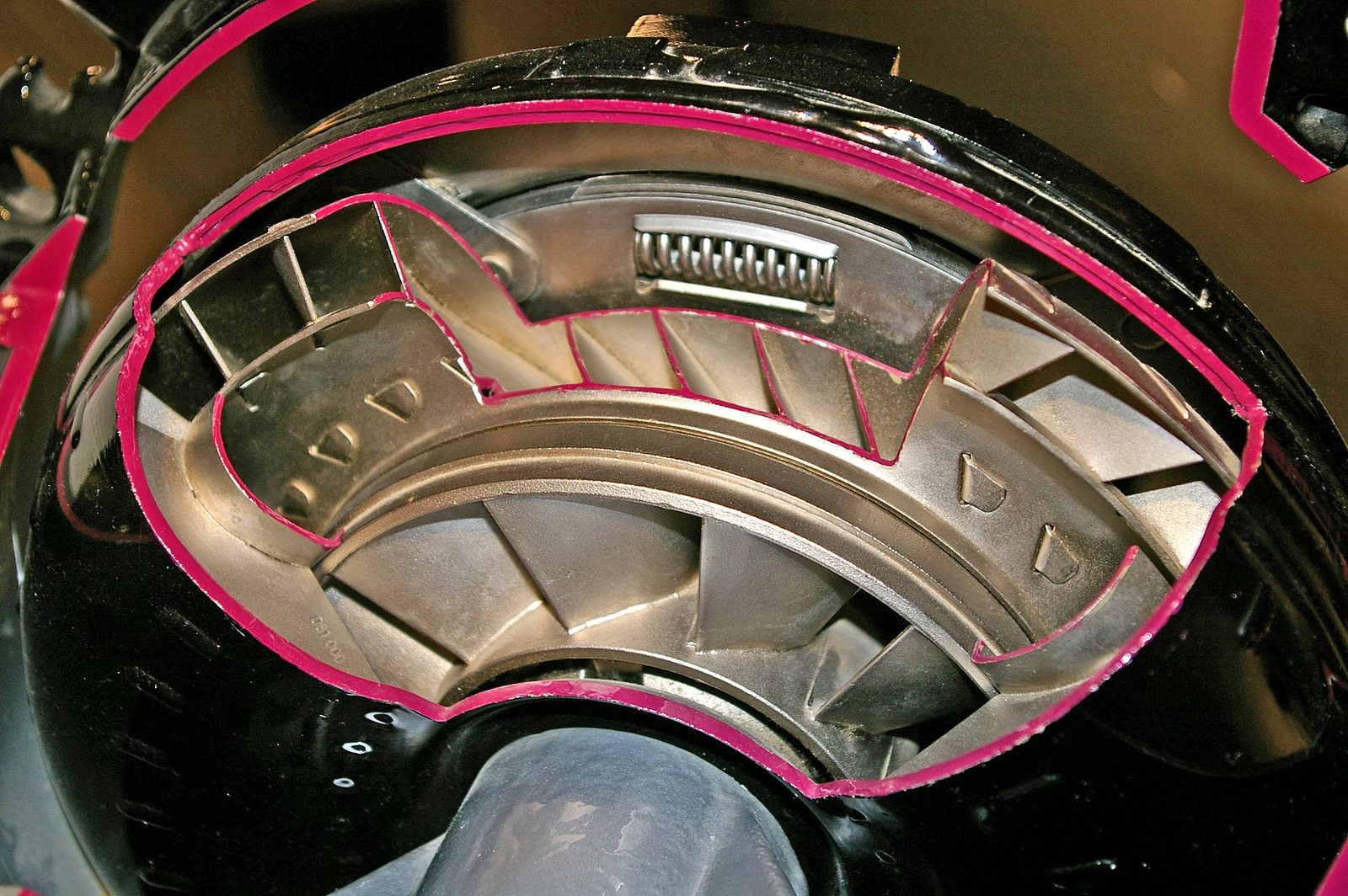
The Automatic's Oldest Trick: How a Torque Converter Multiplies Torque With No Gears
It has no gear teeth and nothing that meshes, yet a torque converter can roughly double engine torque off the line. The part doing the work is the one bolted to nothing at all.
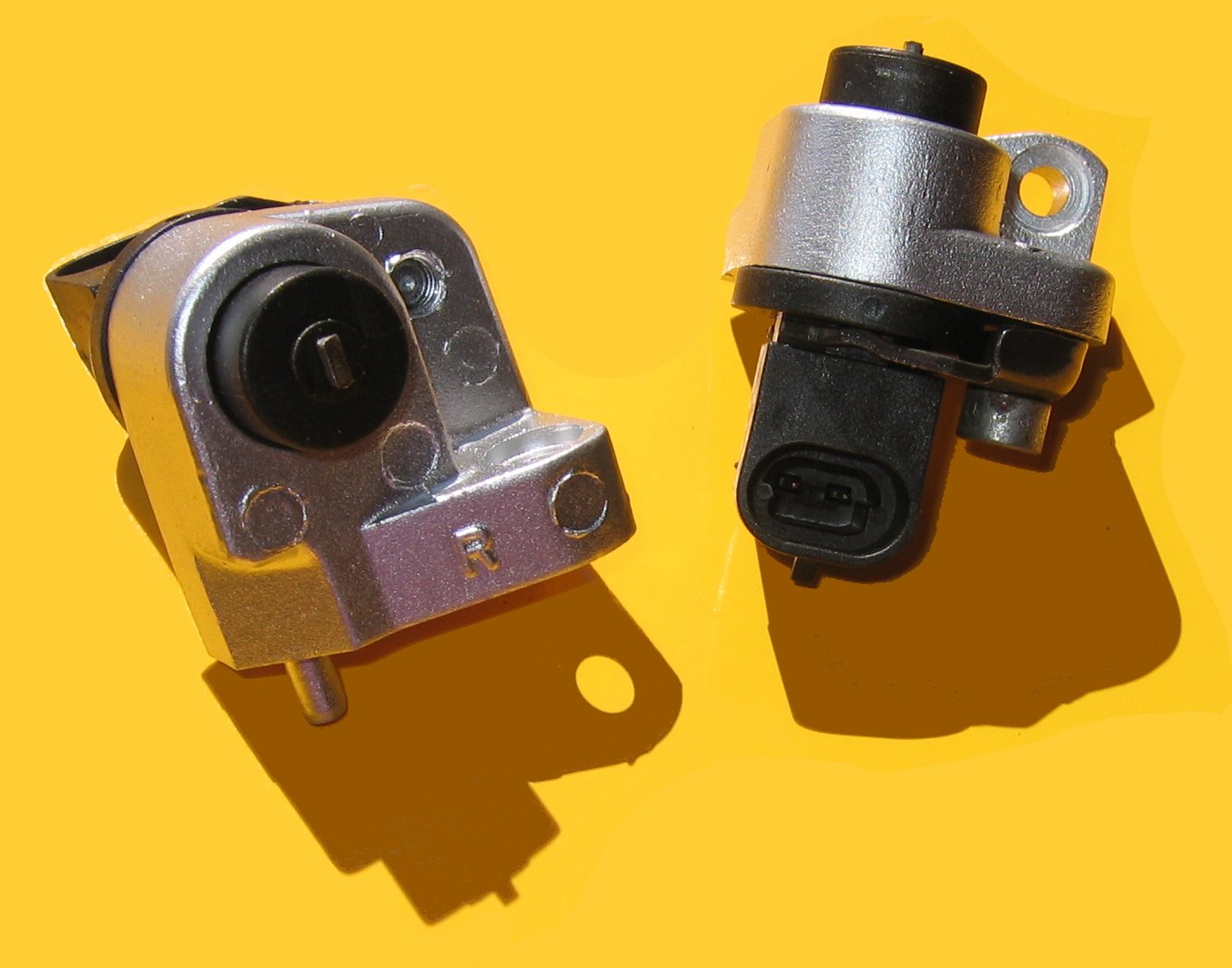
How Electronic Stability Control Reads a Slide and Corrects It Before the Driver Even Feels It
A network of wheel-speed, steering-angle, and yaw sensors checks the car's actual path against the driver's intended one many times a second — and brakes a single wheel to pull it back if the two disagree.