
A Turbocharger Doesn't Make Power. It Makes the Engine Stop Wasting Exhaust.
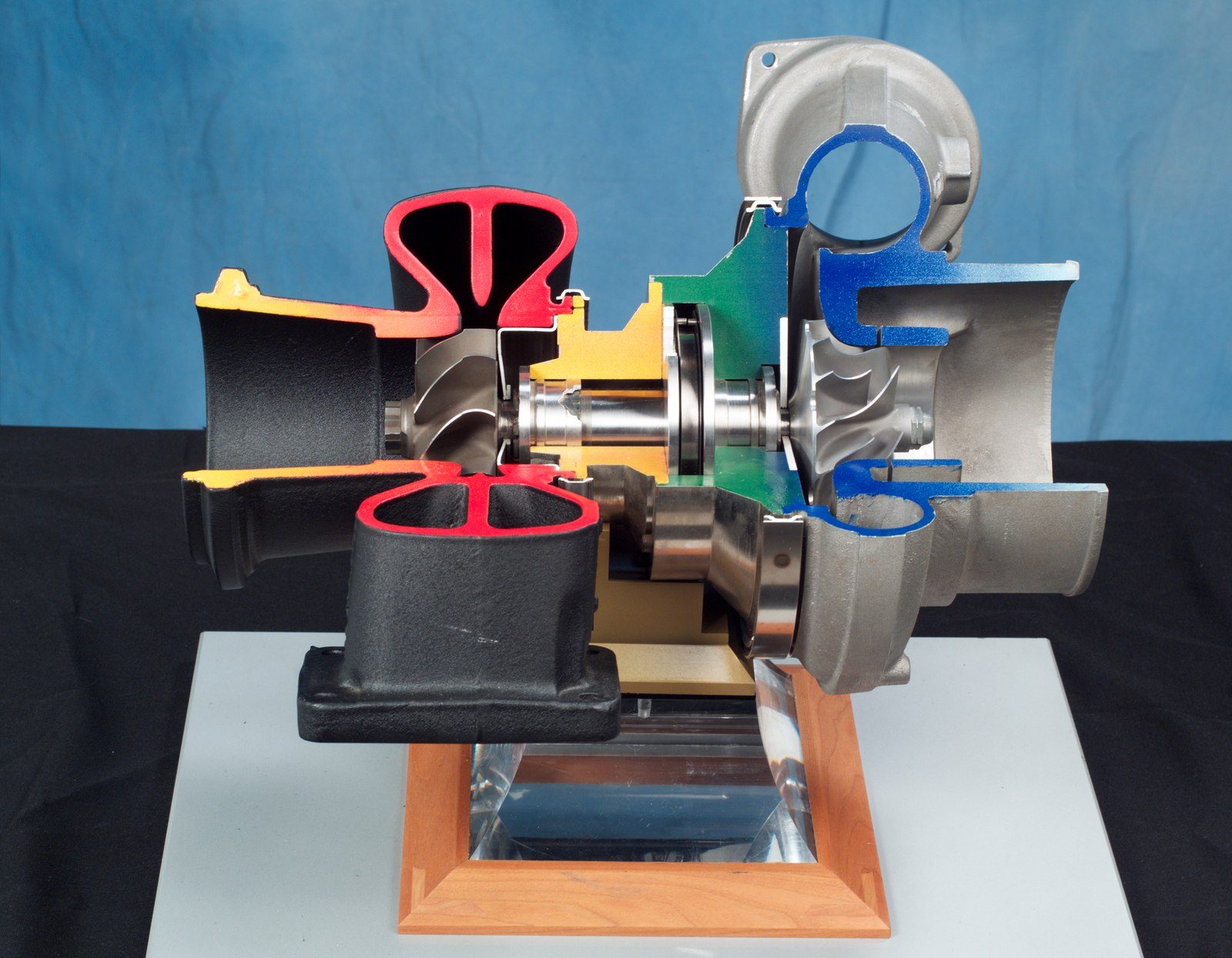
The whole trick is a shaft connecting two fans that never touch the same air twice — one spun by exhaust gas that would otherwise go straight out the tailpipe, the other stuffing extra air into the cylinders because of it.
A naturally aspirated engine only ever gets as much air into its cylinders as atmospheric pressure and the piston's downstroke can pull in. A turbocharger's entire job is to cheat that limit — and the way it does it is almost embarrassingly efficient, because the energy it uses would otherwise be thrown away.
Every running engine pumps hot, fast-moving exhaust gas out through the exhaust manifold, and on a naturally aspirated car that energy just leaves through the tailpipe, unused. A turbocharger intercepts it first. The exhaust stream is routed through a turbine wheel — a small, curved-blade fan — spinning it at speeds that can exceed 150,000 rpm. That turbine sits on one end of a shared shaft; the other end carries a second fan, the compressor wheel, sitting in a completely separate housing on the intake side. The two fans never touch the same air — exhaust spins the turbine, the turbine's shaft spins the compressor, and the compressor pulls in fresh ambient air and pressurizes it before shoving it into the cylinders. More air in means more fuel can be burned alongside it, which means more power, all pulled from exhaust energy the engine was already producing for free.
That pressurized air comes with a side effect worth managing: compressing air heats it up, and hot air is less dense, which works against the whole point of forced induction. Most turbocharged engines route the compressed air through an intercooler — essentially a small radiator for air instead of coolant — before it reaches the cylinders, cooling it back down so the engine gets a denser, more oxygen-rich charge. And because a turbine spinning without limits would eventually overboost the engine or destroy itself, a wastegate valve bleeds off excess exhaust gas around the turbine once a target boost pressure is reached, capping how much power the turbo can add. The brief delay between pressing the throttle and the turbine spinning up to speed — turbo lag — is simply the time it takes exhaust flow to build enough energy to spin that turbine from idle.
None of this is new. Swiss engineer Alfred Büchi patented the core concept of an exhaust-driven forced-induction system in 1905, but it took until 1962 for a turbocharger to reach a production car showroom, when Oldsmobile's F-85 Jetfire beat the Chevrolet Corvair Monza Spyder to market by a matter of weeks. The Jetfire paired a small Garrett T5 turbo with a 215-cubic-inch aluminum V8, making 215 hp — a full horsepower per cubic inch, a genuinely rare figure for a mainstream 1962 sedan — and used a water-methanol mix Oldsmobile called Turbo-Rocket Fluid, injected into the intake to suppress detonation at only 5 psi of boost. It sold just 3,765 units before Oldsmobile quietly dropped the turbo after 1963, undone by the same reliability problems that would keep forced induction as a niche, motorsport-adjacent technology for another decade before it returned to stay.
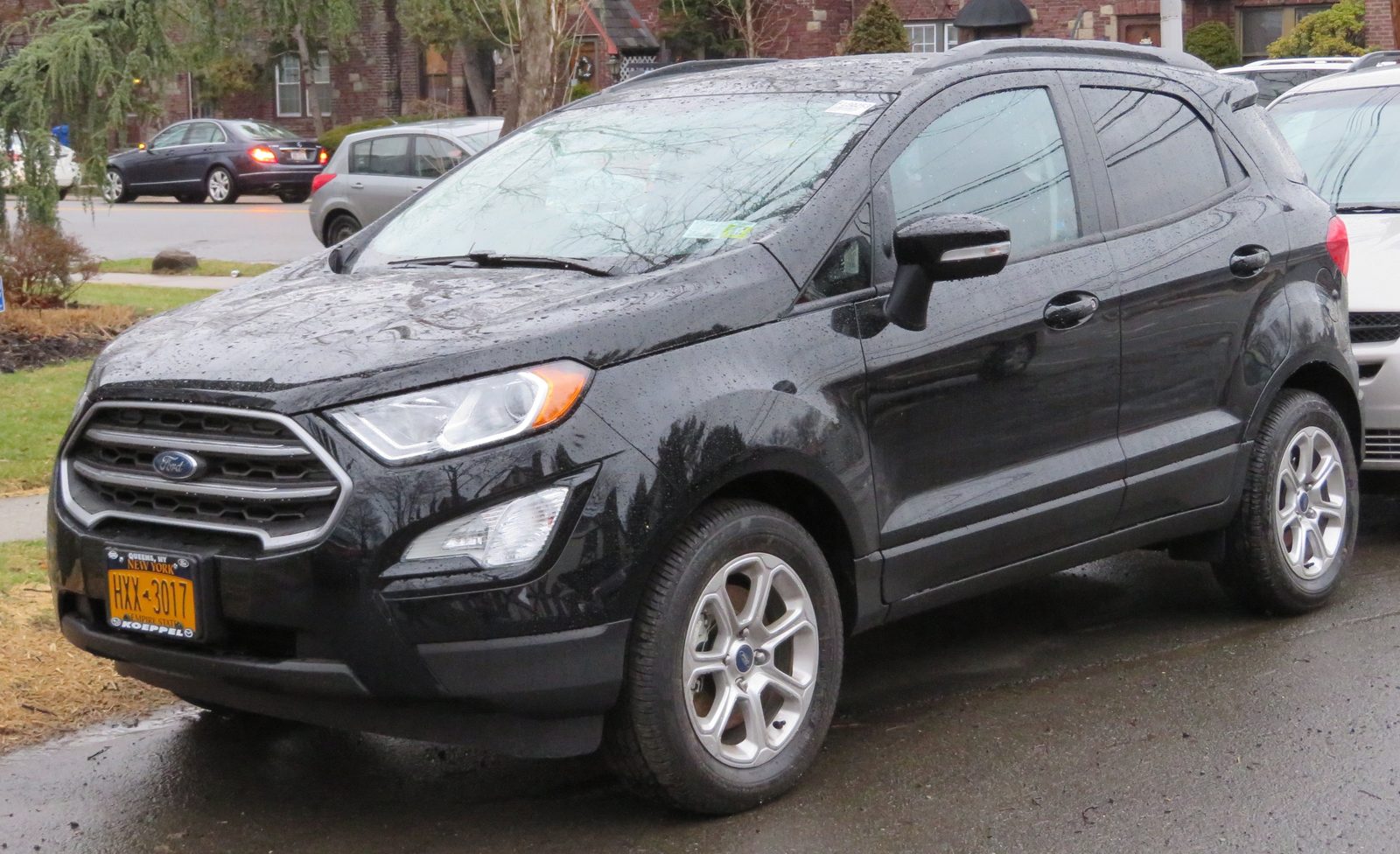
Ford Ran the Timing Belt Through the Oil. Federal Investigators Say the Belt Is Now Starving the Engine.
A belt-in-oil drive is quieter and lower-friction than a chain. NHTSA's new engineering analysis says the 1.0-liter EcoBoost's belt sheds material that clogs the oil pump pickup — and that screen can't be cleaned without pulling the engine.
The Automatic's Oldest Trick: How a Torque Converter Multiplies Torque With No Gears
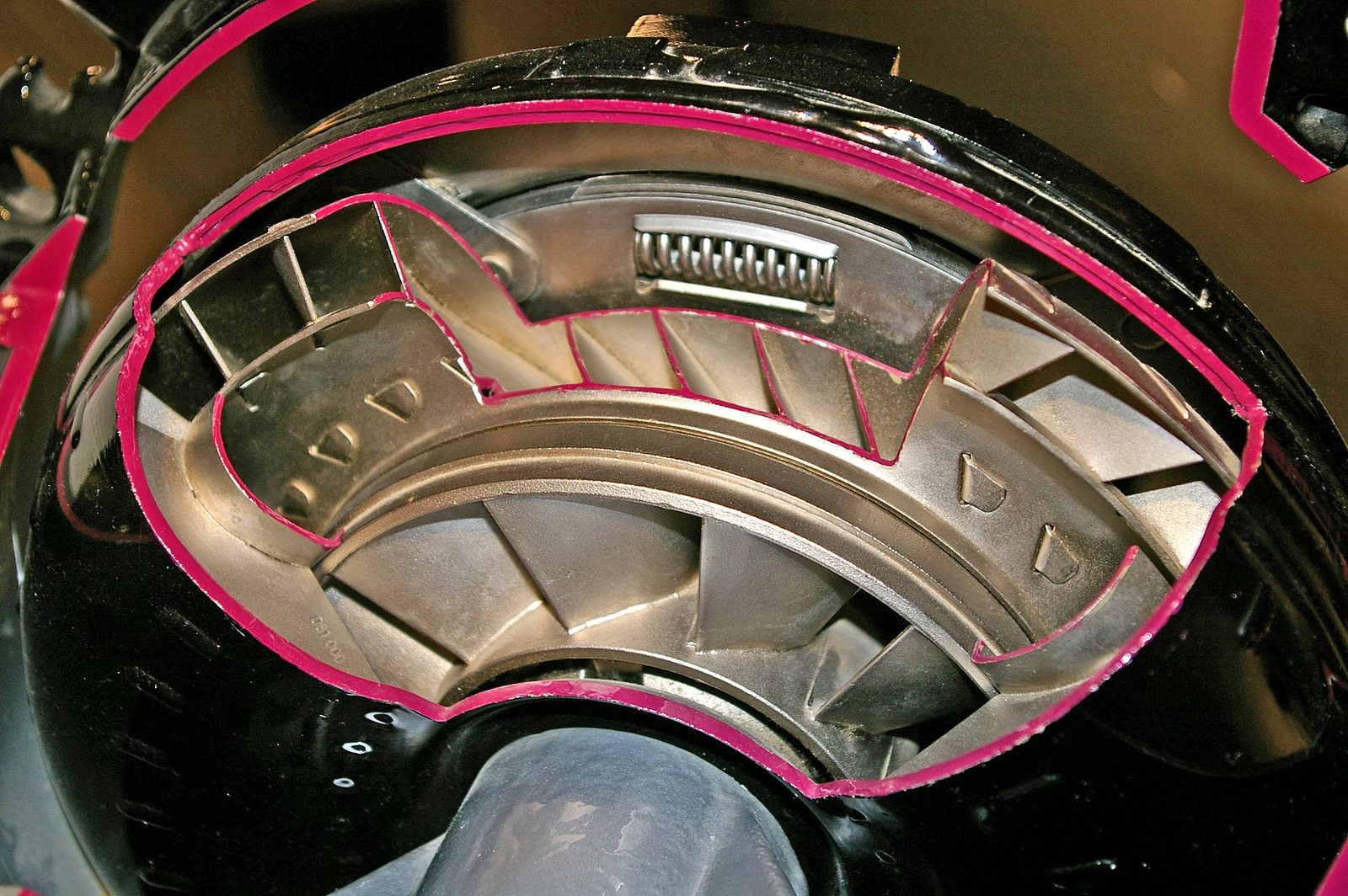
It has no gear teeth and nothing that meshes, yet a torque converter can roughly double engine torque off the line. The part doing the work is the one bolted to nothing at all.
How Electronic Stability Control Reads a Slide and Corrects It Before the Driver Even Feels It
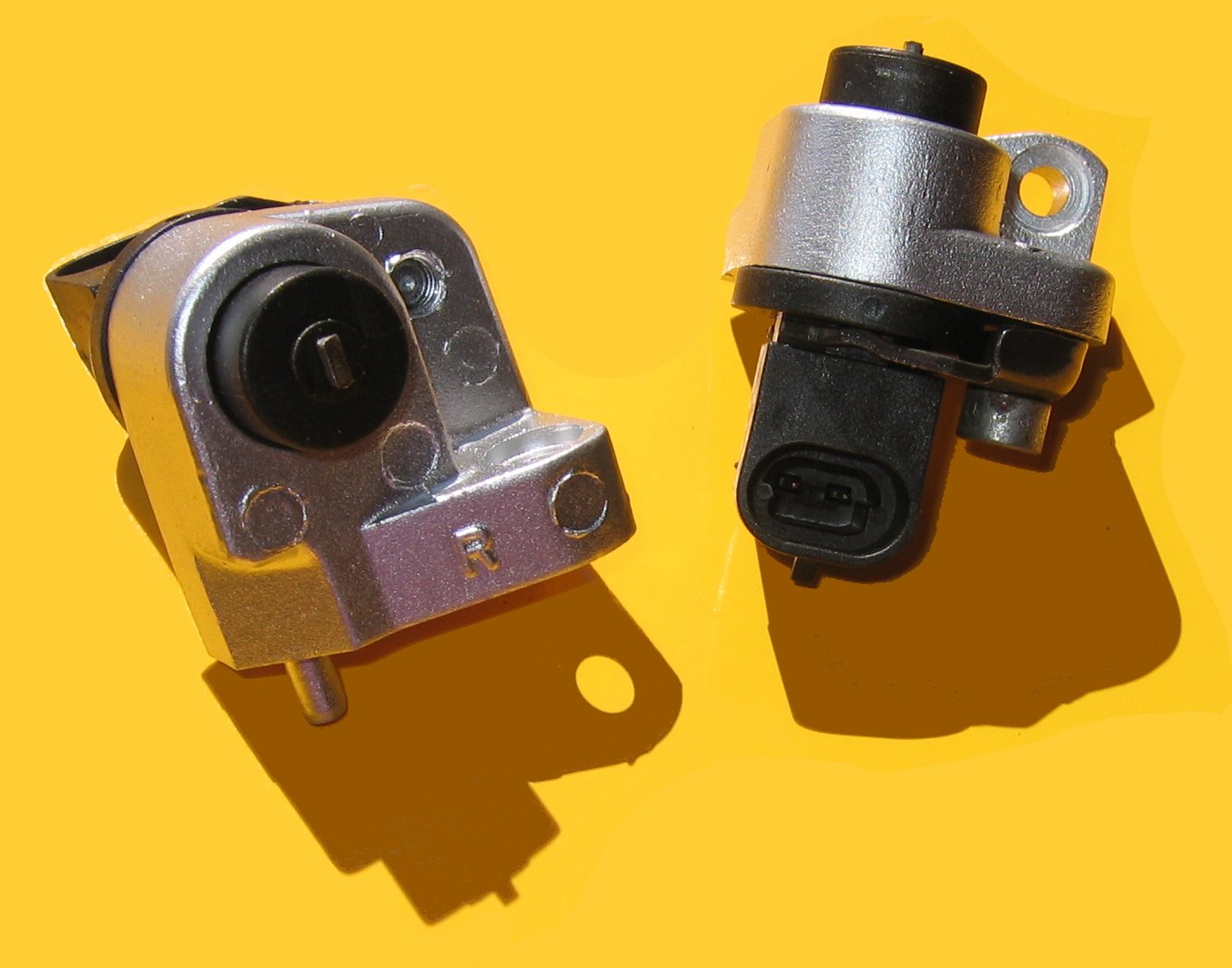
A network of wheel-speed, steering-angle, and yaw sensors checks the car's actual path against the driver's intended one many times a second — and brakes a single wheel to pull it back if the two disagree.