
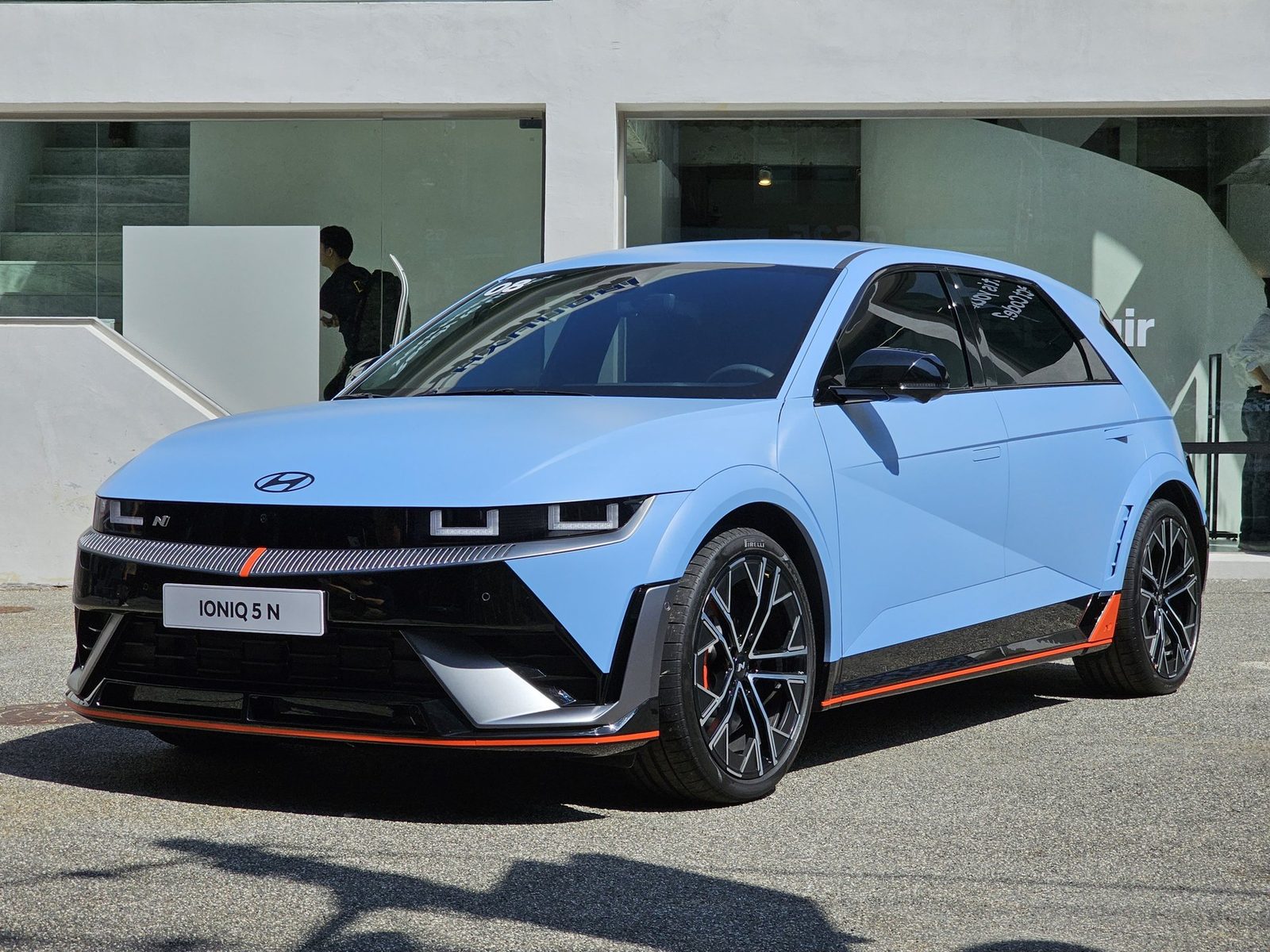
Hyundai Just Made Its Fake Gearbox $6,300 Cheaper — Here's How the Ioniq 5 N Pulls Off the Trick
The 2026 Ioniq 5 N drops to a $59,900 starting price without losing a single horsepower. What it keeps is N e-Shift and N Active Sound+, the two systems that make a single-speed EV feel and sound like it's rowing through an eight-speed gearbox.
Hyundai cut the starting price of the 2026 Ioniq 5 N to $59,900 — before a $1,600 destination charge — a $6,300 drop from the previous model year. Nothing about the performance changed: N Grin Boost mode still delivers the full 641 horsepower and 568 lb-ft for its 10-second overboost window, the same figures Hyundai has quoted since the car launched. What actually sets the Ioniq 5 N apart from a merely quick EV, though, isn't the horsepower number — it's two software systems, N e-Shift and N Active Sound+, built specifically to make a car with no physical gearbox behave like it has one.
Underneath, the Ioniq 5 N's motors still drive through a fixed, single-speed reduction gear, like every other EV — there's no multi-ratio transmission to actually shift. N e-Shift fakes it anyway. Flip it on and the paddle shifters, normally used for regen strength, start simulating an eight-speed dual-clutch gearbox borrowed conceptually from Hyundai's gas-powered N cars: pull a paddle and the car briefly cuts torque delivery and reapplies it with a deliberate jolt, mimicking the feel of a real gear change, while a dedicated tachometer sweeps up to a simulated 8,000-rpm redline. Drivers can leave it in a simulated-automatic mode or work the paddles manually — the torque cut and reapply happen either way, so it's not just a dashboard animation, the car's actual power delivery changes in step with each fake shift.
N Active Sound+ is the half that makes it audible. The system pipes synthesized sound through eight interior Bose speakers plus two external speakers, with three selectable profiles — 'Ignition,' modeled on a gas-powered N car's engine and exhaust note, and two EV-specific sounds, including a fighter-jet-inspired 'Supersonic' mode. The sound isn't a static loop; it remixes continuously based on speed and throttle position. Switching on N e-Shift automatically drops Active Sound+ into Ignition mode and layers in pops and bangs on simulated shifts, so the torque jolt from e-Shift and the exhaust note from Active Sound+ land together instead of as two disconnected effects.
The rest of the 2026 update is smaller but practical: the car now has a native NACS port for Tesla Supercharger access without an adapter, and N Drift Optimizer — which manages torque split for controlled drifting — expanded from a single preset to ten selectable stages. None of it changes the core engineering bet Hyundai is making with e-Shift and Active Sound+: that drivers moving from gas N cars to electric ones want the sensations of a manual-feeling drivetrain even after the drivetrain that created those sensations is gone.

Ford Ran the Timing Belt Through the Oil. Federal Investigators Say the Belt Is Now Starving the Engine.
A belt-in-oil drive is quieter and lower-friction than a chain. NHTSA's new engineering analysis says the 1.0-liter EcoBoost's belt sheds material that clogs the oil pump pickup — and that screen can't be cleaned without pulling the engine.
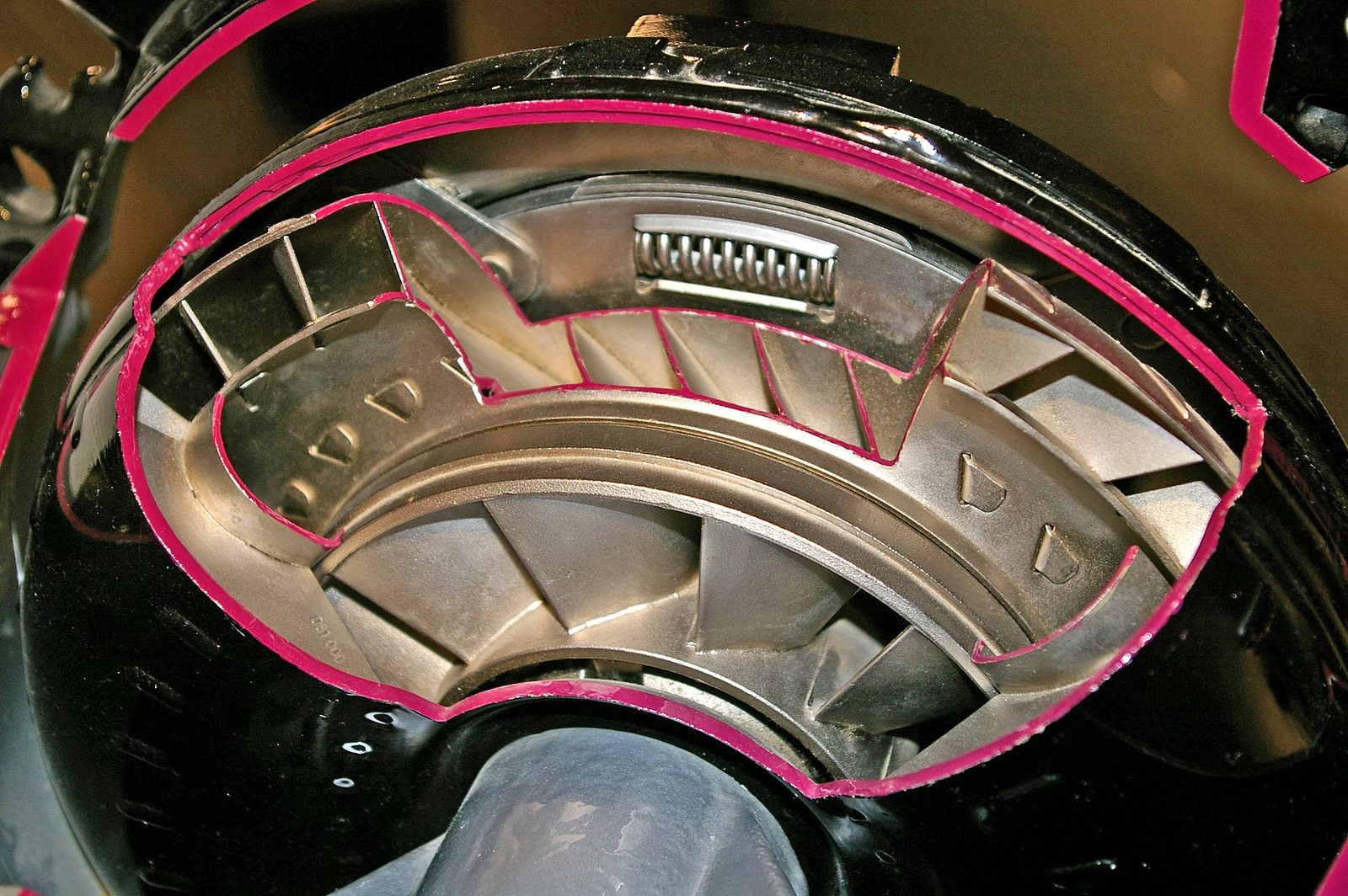
The Automatic's Oldest Trick: How a Torque Converter Multiplies Torque With No Gears
It has no gear teeth and nothing that meshes, yet a torque converter can roughly double engine torque off the line. The part doing the work is the one bolted to nothing at all.
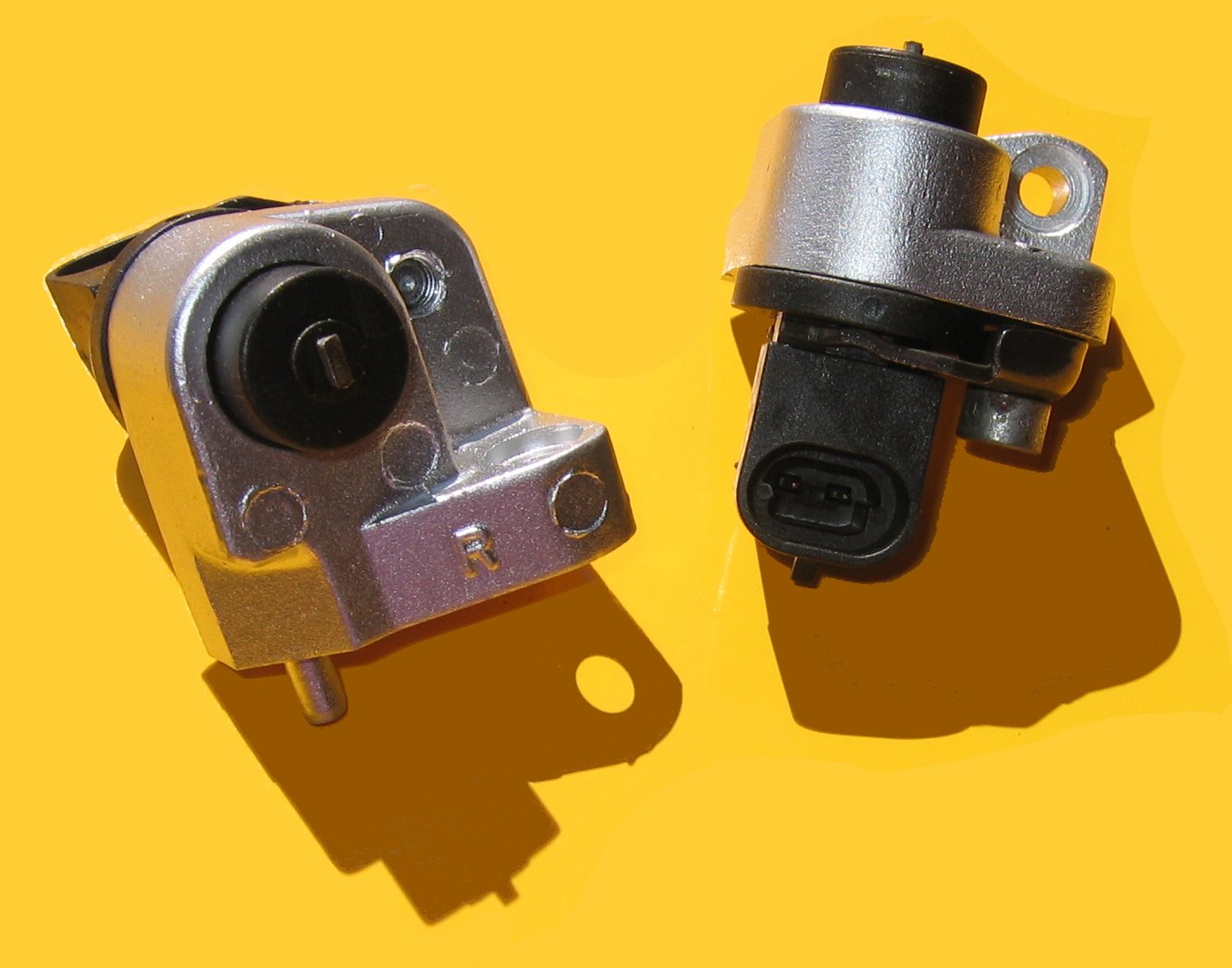
How Electronic Stability Control Reads a Slide and Corrects It Before the Driver Even Feels It
A network of wheel-speed, steering-angle, and yaw sensors checks the car's actual path against the driver's intended one many times a second — and brakes a single wheel to pull it back if the two disagree.