
Jaguar Split the Type 01's Cabin Down the Middle
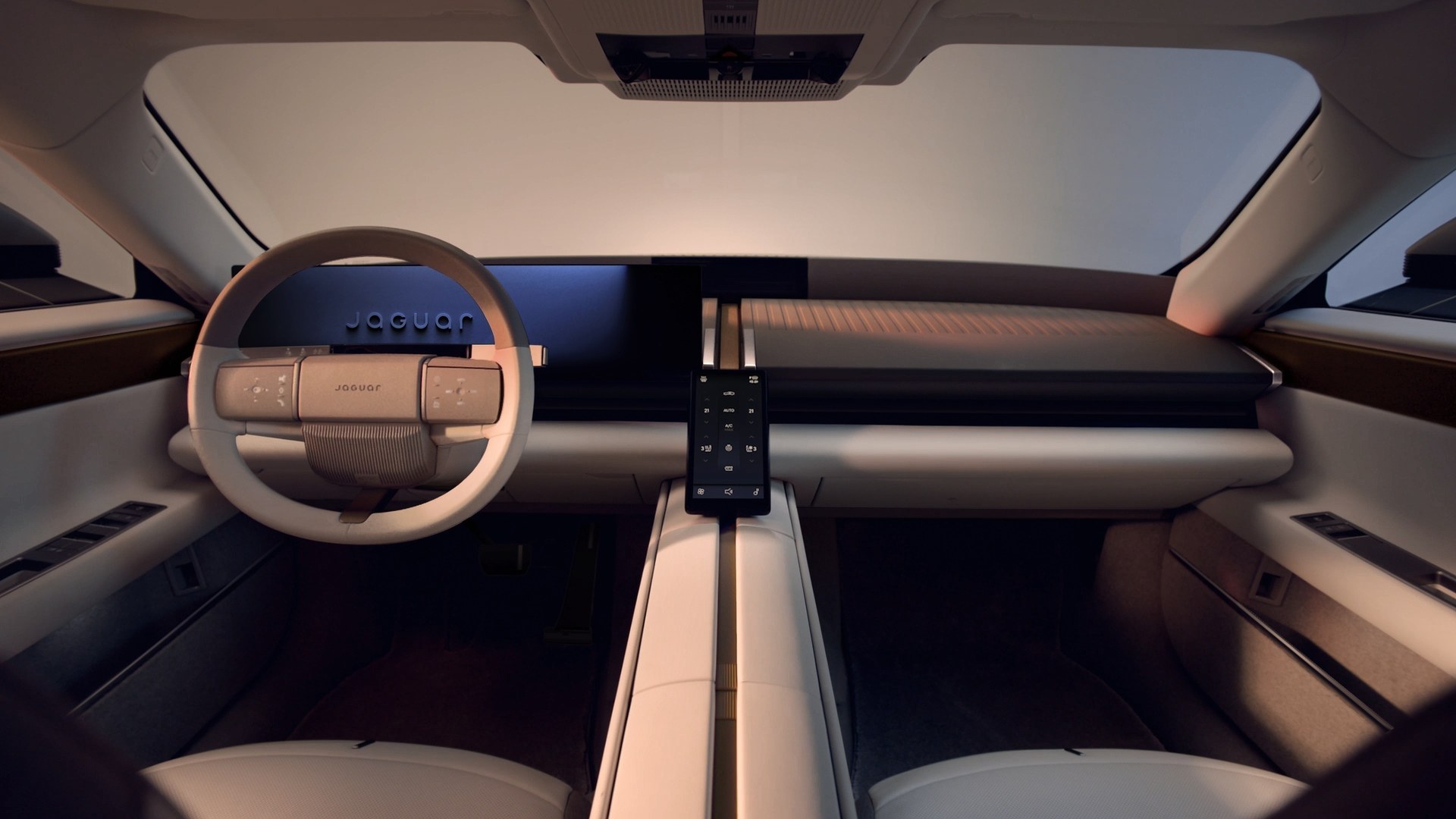
The first interior images of Jaguar's electric four-door GT show a brass-finished spine running end to end, four separate seats, and a dashboard designed to hide most of its technology.
Jaguar released the first images of the Type 01's interior from Gaydon on August 12, and the headline feature is a piece of structure rather than a screen. A central spine runs the full length of the cabin, front to back, dividing the car into four individual spaces.
That spine is finished in what Jaguar describes as a brass-inspired material, and the same finish repeats along the tops of both doors, each strip carrying the leaper. The company's framing is that this is a concept car idea that survived the trip to production intact — the longitudinal emphasis is deliberate, set against what its own designers call the horizontal norm of modern interior design.
"Our holistic design philosophy translates the vehicle's exterior presence into a distinctive interior architecture," said Thomas Holden, Jaguar's chief interior designer. "In contrast to the horizontal interior design norm, we emphasise its dramatic longitudinal nature through the central spine — an architectural statement that creates four individual spaces."
The palette is tonal and stone-derived. Jaguar cites travertine — the banded limestone that has been a building material since Roman construction — as the reference point, alongside what it calls the rich textures of artisan textiles. That is a straight line back to the Type 00 concept the brand showed at Miami Art Week in December 2024, which used travertine, brass and woven wool inside. Nearly two years later, the production car is not walking any of that back.
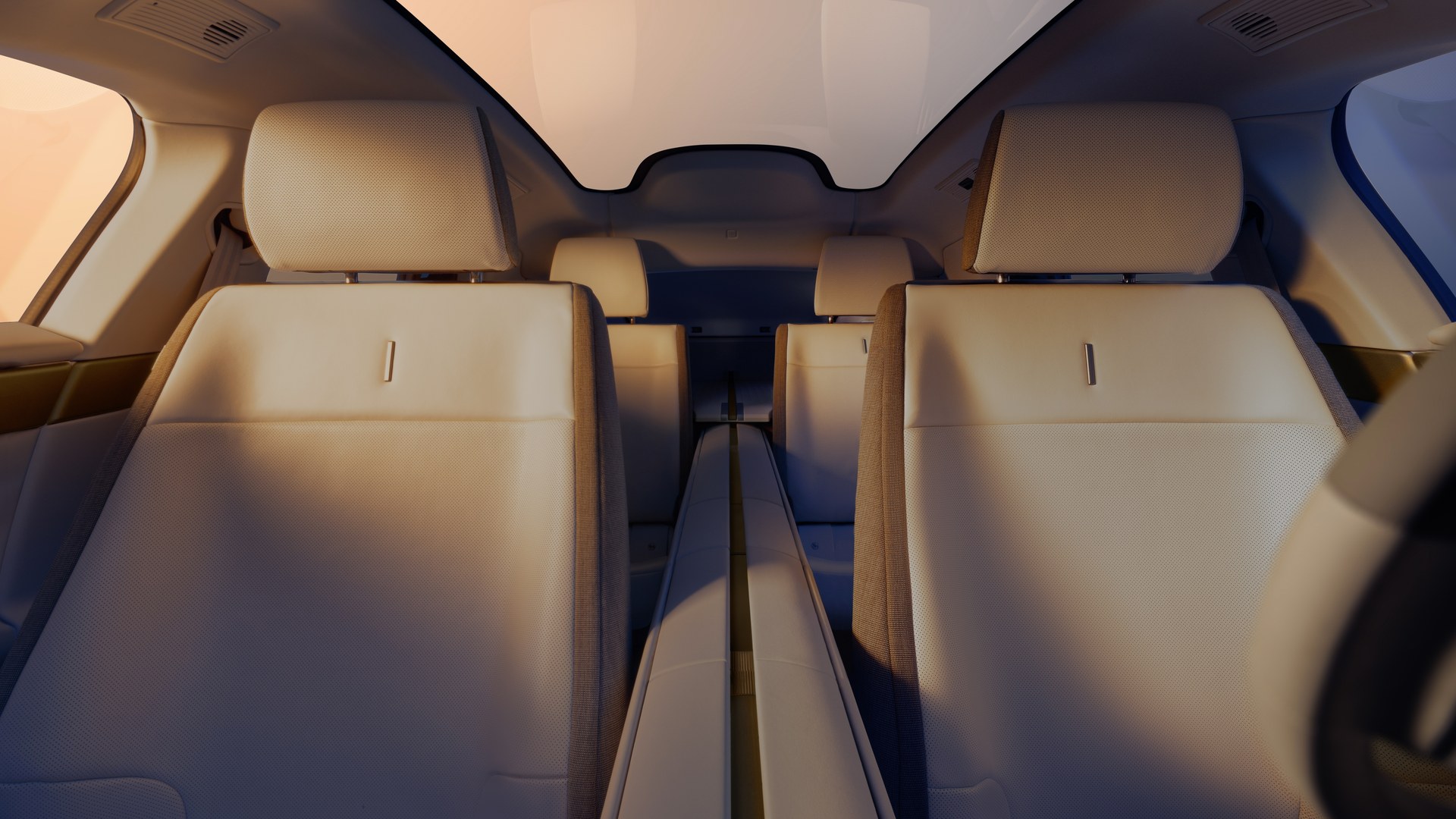
The driving position is the second theme. Jaguar says the cabin shrinks around the driver, with a low seating position meant to cosset and inspire confidence, and describes strikethrough elements that visually merge the bonnet with the slim dashboard so the two read as one form. In the released front-cabin image, the dashboard is a shallow horizontal band with a single wide display behind a two-spoke wheel, and a narrow portrait touch panel for climate mounted where a center stack would normally begin.
Where the technology sits is a choice the release keeps returning to. Digital interfaces are described as intelligently applied for control on demand, with concealed compartments and hidden-until-needed technologies through the rest of the cabin. The one screen Jaguar calls out by position is the digital ClearSight Rear View Display, mounted centrally at the base of the windscreen at the same height as the door mirrors — the reasoning being that a driver checking behind should not have to look far from where they were already looking.
"Jaguar Type 01 is the first production car to follow our new creative philosophy," said Rawdon Glover, Jaguar's managing director. "With a confidence-inspiring GT driving position, clean and sophisticated technology and dramatic styling, Type 01 has an interior like no other."
The name is a sentence rather than a code. Type points back to the Jaguars that carried it, the 0 stands for zero tailpipe emissions, and the 1 marks the first car of the new generation. It is a luxury four-door GT, designed, developed and built in the UK, and the first production Jaguar on the Jaguar Electric Architecture — a platform used by this car and nothing else, which is unusual enough in 2026 to be worth stating plainly.
What today's release does not include is a single number. No power output, no battery capacity, no range figure, no price, no on-sale date. Jaguar is metering this out: an interior in August, then a prototype wearing a new wrap through Monterey Car Week, ending at the Pebble Beach Concours d'Elegance on Sunday, August 16. The full reveal is set for New York on October 6.
The stakes around it are not subtle. Jaguar stopped selling new cars in most markets while it rebuilt the brand, and the 2024 rebrand campaign that preceded the Type 00 drew a volume of criticism that had very little to do with cars. Everything since has been the company arguing that there was a real product behind the graphic design. The interior is the first part of that argument you could actually sit in — and a cabin split into four separate places by a brass spine is, whatever else it is, not a hedge.
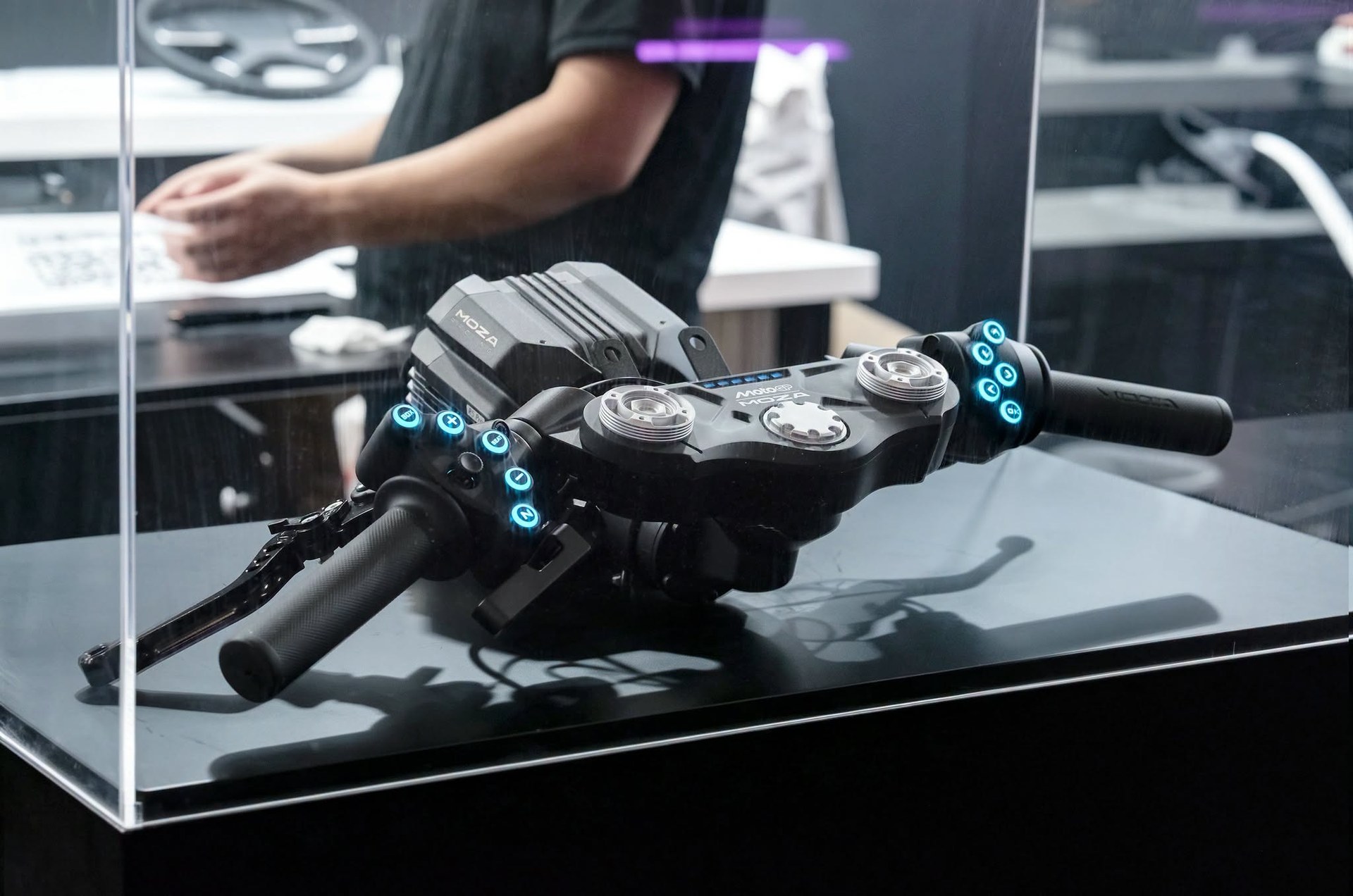
MOZA Brought Four Licensed Wheels to Gamescom. The Thing Worth Watching Was the Handlebar.
Porsche, Ford and two Mercedes wheels made the headlines in Cologne. But the MotoGP-licensed handlebar is the only piece doing something MOZA has never done before — and almost nothing shown has a price.
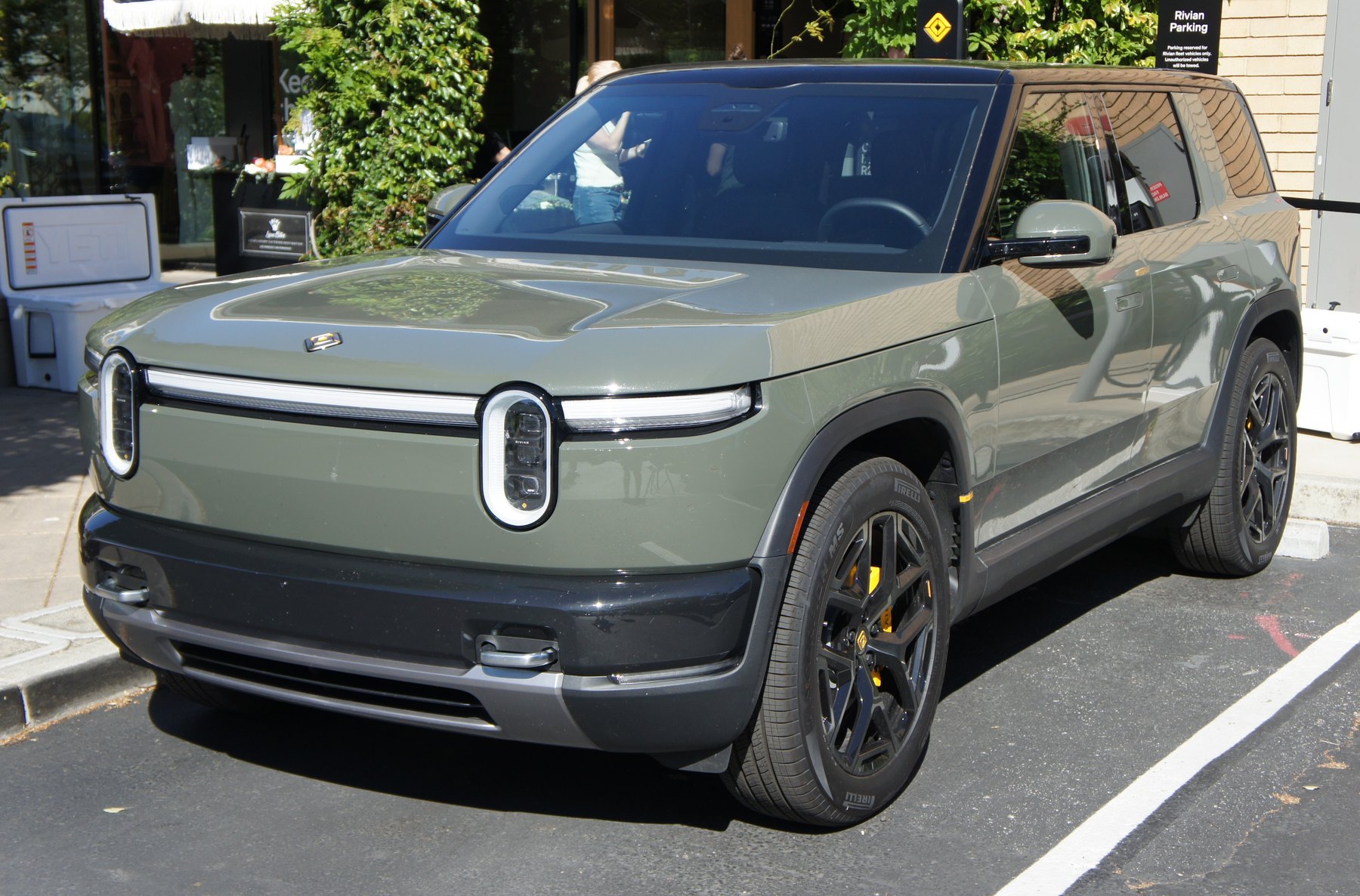
Everybody Loved the Rivian R2. Nobody Has Driven the One That Actually Matters.
The reviews that landed on June 9 were close to unanimous — and every single one of them was of a $57,990 Performance. The $44,990 version Rivian's whole future is riding on doesn't show up until 2027.
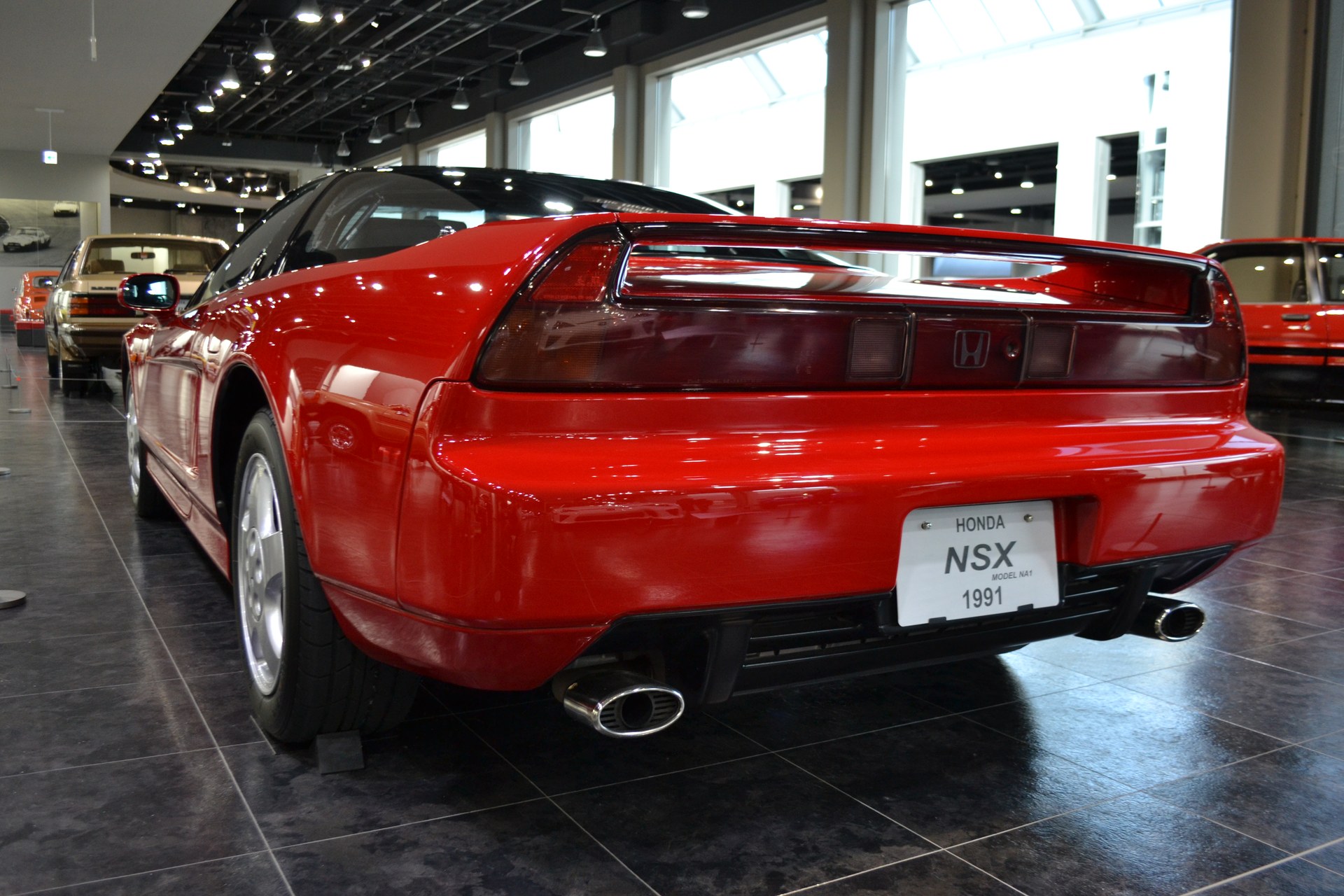
Pininfarina Redrew the NSX, and the Only Two Pedals It Left Out Are the Ones You'd Miss
JAS Motorsport's Tensei keeps the pop-up headlights, the naturally aspirated V6 and a six-speed manual. The newly revealed cabin is the last piece before a Paris debut in October.