
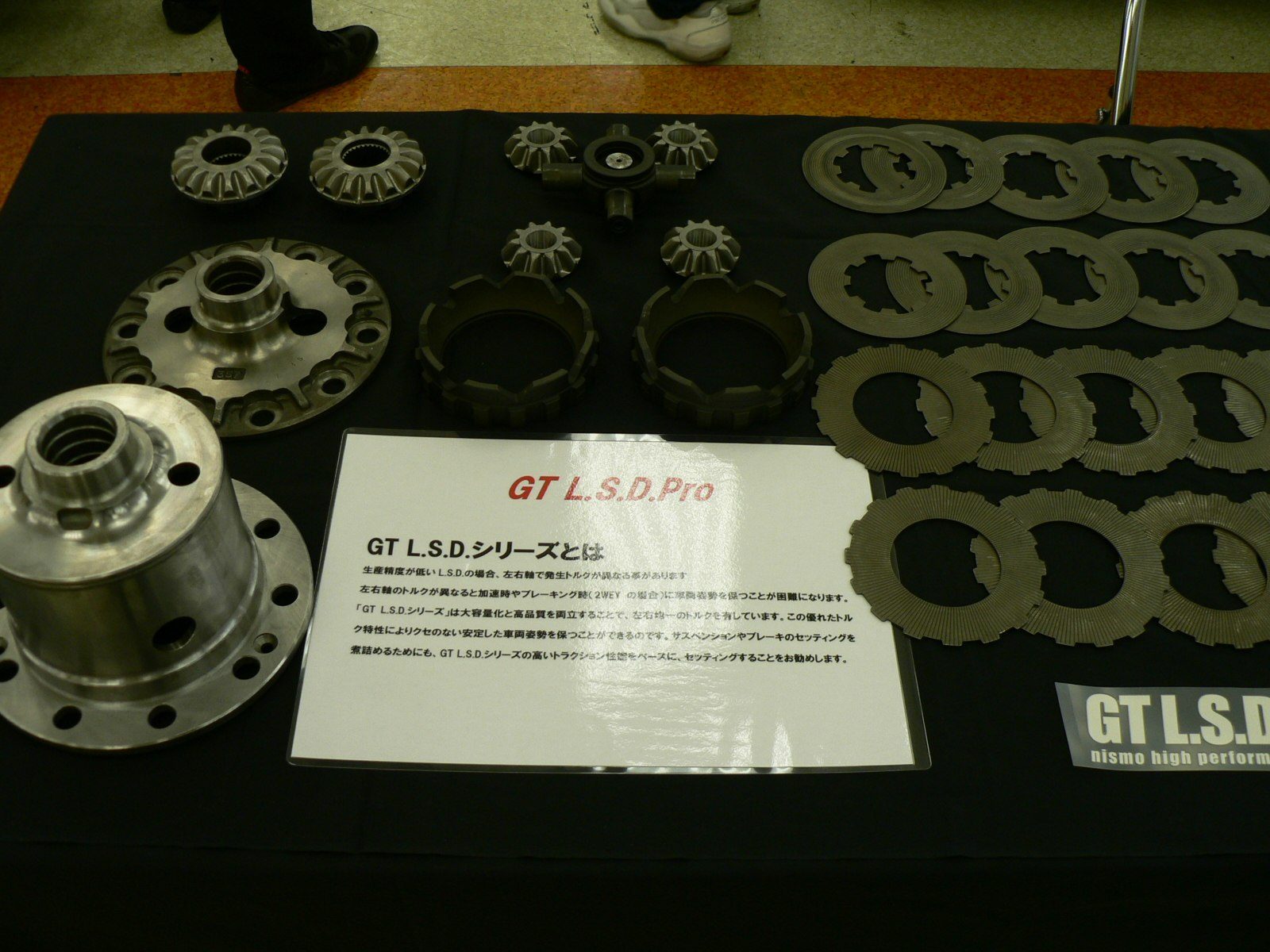
"Limited-Slip Diff" Covers Three Genuinely Different Machines
Mechanical clutch-type, electronically actuated, and true torque-vectoring differentials all get called an LSD, but they solve the same problem with three completely different control philosophies.
An open differential — the default on most cheap cars — always sends power to whichever wheel has the least grip, which is exactly wrong the moment one tire is on gravel, wet pavement, or lifted off the ground mid-corner. A limited-slip differential exists to override that behavior, but "limited-slip" isn't one design, it's a category covering at least three fundamentally different ways of solving the same problem.
The oldest and simplest is the mechanical clutch-type or geared LSD — a passive, torque-sensitive system using clutch packs or worm/spur gear sets that react automatically to load differences between the two wheels, with no electronics or driver input involved at all. It's been in enthusiast and race cars for decades because it's simple, reliable, and does its job through pure mechanical response rather than sensors.
Electronically controlled systems add a computer into that loop without necessarily changing the physical hardware. Subaru's DCCD, found on WRX STI models, uses an electromagnetic clutch pack as the center differential, adjustable by the driver but ultimately governed by the ECU. Mitsubishi's ACD, introduced on the Evo in 2001, works similarly — largely automatic, with driver input limited to selecting Tarmac, Gravel, or Snow modes rather than direct control. Both are commonly mistaken for purely mechanical systems because they don't feel electronic from the driver's seat, but the ECU is doing real work in both cases.
True torque vectoring is a different job entirely. Rather than reactively limiting slip between two wheels spinning at different speeds, a torque-vectoring differential can actively overdrive one wheel relative to the other independent of any speed difference — actually pushing more power to the outside wheel in a corner to help rotate the car, rather than just preventing wheelspin. Mitsubishi's mid-1990s Active Yaw Control on the Lancer Evolution is widely cited as one of the first production systems to do this. Later Audi RS models, the Lexus RC F and GS F, and Evo rear differentials in period all built on the same idea. A cheaper, brake-based imitation of the effect — used on cars like the VW Golf GTI and Mercedes-AMG CLA45 — fakes torque vectoring by braking the inside wheel mid-corner instead of using a real diff, which gets a similar result without the mechanical complexity or the cost.
The confusion around all three comes from the fact that they all address the same symptom — one wheel spinning uselessly while the other sits idle — but a $400 clutch-pack rebuild kit, a $1,500 ECU-controlled center diff, and a factory torque-vectoring rear end are three different pieces of engineering wearing the same casual name.
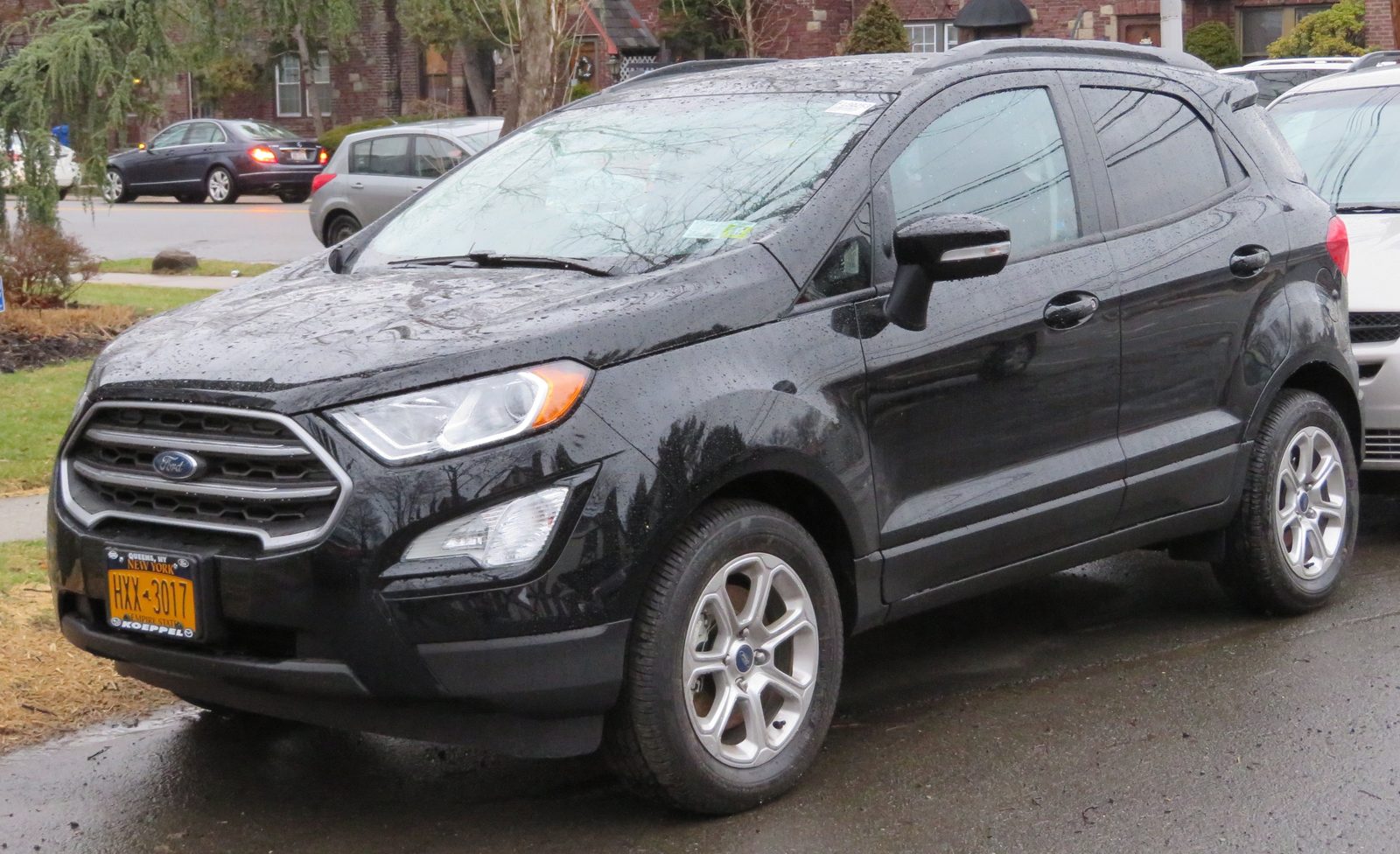
Ford Ran the Timing Belt Through the Oil. Federal Investigators Say the Belt Is Now Starving the Engine.
A belt-in-oil drive is quieter and lower-friction than a chain. NHTSA's new engineering analysis says the 1.0-liter EcoBoost's belt sheds material that clogs the oil pump pickup — and that screen can't be cleaned without pulling the engine.
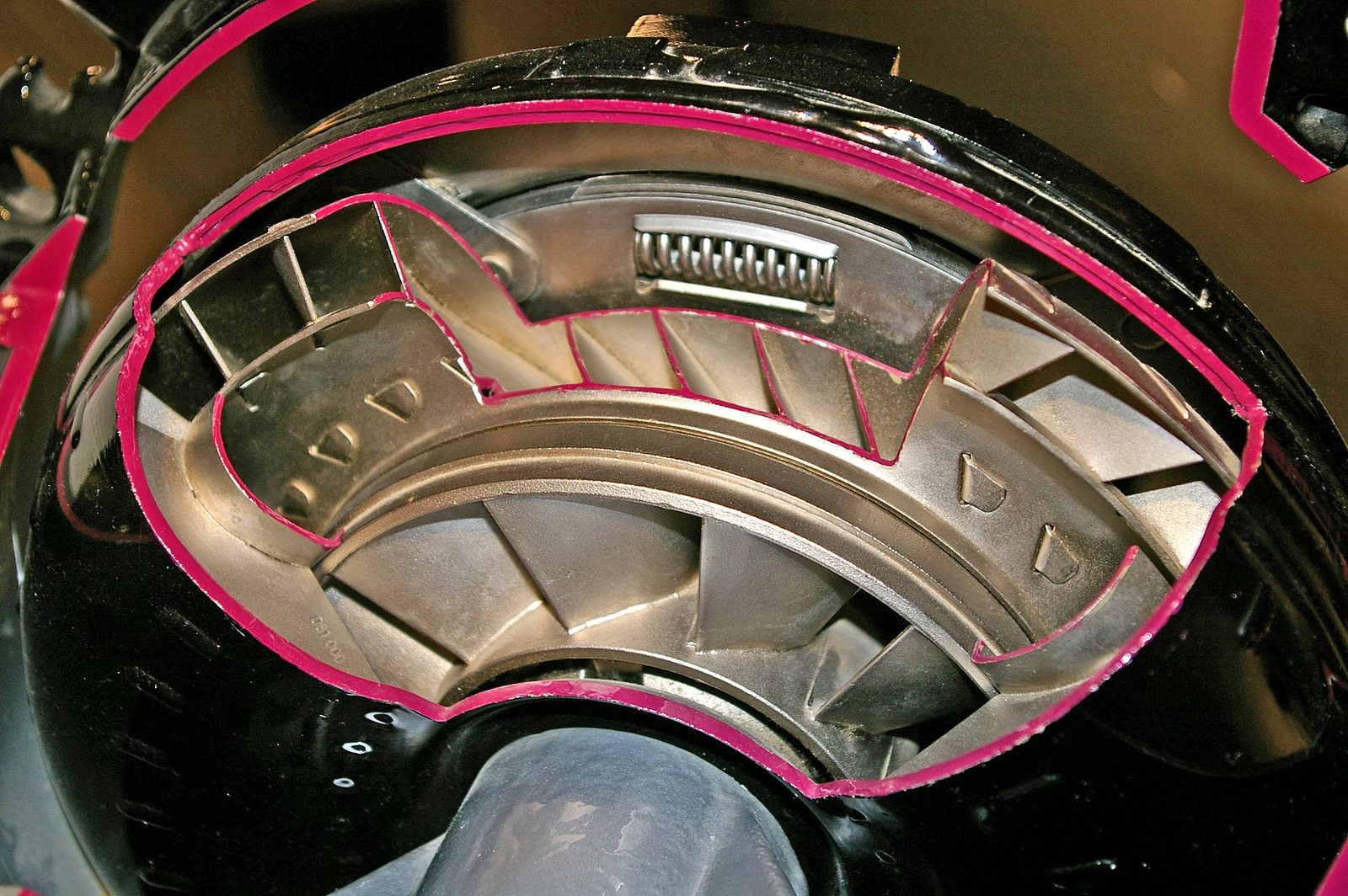
The Automatic's Oldest Trick: How a Torque Converter Multiplies Torque With No Gears
It has no gear teeth and nothing that meshes, yet a torque converter can roughly double engine torque off the line. The part doing the work is the one bolted to nothing at all.
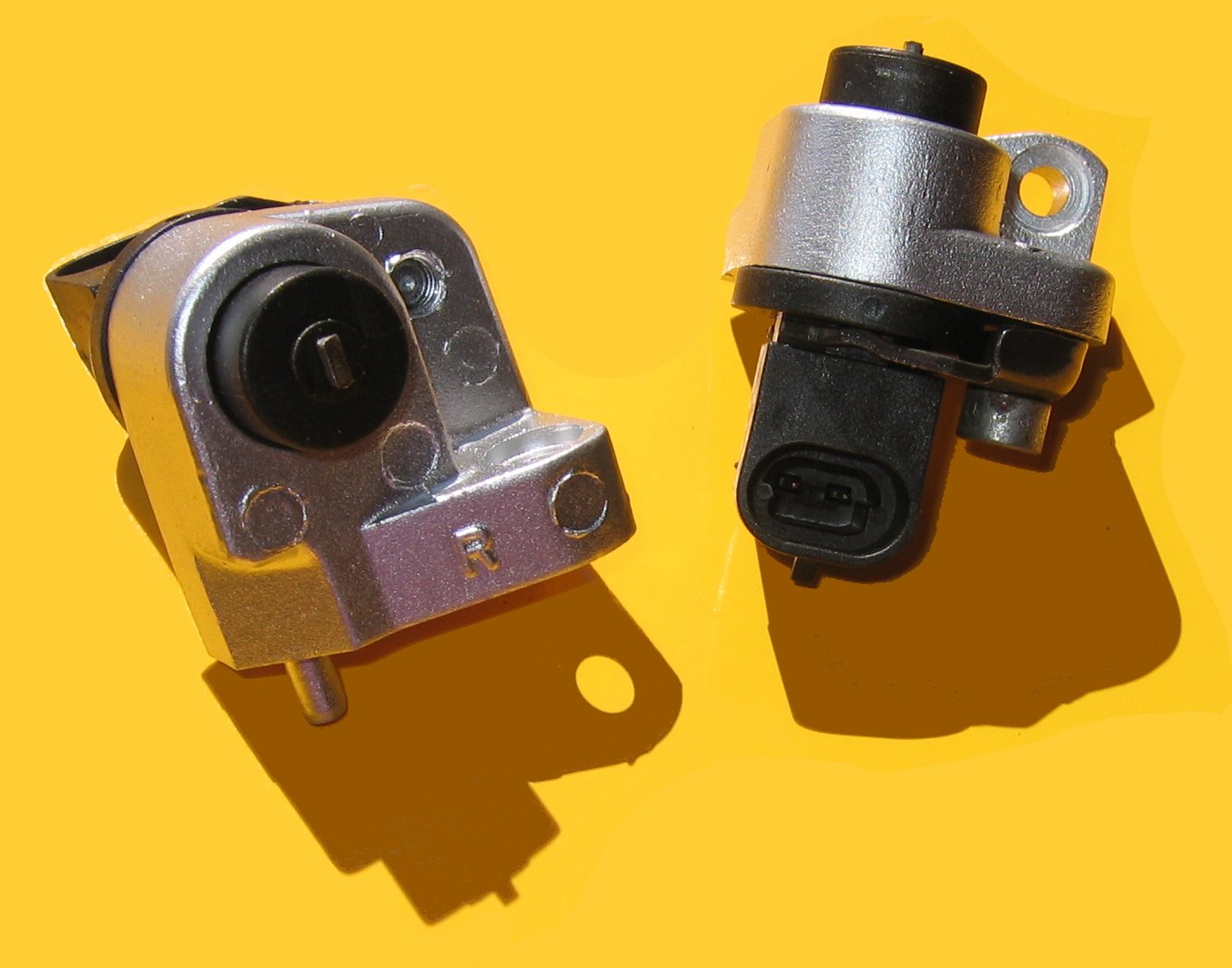
How Electronic Stability Control Reads a Slide and Corrects It Before the Driver Even Feels It
A network of wheel-speed, steering-angle, and yaw sensors checks the car's actual path against the driver's intended one many times a second — and brakes a single wheel to pull it back if the two disagree.