
Mazda Keeps Solving Problems the Rest of the Industry Already Gave Up On
A gasoline engine that ignites like a diesel. A roadster tuned by researching how a rider feels on a horse. Mazda's engineering department has a habit of taking the hard, unfashionable path — and it keeps working.
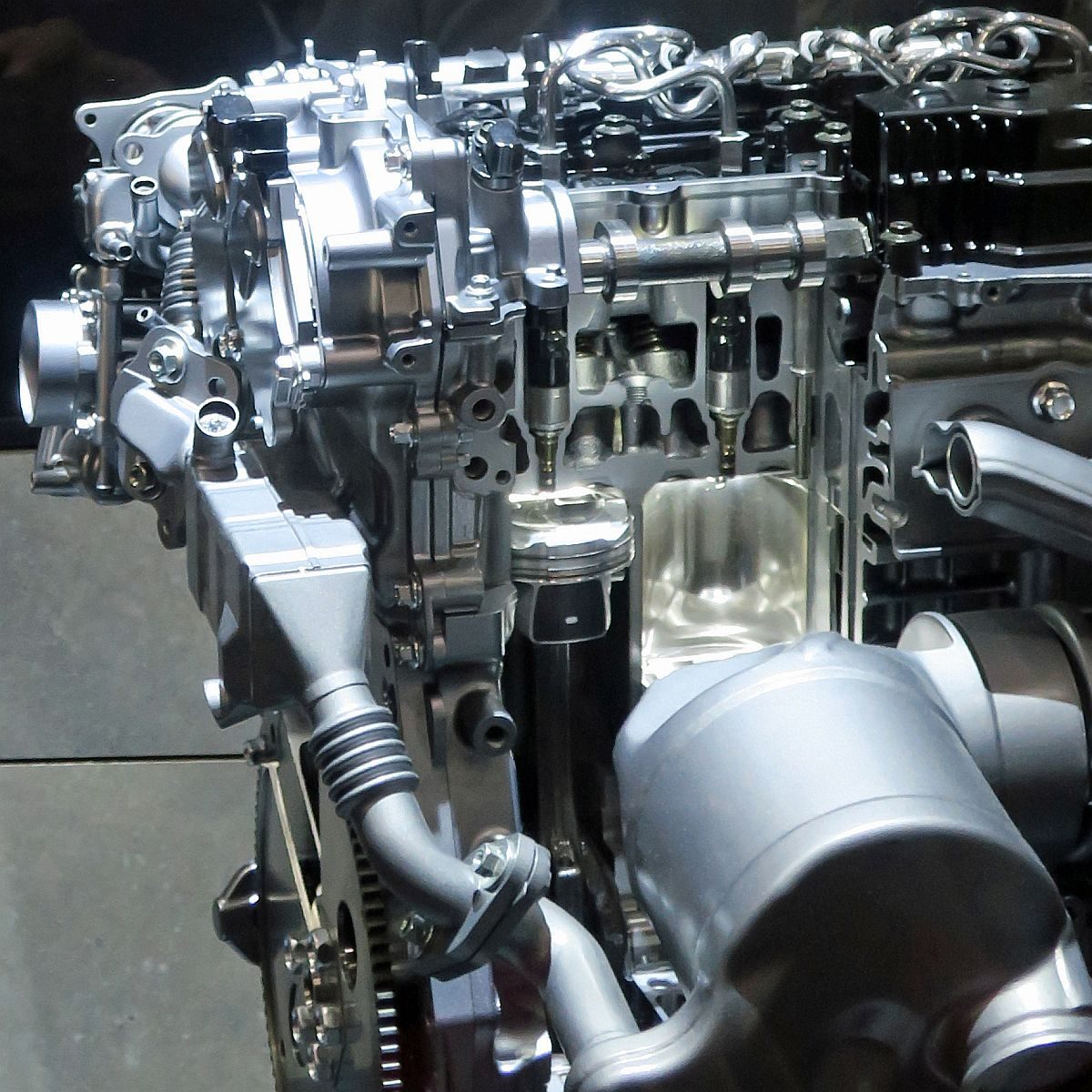
Most automakers spent the 2010s chasing efficiency through turbocharging, downsizing, or electrification. Mazda spent it trying to make a gasoline engine ignite fuel the way a diesel does — without a diesel's compression ratio, its weight, or its emissions problems. That engine, SkyActiv-X, shipped in 2019 as the first commercial gasoline engine to run on homogeneous charge compression ignition, and getting there meant solving a problem that had kept HCCI gasoline engines out of production cars for decades: the ignition point is brutally hard to control.
Mazda's answer was Spark Controlled Compression Ignition. The engine draws in a lean, homogeneous air-fuel mixture and compresses it right up to the edge of spontaneous detonation — then a second injector adds a small secondary charge of fuel directly at the spark plug. The plug ignites that small charge on command, which spikes cylinder pressure just enough to trigger compression ignition in the rest of the mixture, on Mazda's schedule rather than the fuel's. It runs at a 16:1 compression ratio, uses a small Roots-type supercharger to keep the mixture lean enough for compression ignition even at higher engine speeds, and spends about 90% of normal driving in SPCCI mode — gasoline responsiveness at the top end, diesel-like efficiency everywhere else. The Japan Society of Mechanical Engineers had already medaled Mazda's engineers once before, for the SkyActiv-G's then-record 13:1 gasoline compression ratio in 2012; SkyActiv-X was the sequel nobody else in the industry had actually managed to ship.
The other kind of engineering Mazda does is harder to put a number on. In 1987, MX-5 program manager Toshihiko Hirai started printing 'Jinba Ittai' on his business cards — a phrase borrowed from yabusame, Kamakura-period mounted archery, meaning rider and horse as one body. Hirai's team used it to describe a target they couldn't spec directly: a car where the driver stops noticing the machine is there at all. They researched what drivers actually felt in the seat and through the wheel, then tuned the MX-5's steering and suspension specifically to reduce unconscious hand and head movement — less correction, less float, more of the car simply doing what the driver's body already expected.
That approach has a name at Mazda: Kansei engineering, designing from the sensory and emotional experience backward into the hardware rather than the other way around. It sounds soft next to a 16:1 compression ratio, but it's the same instinct pointed at a different problem — both are Mazda choosing not to accept an industry's settled answer just because everyone else stopped asking the question. One team spent a decade getting a gasoline engine to ignite like a diesel. Another spent nearly forty years making sure a two-seat roadster still disappears under the driver the way it did in 1989. Neither project made sense on a spreadsheet. Both shipped anyway.

Ford Ran the Timing Belt Through the Oil. Federal Investigators Say the Belt Is Now Starving the Engine.
A belt-in-oil drive is quieter and lower-friction than a chain. NHTSA's new engineering analysis says the 1.0-liter EcoBoost's belt sheds material that clogs the oil pump pickup — and that screen can't be cleaned without pulling the engine.
The Automatic's Oldest Trick: How a Torque Converter Multiplies Torque With No Gears
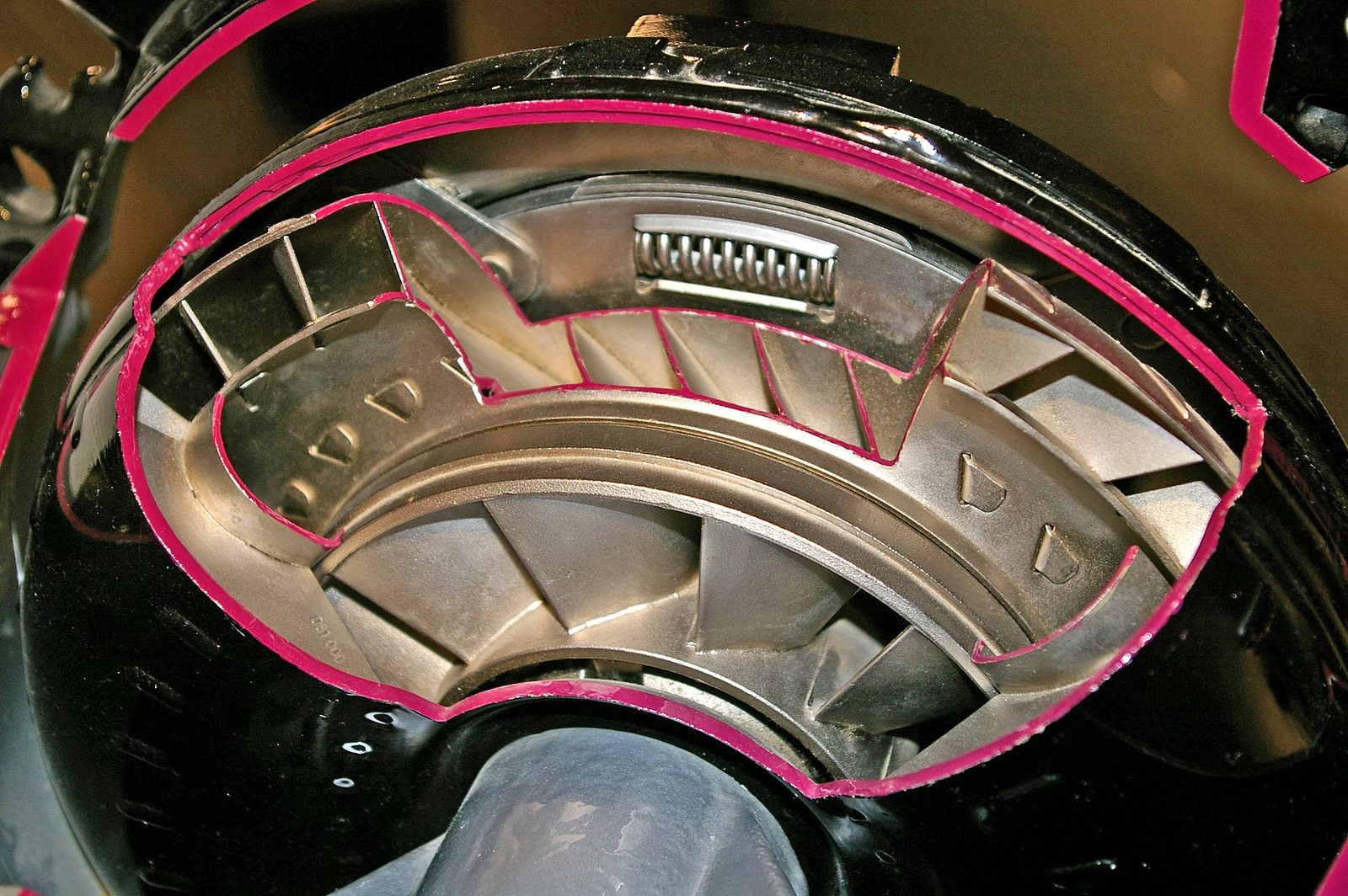
It has no gear teeth and nothing that meshes, yet a torque converter can roughly double engine torque off the line. The part doing the work is the one bolted to nothing at all.
How Electronic Stability Control Reads a Slide and Corrects It Before the Driver Even Feels It
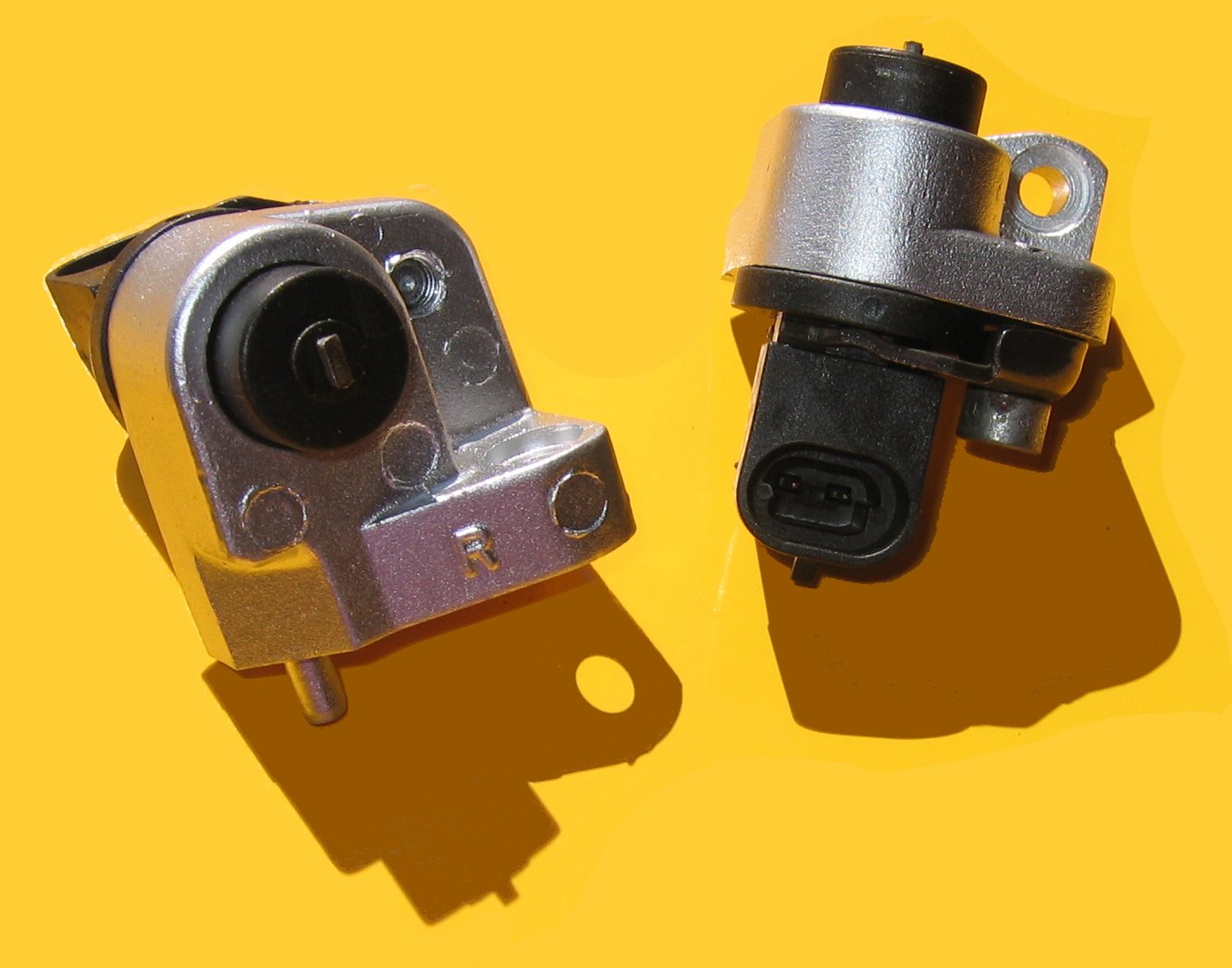
A network of wheel-speed, steering-angle, and yaw sensors checks the car's actual path against the driver's intended one many times a second — and brakes a single wheel to pull it back if the two disagree.