
Fifty Years Since Bergwerk: The Crash That Ended Formula 1's Deadliest Circuit
On August 1, 1976, Niki Lauda's Ferrari caught fire on the Nürburgring Nordschleife. He survived, nearly won the title anyway, and the sport never raced a championship round on the full circuit again.
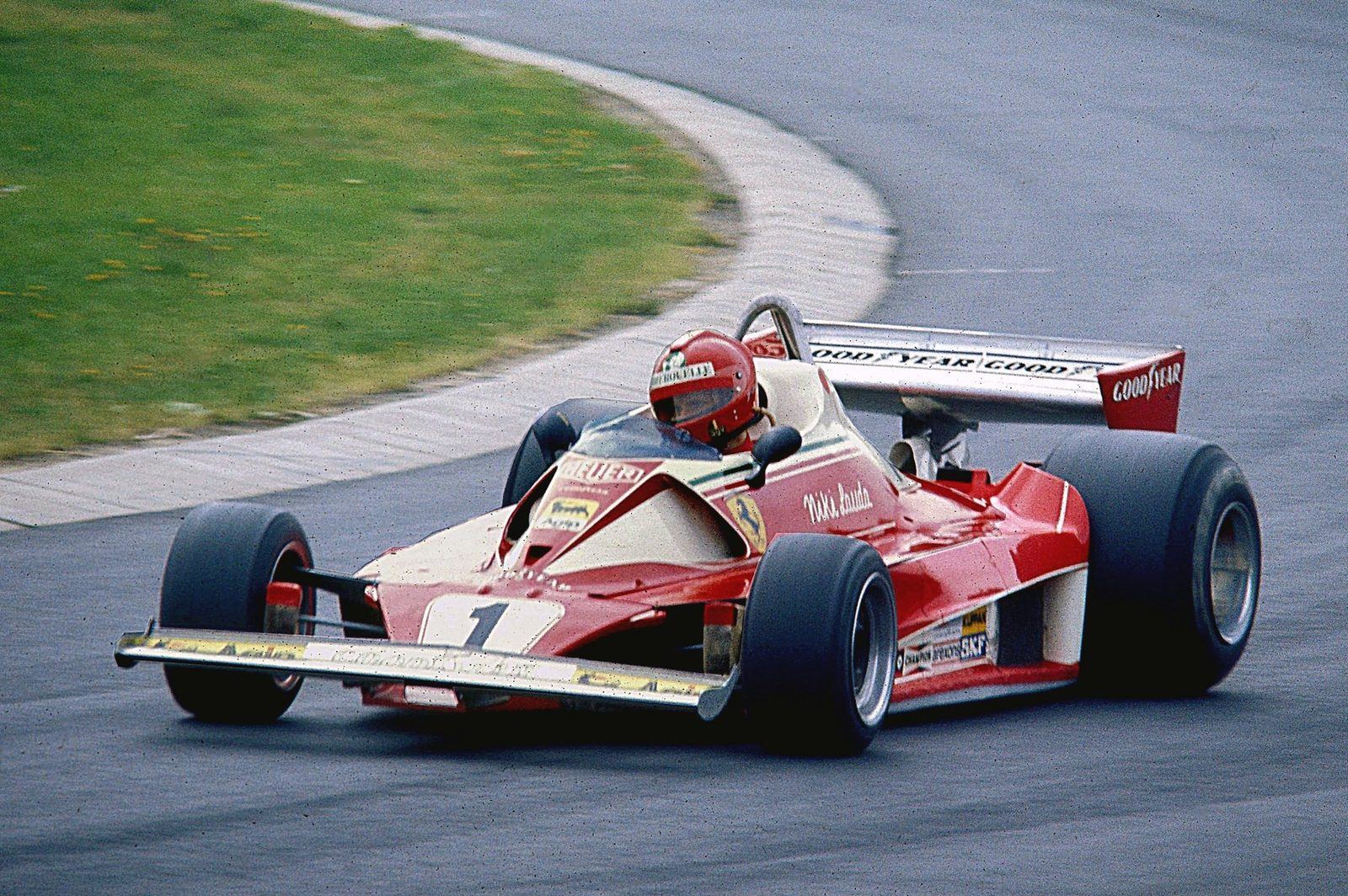
Fifty years ago this month, on August 1, 1976, Niki Lauda's Ferrari 312T2 went off the road on the second lap of a restarted German Grand Prix, at the left-hand curve just before the Bergwerk section of the Nürburgring's Nordschleife. It remains one of the most consequential single laps in motorsport history, not because of what it cost Lauda, though it nearly cost him his life, but because of what it cost the circuit itself. That afternoon was the last time a Formula 1 World Championship race was run on the full 14-mile Nordschleife, a track so long and so remote in places that adequate marshaling and medical response had become impossible to guarantee.
The Ferrari broke through the safety fencing, struck an earth embankment, and was thrown back onto the racing line while burning. Cars following behind had almost no way to avoid it. Lauda, reigning World Champion and the points leader that season, sat trapped and unconscious in the wreck as flames engulfed the cockpit.
He survived because four other drivers stopped their own cars in the middle of a live Grand Prix to pull him out. Arturo Merzario, Guy Edwards, Brett Lunger, and Harald Ertl converged on the burning Ferrari; Lunger's car had struck the wreckage directly, and Ertl's hit Lunger's in turn. Amid the risk of the fuel tank going up entirely, the group freed Lauda from the cockpit before the fire could finish what the crash had started.
The damage was severe. Lauda suffered serious burns to his head, face, and hands, and he had inhaled toxic smoke and superheated gases that damaged his lungs and poisoned his blood. He was airlifted first to a Bundeswehr military hospital in Koblenz, then transferred to a trauma clinic in Ludwigshafen that housed one of Germany's most advanced burn units at the time. His condition was serious enough, and his prognosis grim enough, that within days a priest was brought in to administer last rites, an episode Lauda would later recount himself. He was, briefly, not expected to live.
He raced again 42 days later. When Ferrari sporting director Daniele Audetto saw him arrive back at the team's Fiorano test track ahead of the Italian Grand Prix at Monza, the memory stayed with him for decades. "When he arrived, that is a vision that I can never forget in my life," Audetto told Formula1.com. "Niki arrived in Fiorano with his plane... He was like a ghost." Lauda's face was still scarred, his eyelids partly reconstructed, his hair largely gone beneath the helmet. "He was very cool, very cold, very determined," Audetto said. Bandaged and in visible pain, Lauda finished fourth at Monza, an almost incomprehensible return by any measure of physical recovery.
It nearly won him the championship a second consecutive year. Lauda carried a three-point lead over James Hunt into the season's final round at Fuji Speedway in Japan, run in torrential rain and near-zero visibility. After two laps, Lauda pulled into the pits and retired, judging the conditions too dangerous to continue less than three months removed from nearly burning to death. Hunt pressed on, finished third, and took the title by a single point, 69 to 68, one of the closest championship fights the sport had seen.
The Nordschleife's exit from the championship calendar followed almost immediately; Formula 1 did not return to the Nürburgring until a shorter, purpose-built 2.8-mile Grand-Prix-Strecke opened in 1984, a circuit designed from the outset around the marshaling and run-off standards the old Nordschleife could never meet. In one of the stranger turns of the story, Lauda himself was on hand for that 1984 opening, by the Nürburgring's own account full of praise for the new, safer layout, the same driver whose worst day on a racetrack had helped make it necessary. Fifty years on, the crash at Bergwerk endures less as a footnote than as a hinge point: the moment Formula 1's relationship with one of its most storied circuits, and with driver safety generally, changed for good.
The Impossible Race: How a Buffalo-Built Car Won a Trip Around the World in 1908
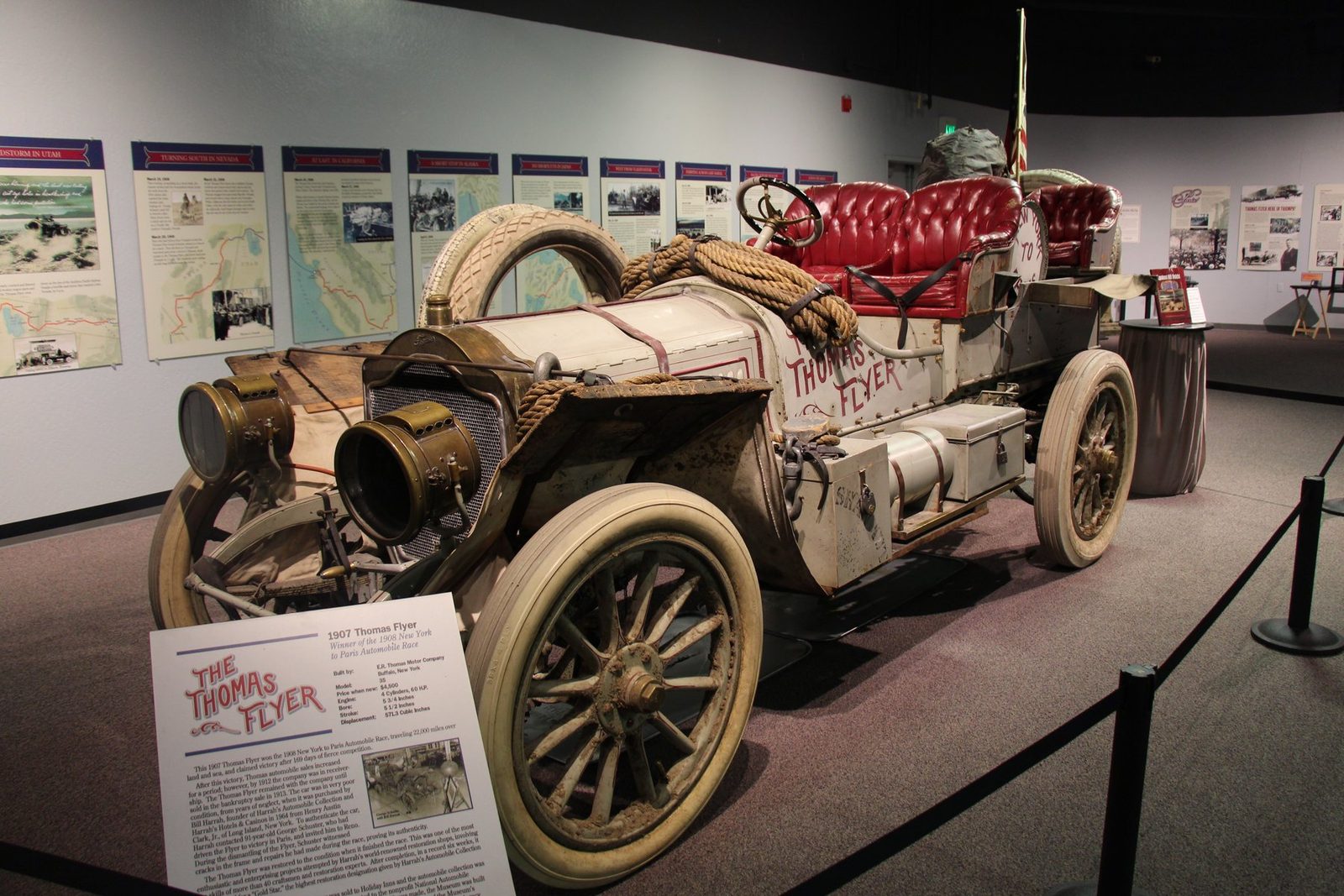
Six cars from four nations set out from Times Square to drive to Paris — the long way, through Alaska, Japan, and Siberia. Only three finished, and the winner didn't cross the line first.
The 75th Pebble Beach Concours Is Giving Japanese Le Mans History Its Own Class
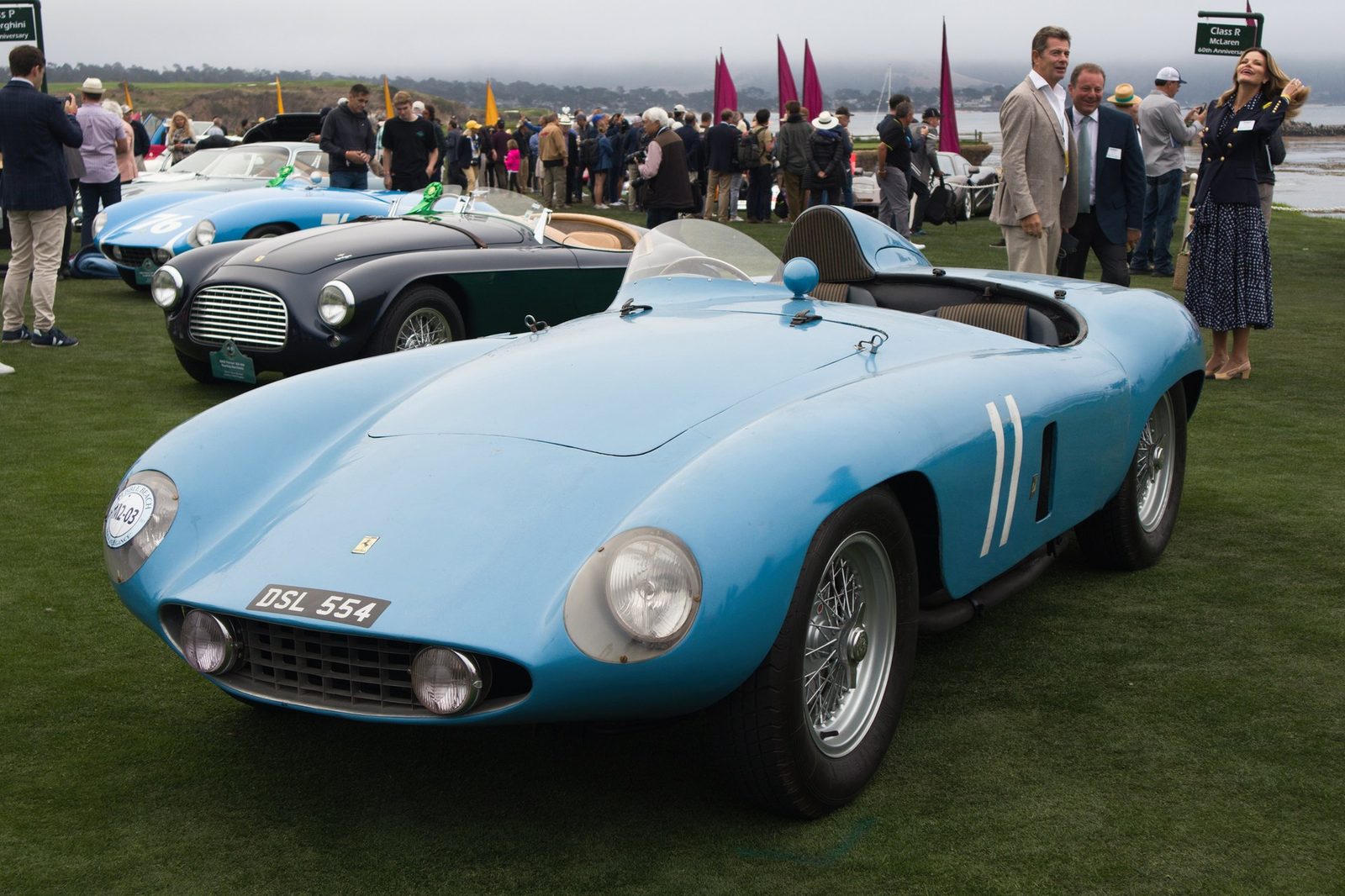
Ferrari headlines the 2026 field as the diamond-anniversary featured marque, but a new class built around Mazda, Toyota, and Nissan's Le Mans campaigns says as much about where the world's most tradition-bound car show is headed as any of the six-figure restorations parked on the 18th fairway.
Renault Put a Championship-Winning F1 Engine in a Minivan
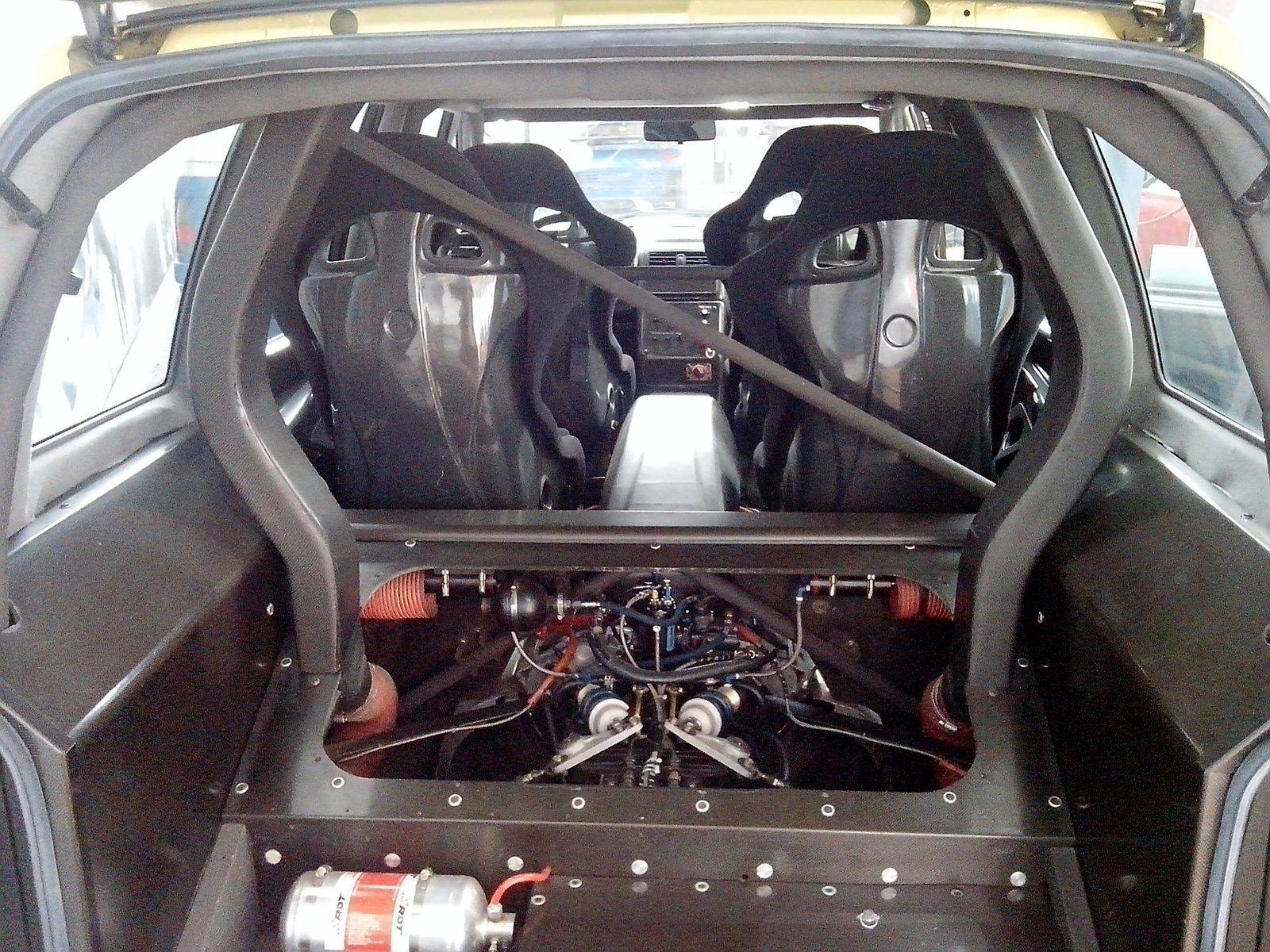
To celebrate the Espace's 10th anniversary, Renault and Matra built one with a genuine 820-horsepower Williams Formula 1 V10 in the back. It still exists.