
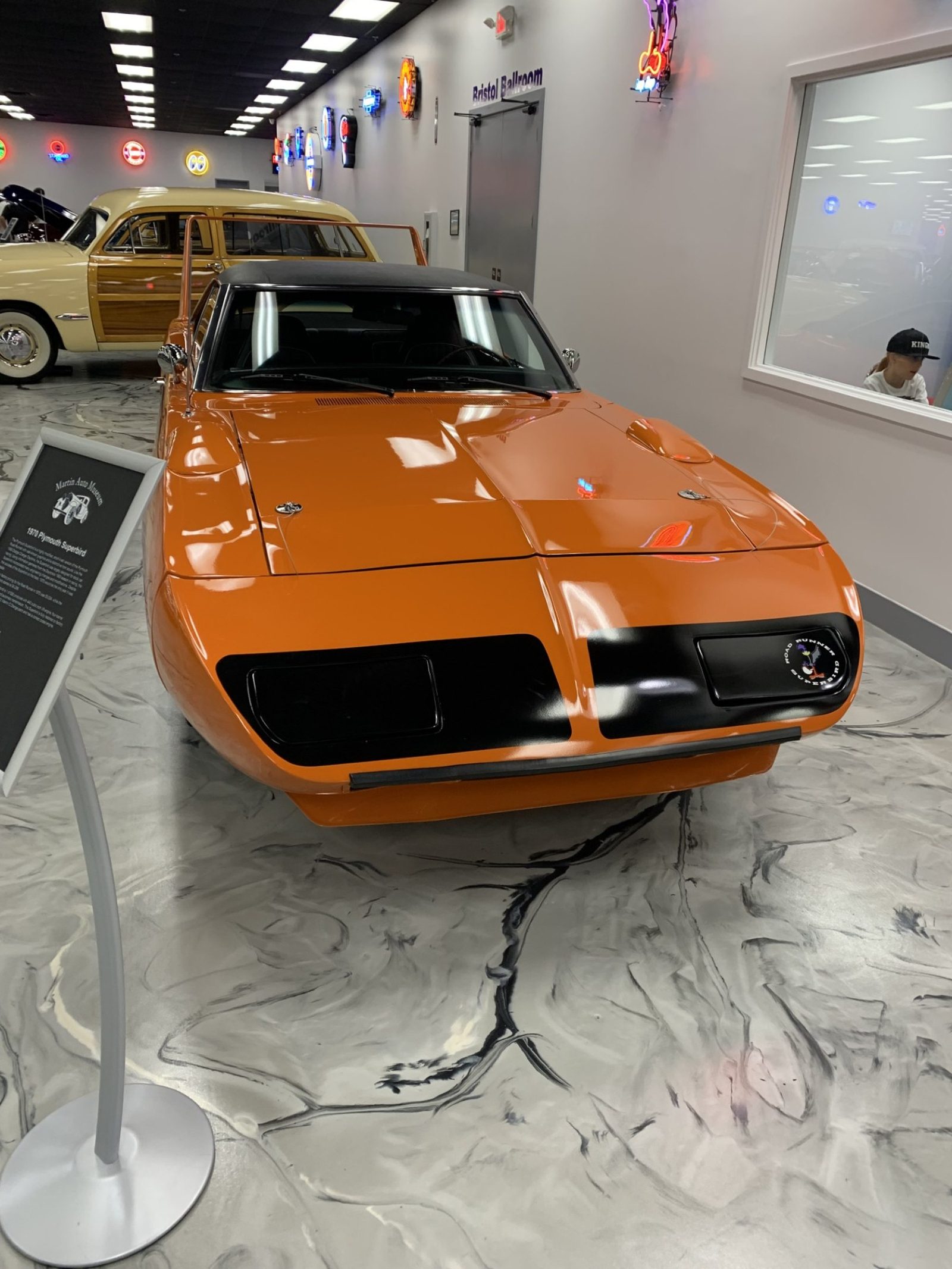
NASCAR Didn't Ban the Superbird. It Just Made the Engine Too Small to Matter.
Plymouth's winged aero cars won 38 of 48 NASCAR races in 1970. The rulebook that followed didn't outlaw the wing — it just made the whole car pointless to build.
NASCAR's late-1960s aero war started with Ford, whose 1969 Torino Talladega and Mercury Cyclone Spoiler II added longer, rounded noses to already slippery fastback shapes. Dodge answered with the Charger Daytona, which paired a more radical pointed nose with a rear wing mounted high enough to clear turbulent air off the roofline — and the results were immediate. The Daytona became the first car in NASCAR history to break 200 mph, clocking 243 mph on Chrysler's own test track. Plymouth wanted the same weapon and refined it further into the Superbird, with an even more aggressive nosecone and a wing mounted so high it cleared the roof entirely, built on the Roadrunner platform.
On track, the winged cars didn't just compete, they dominated. Of the 48 races run across the 1970 NASCAR season, 38 were won by aero cars — Bobby Isaac's Daytona swept both Talladega races and took the Daytona 500, a level of dominance that told every other team in the garage exactly what they were up against.
NASCAR's response for 1971 was a masterclass in not technically banning anything. The wing itself was never outlawed by name. Instead, the new rules restricted the special aero-bodied cars to a 305-cubic-inch engine, while conventional-bodied stock cars were still allowed to run engines as large as 426 cubic inches. On paper, the Superbird and its winged rivals remained perfectly legal. In practice, a 305-cid winged car had no hope of competing against a 426-cid conventional car, and the entire aero-warrior era quietly ended without a single wing ever being formally prohibited.
It's a cleaner piece of regulatory engineering than an outright ban would have been — NASCAR didn't have to defend banning a specific design, it just adjusted a displacement number until the design stopped making sense to build. The Superbird and Daytona live on today as some of the most recognizable, most valuable muscle cars of the era, monuments to a rule that killed them without ever mentioning their name.

Ford Ran the Timing Belt Through the Oil. Federal Investigators Say the Belt Is Now Starving the Engine.
A belt-in-oil drive is quieter and lower-friction than a chain. NHTSA's new engineering analysis says the 1.0-liter EcoBoost's belt sheds material that clogs the oil pump pickup — and that screen can't be cleaned without pulling the engine.
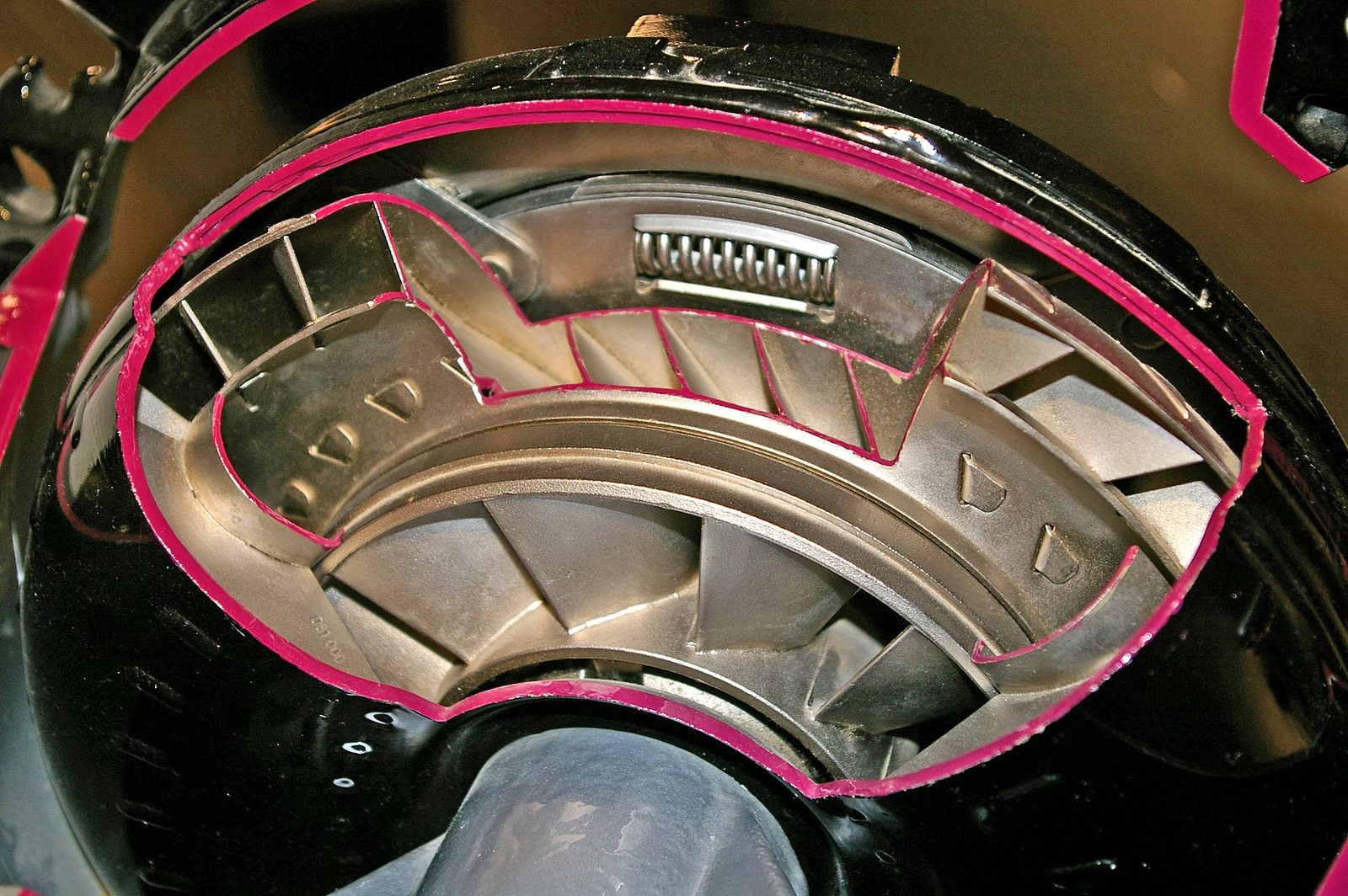
The Automatic's Oldest Trick: How a Torque Converter Multiplies Torque With No Gears
It has no gear teeth and nothing that meshes, yet a torque converter can roughly double engine torque off the line. The part doing the work is the one bolted to nothing at all.
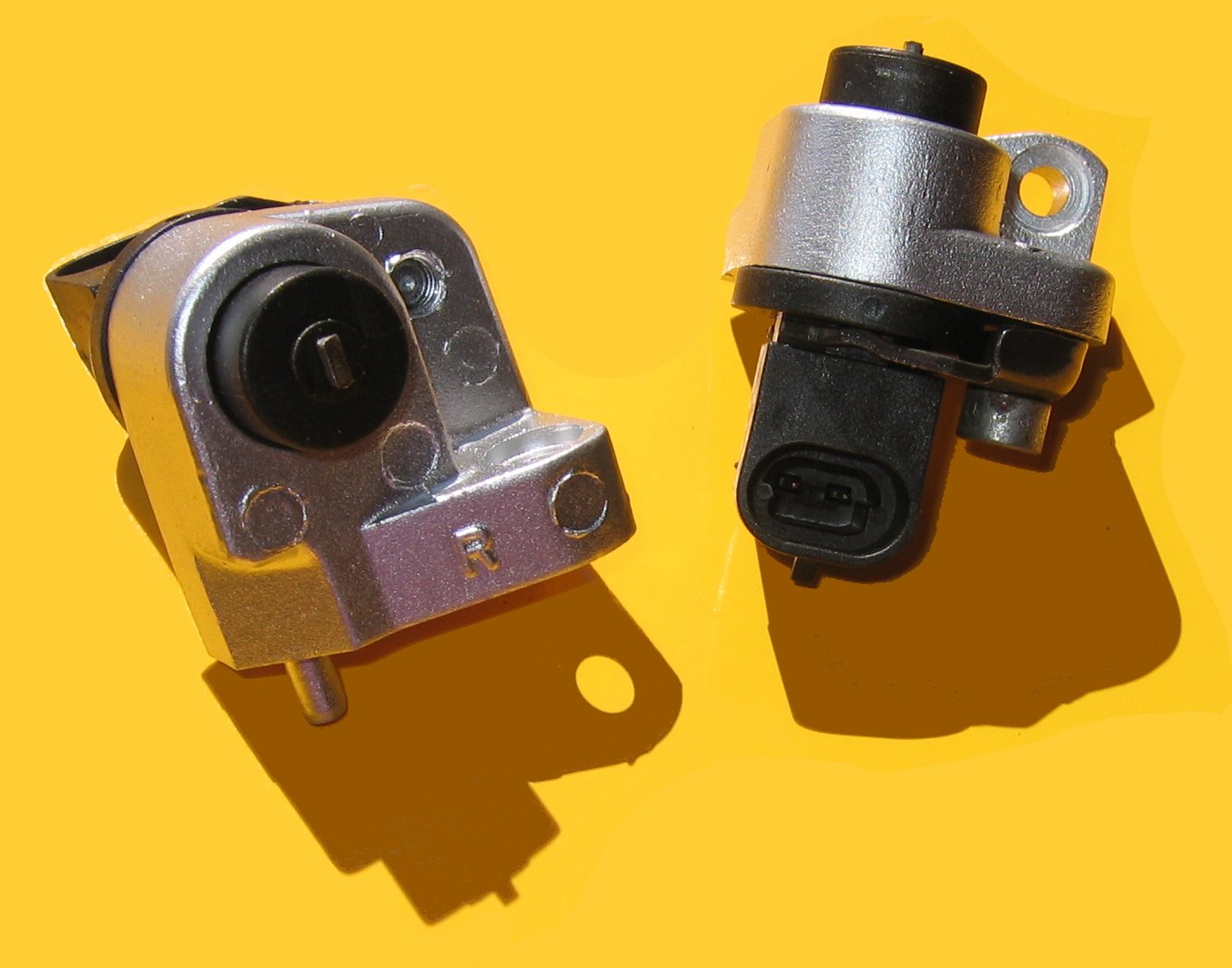
How Electronic Stability Control Reads a Slide and Corrects It Before the Driver Even Feels It
A network of wheel-speed, steering-angle, and yaw sensors checks the car's actual path against the driver's intended one many times a second — and brakes a single wheel to pull it back if the two disagree.