
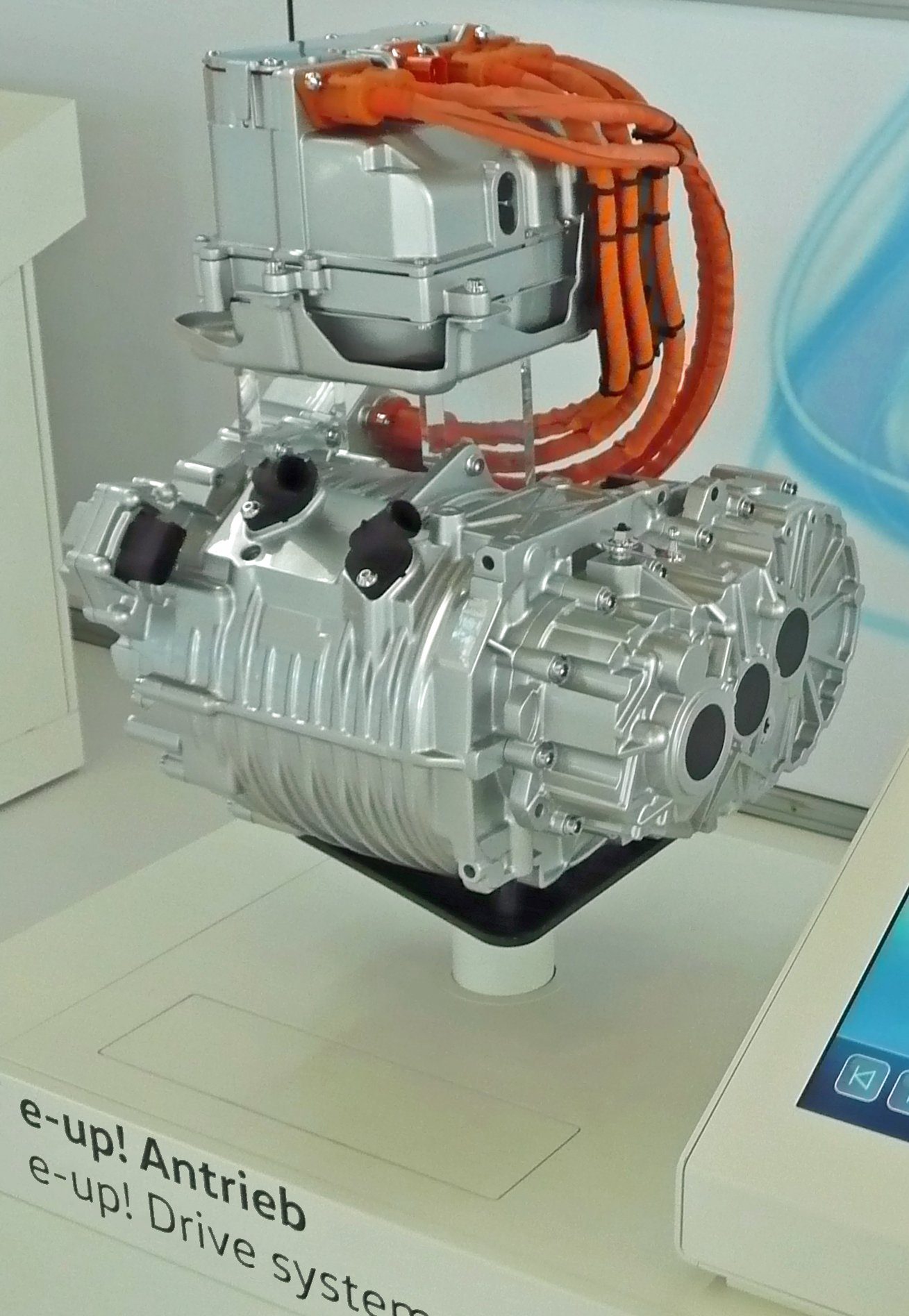
How Regenerative Braking Turns a Drive Motor Into a Generator — And Why It Still Needs Friction Brakes
Lifting off the accelerator in an EV or hybrid doesn't apply a "brake" in the traditional sense — it reverses the motor's job. Here's the mechanism behind that trick, how it's blended with hydraulic brakes to keep the pedal feeling normal, and why one-pedal driving isn't quite what it appears to be.
An electric or hybrid car doing one-pedal driving doesn't feel like it's braking in any conventional sense — there's no pedal travel, no caliper clamping down, just a smooth tug of deceleration the moment a driver's foot lifts off the accelerator. That sensation is real, but the mechanism behind it isn't a brake at all in the traditional sense. It's the drive motor doing its normal job backward. Regenerative braking, as Wikipedia's overview of the technology summarizes it, is fundamentally "an energy recovery mechanism that slows down a moving vehicle or object by converting its kinetic energy or potential energy into a form that can be either used immediately or stored until needed" — and in a road vehicle, that storage medium is almost always the traction battery.
The trick works because an electric motor and an electric generator are, physically, the same machine. Spin the rotor with electricity flowing in, and it produces torque that turns the wheels. Let the wheels spin the rotor instead — by having the vehicle's own momentum drive it — and the same coils and magnets produce electricity rather than consume it. On railway traction motors, engineers describe this literally as re-wiring: "during braking, the traction motor connections are altered to turn them into electrical generators," with the armature current reversing direction so the motor now exerts torque opposing the wheels' rotation instead of driving them forward. A road-going EV or hybrid does the equivalent electronically, through its inverter, rather than by physically re-patching windings, but the underlying physics is identical: momentum in, current out, deceleration as the byproduct.
That reversed current doesn't just vanish into heat the way friction braking does — it gets routed back through the inverter to recharge the battery, which is the entire point of the system. How much energy is worth recovering this way depends heavily on driving conditions: braking accounts for roughly 46 percent of the useful mechanical energy expended in stop-and-go town driving versus only about 10 percent on the motorway, according to figures cited in the same overview, which is why regenerative systems pay off most in city traffic and least on a steady highway cruise. The recovery can be substantial in short bursts, too — a Tesla Model S P85+ has been documented recovering regenerative braking power in excess of 60 kW during hard deceleration, energy that would otherwise have become brake-rotor heat.
None of this can simply replace the friction brakes, so every production system blends the two. A vehicle's brake controller apportions stopping force between the motor-as-generator and the conventional hydraulic calipers, adjusting the split invisibly so the pedal — or, in one-pedal mode, the accelerator — feels consistent regardless of which system is actually doing the work underneath. This blending problem isn't new: the GM EV-1, one of the first modern production EVs, was "the first commercial car to do this," using brake-by-wire technology patented by engineers Abraham Farag and Loren Majersik in 1997 and 1998 to coordinate regenerative and friction braking behind a single pedal. Every EV and hybrid brake-by-wire system since has built on that same basic problem: how to make two very different braking mechanisms feel like one to the driver.
Blending is necessary because regenerative braking alone can't finish the job. As the motor's rotational speed drops toward zero, so does the electrical output it can generate, which means the braking force it provides tapers off right when a driver most needs firm, predictable stopping power — described plainly as the fact that "the regenerative braking effect drops off at lower speeds and cannot bring a vehicle to a complete halt reasonably quickly with current technology." Regenerative braking is also mechanically limited to whichever wheels are connected to a drive motor — a front-wheel-drive hybrid with no rear motor gets zero regenerative force at the rear axle, for instance — while friction brakes act on all four corners regardless of drivetrain layout. And a stopped car sitting on regenerative torque alone isn't necessarily held in place; without a motor spinning, there's no generator effect to resist rolling, which is why regenerative systems are explicitly not sufficient "as the sole means of safely bringing a vehicle to a standstill" and must be paired with a friction-based system that can also physically hold the car on a grade.
This is what makes true one-pedal driving something of a sleight of hand. Some vehicles, the Chevrolet Bolt among them, are tuned so that lifting off the accelerator really can bring the car to a complete, controlled stop without touching the brake pedal — but that experience is achieved through the low-speed control software handing off seamlessly to the friction brakes (or a hold function) in the final moments, not because the electric motor is generating meaningful stopping force all the way to zero miles an hour. From the driver's seat it feels like one continuous system; underneath, it's still two braking mechanisms trading off exactly the way they do with a foot on a conventional pedal, just choreographed to be imperceptible.
The same physics scales up well beyond passenger cars. Regenerative systems return roughly a fifth of total energy use on London Underground's S7/S8 rolling stock, and Delhi Metro's regenerative braking recovered on the order of 112,500 megawatt-hours of electricity between 2004 and 2007. On steep, loaded routes like Scandinavia's Malmbanan/Ofoten iron-ore line, loaded trains descending the grade regenerate so much power that the railway becomes a net electricity generator overall. It's the same core idea running a passenger EV's one-pedal mode: an electric motor is never just a motor — it's a generator waiting for the driver to lift off the accelerator.

Ford Ran the Timing Belt Through the Oil. Federal Investigators Say the Belt Is Now Starving the Engine.
A belt-in-oil drive is quieter and lower-friction than a chain. NHTSA's new engineering analysis says the 1.0-liter EcoBoost's belt sheds material that clogs the oil pump pickup — and that screen can't be cleaned without pulling the engine.
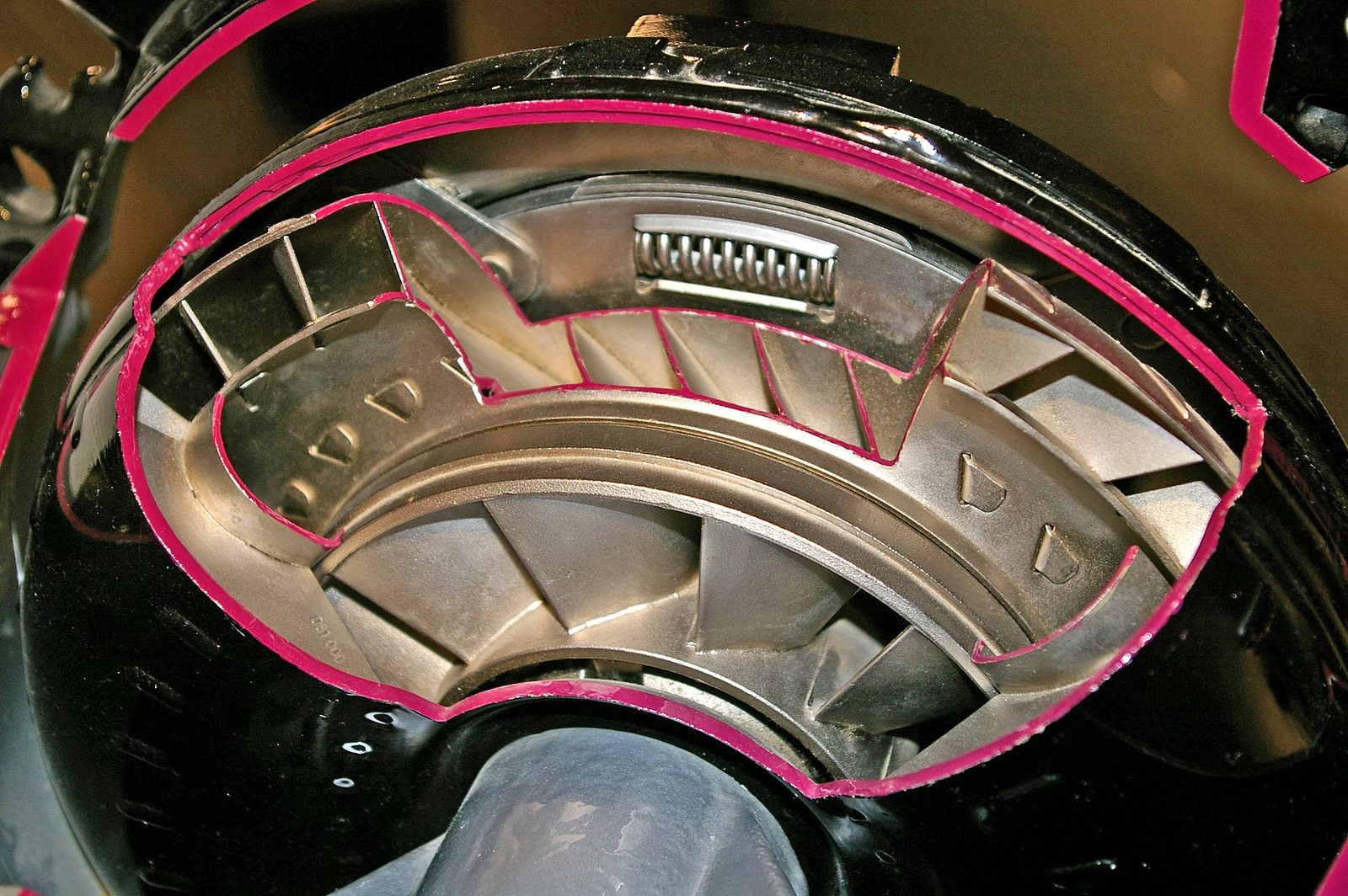
The Automatic's Oldest Trick: How a Torque Converter Multiplies Torque With No Gears
It has no gear teeth and nothing that meshes, yet a torque converter can roughly double engine torque off the line. The part doing the work is the one bolted to nothing at all.
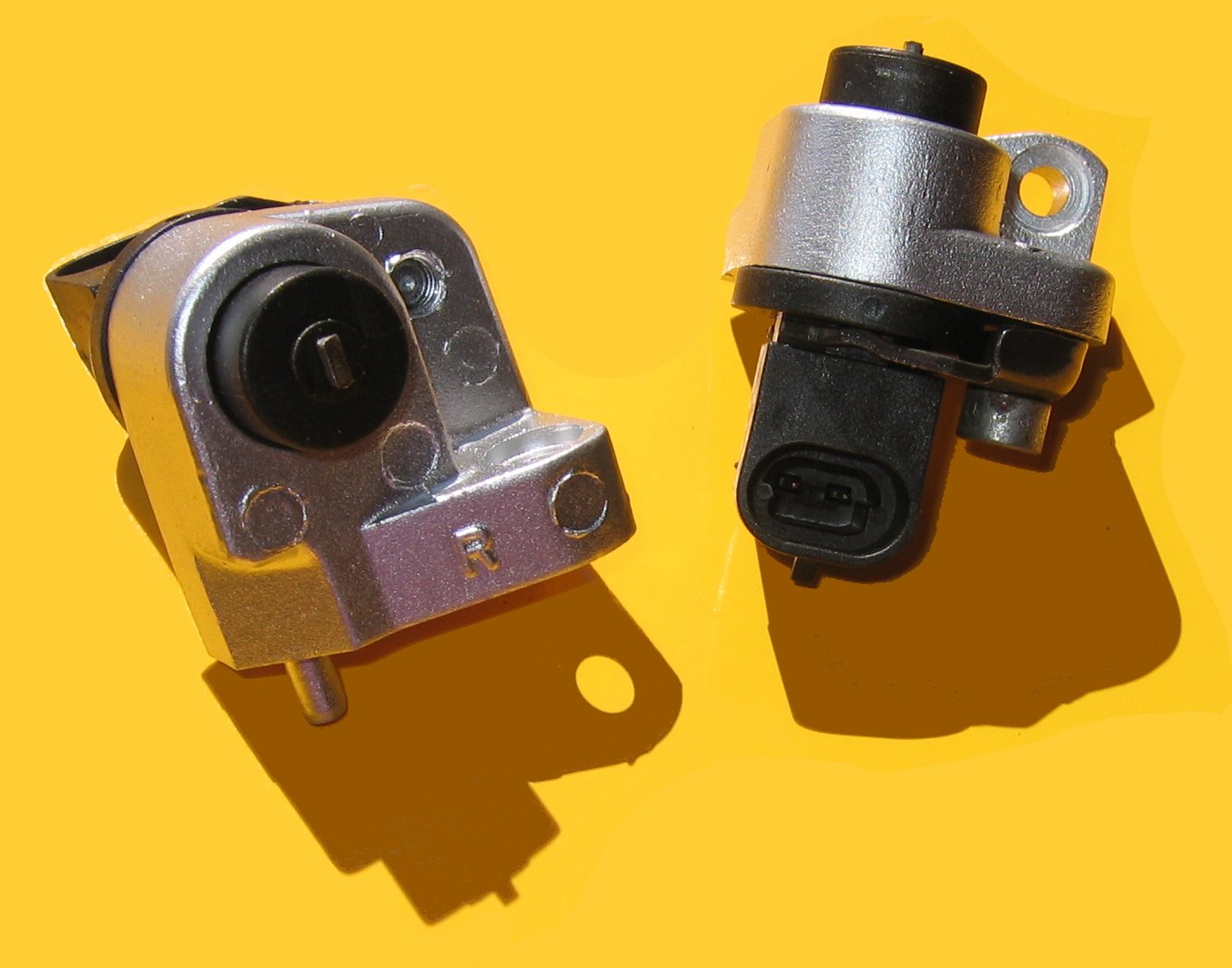
How Electronic Stability Control Reads a Slide and Corrects It Before the Driver Even Feels It
A network of wheel-speed, steering-angle, and yaw sensors checks the car's actual path against the driver's intended one many times a second — and brakes a single wheel to pull it back if the two disagree.