
Everybody Loved the Rivian R2. Nobody Has Driven the One That Actually Matters.
The reviews that landed on June 9 were close to unanimous — and every single one of them was of a $57,990 Performance. The $44,990 version Rivian's whole future is riding on doesn't show up until 2027.
- Powertrain (as reviewed)
- Dual-motor AWD, Performance
- Output
- 656 hp / 609 lb-ft
- 0-60 mph
- 3.6 sec
- Battery
- 87.9 kWh usable, 4695 cells
- EPA range
- 330 miles
- DC fast charge
- 10-80% in 29 min, 230 kW peak
- Curb weight
- 4,998 lb
- Ground clearance
- 9.6 in
- Price
- $57,990 ($59,485 with destination)
On June 9, the embargo lifted on the Rivian R2 and the internet did something it almost never does about a mainstream electric crossover: it agreed. The Drive scored it 9.5 out of 10. Motor1's Jeff Perez wrote that "the Tesla Model Y finally has a genuine competitor." The Autopian's David Tracy, a man who has spent years being professionally suspicious of things without body-on-frame construction, ended a review long enough to qualify as a small book with "Forget the spec sheet. The thing is just cool." Forbes came back six weeks later and called it a formidable Tesla fighter.
Great. Fantastic. Now here's the part that got waved past in roughly every one of those pieces: they were all driving the same car, and it is not the car this entire company is betting on.
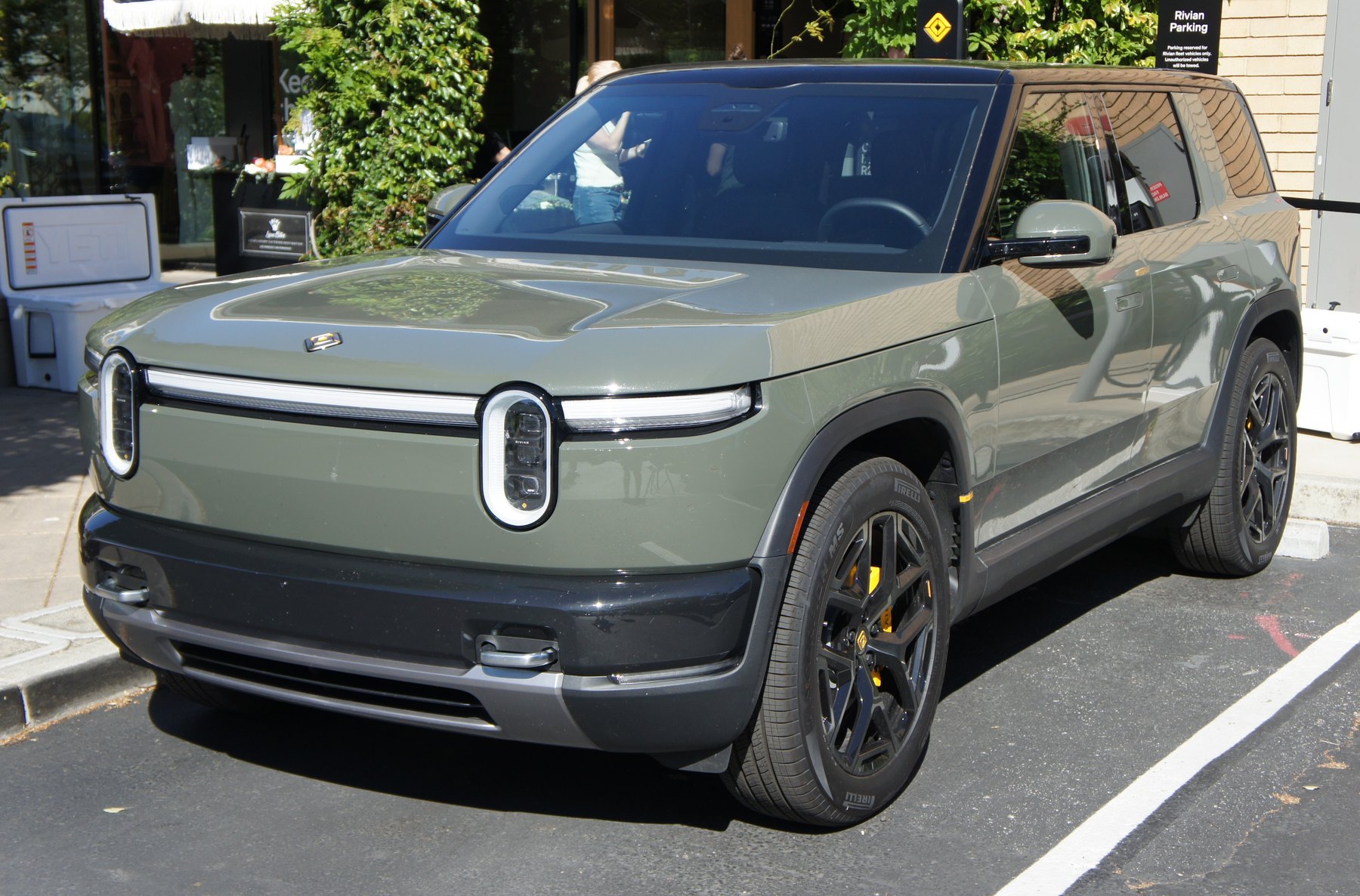
The R2 that reviewers got is the Performance — dual-motor all-wheel drive, 656 horsepower, 609 lb-ft, 0-60 mph in 3.6 seconds, 330 miles of EPA range, and a semi-active suspension that Rivian's own configurator lists as a Performance item. It costs $57,990, or $59,485 once destination is on it. That is a genuinely quick, genuinely well-equipped midsize SUV and it deserves the praise it got.
It is also nowhere near the car Rivian spent two years promising. The one that actually moves the needle is the single-motor, rear-drive Standard: 350 hp, 355 lb-ft, 0-60 in 5.9 seconds, $44,990 to start. No semi-active dampers. No launch mode. No 656 horsepower to paper over a chassis that might not be as sweet without it. Delivery date: 2027. As of right now, not one journalist has driven it, because not one exists in customer hands.
So the honest state of play in August 2026 is this — the R2 is a hit on the strength of its most expensive trim, and the cheap one is still an article of faith. Every automaker in history has led its press fleet with the loaded car. That's not a scandal. But when the entire investment thesis, the Uber robotaxi deal, the Normal, Illinois line that started building these in April, and the company's road to actually making money all rest on the $45,000 version, reviewing the $58,000 version and calling the job done is a little like judging a restaurant by the tasting menu.
Here is the case for optimism, and it's a strong one: the good bits appear to be structural, not trim-level. All three R2s share the same 87.9-kWh pack, and it is a genuinely new piece of engineering — 4695 cylindrical NCMA cells, 46 millimeters across and 95 tall, side-cooled instead of end-cooled, packaged as a structural floor rather than a box bolted underneath one. Tracy's teardown-grade reporting found a wiring harness 2.3 miles shorter in total wire length than the latest R1S, worth over 44 pounds on its own, and five separate power-electronics components consolidated into a single unit Rivian calls the Powerhouse. Stamped steel subframes replace the R1's cast aluminum. That is cost engineering done by people who understand that cheap and crude are different words, and none of it gets deleted when you drop two motors.
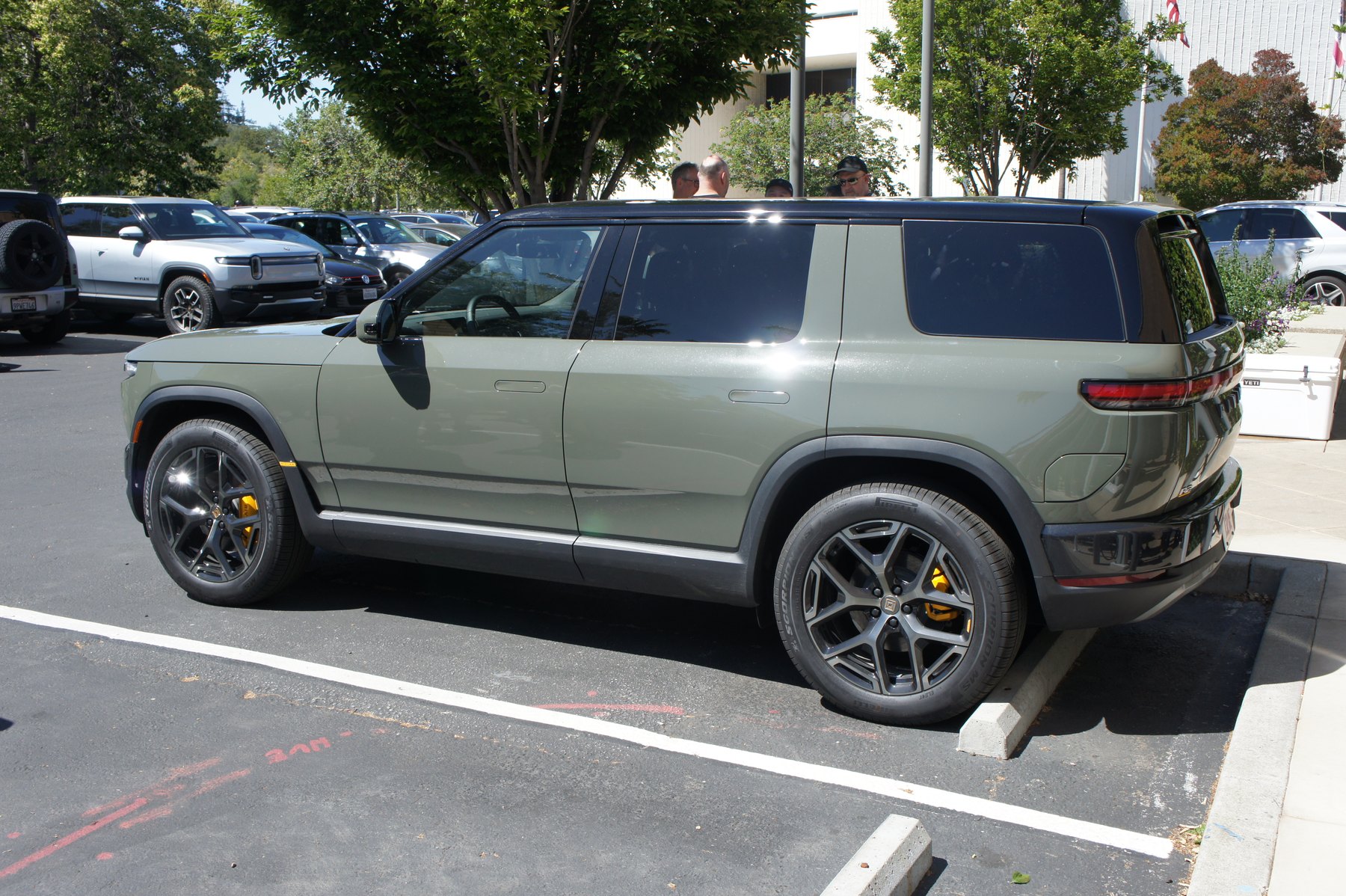
The chassis story reads the same way. The R2 is a unibody roughly a ton lighter than an R1S, just under 186 inches long on a 115.6-inch wheelbase, with a lower center of gravity and a substantially stiffer structure. Perez described it as "actually fun to fling around, not nearly as sloshy or sloppy" as the big one. Steering and suspension tuning survive a motor deletion better than 0-60 times do. If the Standard rides and steers like a shrunken R1S with 300 fewer horsepower, that is still the most interesting $45,000 EV on sale.
What nobody should let slide, at any price, is the interface. There is no Apple CarPlay and no Android Auto, which in 2026 is a position rather than an oversight. Climate control lives exclusively on the screen. Rivian's answer to the years of complaints about touchscreen-only cars is a pair of what it calls Haptic Halo Wheels on the steering wheel — rings that scroll and press, giving you tactile feedback without physical movement. "We wanted to do something novel," chief software officer Wassym Bensaid told Forbes. "We did get feedback from customers that they wanted tactile control." Novel, sure. The recurring note across reviews is that they are sensitive enough to catch an accidental input — Perez managed to mute a song by mistake, Tracy set them off while off-roading. A knob has never once muted a song by accident. This is the second consecutive Rivian generation solving a problem it created.
A few other things worth logging before the victory lap. Tracy reported sweating through an 85-degree day with the climate control at maximum, and Rivian conceding it plans to increase front-passenger air volume through the vents — a fixable complaint, but a strange one to still be fixable at customer-delivery time. There are no interior grab handles. And the off-road numbers are honest about what this is: 9.6 inches of ground clearance with 25-degree approach, 26-degree departure and 20.6-degree breakover angles, against roughly 35, 30 and 26 for an R1S. It is a trailhead vehicle, not a rock crawler, and it has the sense not to pretend otherwise.
Verdict: the R2 is the most important new car of 2026, and probably the best thing Rivian has ever built on a dollars-to-competence basis. The engineering underneath it is smarter than the R1's, the packaging is better than the price suggests, and the reviews it earned are deserved rather than bought. But the review that decides whether Rivian becomes a real car company is the one nobody can write yet — a single-motor, steel-subframed, $44,990 R2 with 350 horsepower and no clever dampers, in the hands of someone who has to live with it. Rivian unveiled this car in March 2024 and took over 68,000 reservations in a day on the strength of that number. Until the number shows up wearing an actual car, hold a little applause back.
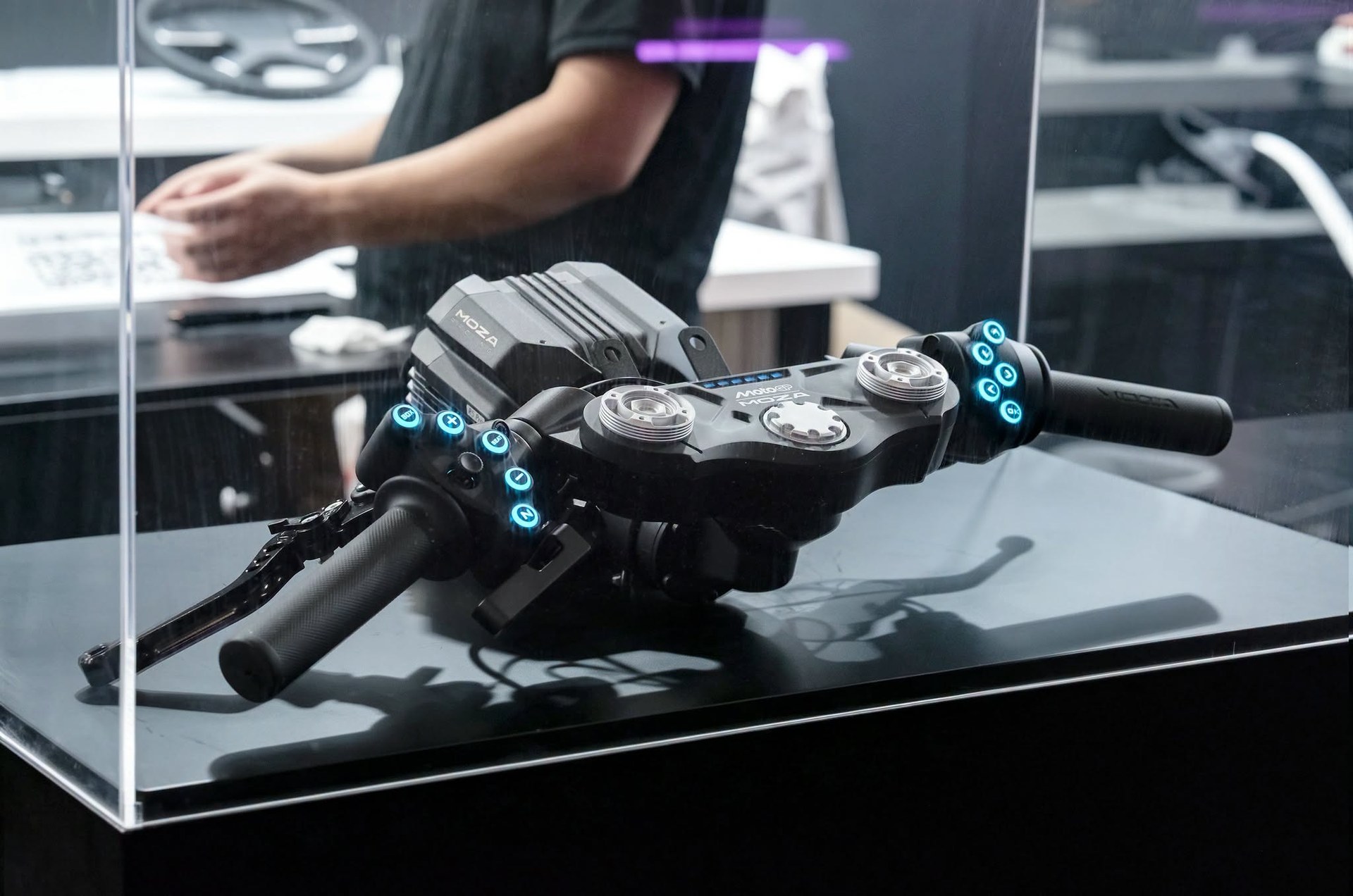
MOZA Brought Four Licensed Wheels to Gamescom. The Thing Worth Watching Was the Handlebar.
Porsche, Ford and two Mercedes wheels made the headlines in Cologne. But the MotoGP-licensed handlebar is the only piece doing something MOZA has never done before — and almost nothing shown has a price.
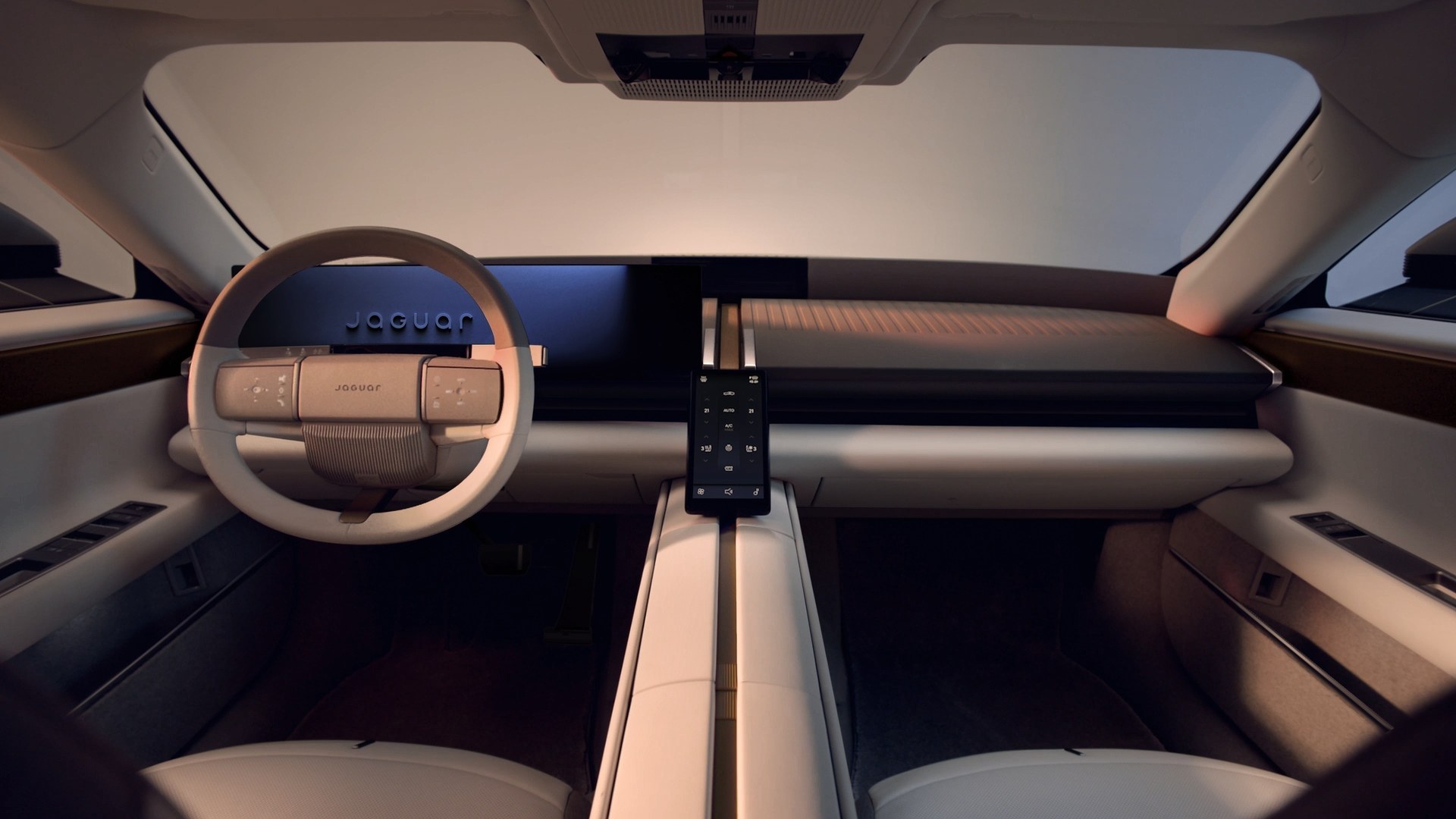
Jaguar Split the Type 01's Cabin Down the Middle
The first interior images of Jaguar's electric four-door GT show a brass-finished spine running end to end, four separate seats, and a dashboard designed to hide most of its technology.
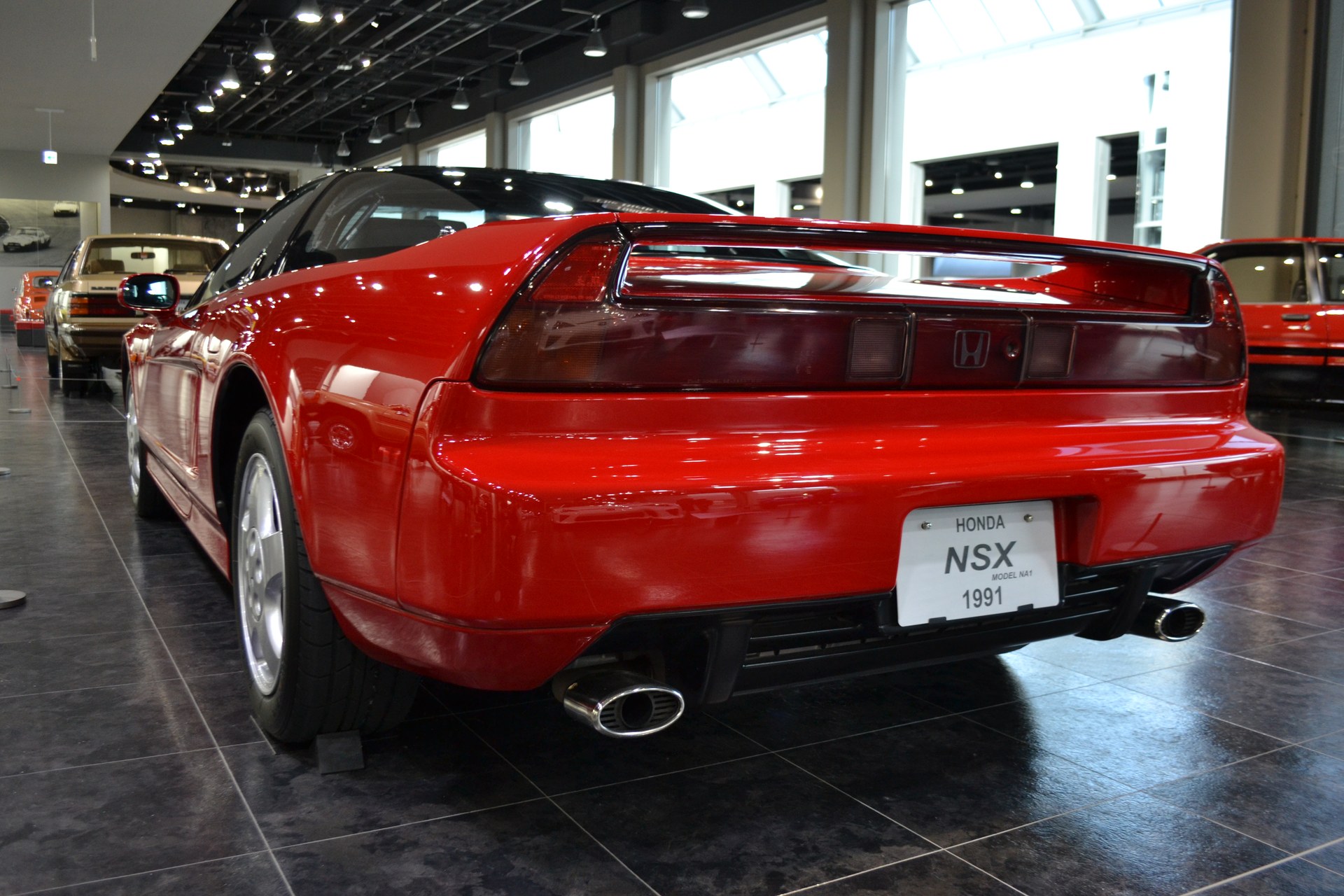
Pininfarina Redrew the NSX, and the Only Two Pedals It Left Out Are the Ones You'd Miss
JAS Motorsport's Tensei keeps the pop-up headlights, the naturally aspirated V6 and a six-speed manual. The newly revealed cabin is the last piece before a Paris debut in October.