
The 90-Day Rule That Holds SEMA's New Products Showcase Together
The 2026 SEMA Show runs November 3-6 in Las Vegas. The entry form for its New Products Showcase — free first entry, a hard February 2027 shipping deadline — explains how the aftermarket actually works better than anything standing on the floor.
- Dates
- November 3-6, 2026
- Venue
- Las Vegas Convention Center
- Showcase location
- Lower South Hall, east end
- First entry
- Free
- Additional entries
- $95 through Oct. 2, then $175
- Must ship by
- February 2027
- Categories
- 15
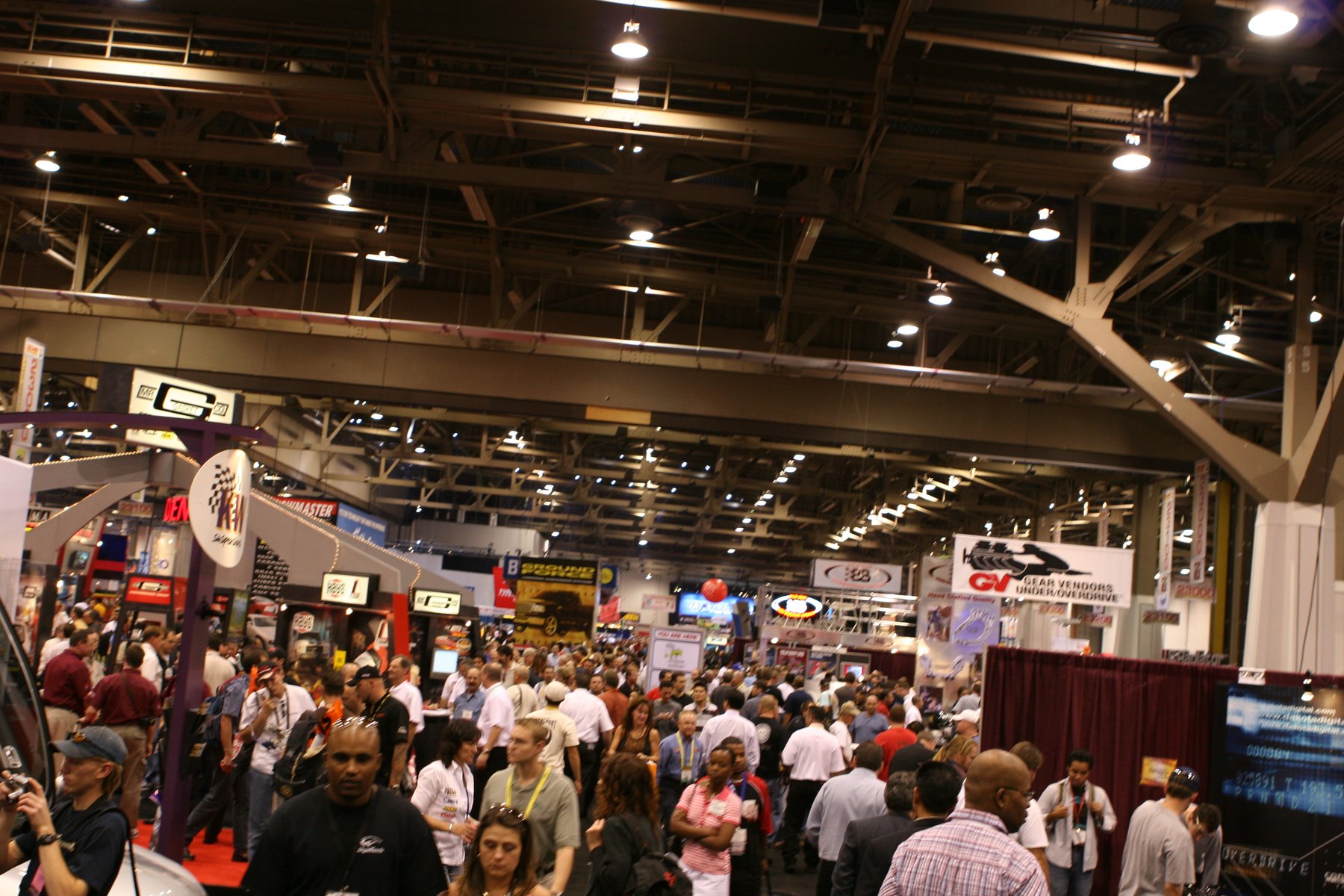
The 2026 SEMA Show opens November 3 at the Las Vegas Convention Center and runs through Friday the 6th. The part everyone photographs is the build floor — the Battle of the Builders cars, the Toyo Tires Treadpass, the OEM concept reveals. The part that actually moves product is a hall full of plinths at the east end of Lower South Hall, which SEMA bills as the world's largest display of new automotive aftermarket products. It is worth reading the entry rules for that display, because they describe the aftermarket's business model more plainly than any press release does.
"The SEMA Show is a global pop-up marketplace where business and culture intersect." — Tom Gattuso, SEMA Vice President of Events
Start with the money, because it is almost nothing. An exhibitor's first product entry into the New Products Showcase is free. Additional entries cost $95 each through Friday, October 2, rising to $175 after that. Against the cost of shipping a booth and a crew to Las Vegas for a week, $95 is a rounding error, and that is deliberate: the free first entry means a two-person shop with one genuinely new bracket gets the same plinth, in the same hall, as a catalog house with forty SKUs. The escalating price on bulk entries is the only brake on a large manufacturer simply carpet-bombing the room.
The rule that does the real work is the eligibility test. To qualify for the Showcase and for the New Product Awards, SEMA requires that a product "must have been introduced to the marketplace after the 2025 SEMA Show and be available for shipment within 90 days following the close of the 2026 SEMA Show, or by February 2027." That second clause is the whole game. Trade shows are magnets for vaporware — the rendering on a screen, the prototype that exists in one hand-machined unit, the "coming soon" that stays coming soon for three years. A 90-day shipping requirement makes that expensive to fake. If you put it on the stand, a buyer can reasonably expect to order it before spring.
Products that miss the test are not thrown out. They can still be displayed as an "Exhibitor Pick," which is SEMA's polite lane for a strong existing product that simply is not new. Exhibitor Picks are not eligible for New Product Award consideration. The segregation matters: it means a buyer walking the Showcase knows which plinths carry a shipping commitment and which are there for shelf presence.
The logistics enforce the rule as much as the wording does. Products check in on Sunday, November 1 and Monday, November 2, and anything checked in after 2:00 p.m. local time on that Monday is out of the running for an award. Advance shipments have to reach the Freeman warehouse no later than Wednesday, October 21, and even then a company representative has to physically check the product in. Exhibitors come back Friday, November 6, between 4:00 and 8:00 p.m. to collect it. There is one obvious soft spot: SEMA permits a continuously running product video on a laptop or tablet, or a QR code pointing to a landing page, in place of the physical object. SEMA stipulates that the content be informational only, with no marketing or sales copy, but a QR code is still not a part in a box, and it is the one door left open for something that is not quite finished.
The awards themselves are announced at the SEMA Show Kick-Off Breakfast on the morning of Tuesday, November 3, with winners carried into a special section of SEMA Magazine. Worth a small caveat: SEMA's own two write-ups of the week give the breakfast different start times, one listing 7:00 a.m. and the other 7:30 a.m., so anyone planning to be in the room should check the final program rather than trust either number. One quirk of the entry system is that a single product may be entered in more than one category, but a separate physical display has to be provided for each — you cannot win two categories off one plinth.
New for 2026 is a fifteenth category, Powersports | SxS | Lifestyle, and it does not exist in isolation. SEMA is also anchoring a Powersports/Side-by-Side/Lifestyle section in the West Hall with access to adjacent parking lots for outdoor demonstrations, and regrouping the floor so that trucks, off-road and powersports sit together — an acknowledgement that the person building an overland rig and the person buying a side-by-side are frequently the same customer with one budget. "We believe it's an opportunity to elevate powersports and bring more visibility to our brand in the market," said TJ Jira, CEO of KYT Americas, in SEMA's own announcement. The category covers motorcycles and dirt bikes, side-by-sides, trailers and tow vehicles, and adventure lifestyle gear.
The scale context is what makes a central product index necessary in the first place. SEMA's post-show figures for 2025 put attendance above 153,000 from 140 countries and regions, with 2,300 exhibiting brands including 500 first-timers and more than 2,500 members of the global media; ahead of that show SEMA reported 4.6 million square feet of exhibit space booked across the entire convention center campus. At that size, unaided discovery fails. A buyer with four days cannot walk 4.6 million square feet, which is precisely why a single hall that collects every genuinely new product in one place, sorted into fifteen categories, is the most commercially valuable room on the campus.
SEMA is keen to prove that with numbers, and here is where a reader should hold the line a little. The association cites an analysis using FastSensor tracking technology deployed in the Showcase: more than 620,000 brand impressions during the most recent show, an average visitor dwell of 21 minutes, nearly 45% of qualified visitors engaging deeply with multiple product categories, and 78% of buyers and media reporting a booth visit after discovering a product in the display. Those are plausible figures for a room that busy, but they come from the program's own measurement vendor rather than an independent audit, and a "brand impression" is a famously elastic unit. Treat them as directional, not as an audited return on a $95 entry.
Running alongside all of this is AAPEX, the other half of what the industry calls aftermarket week, with its exhibit hall open November 3-5 at the Venetian Expo and Caesars Forum. AAPEX reports 2,500-plus exhibitors across roughly 550,000 square feet and 5,500 booths, covering more than 1,400 product categories, with attendees drawn from more than 120 countries. The split is not accidental: SEMA is customization, performance and accessories, AAPEX is parts supply, service and repair. Between them they put the people who sell the parts and the people who install them in the same city during the same week, and the 90-day rule is the quiet piece of administration that keeps one of those rooms a trade show rather than a concept show.
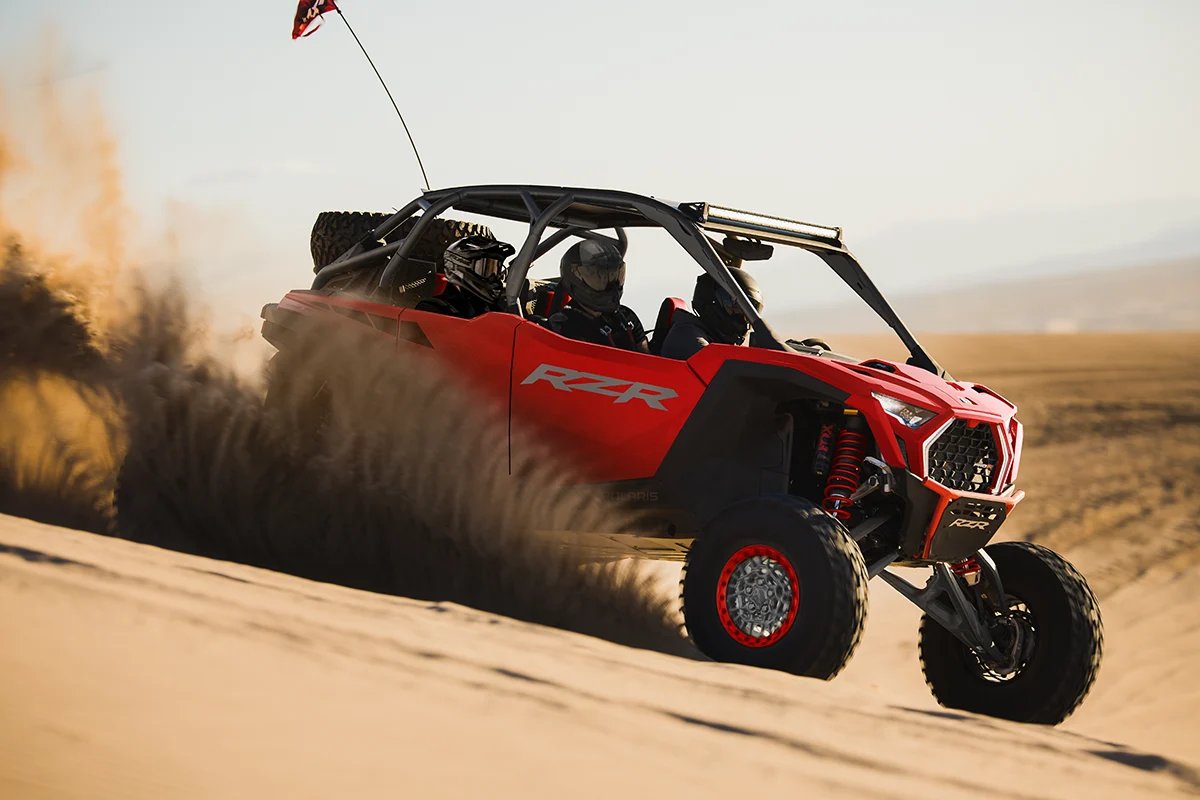
Rockford Fosgate Adds Three Factory-Fit Audio Kits for Polaris RZR and Sportsman
The Tempe, Arizona audio maker rolled out a rear-door speaker upgrade, a boosted subwoofer kit, and a new front-rack system built for Polaris off-road vehicles.
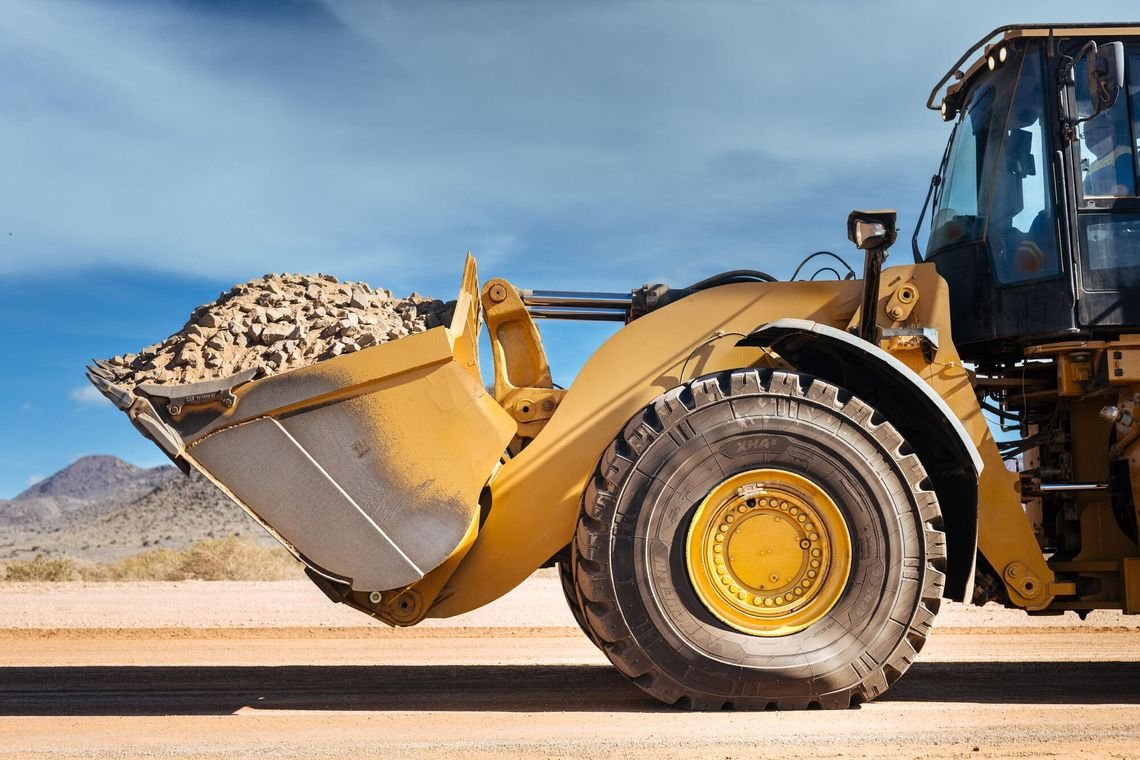
Michelin Launches XHA3 Radial Tire for Loaders, Dump Trucks and Graders
The new construction-equipment tire adds a sensor-free visual inflation indicator and claims up to 20% longer wear life than its predecessor, with U.S. availability beginning this year.
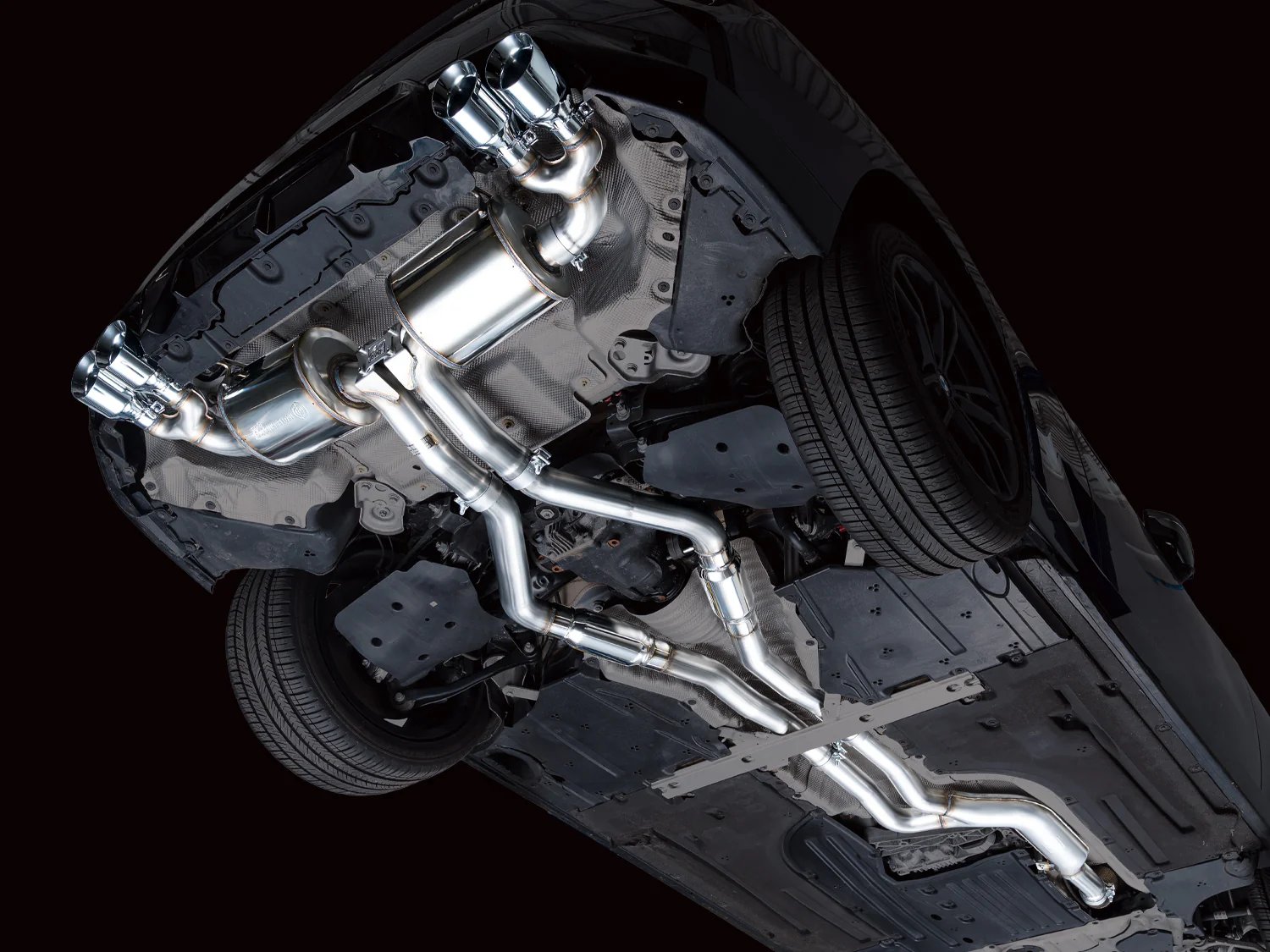
AWE Tuning Launches New Exhaust Suite for the BMW G42 M240i
The Pennsylvania-based exhaust maker says its straight-through 3-inch system frees up 65 percent more flow than stock, with Touring and Track editions built around the B58 inline-six.