
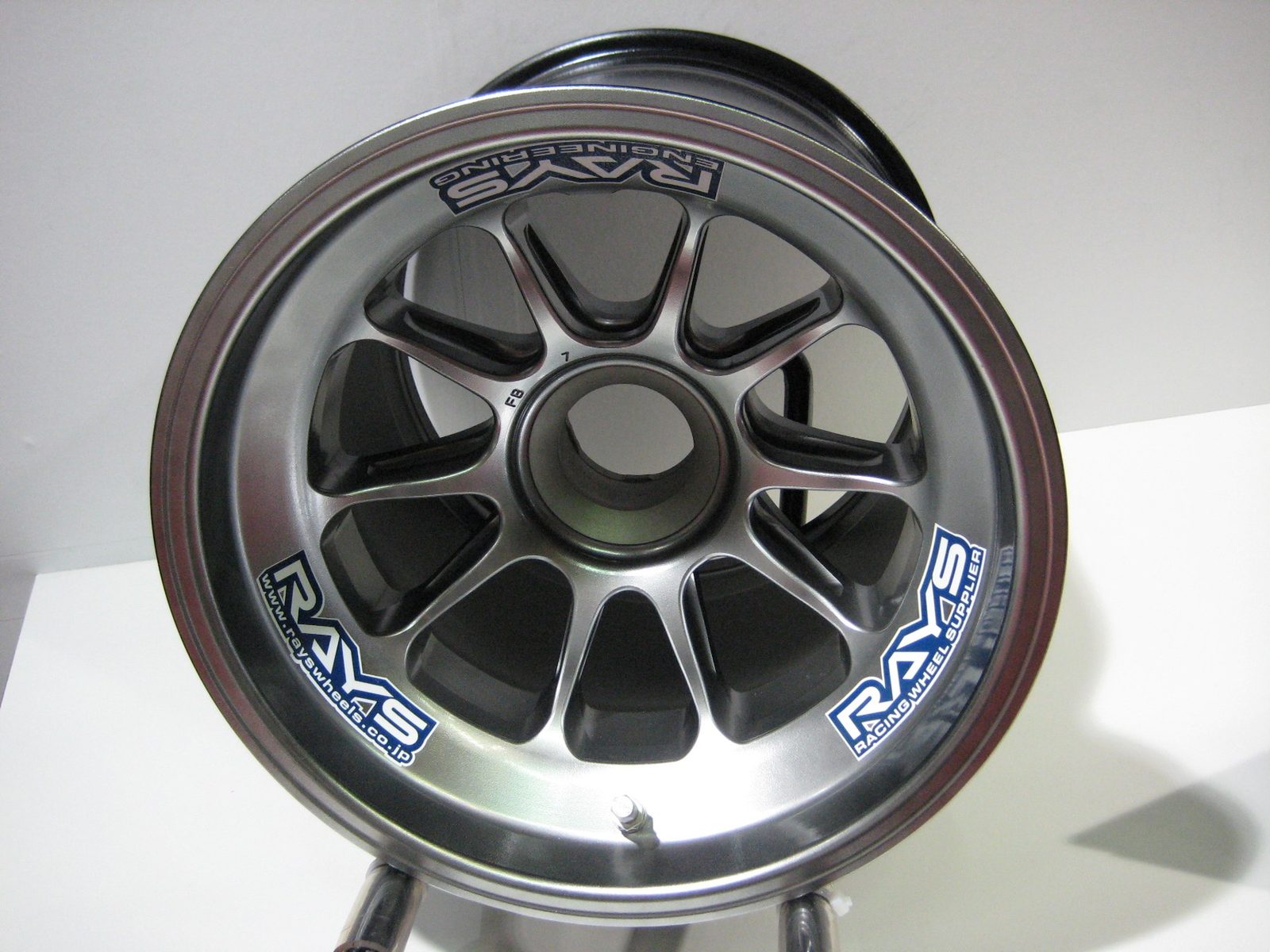
"Offset" and "Backspacing" Describe the Same Wheel, From Two Different Directions
ET30 stamped into a wheel and a 4.75-inch backspacing measurement are two ways of answering the same question — where does the tire actually sit relative to the fender — and confusing them is how a fitment order goes wrong.
Every wheel has a mounting surface — the flat pad the lug studs pass through, where the wheel actually bolts to the hub — and that surface can sit anywhere along the wheel's width. Offset and backspacing are just two different ways of measuring where.
Offset is a millimeter figure, usually stamped on the wheel itself preceded by the letters "ET" (from the German Einpresstiefe, or "insertion depth"), and it measures the distance between the wheel's true centerline and its mounting surface. Positive offset means the mounting pad sits toward the outside face of the wheel, closer to the fender — pushing the wheel and tire assembly inward, toward the chassis centerline. Negative offset means the mounting pad sits toward the wheel's inner barrel, which pushes the wheel and tire outward, toward or past the fender lip. Zero offset means the mounting surface sits exactly on the wheel's centerline. Most factory wheels on modern cars run positive offset, since it tucks the tire under the fender without help from anything else.
Backspacing measures the same physical relationship from the opposite reference point: instead of the wheel's centerline, it's the distance from the back edge of the wheel to the mounting pad, measured in inches. A wider backspacing figure means the mounting pad sits farther from the wheel's back lip — pulling the wheel inward, toward the chassis, the same direction a more positive offset describes. The two numbers aren't interchangeable without doing the math, though, because backspacing on its own says nothing about how wide the wheel is; a 9-inch-wide wheel and a 10.5-inch-wide wheel can share an identical backspacing figure while sitting in completely different places relative to the fender, since backspacing ignores everything happening on the wheel's face side of the mounting pad. Offset, because it's measured from the true centerline, accounts for the whole width automatically — which is the main reason offset has become the more commonly quoted figure among wheel manufacturers, even though backspacing remains the easier number to check with a tape measure and a straightedge laid across the back of the wheel.
None of this is just paperwork. Running a wheel with less positive offset than the vehicle was engineered around pushes the tire outward, widening the effective track — which is exactly what gives aggressive, flush-fitment builds their look, and can genuinely help traction by widening the car's footprint. But it comes with real mechanical costs that have nothing to do with style: a wheel pushed further from the hub increases the load leaning on the wheel bearing with every turn, adds steering effort by moving the tire's contact patch further from the steering axis, and accelerates wear on ball joints and tie rod ends that were never engineered to handle the added leverage. None of that shows up on a spec sheet the way horsepower or torque does, which is exactly why it's the number enthusiasts get wrong most often — a wheel that looks perfect in a fitment photo can be quietly overloading parts of the suspension the photo never shows.

Ford Ran the Timing Belt Through the Oil. Federal Investigators Say the Belt Is Now Starving the Engine.
A belt-in-oil drive is quieter and lower-friction than a chain. NHTSA's new engineering analysis says the 1.0-liter EcoBoost's belt sheds material that clogs the oil pump pickup — and that screen can't be cleaned without pulling the engine.
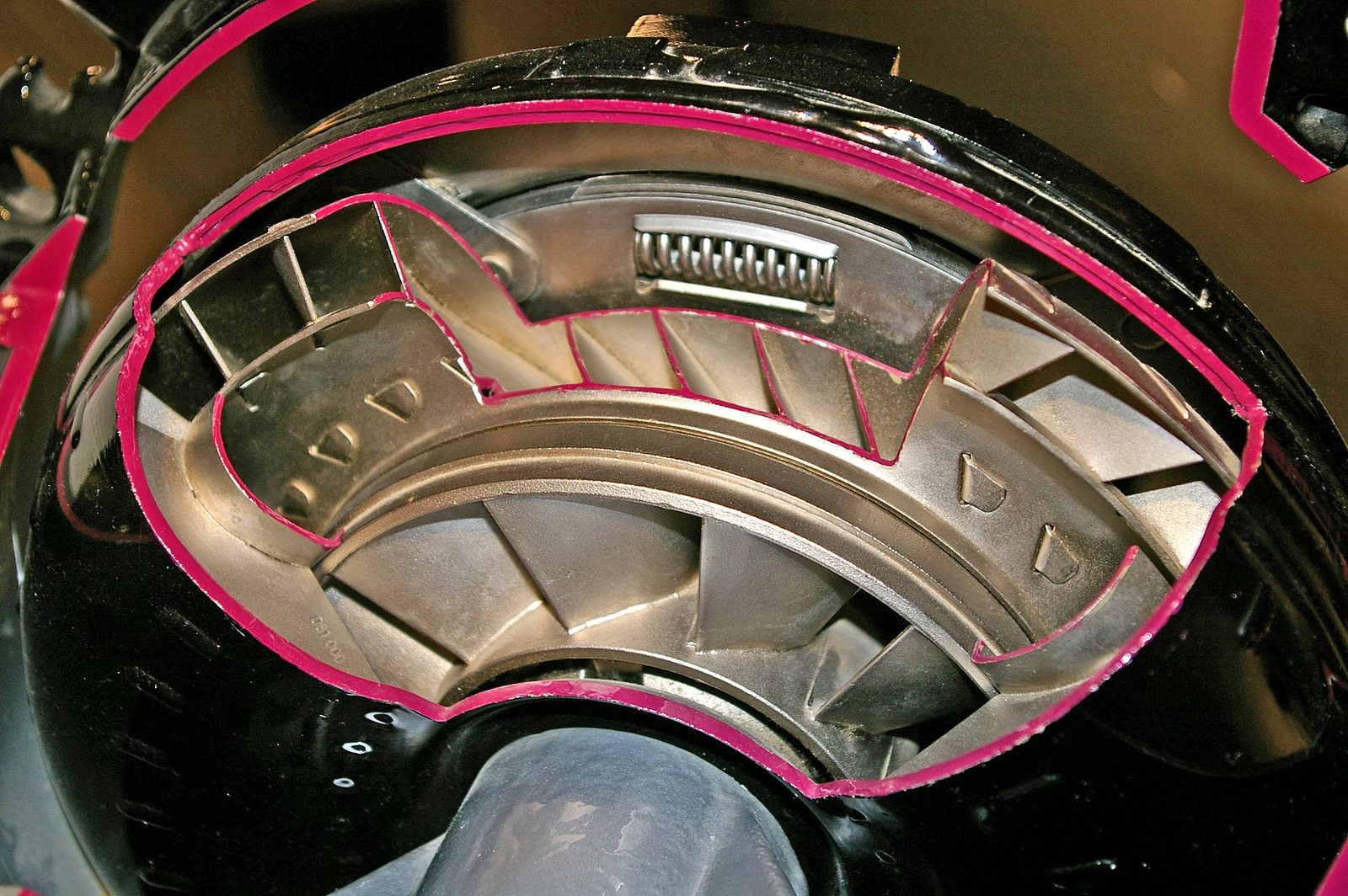
The Automatic's Oldest Trick: How a Torque Converter Multiplies Torque With No Gears
It has no gear teeth and nothing that meshes, yet a torque converter can roughly double engine torque off the line. The part doing the work is the one bolted to nothing at all.
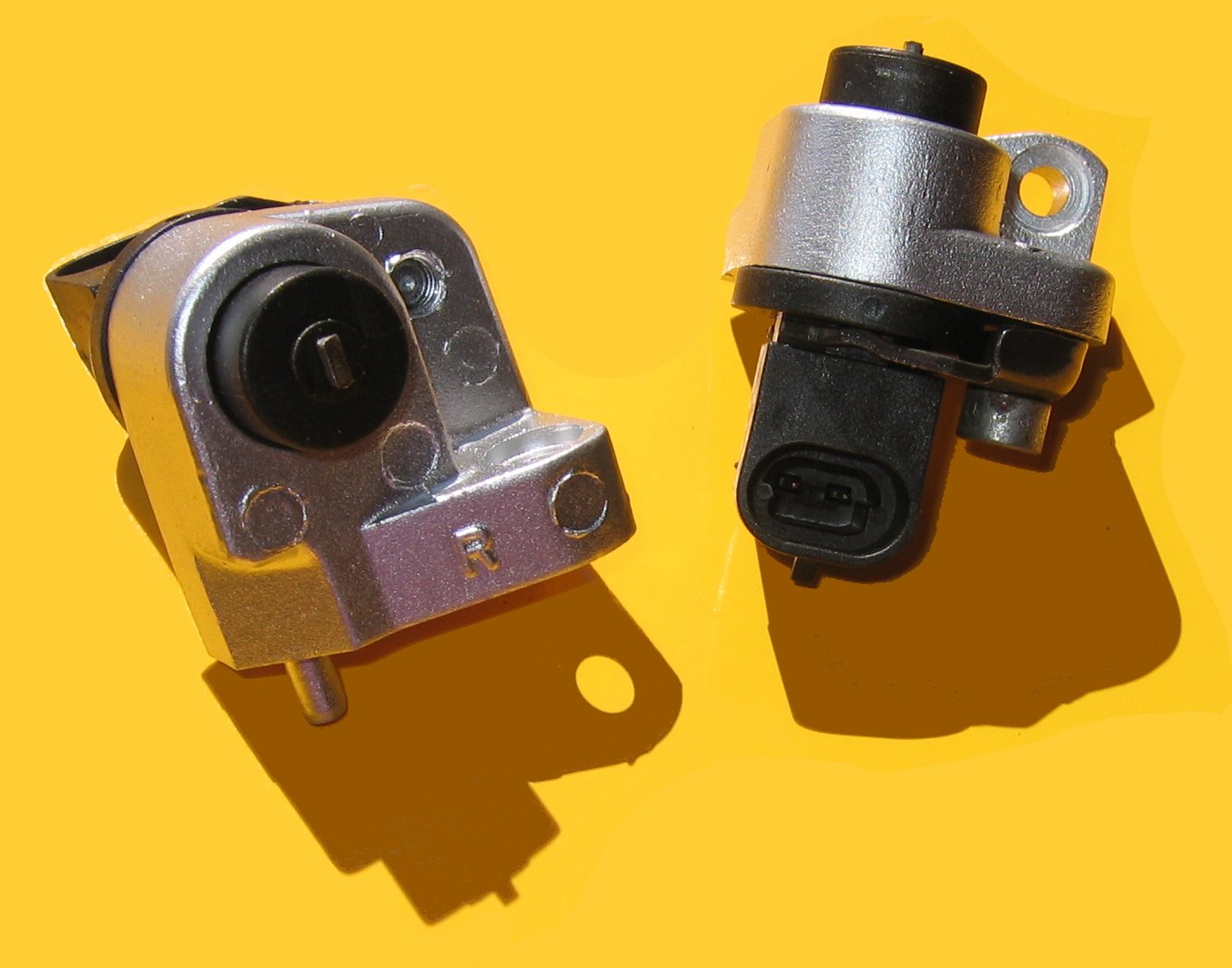
How Electronic Stability Control Reads a Slide and Corrects It Before the Driver Even Feels It
A network of wheel-speed, steering-angle, and yaw sensors checks the car's actual path against the driver's intended one many times a second — and brakes a single wheel to pull it back if the two disagree.