
News & Features
Everything we've published, from track-side reporting to slow Sunday reads.
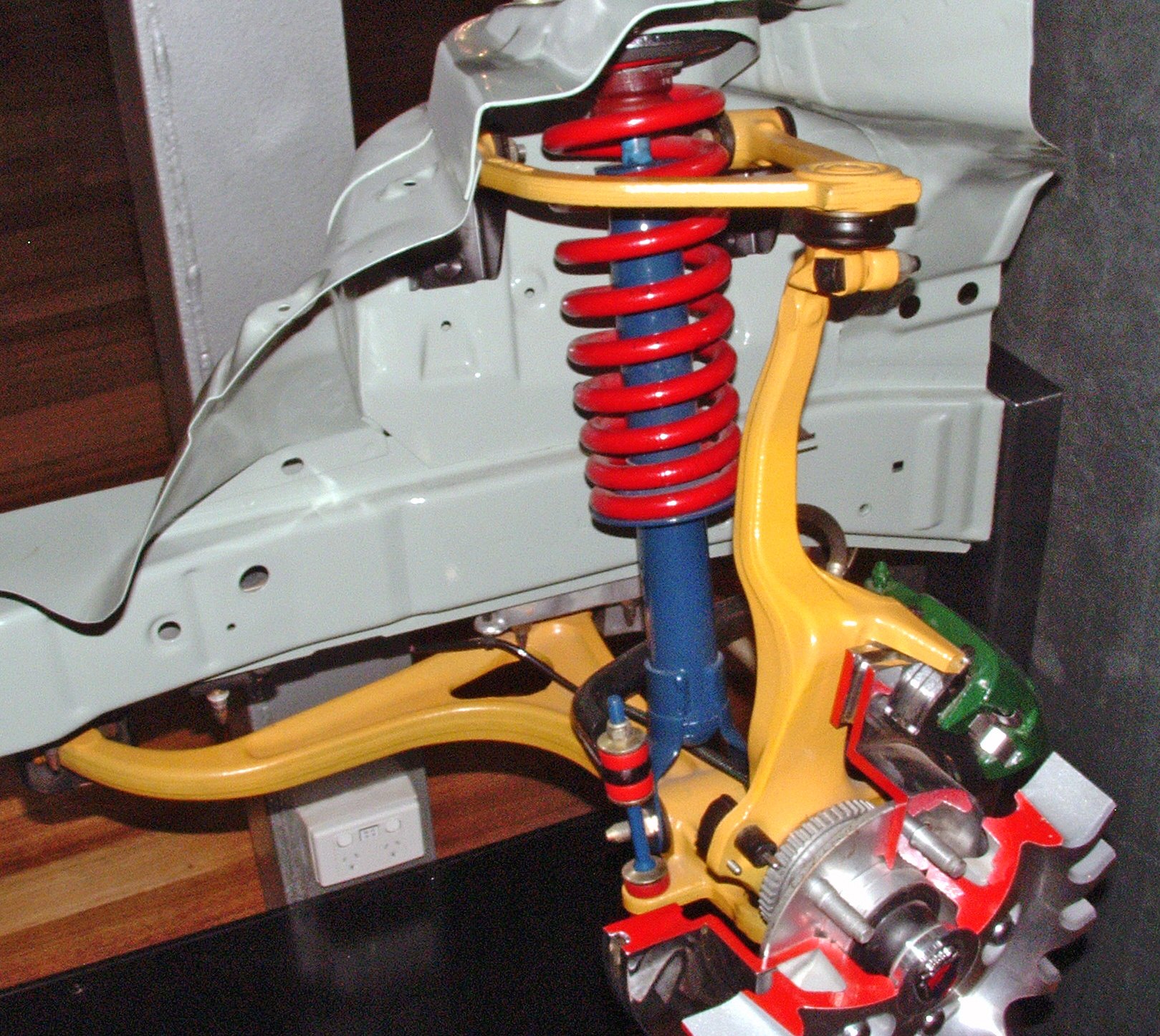
MacPherson Strut vs. Double Wishbone: Why the Cheaper One Won, and What It Actually Costs
One layout hangs the wheel off a single telescopic leg. The other locates it with two arms and leaves the engineer free to choose how the camber behaves. Almost every car you can buy uses the first, and Porsche spent a whole GT3 generation going the other way.
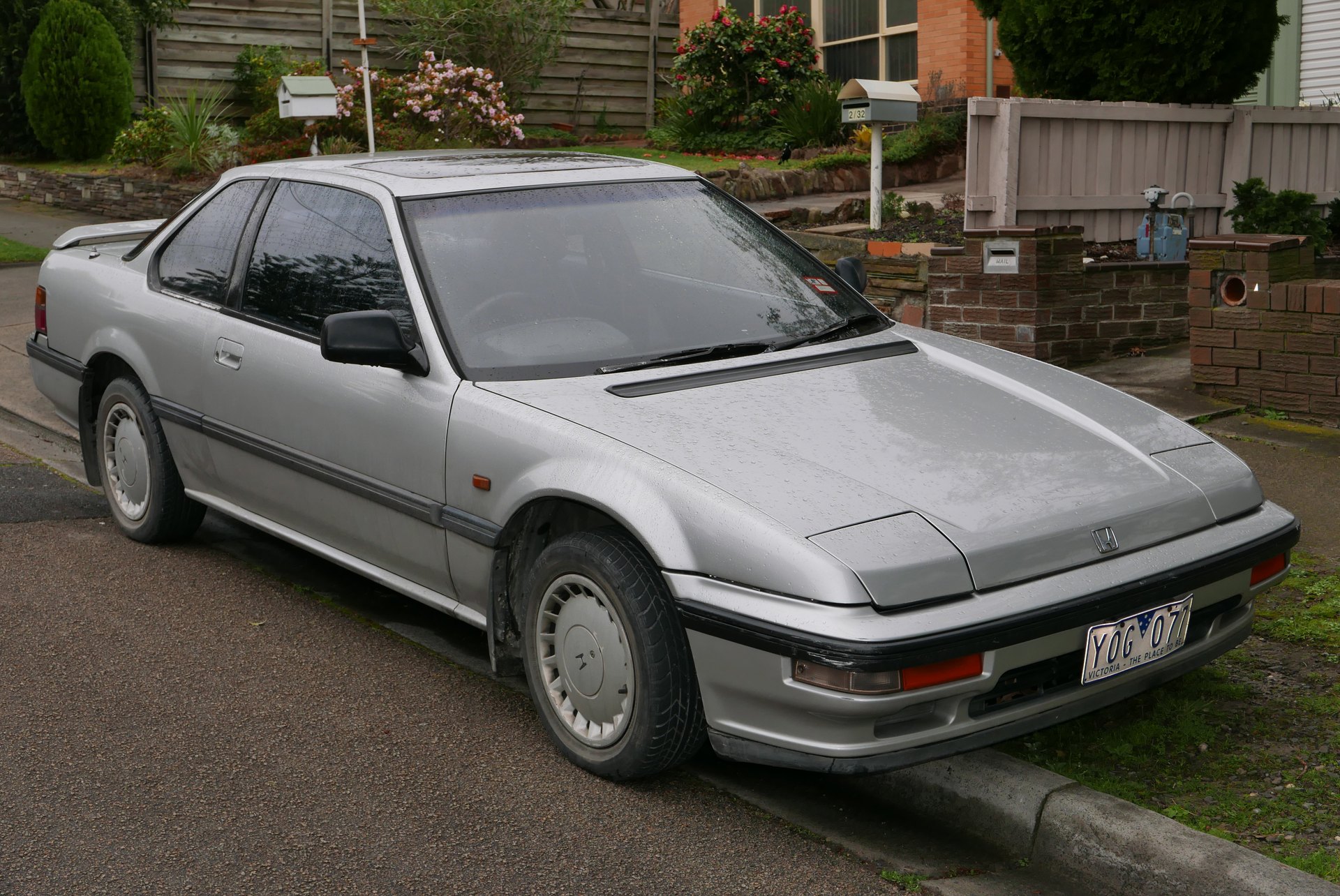
Four-Wheel Steering: Honda Did It in 1987 With a Shaft and a Gear Set, No Computer Involved
Turn the rear wheels the wrong way and a car gets tighter. Turn them the right way and it gets steadier. The hard part has always been knowing which one the driver wants — and Japan answered that question three different ways before anyone else shipped it.
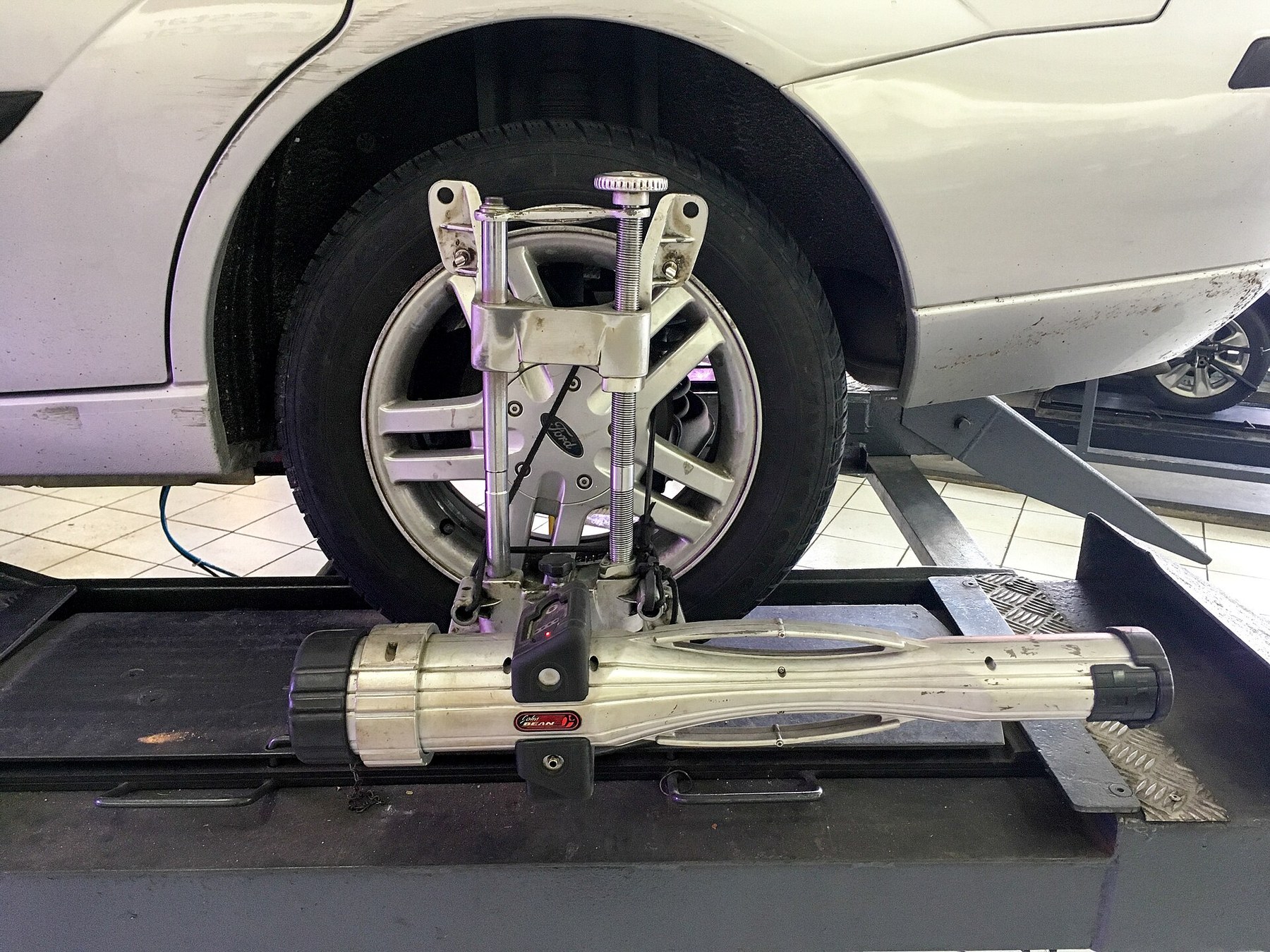
Camber, Caster and Toe: What an Alignment Actually Changes
Three angles, three completely different jobs. One of them eats tyres, one of them decides how the steering feels in your hands, and one of them is mostly invisible until the car starts pulling.
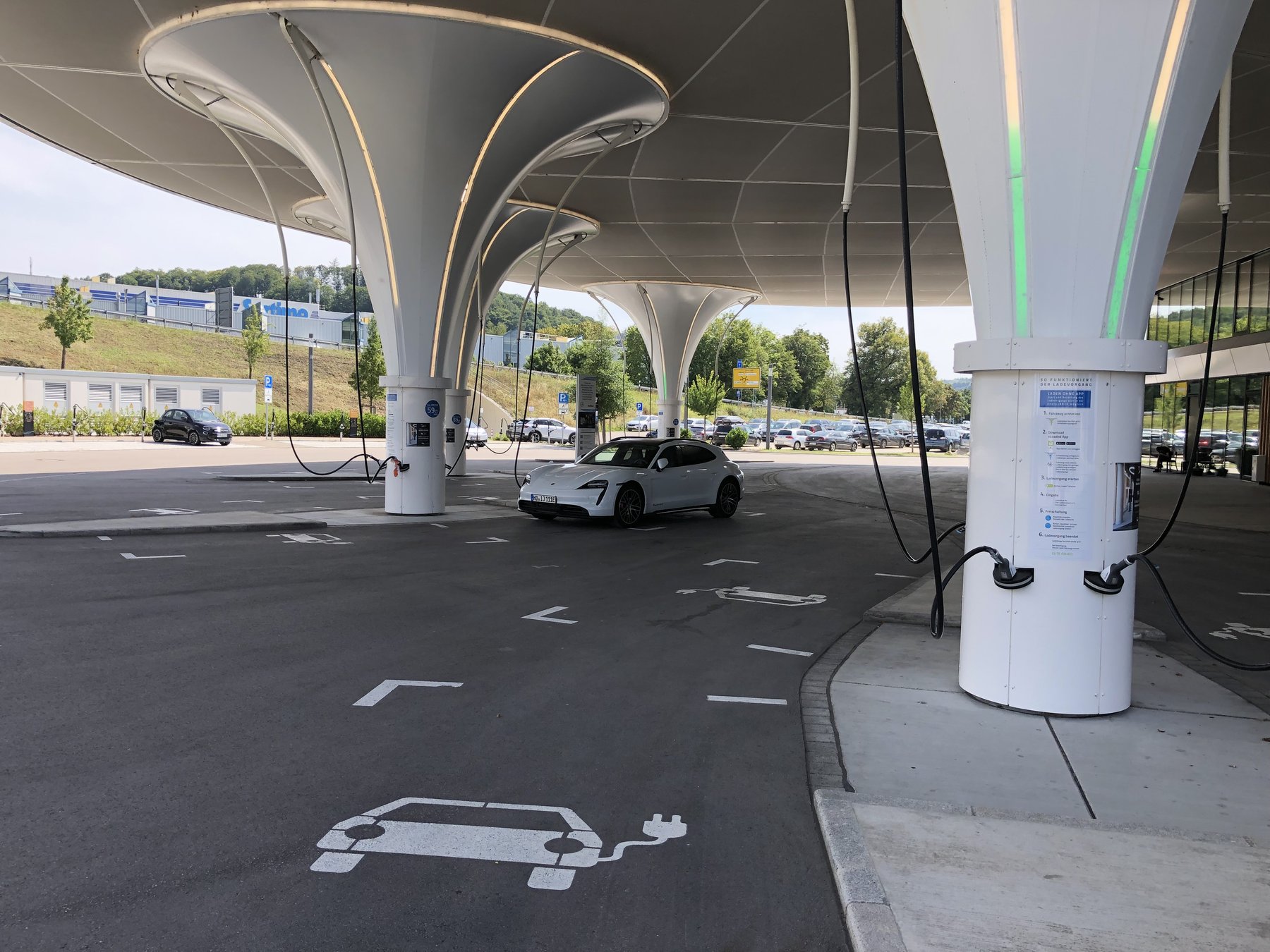
800 Volts Doesn't Make a Car Charge Faster. It Removes the Reason It Couldn't.
Double the pack voltage and you halve the current for the same power — and heat falls with the square of current. That's the entire trick. It still doesn't guarantee you a quick charge, and it quietly creates a compatibility problem nobody advertises.
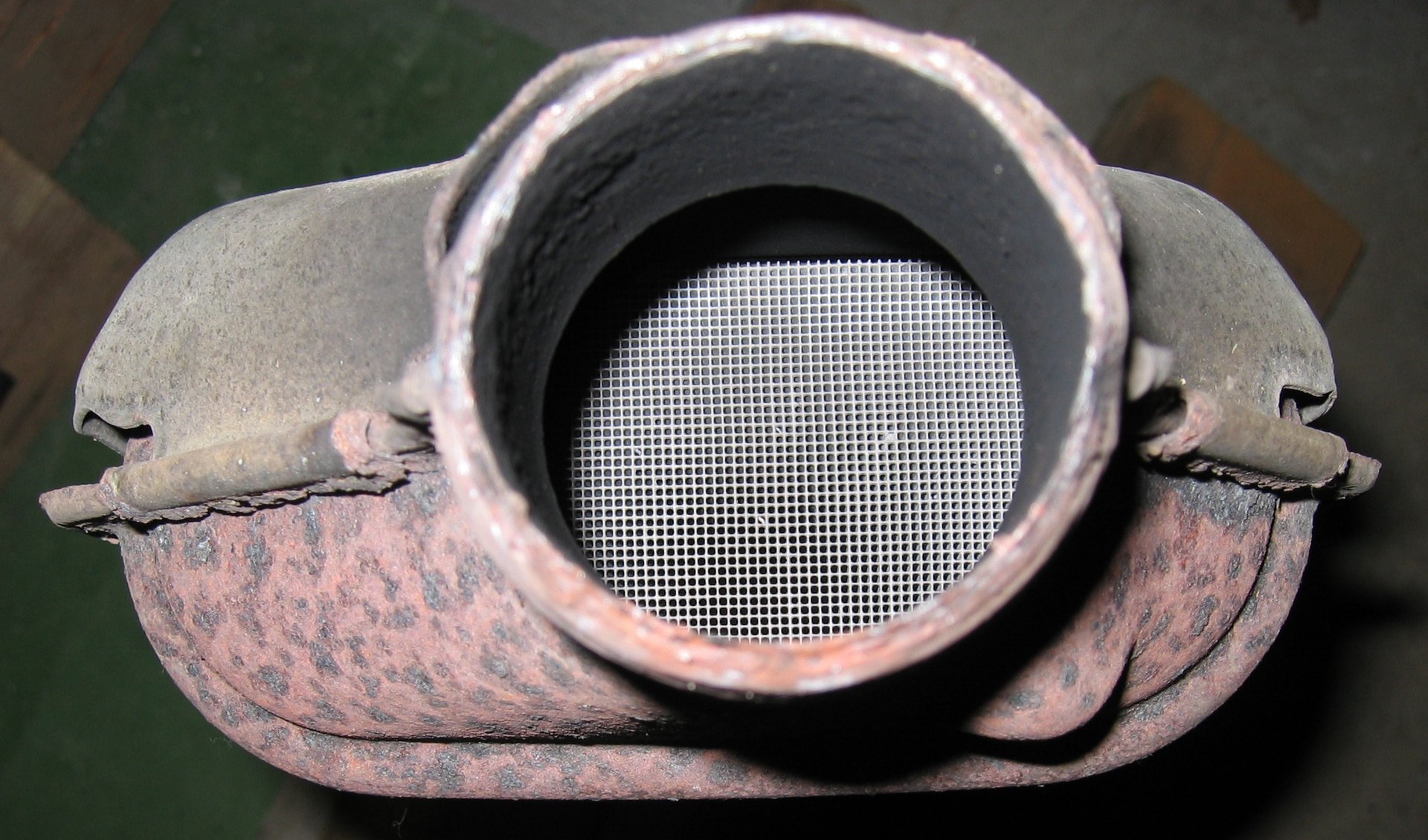
A Catalytic Converter Runs Two Opposite Reactions at Once, and Only Inside a Very Narrow Window
Burning carbon monoxide and unburnt fuel needs oxygen. Stripping nitrogen oxides back to nitrogen needs oxygen taken away. A three-way cat does both in the same brick, which is the whole reason closed-loop fuelling and the oxygen sensor exist.
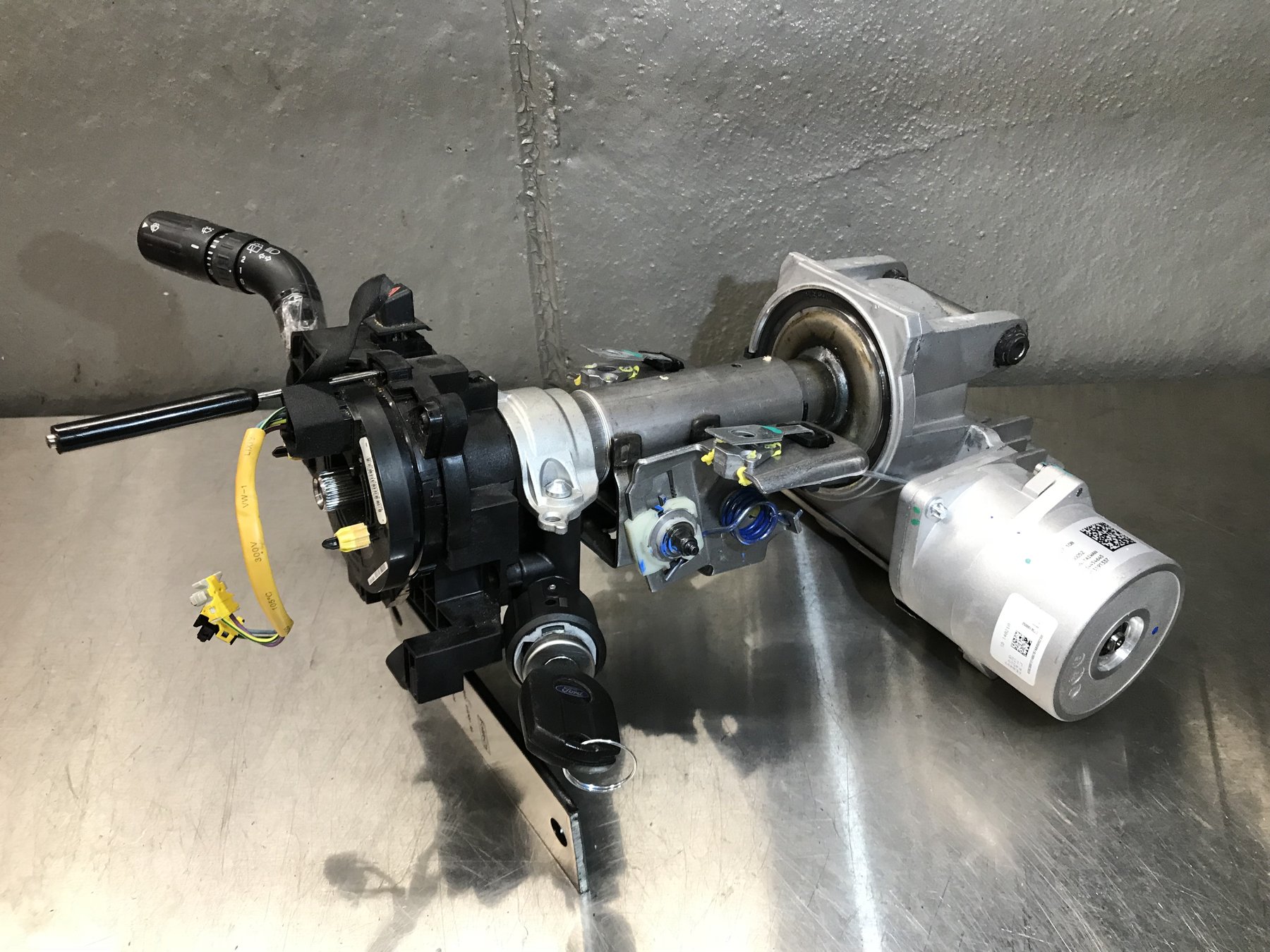
Electric Power Steering Won on Physics. The Missing Feel Was a Tuning Decision.
A hydraulic rack burns engine power whether you are steering or not, and it cannot steer itself — which is why it lost. But "no feel" is not an inevitable consequence of putting a motor in the loop. It is what happens when inertia, friction and software go unaddressed.
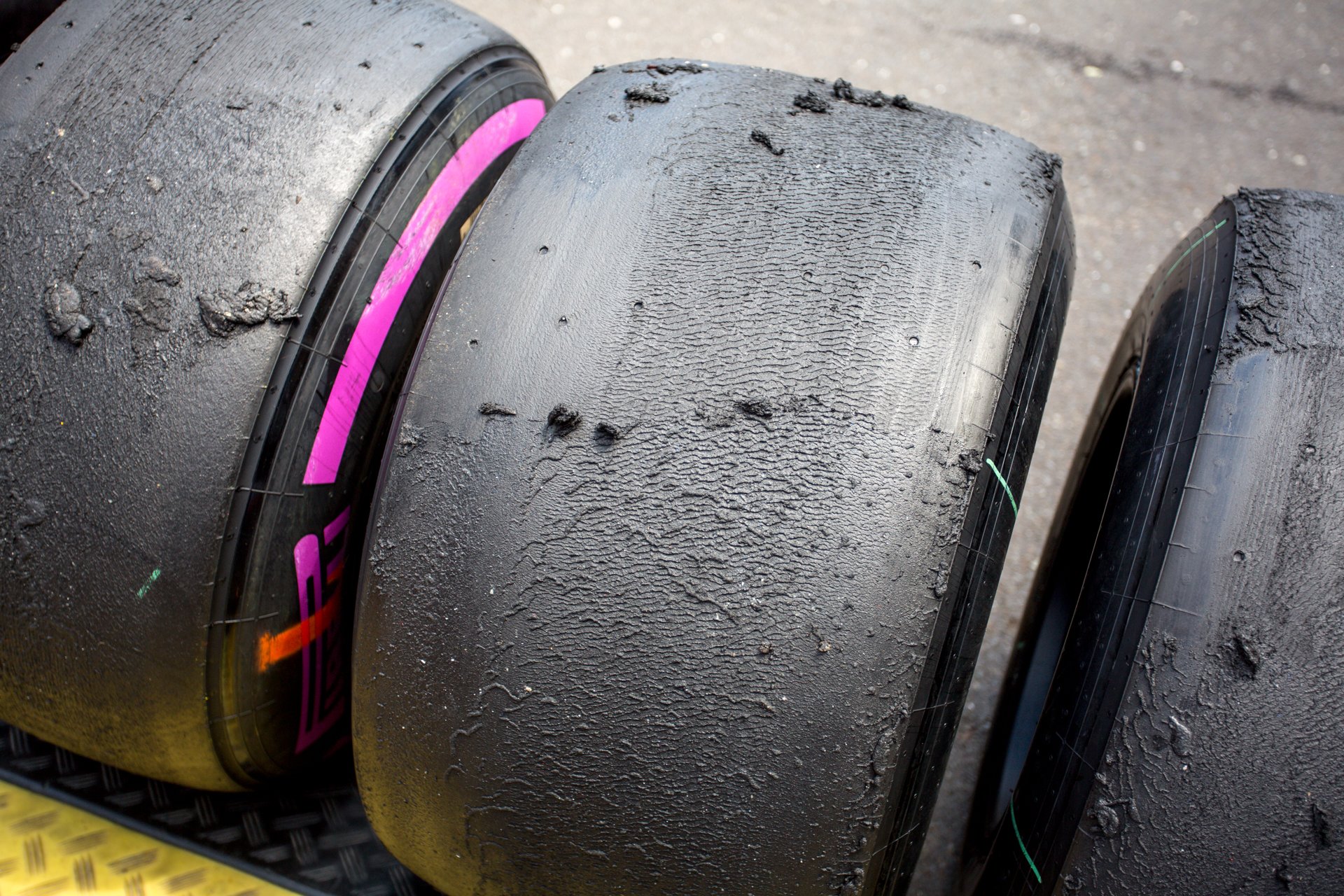
How a Tyre Actually Makes Grip
The textbook friction formula says grip ignores contact area and can’t exceed the load pressing down. Rubber breaks both rules, and understanding why explains almost everything a car does at the limit.
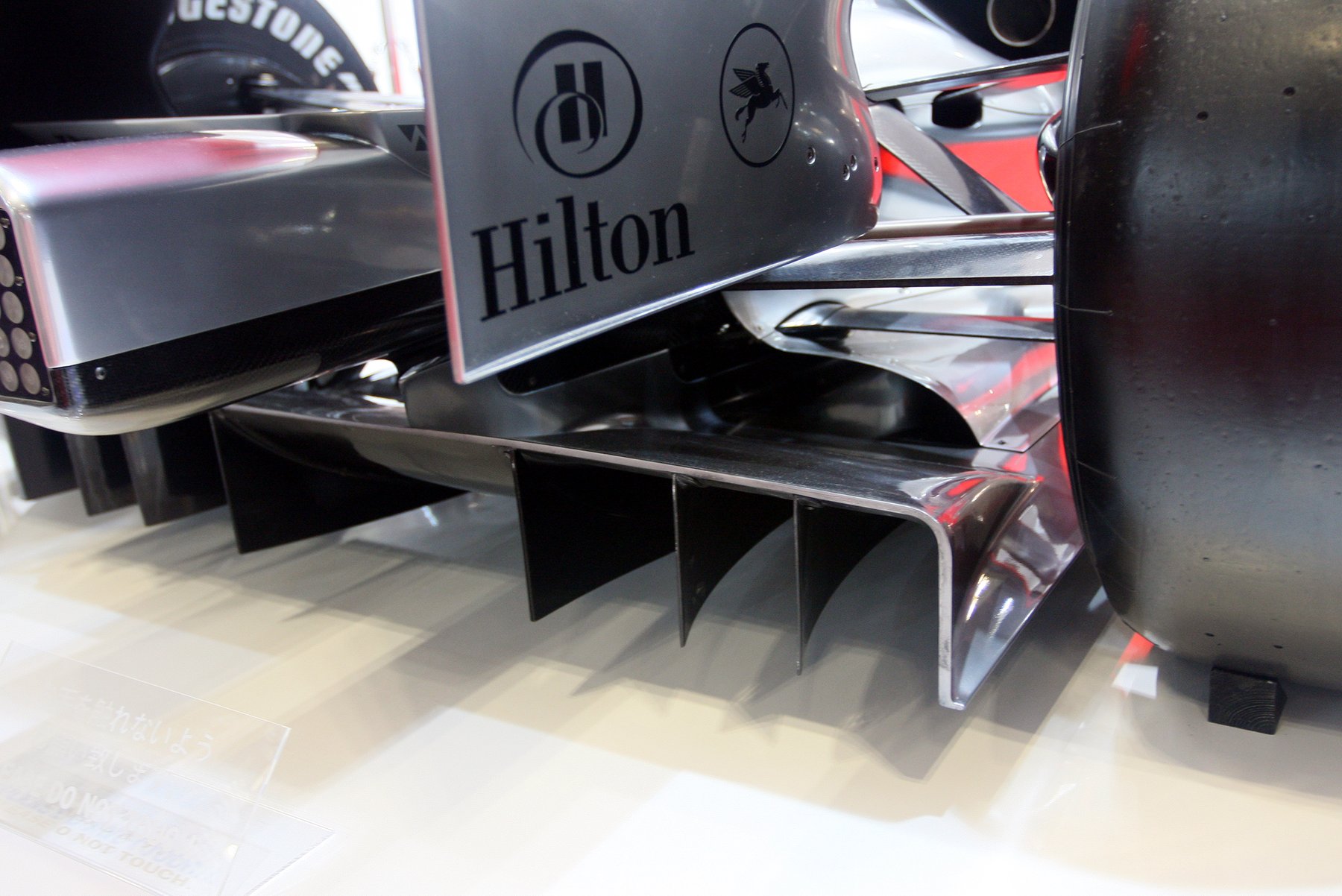
Downforce Is an Upside-Down Wing — and at 40 MPH It's Doing Almost Nothing
The physics of aerodynamic grip is simpler than the mythology around it, and far more speed-dependent than most people assume. Here's the actual mechanism, the schoolbook explanation that's wrong, and why the wing on a hatchback's trunk lid is decoration.
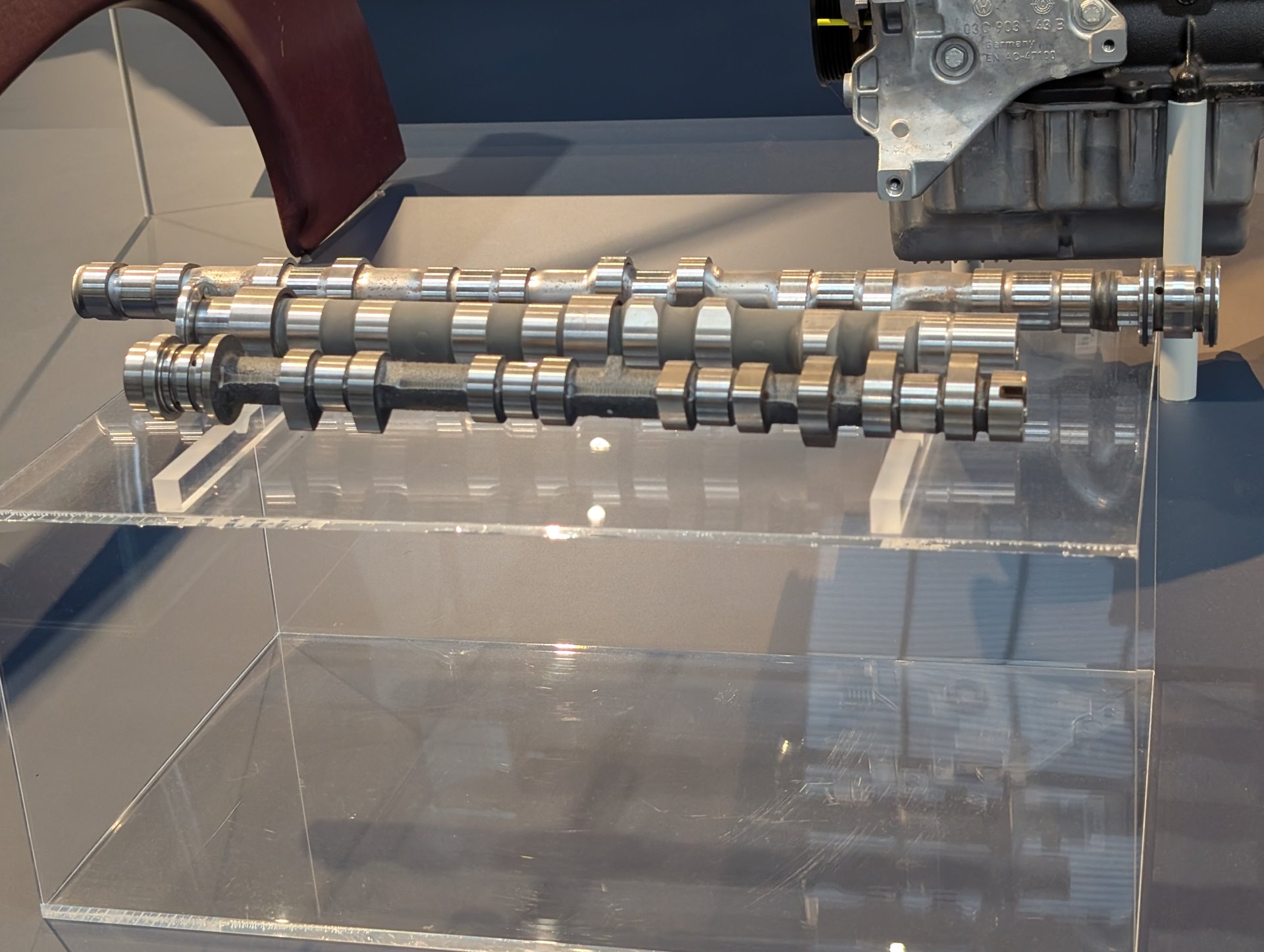
How Variable Valve Timing Actually Works
Every fixed-cam engine is a compromise between idle quality and top-end power. Cam phasers and cam-switching systems are two different ways of refusing to pick one.
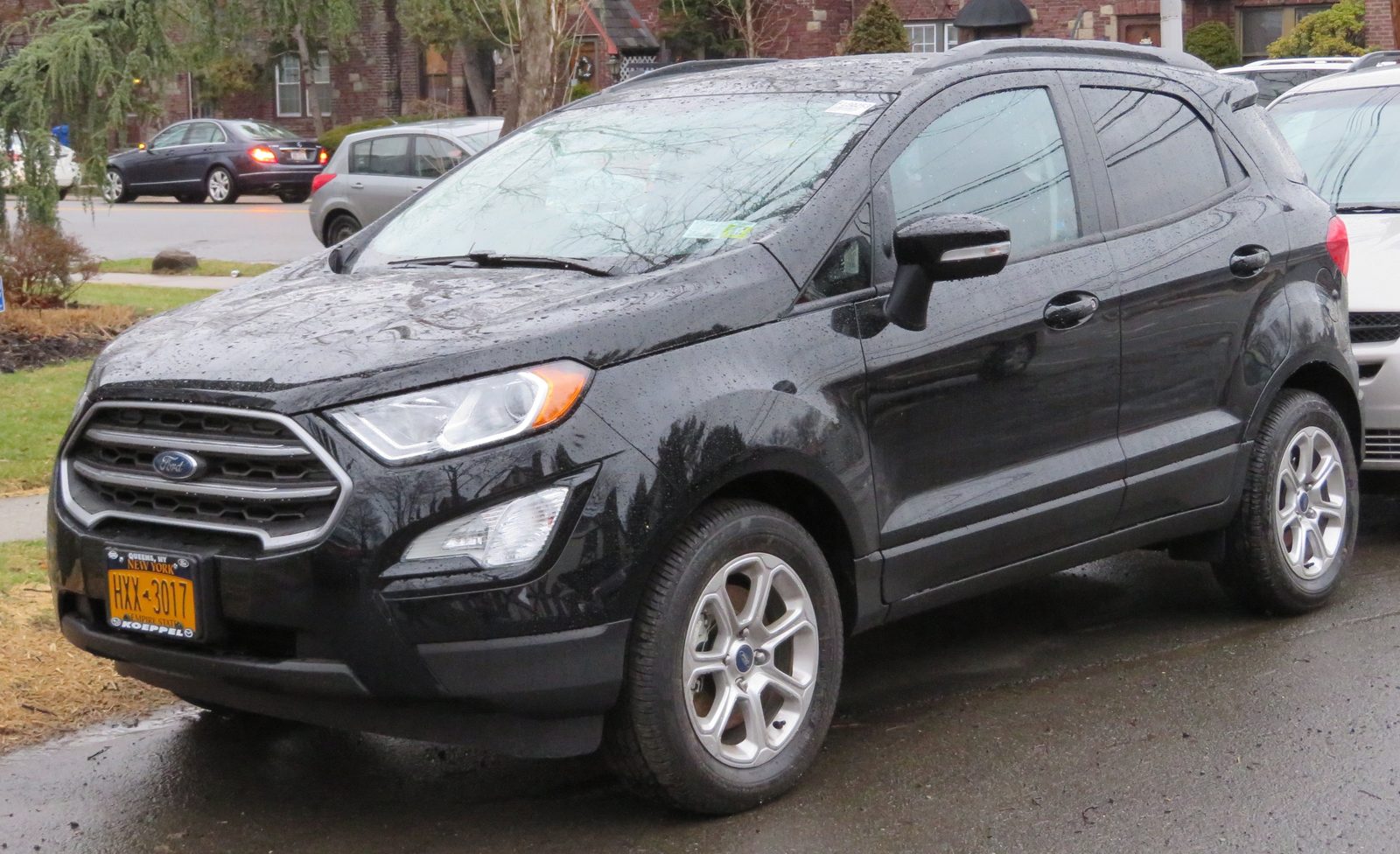
Ford Ran the Timing Belt Through the Oil. Federal Investigators Say the Belt Is Now Starving the Engine.
A belt-in-oil drive is quieter and lower-friction than a chain. NHTSA's new engineering analysis says the 1.0-liter EcoBoost's belt sheds material that clogs the oil pump pickup — and that screen can't be cleaned without pulling the engine.
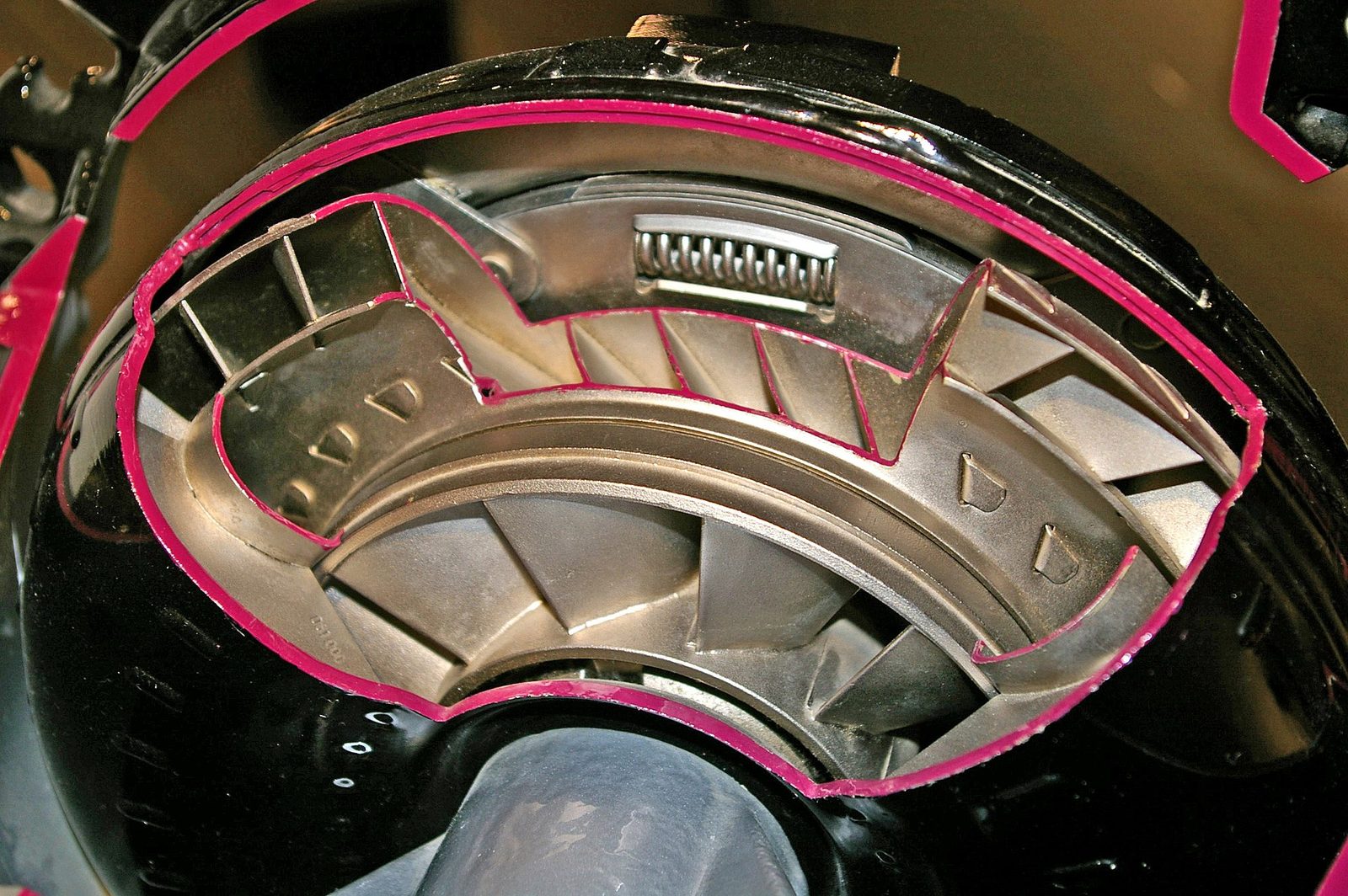
The Automatic's Oldest Trick: How a Torque Converter Multiplies Torque With No Gears
It has no gear teeth and nothing that meshes, yet a torque converter can roughly double engine torque off the line. The part doing the work is the one bolted to nothing at all.
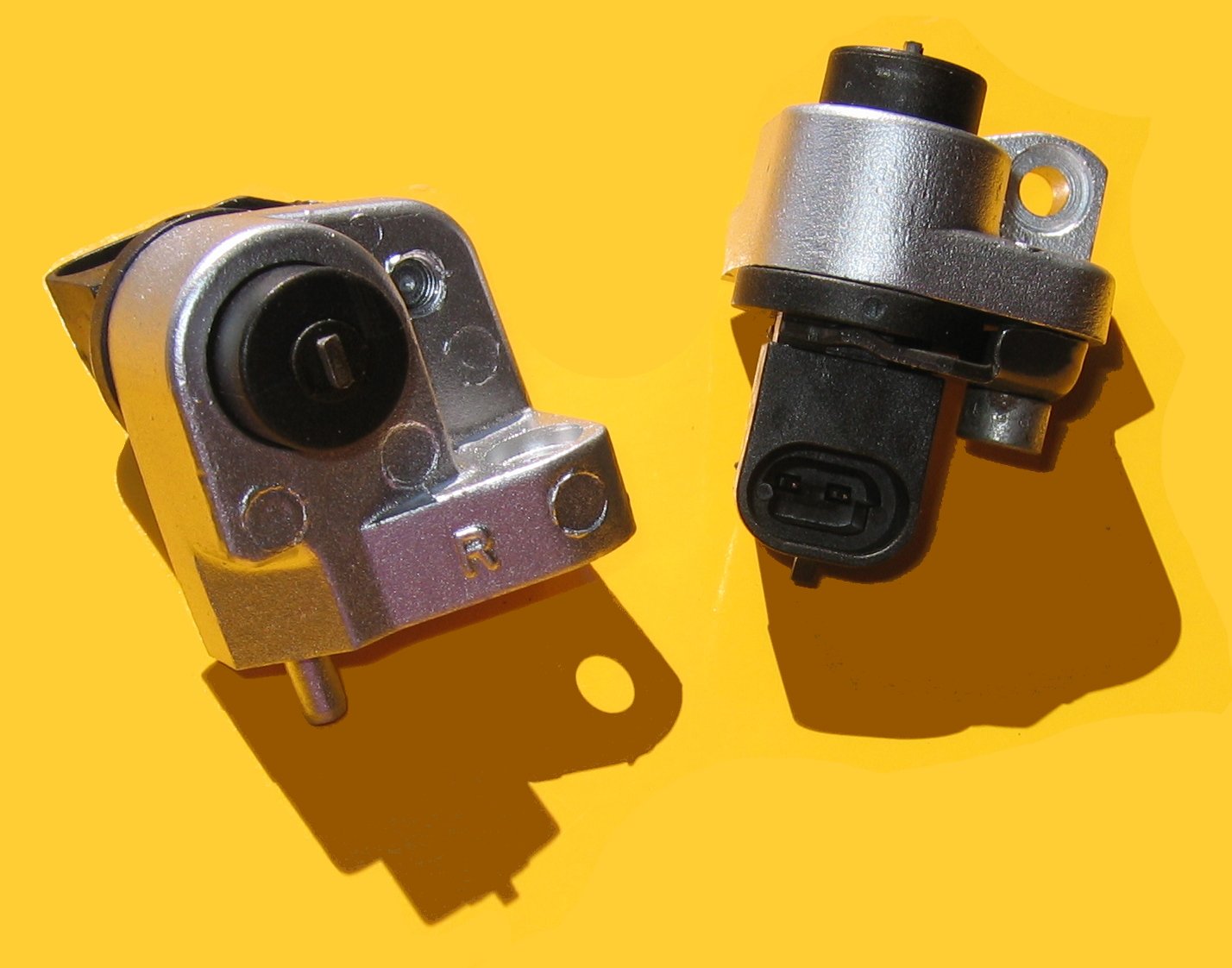
How Electronic Stability Control Reads a Slide and Corrects It Before the Driver Even Feels It
A network of wheel-speed, steering-angle, and yaw sensors checks the car's actual path against the driver's intended one many times a second — and brakes a single wheel to pull it back if the two disagree.
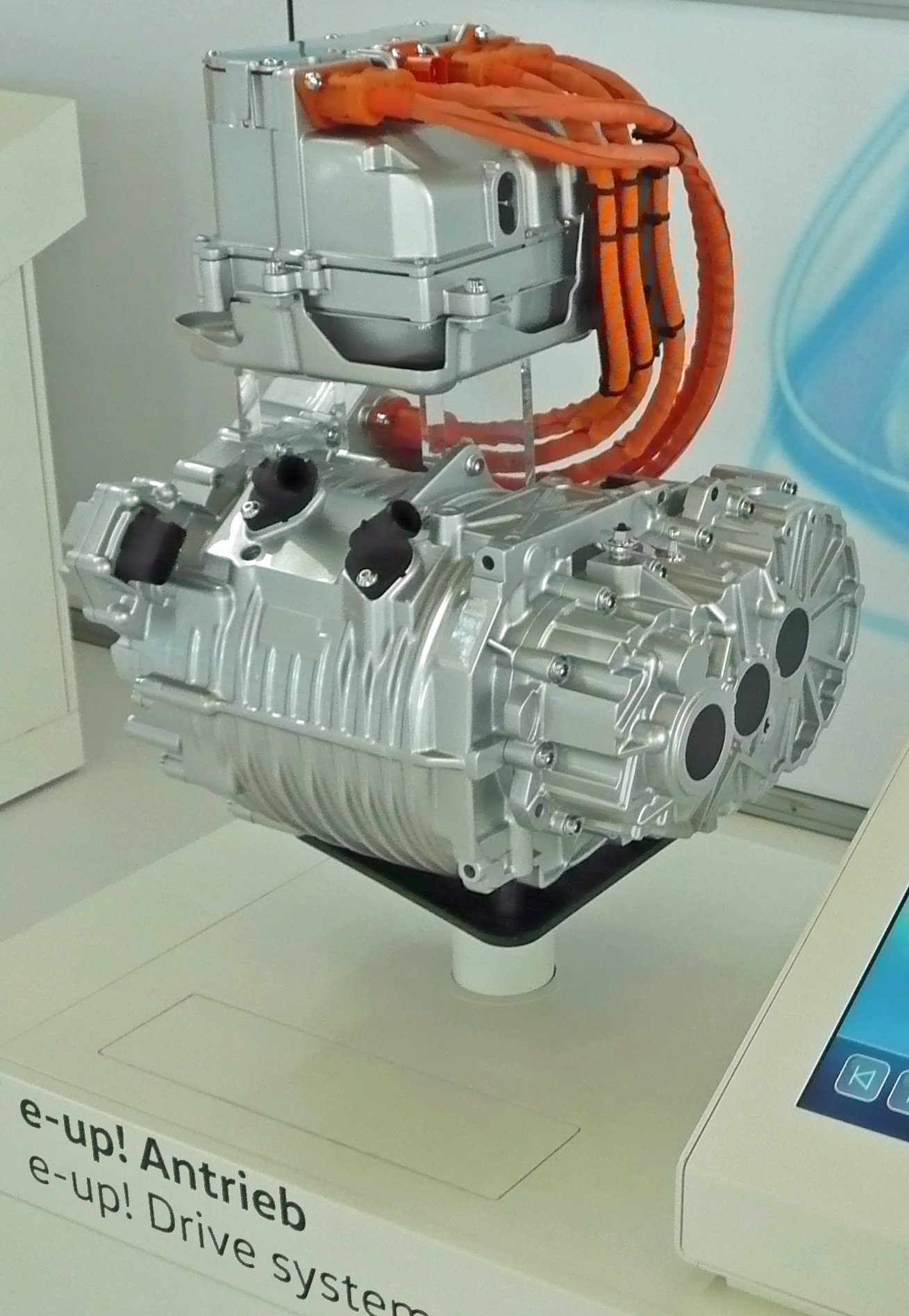
How Regenerative Braking Turns a Drive Motor Into a Generator — And Why It Still Needs Friction Brakes
Lifting off the accelerator in an EV or hybrid doesn't apply a "brake" in the traditional sense — it reverses the motor's job. Here's the mechanism behind that trick, how it's blended with hydraulic brakes to keep the pedal feeling normal, and why one-pedal driving isn't quite what it appears to be.
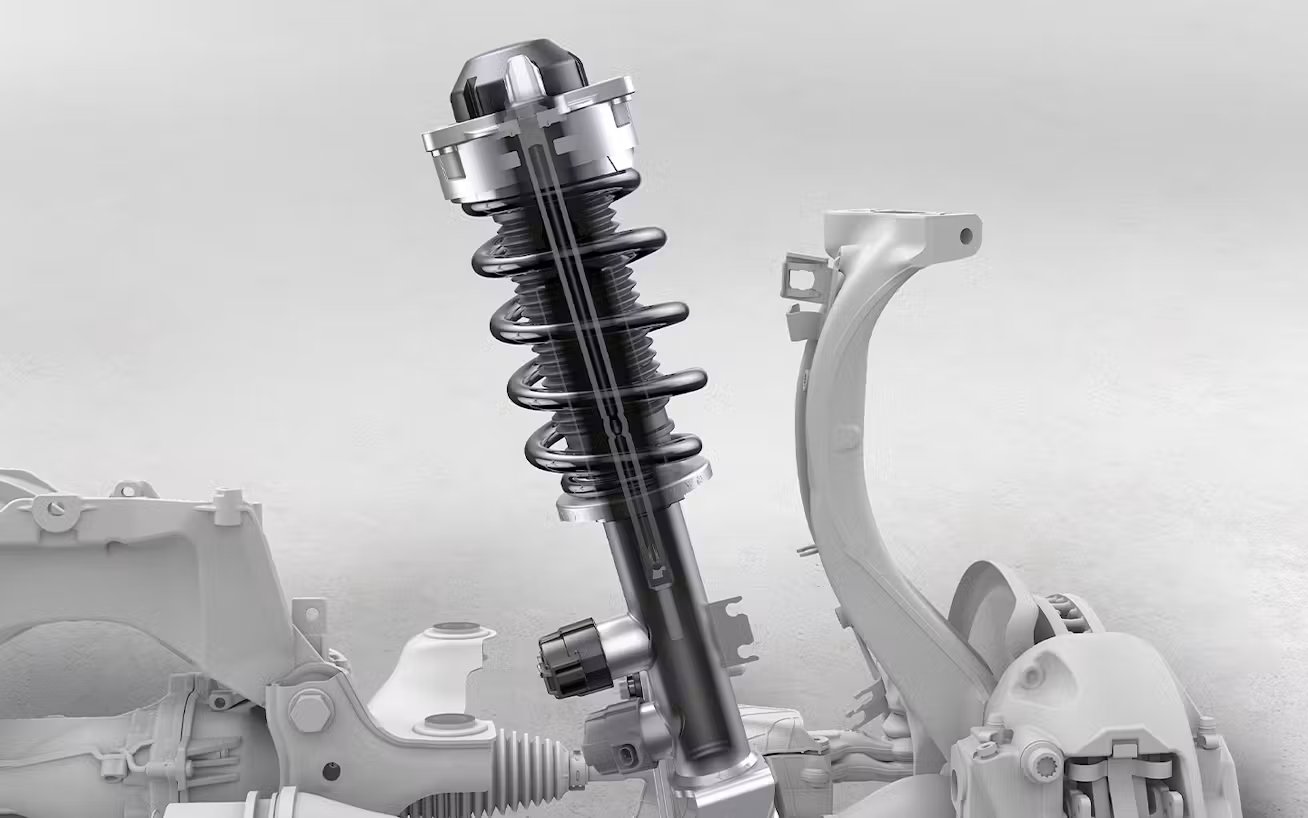
Inside the Millisecond Damper: How Adaptive Suspension Reads the Road and Rewrites Itself on the Fly
From magnetized fluid to electronically bypassed oil valves, three very different engineering approaches now let a single damper be soft and stiff within the same second.
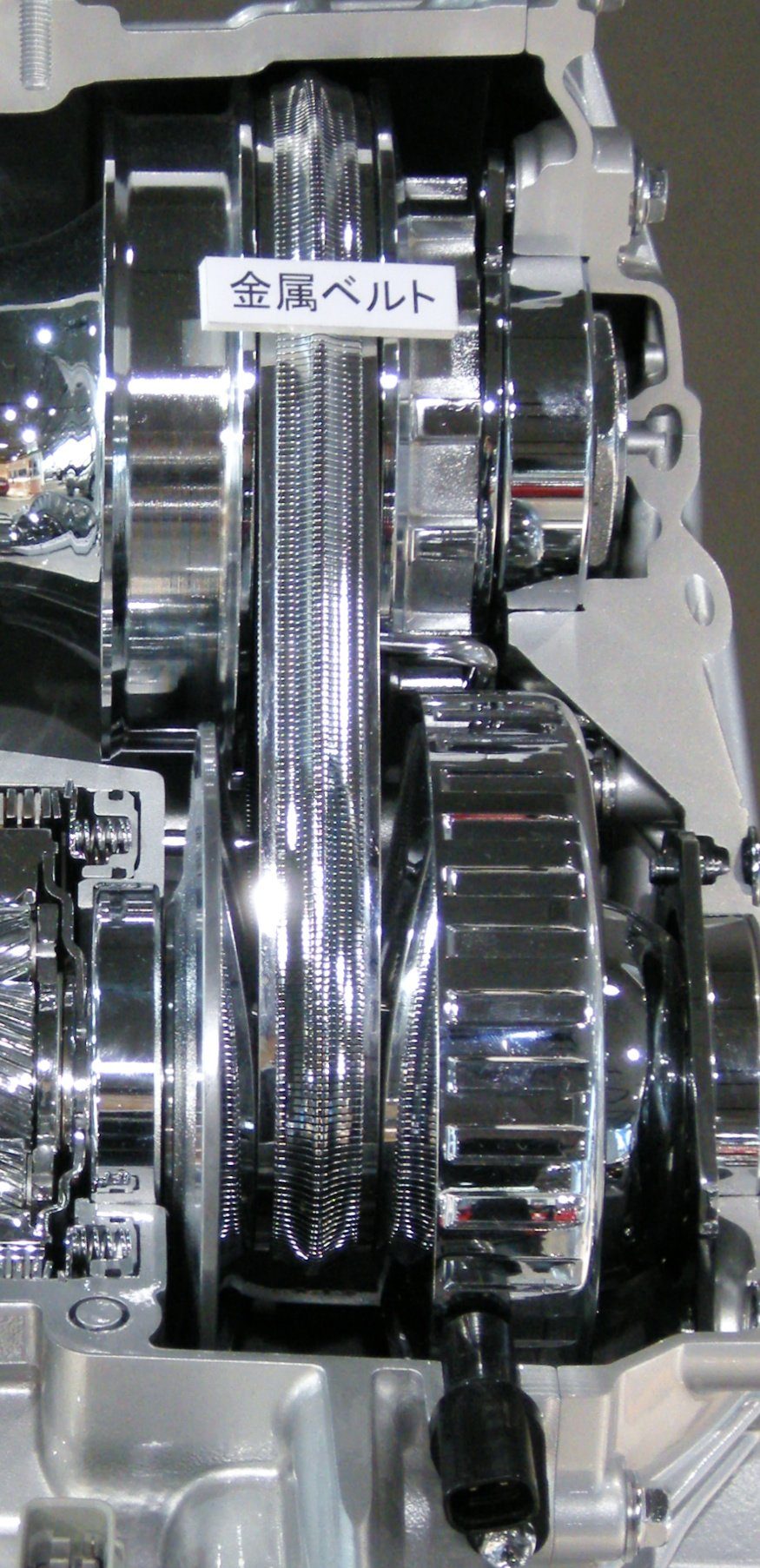
A CVT Doesn't Shift Gears. It Never Stops Changing Its Ratio.
Two cone-shaped pulleys and a steel belt replace the fixed steps of a normal gearbox with one ratio that slides continuously, which is exactly why a CVT-equipped car never quite feels like it's shifting.
A Dual-Clutch Gearbox Has Two Transmissions Inside One Case, Each Waiting on the Other
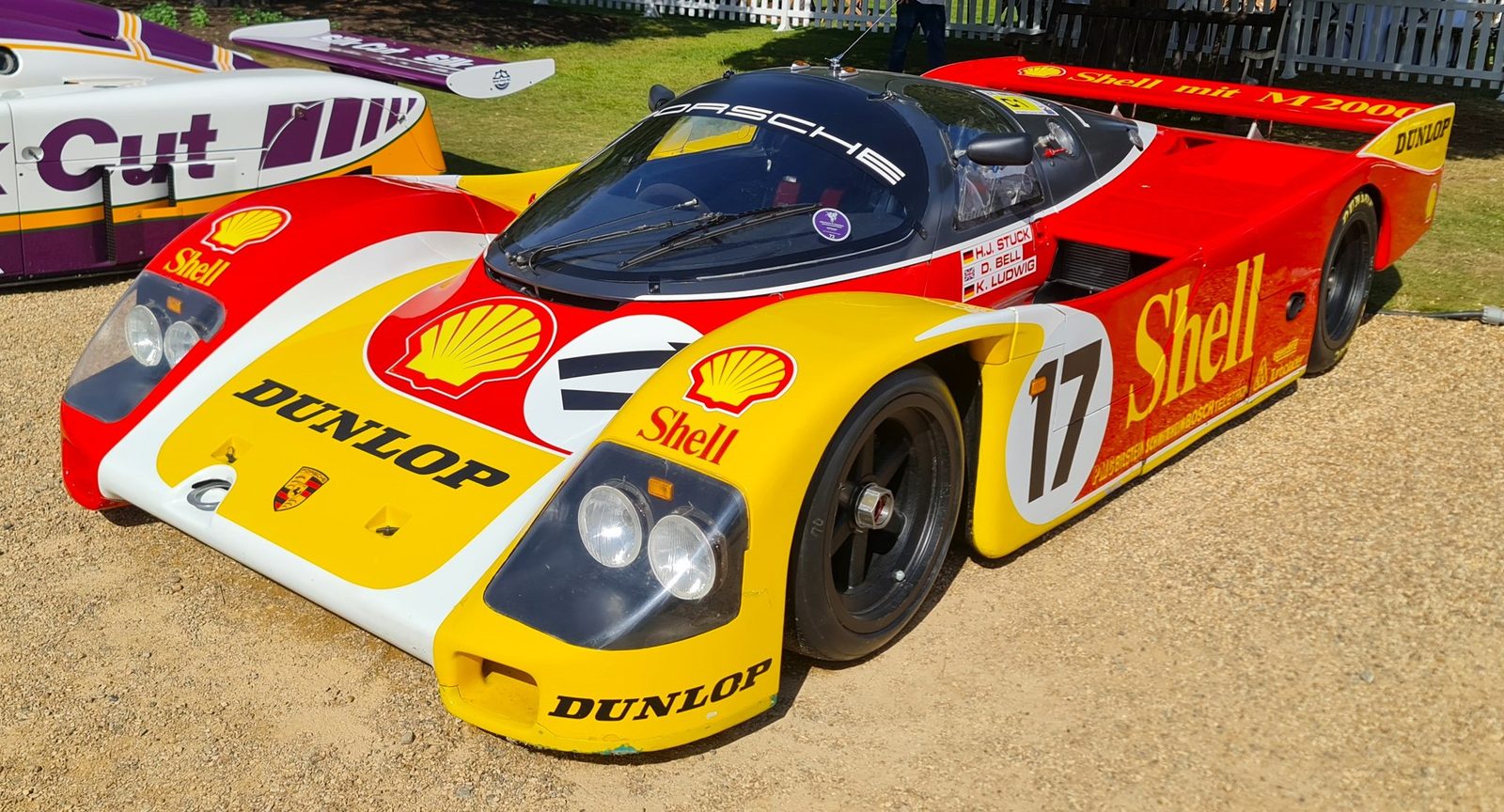
A manual has one clutch and a pause between gears. A torque-converter automatic hides that pause in fluid. A dual-clutch transmission skips it entirely by pre-selecting the next gear on a second clutch before the first one lets go — a trick Porsche raced at Le Mans years before Volkswagen ever put it in a Golf.
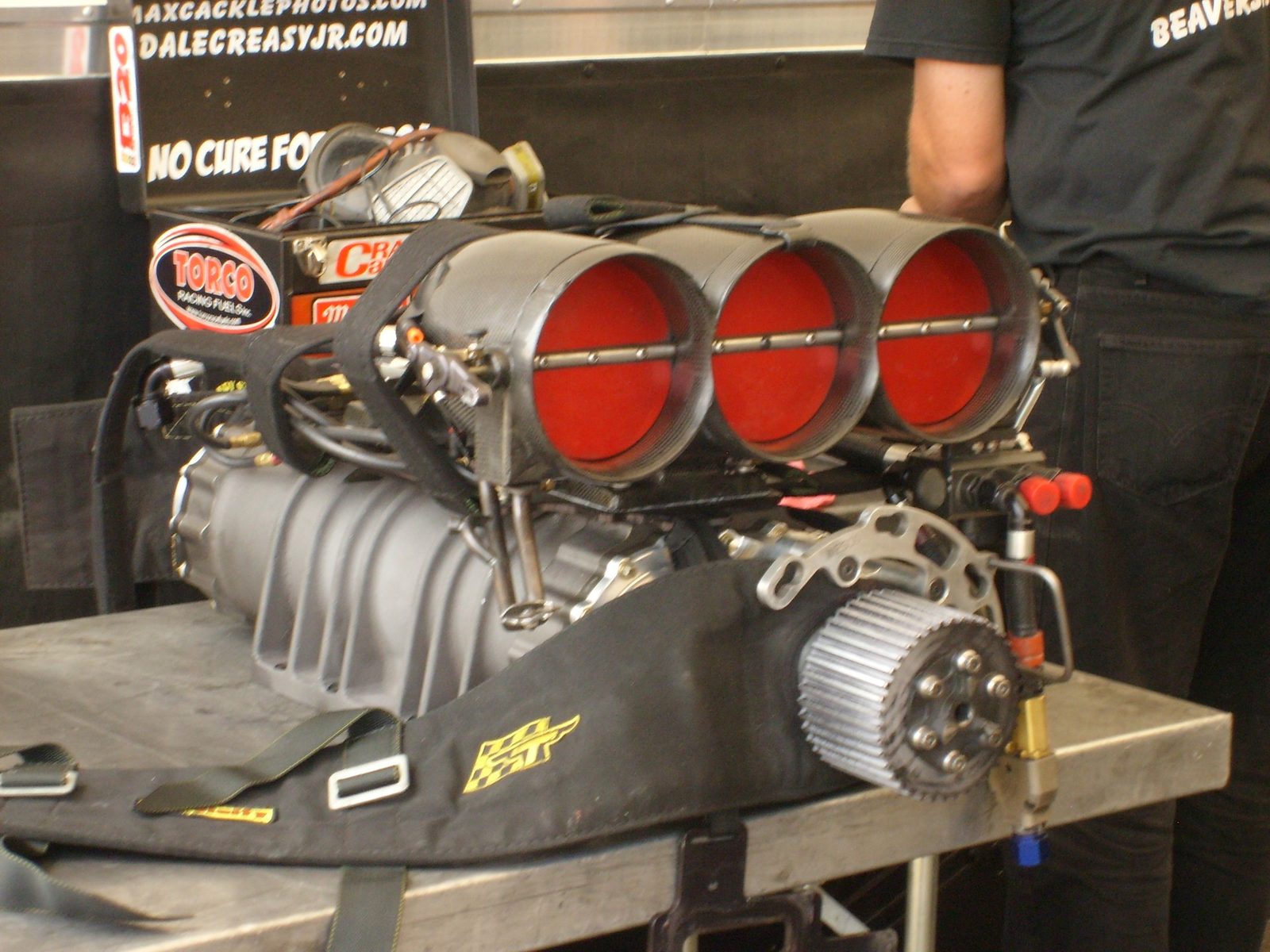
A Supercharger Doesn't Wait for Exhaust. It's Bolted Straight to the Crankshaft.
A turbocharger scavenges power the engine would otherwise waste as exhaust heat. A supercharger skips that step and takes its power directly off the crank by belt or gear — trading efficiency for boost that's there the instant the engine is turning.
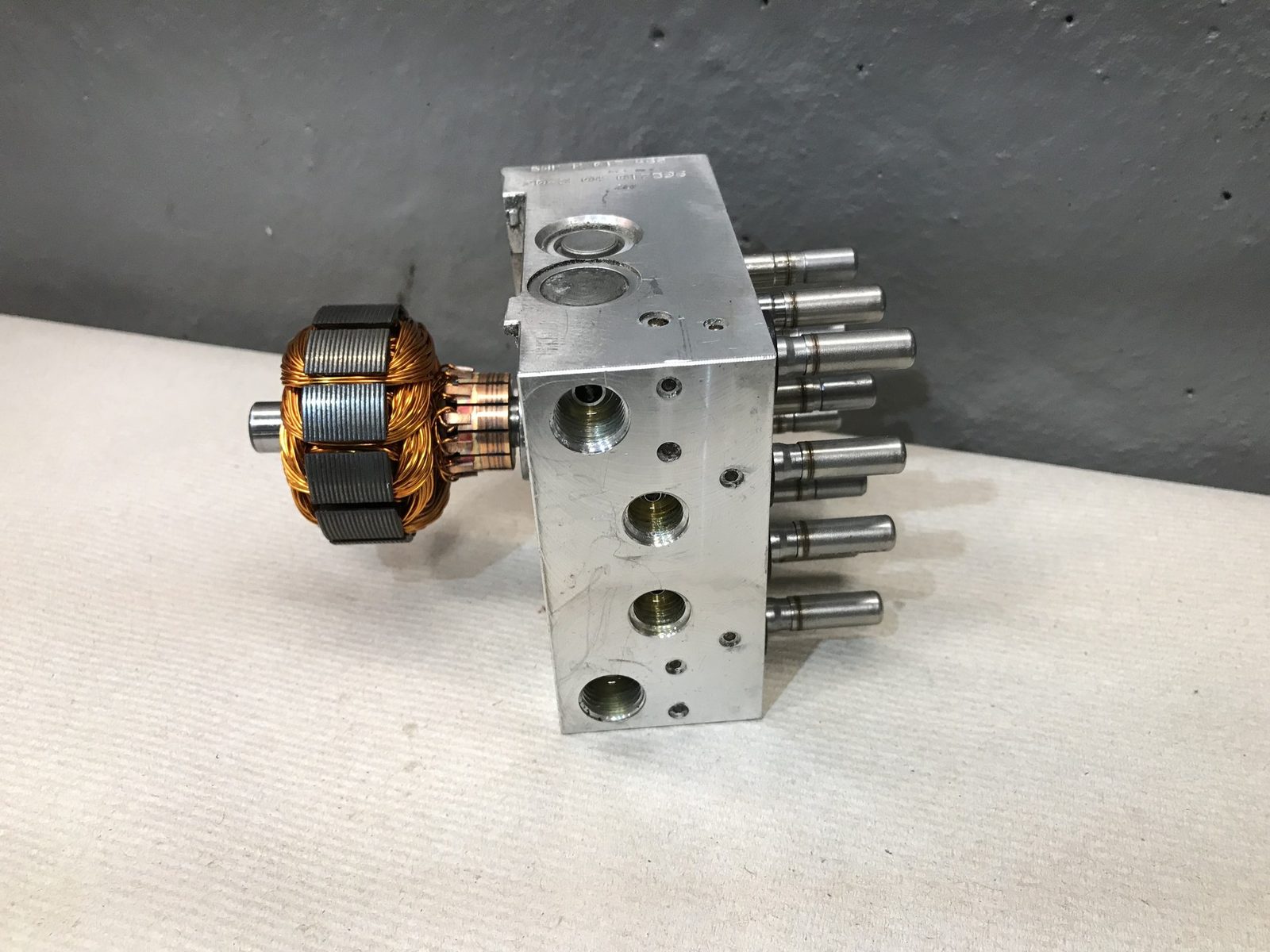
A Car With ABS Can Steer While Braking Hard. One Without It Usually Can't.
The whole system comes down to a speed sensor at each wheel and a valve block that pulses brake pressure on and off dozens of times a second — the same basic architecture Mercedes-Benz and Bosch put into a production car for the first time in 1978.
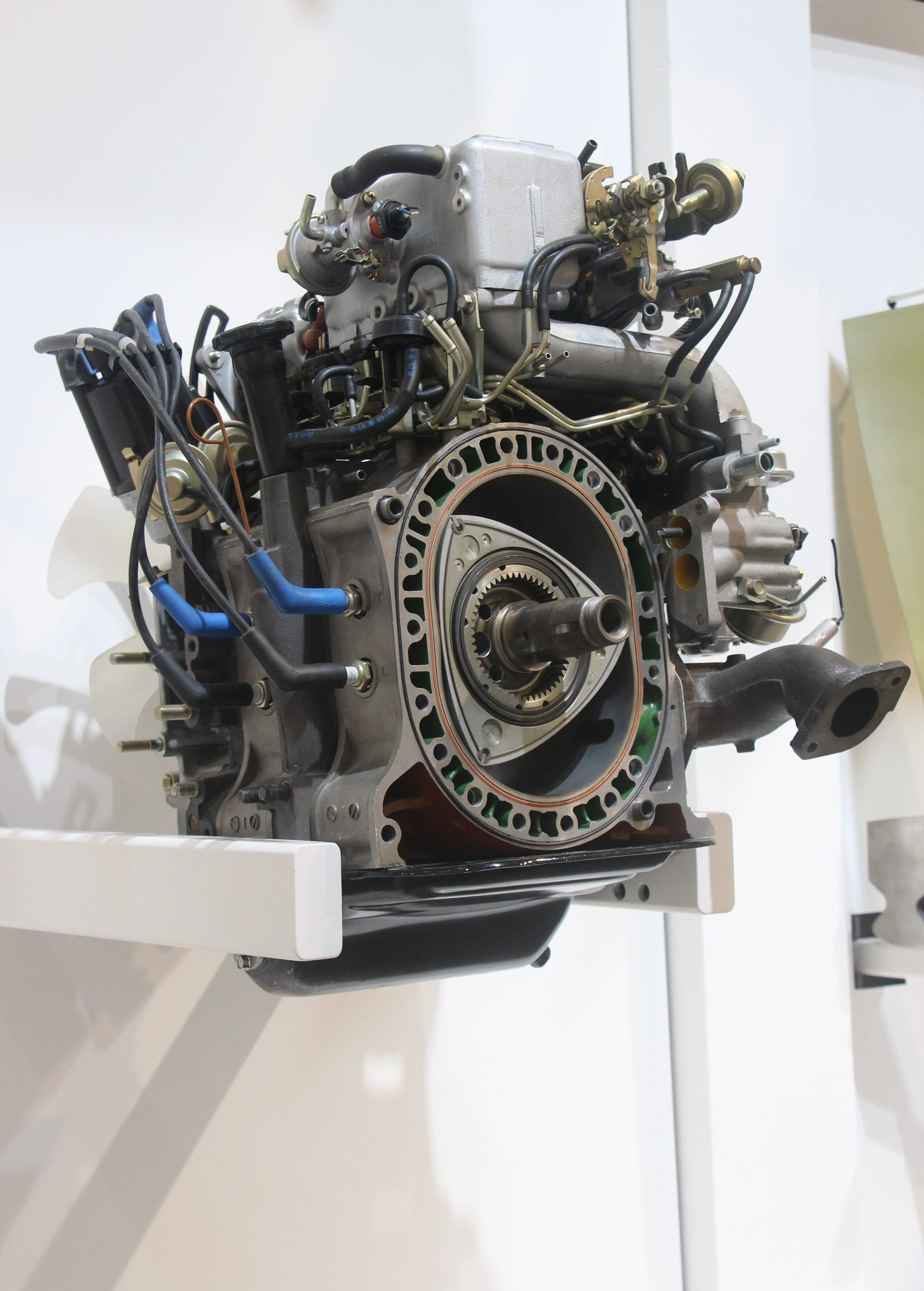
A Wankel Rotary Engine Has Two Moving Parts. A Piston Engine Has Dozens.
No pistons, no connecting rods, no valves, no camshaft — the entire four-stroke cycle happens because a triangular rotor spins inside a housing shaped to make room for it in the right places, at the right times.
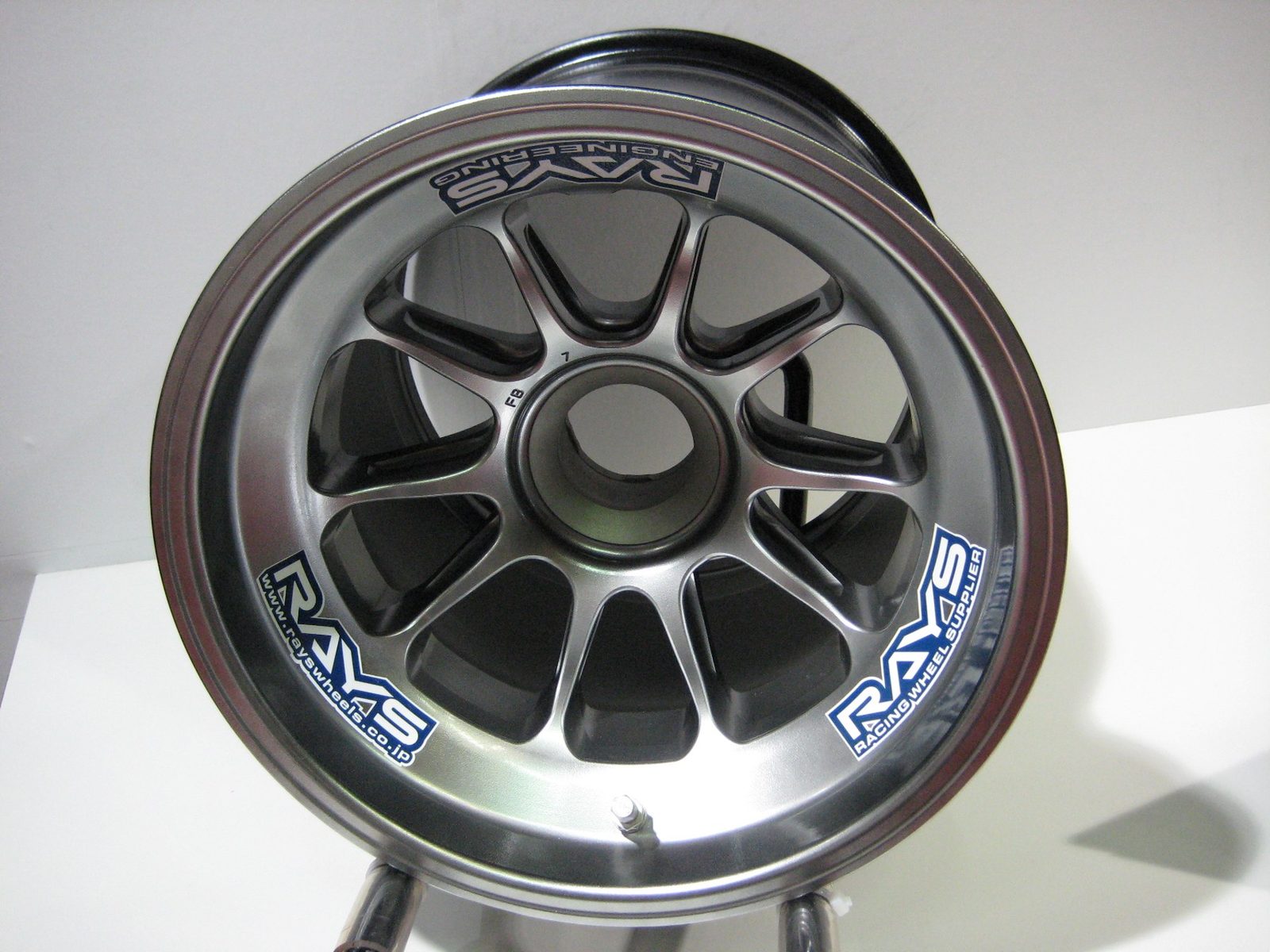
"Offset" and "Backspacing" Describe the Same Wheel, From Two Different Directions
ET30 stamped into a wheel and a 4.75-inch backspacing measurement are two ways of answering the same question — where does the tire actually sit relative to the fender — and confusing them is how a fitment order goes wrong.
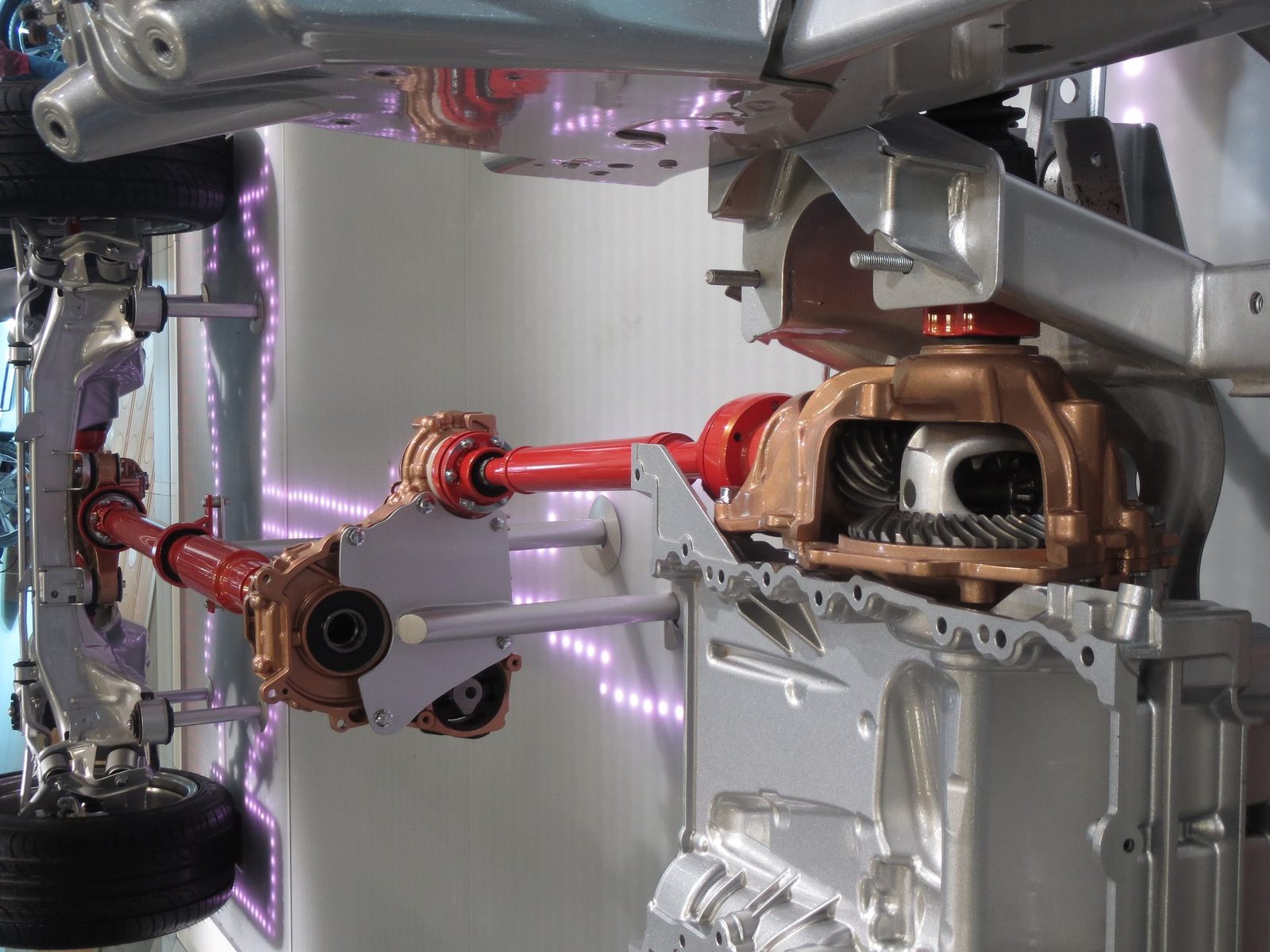
An Open Differential Sends Power to Whichever Wheel Needs It Least. Here's What Fixes That.
Clutch packs, viscous fluid, or helical gears — three different ways of solving the same problem: keeping torque going to the tire that can actually use it.
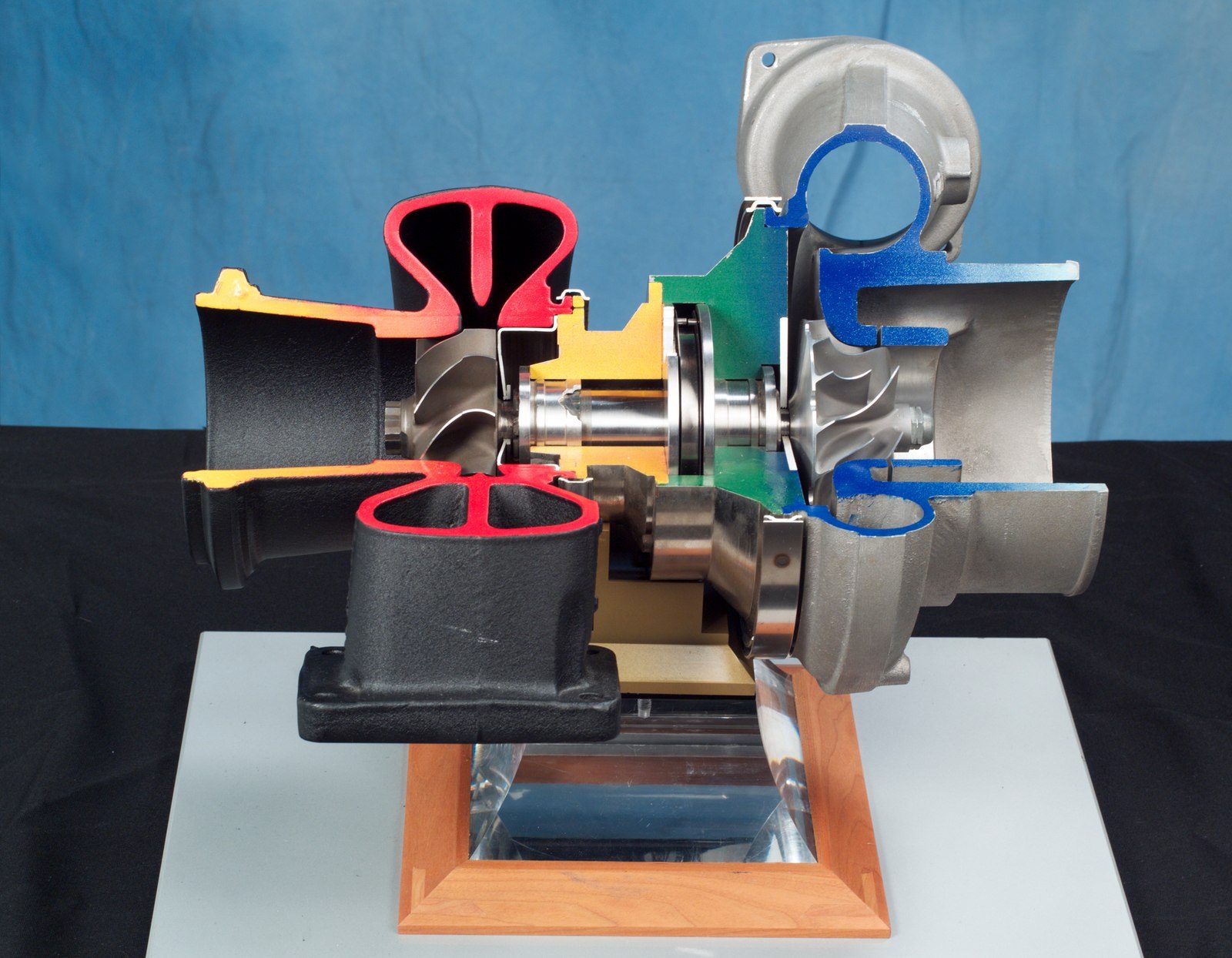
A Turbocharger Doesn't Make Power. It Makes the Engine Stop Wasting Exhaust.
The whole trick is a shaft connecting two fans that never touch the same air twice — one spun by exhaust gas that would otherwise go straight out the tailpipe, the other stuffing extra air into the cylinders because of it.
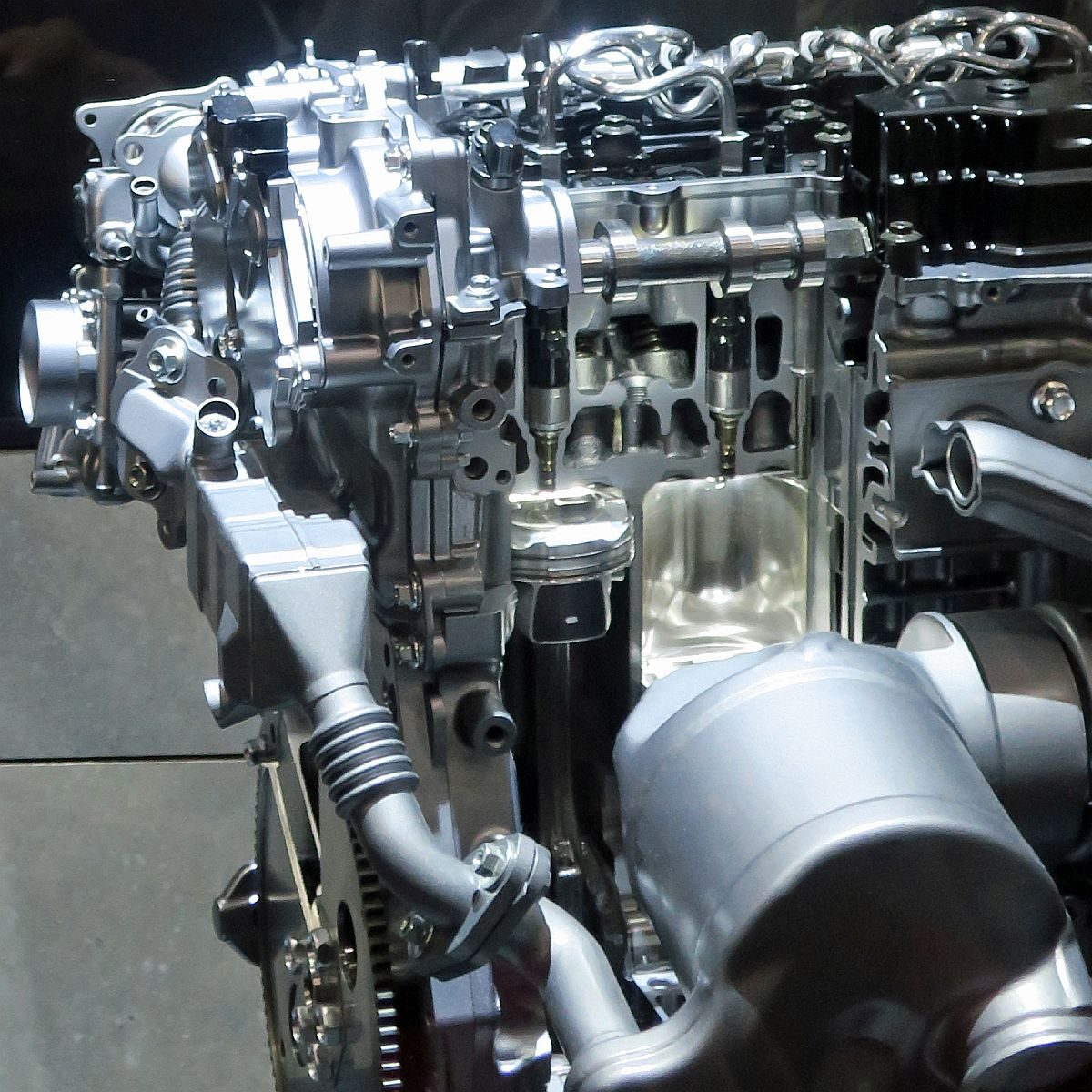
Mazda Keeps Solving Problems the Rest of the Industry Already Gave Up On
A gasoline engine that ignites like a diesel. A roadster tuned by researching how a rider feels on a horse. Mazda's engineering department has a habit of taking the hard, unfashionable path — and it keeps working.
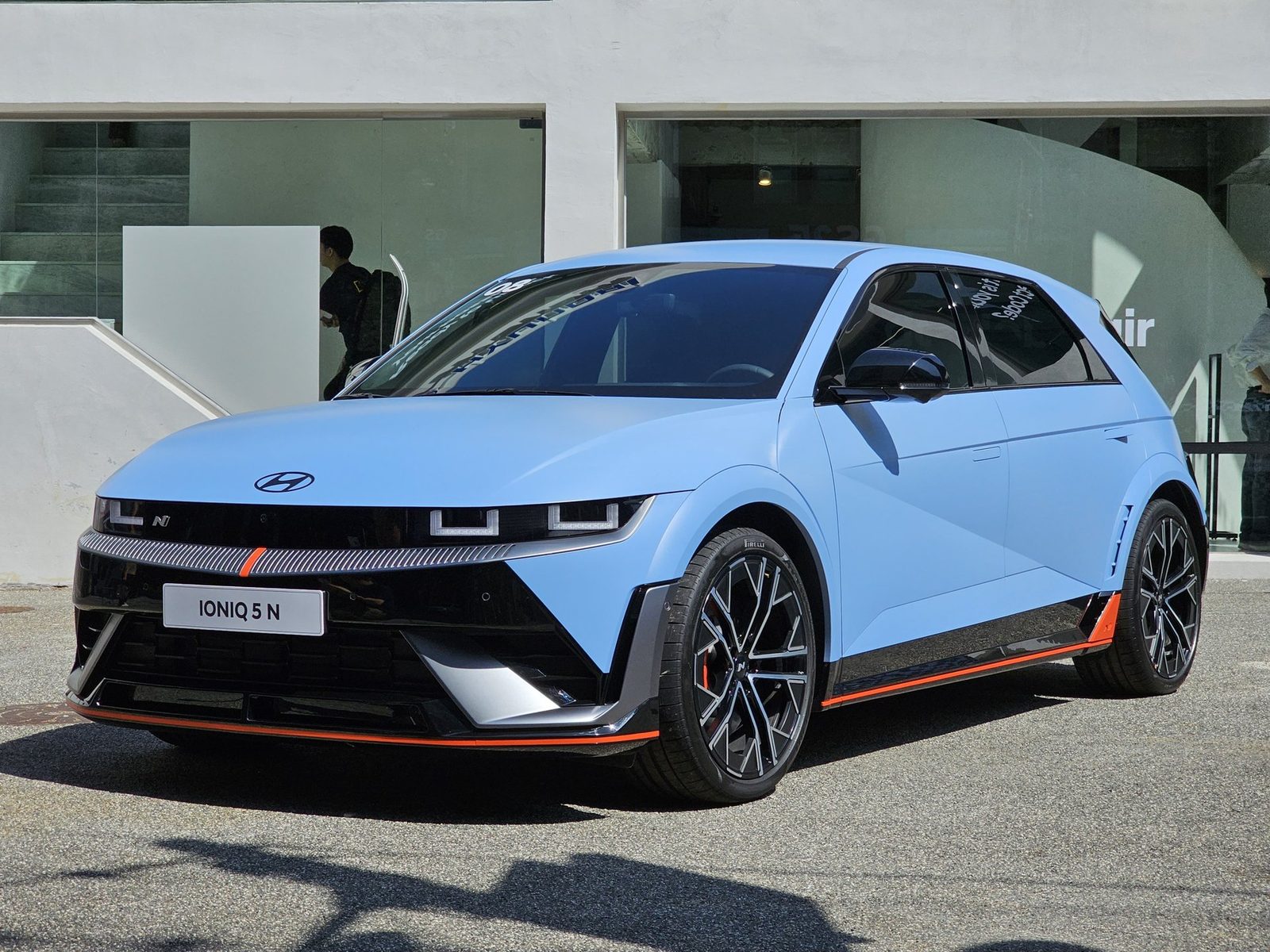
Hyundai Just Made Its Fake Gearbox $6,300 Cheaper — Here's How the Ioniq 5 N Pulls Off the Trick
The 2026 Ioniq 5 N drops to a $59,900 starting price without losing a single horsepower. What it keeps is N e-Shift and N Active Sound+, the two systems that make a single-speed EV feel and sound like it's rowing through an eight-speed gearbox.
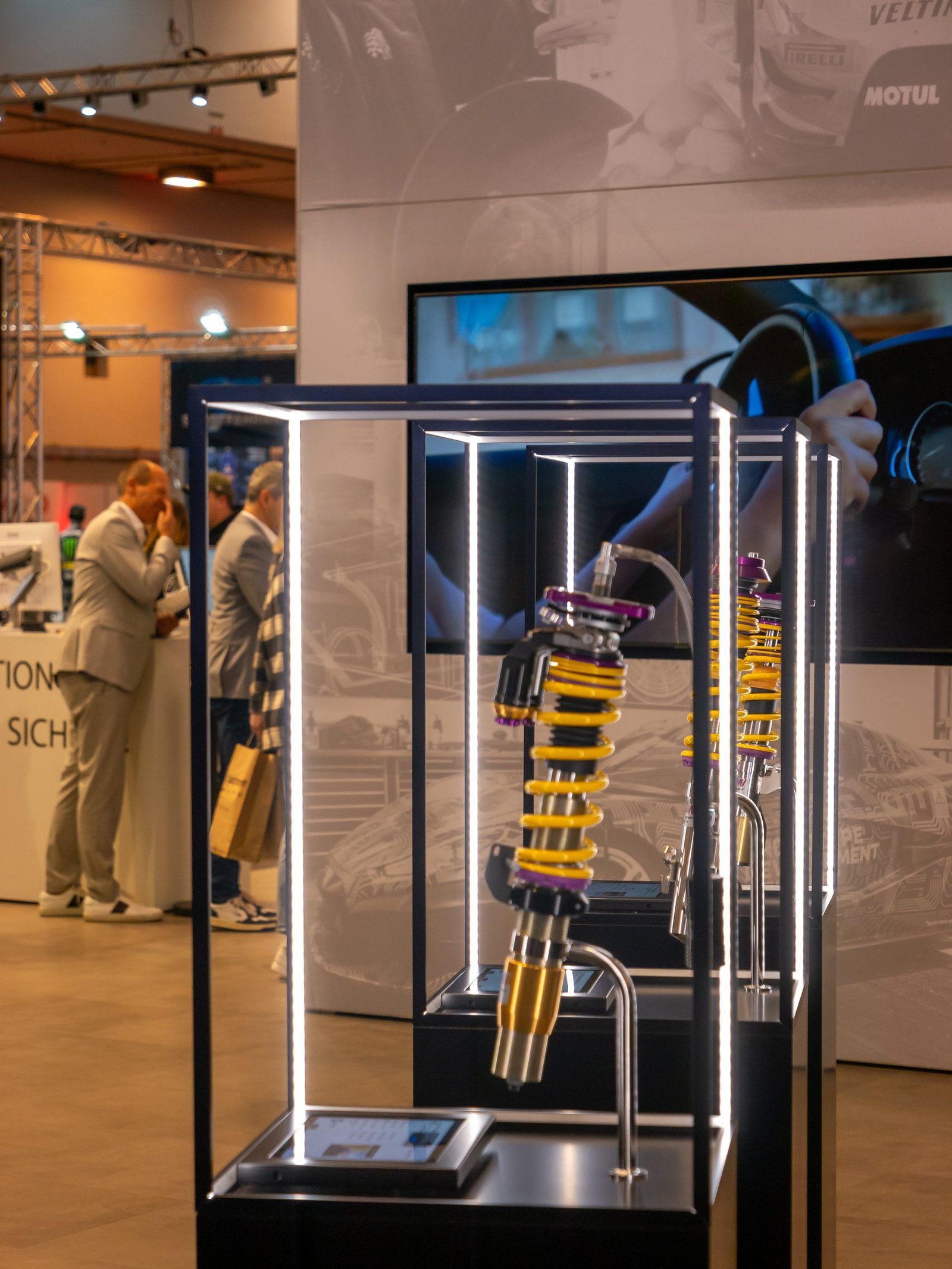
Coilovers vs. Lowering Springs: What You're Actually Buying
Both drop your car's ride height. Only one of them is actually built to handle the spring rate it's running — the difference comes down to what's happening inside the damper.
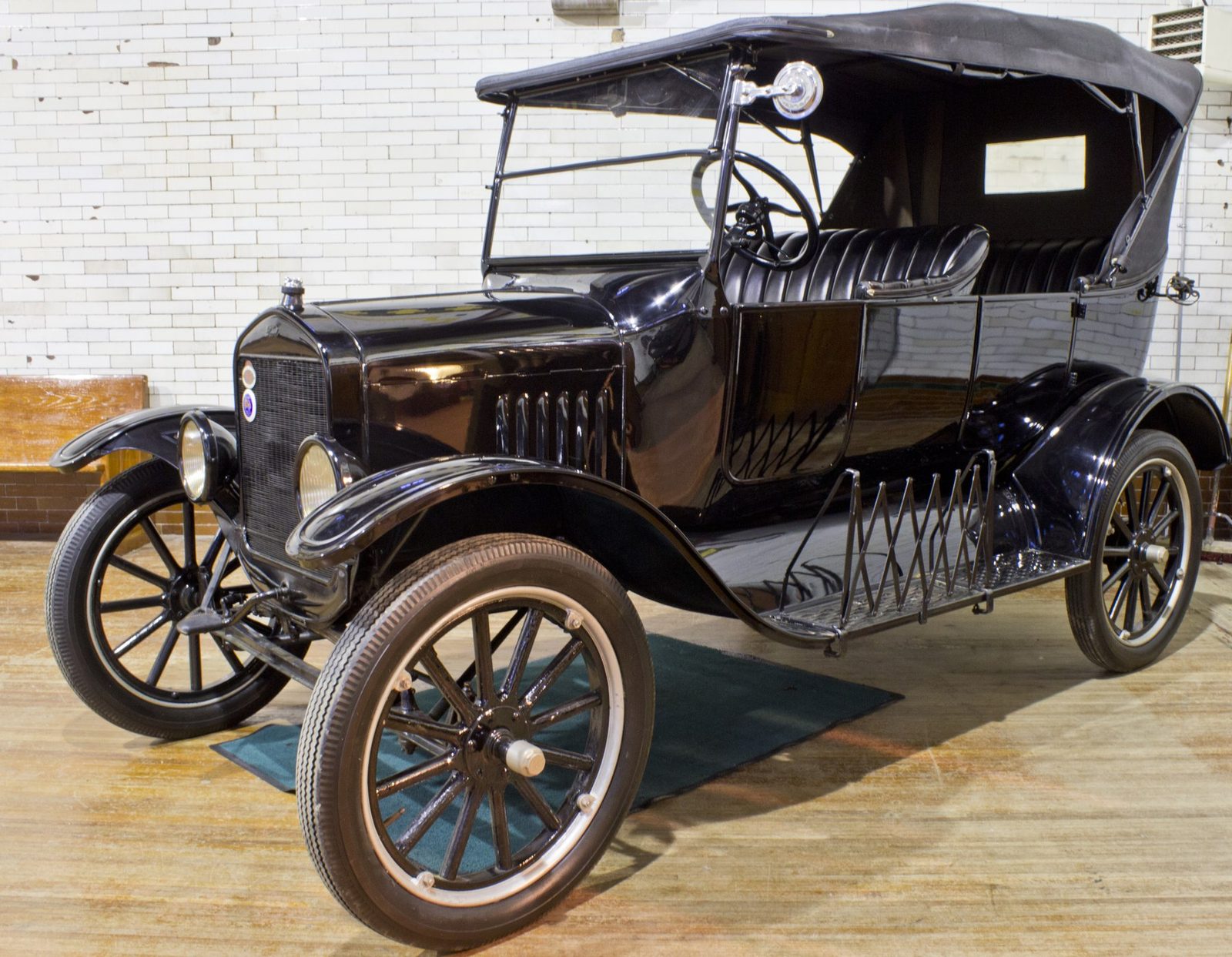
"Any Color So Long As It's Black" Was a Chemistry Problem, Not a Preference
Henry Ford's black paint wasn't a style choice — it was the only finish that dried fast enough to keep an assembly line moving. Everything since has been chemistry catching up to what car buyers actually wanted.
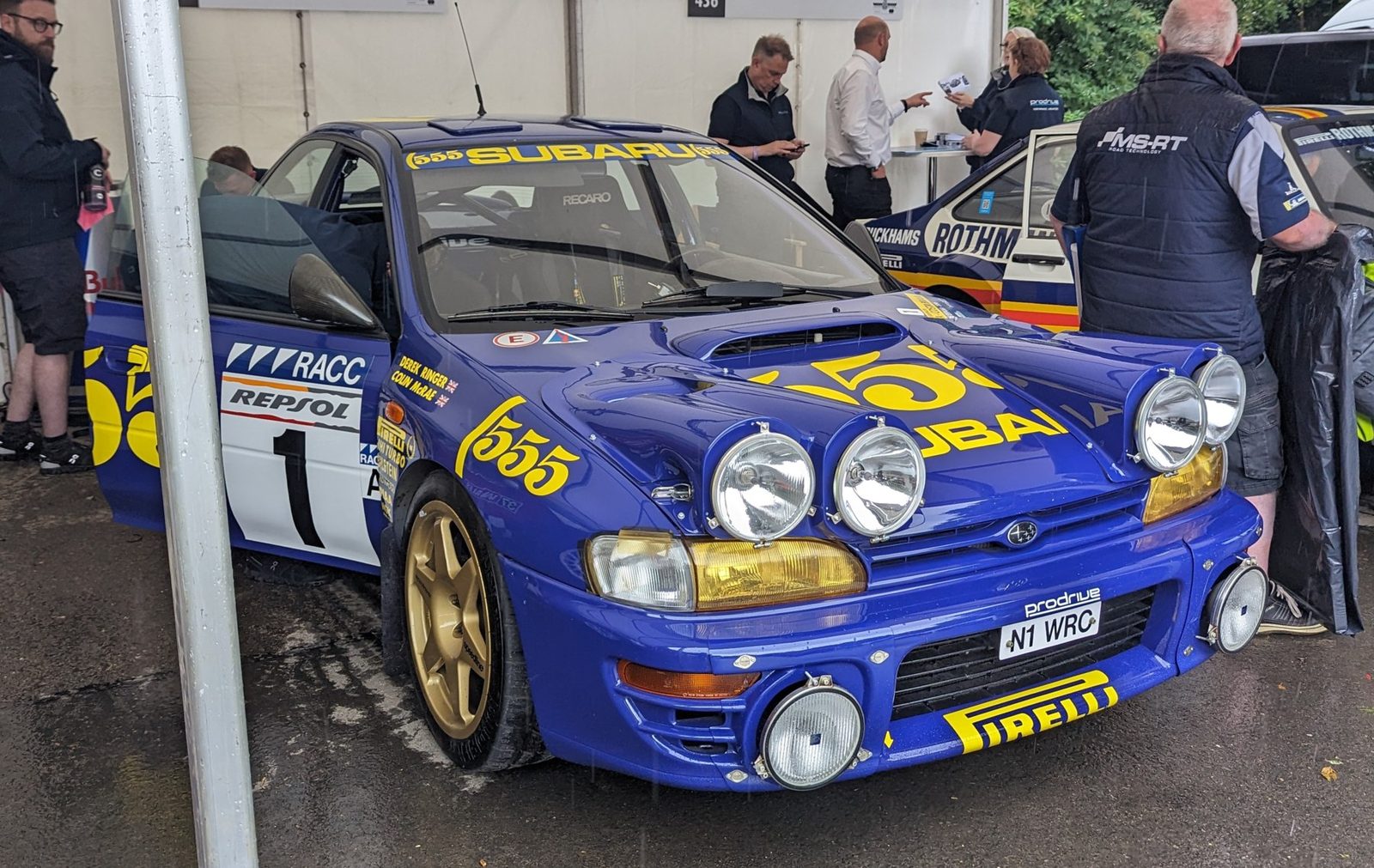
Why Rally Cars Pop, Bang, and Spit Flame Between Gears
Anti-lag isn't a sound effect. It's a deliberate, destructive trick to keep a turbo spinning at full speed with the throttle closed — and it's been burning through rally turbochargers on purpose since Formula 1 first tried it in the 1980s.
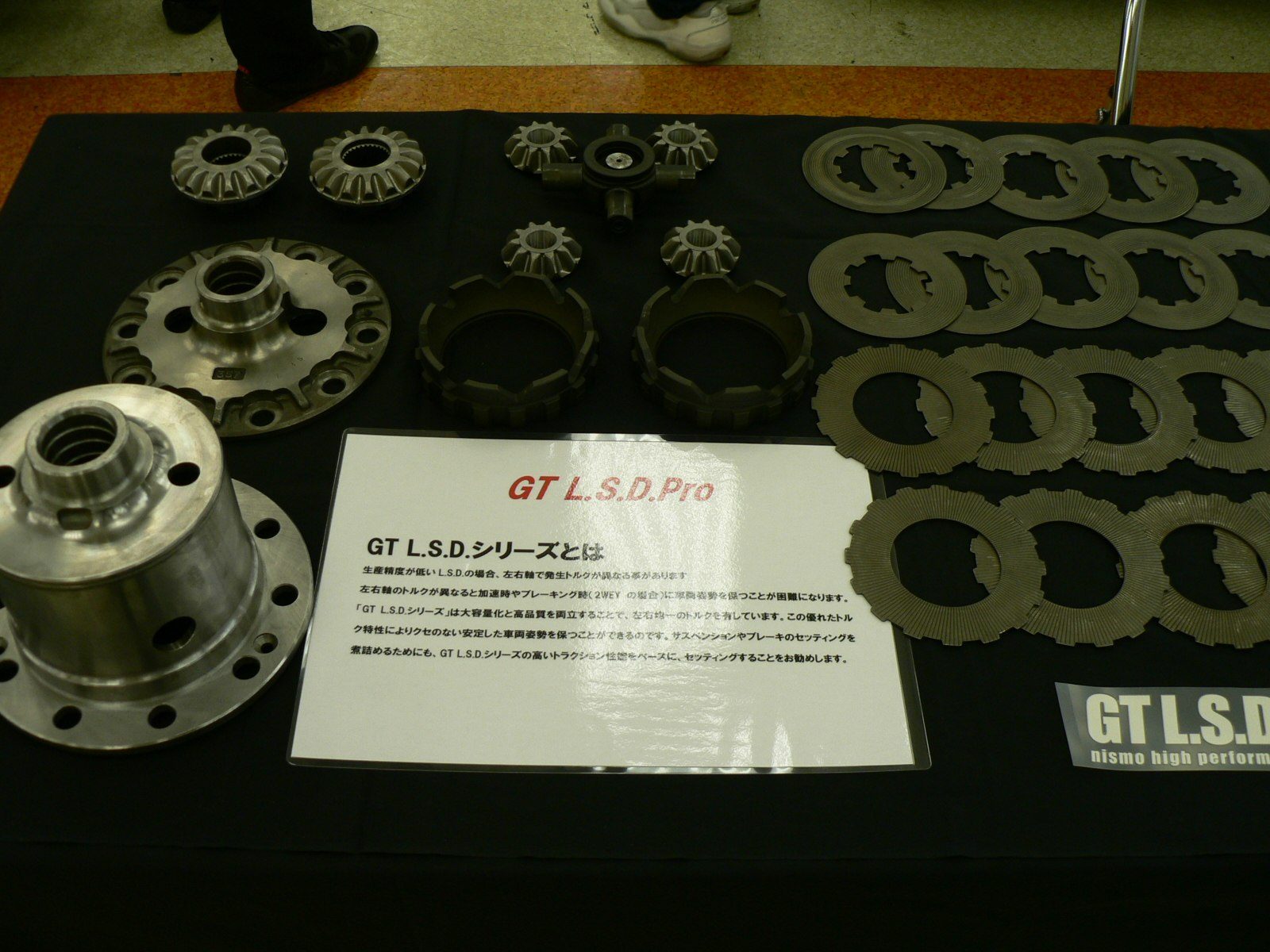
"Limited-Slip Diff" Covers Three Genuinely Different Machines
Mechanical clutch-type, electronically actuated, and true torque-vectoring differentials all get called an LSD, but they solve the same problem with three completely different control philosophies.
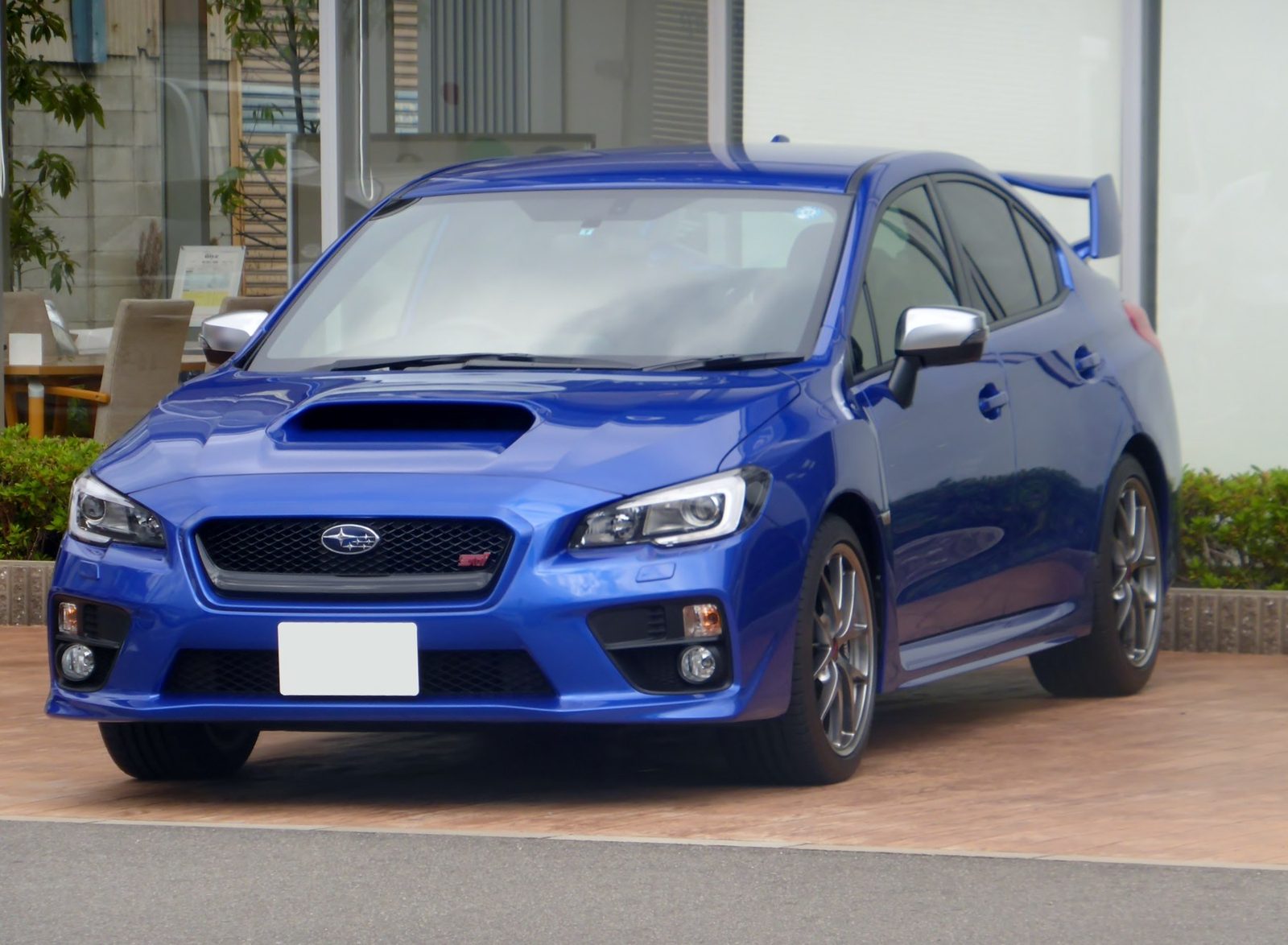
Quattro, DCCD, and ACD Solve All-Wheel Drive Three Different Ways
Audi, Subaru, and Mitsubishi all built legendary AWD systems, but each one is a direct product of the chassis it was designed around — not just three brands doing the same thing differently for marketing reasons.
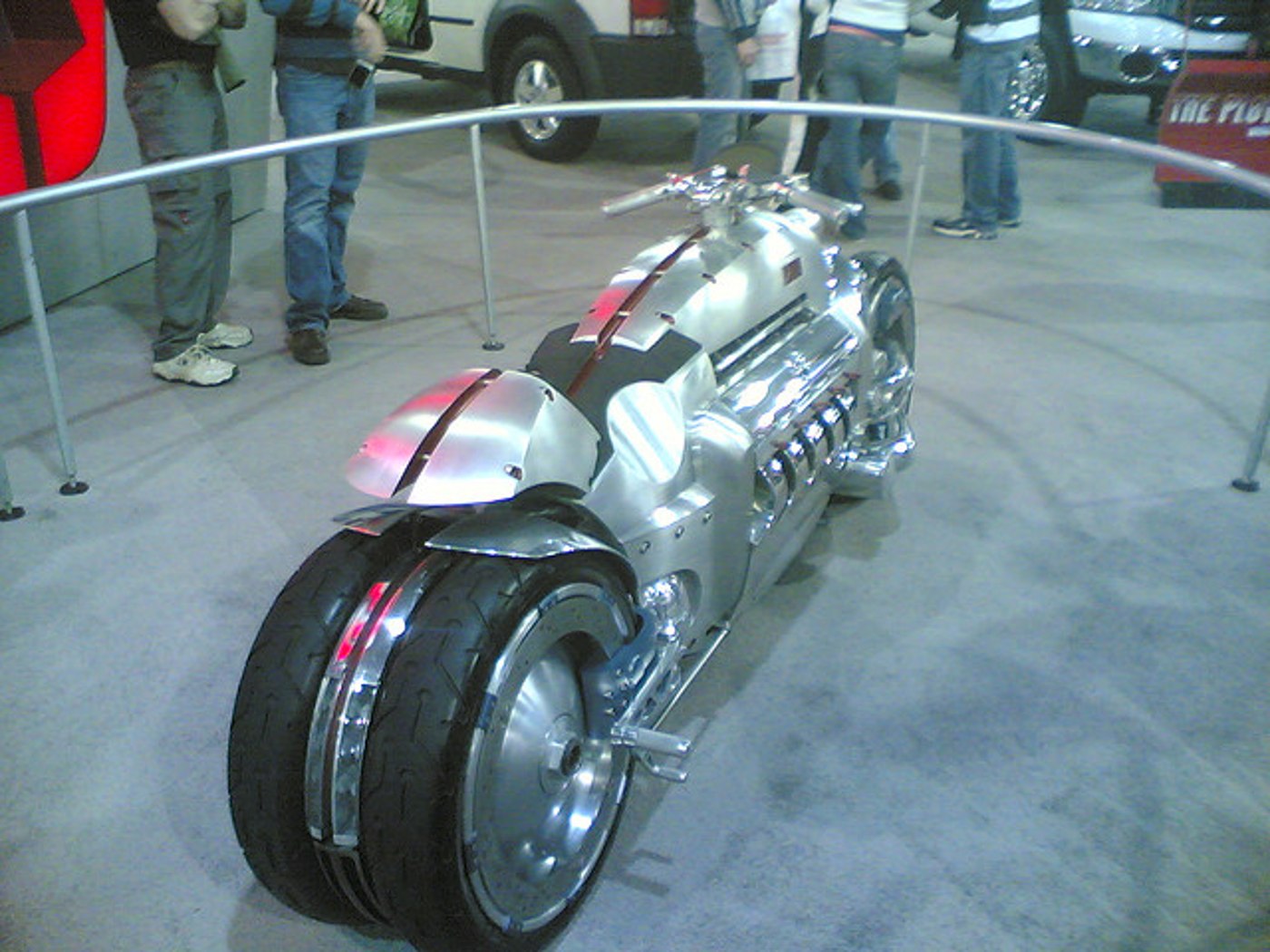
Dodge Built a Motorcycle With a Viper V10. It Was Never Legal to Ride on a Public Road.
The Tomahawk had four wheels arranged like a motorcycle's two, an 8.3-liter 500-horsepower engine, and a theoretical top speed nobody ever tested. Dodge sold reproductions anyway — for $555,000 each.
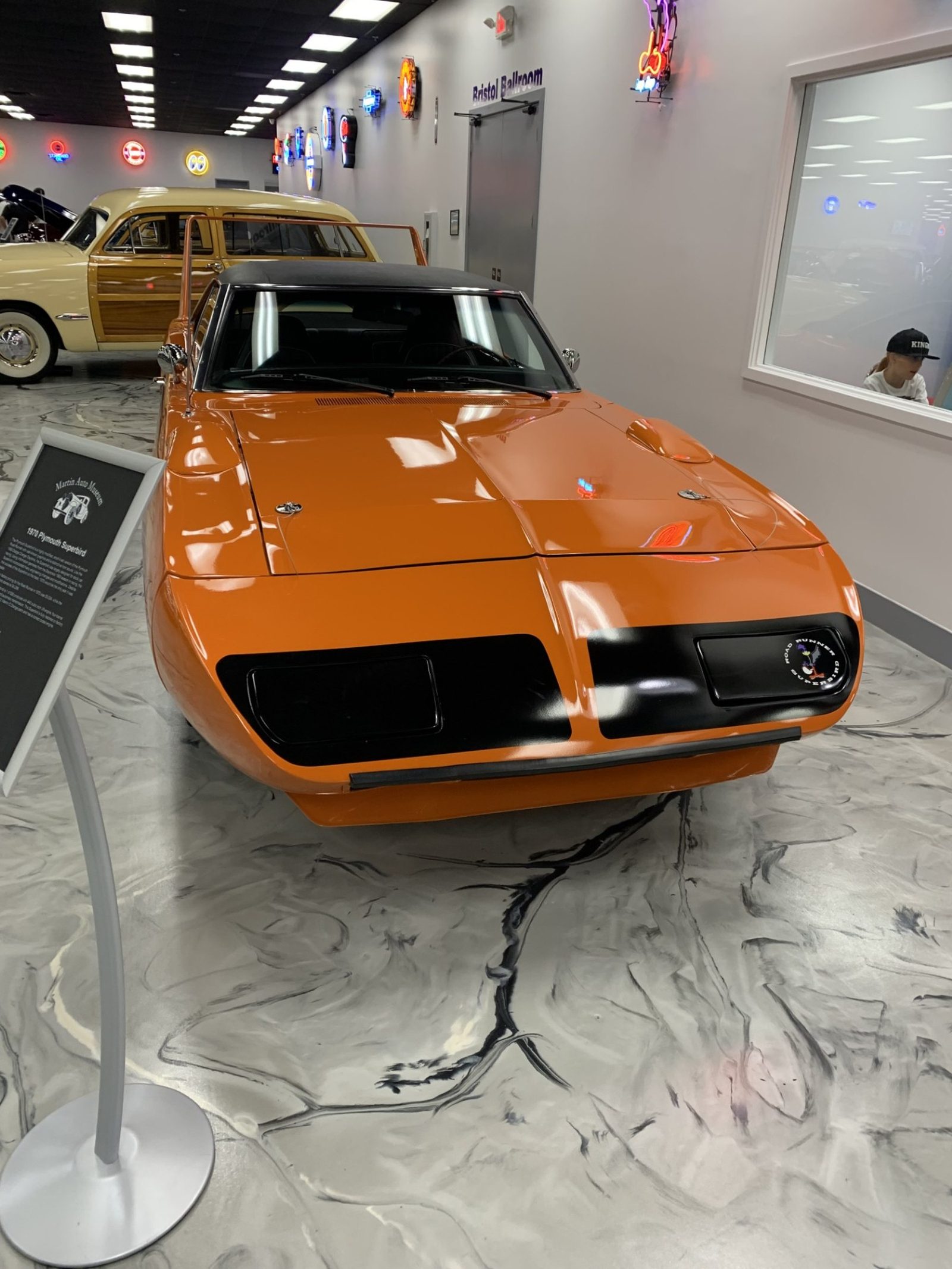
NASCAR Didn't Ban the Superbird. It Just Made the Engine Too Small to Matter.
Plymouth's winged aero cars won 38 of 48 NASCAR races in 1970. The rulebook that followed didn't outlaw the wing — it just made the whole car pointless to build.
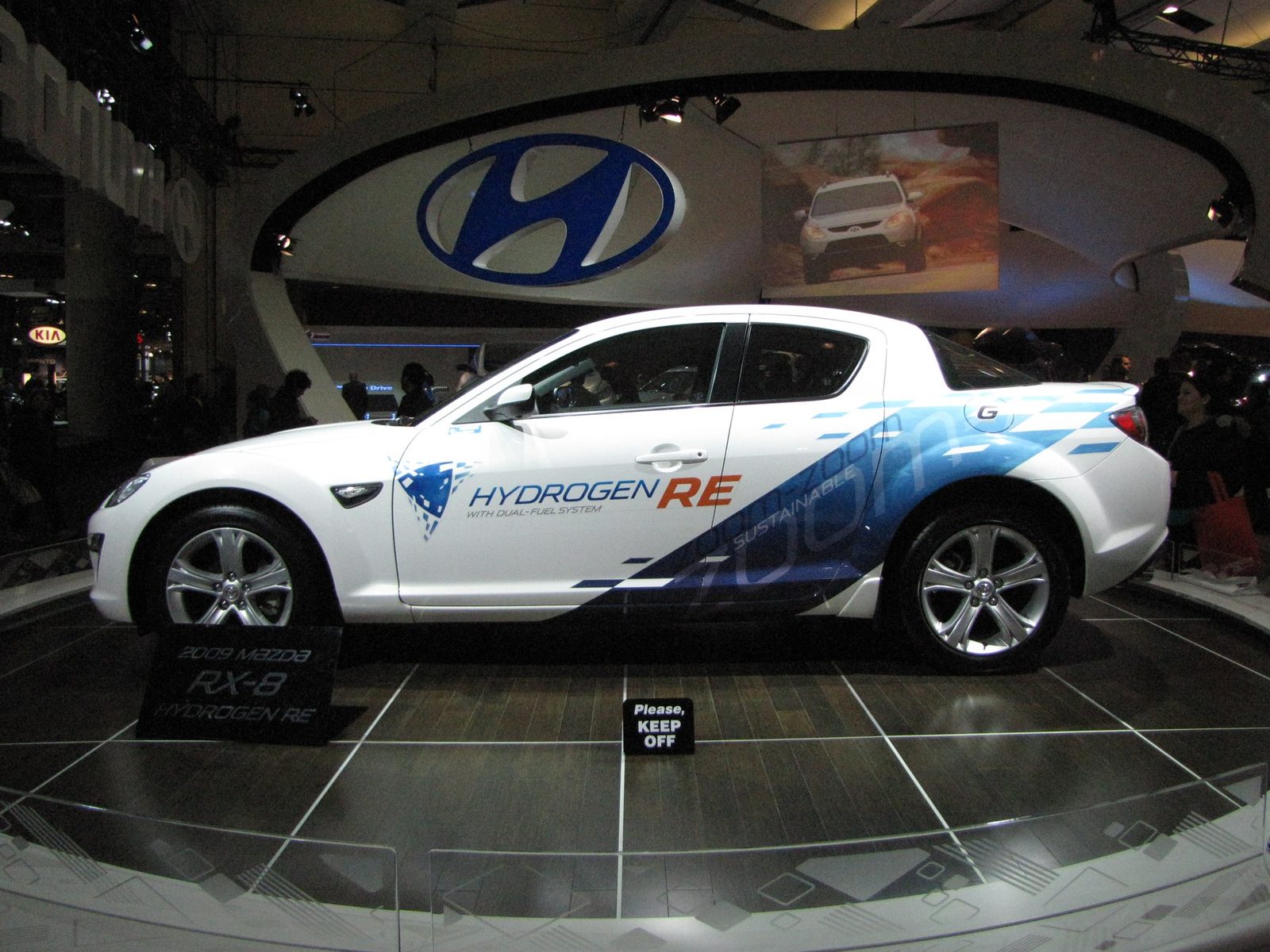
Mazda Actually Leased a Hydrogen-Burning RX-8, and the Engineering Behind It Still Holds Up
The RX-8 Hydrogen RE ran on gasoline or hydrogen at the flip of a switch, and the reason Mazda picked a rotary for the job says a lot about why the Wankel engine existed in the first place.
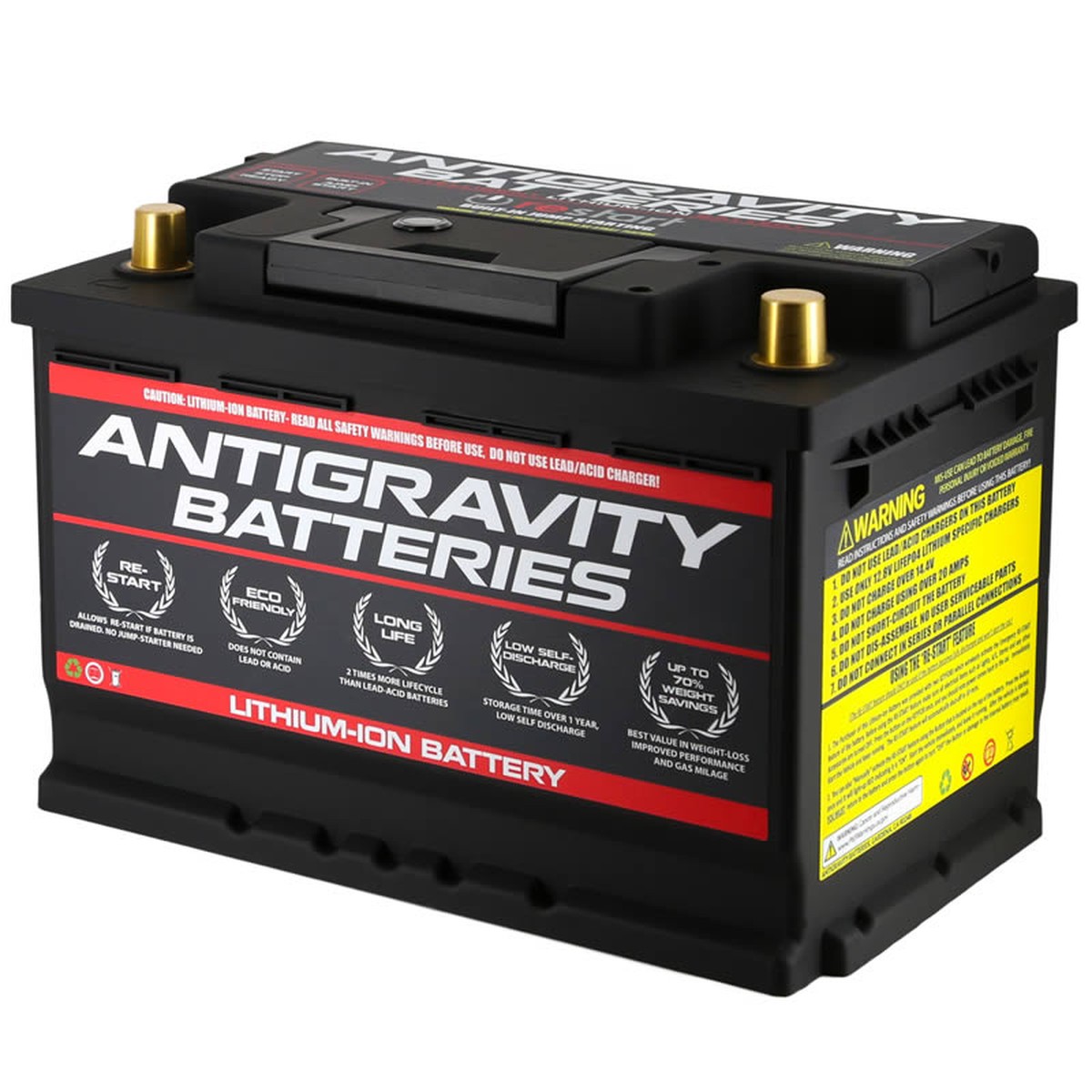
Why Enthusiasts Are Swapping to Lithium-Ion Starter Batteries — and What's Actually Different Inside Them
Brands like Antigravity Batteries have spent over a decade convincing racers to give up the lead-acid battery. The chemistry behind why is more interesting than the weight-savings sticker.
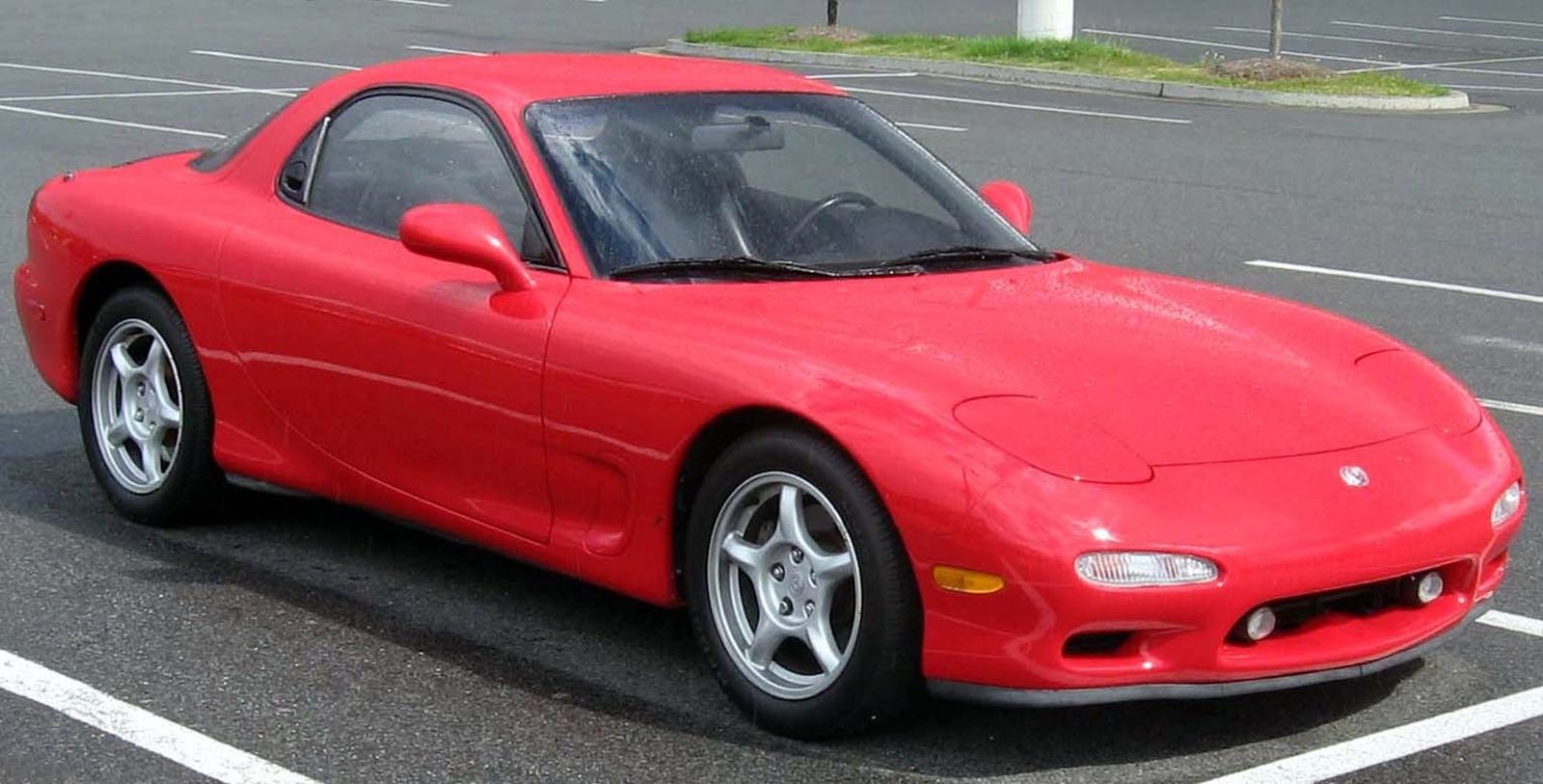
How the Wankel Rotary Actually Works: The Engine With No Pistons
No pistons, no valves in the traditional sense, and a spinning triangle instead of anything that moves up and down. Here's the actual mechanical case for — and against — Mazda's signature engine.